

We may earn a commission when you buy through links on this page, at no extra cost to you. Learn more.
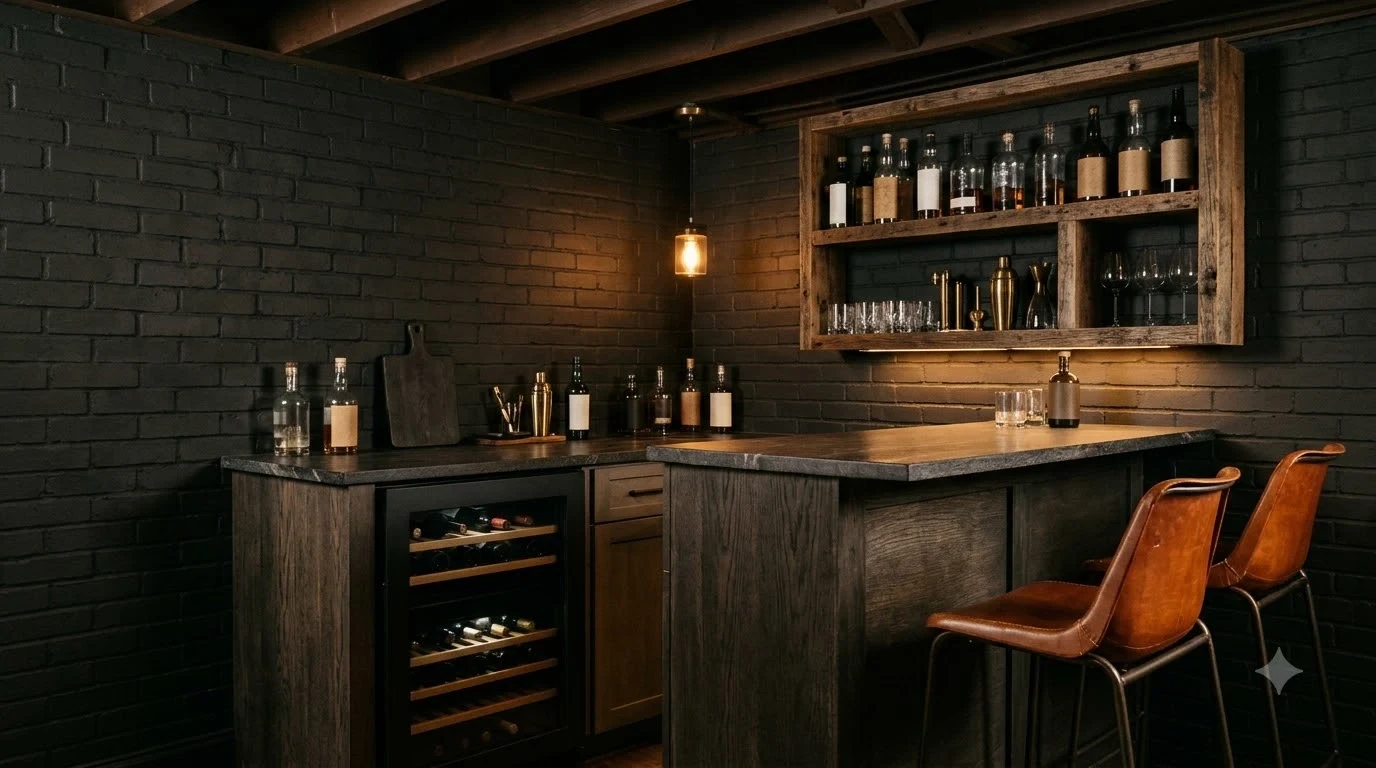
The best bar wine fridge is usually a compact, dual-zone or single-zone unit sized for the bottles you actually keep out, with a front-facing glass door and a fan that keeps the temperature even. A bar wine refrigerator is built for a counter, a basement bar or a kitchen island, so the choice depends on the space you have and how many bottles you rotate. This roundup sorts the options by setting and need, so you can match a bar wine cooler to the way you entertain and the wines you serve.
A bar wine fridge is different from a full wine cellar. The goal is not long-term aging but keeping a few bottles at a steady serving temperature while guests are around. The Wikipedia overview of wine cellars describes wine as best kept at around 13 °C (55 °F), with a comfortable range of 7–18 °C (45–64 °F) when changes are gradual. For a bar, that means the fridge should hold a stable zone that is easy to reach and does not swing when the door opens during a party.
Quick Comparison of Bar Wine Refrigerator Types
Bar wine refrigerators come in a few main builds. The right one depends on whether it will sit under a counter, stand on its own or live in a cabinet. Compare the basic types before you narrow down a specific model.
| Type | Best placement | Zones | Serving use | Footprint |
|---|---|---|---|---|
| Built-in under-counter | Bar, kitchen island | Single or dual | Front-facing, steady | Fits a counter opening |
| Freestanding bar unit | Basement, rec room | Often single | Good for parties | Floor space needed |
| Dual-zone cooler | Entertaining spaces | Two | Reds and whites together | Medium |
| Compact countertop | Office, small kitchen | Single | A few bottles only | Smallest |
The table shows the core trade-off. A built-in unit looks cleanest and holds a steady temperature, but it needs a fitted opening. A freestanding bar unit is easier to install and move, but it takes floor space that many bars do not have to spare.
Best Built-In Bar Wine Refrigerator for a Counter Opening
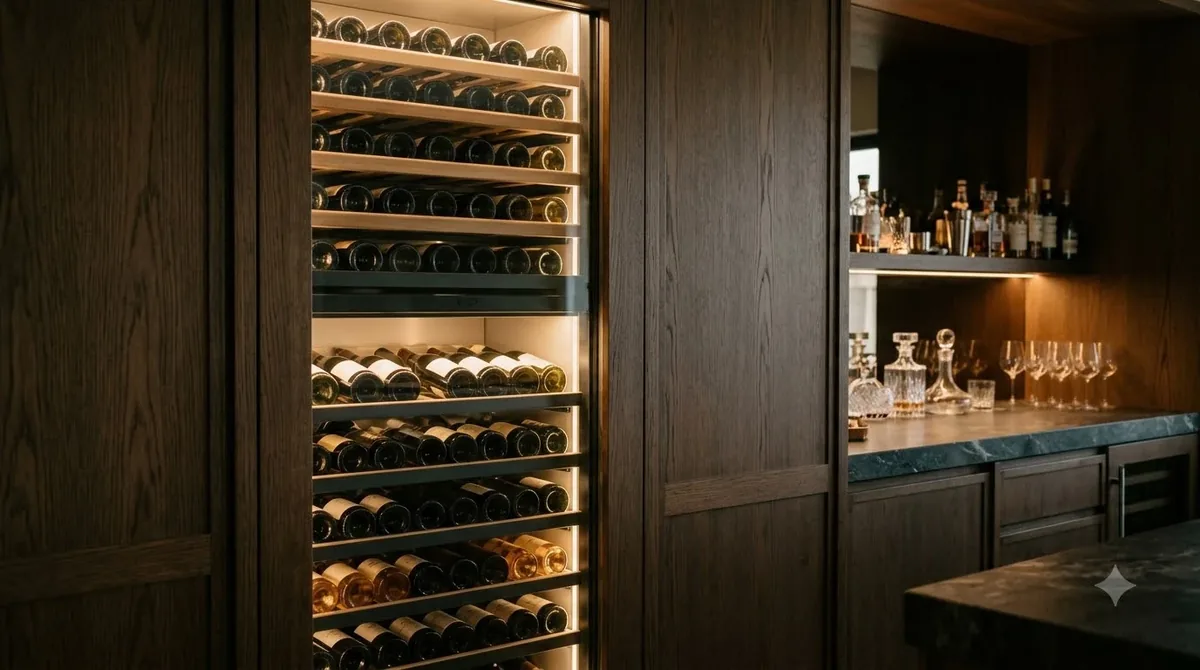
A built-in bar wine refrigerator fits a counter or cabinet opening and lets the front face line up with the cabinetry. It is the most polished option for a dedicated bar corner, and it is the right pick when you want the fridge to look like part of the room.
Why it stands out
Built-in units are designed to sit flush, so they do not stick out into a walkway. Many use a front-venting design, which lets the fridge fit under a counter without a gap at the back. Their steady layout also suits bottles stored for a few weeks, since the shelves are easy to reach and the temperature stays put.
Keep in mind
Measure the opening carefully before you buy. A built-in unit needs clearance for airflow, and a tight cabinet can trap heat and make the compressor run harder. Check the venting instructions in the manual, since many bar units will not perform well if the vent is blocked.
Best for: homeowners with a dedicated bar nook or a kitchen island who want a fridge that sits flush with the cabinetry.
Best Freestanding Bar Wine Cooler for Parties
A freestanding bar wine cooler is the simplest choice when there is no fitted cabinet. It can stand in a basement, a garage bar or a rec room, and it moves easily when the room is rearranged for a party.
Why it stands out
Freestanding units are easier to install than built-in models and do not need a cabinet cut-out. They are often the most affordable route to a working bar fridge, and they can be placed where the bar is actually used. A single-zone freestanding cooler is usually enough for a party-sized set of whites and sparkling wines.
Keep in mind
Freestanding coolers often run warmer than built-in units when the room is hot, so keep the fridge away from heat sources and direct sun. Leave space around the back and sides for air. Wine is not a food that needs the cold of a kitchen fridge, so a steady mid-range setting is usually the goal.
Best for: hosts with a basement or rec room who want a bar fridge that can stand anywhere and be moved when the layout changes.
Best Dual-Zone Bar Wine Refrigerator for Reds and Whites
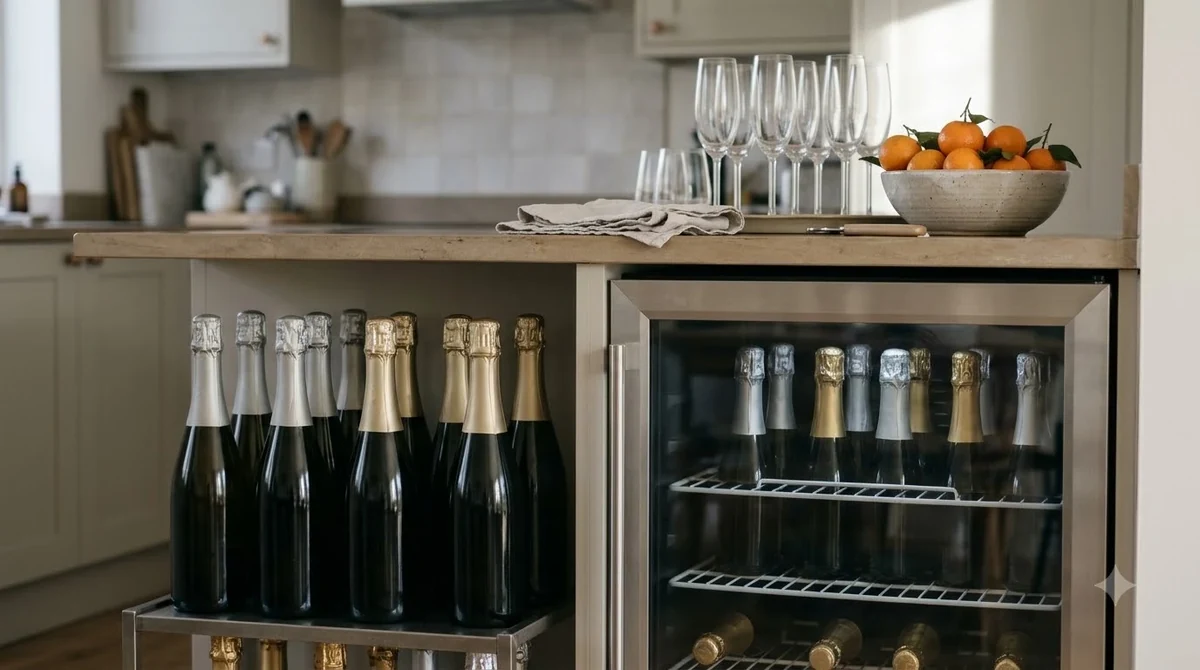
A dual-zone bar fridge keeps two temperatures in one cabinet, which lets reds and whites sit at their own serving temperatures without a second appliance. For a bar that pours both styles, a dual-zone unit removes a lot of juggling.
Why it stands out
Whites and sparkling wines are usually served cooler, while reds are often served a little warmer. Two zones make both possible in the same footprint. Wines can be pulled from the right zone without letting the other one warm up when the door opens. Shelves split by zone also keep labels and bottles easy to read.
Keep in mind
Dual-zone units cost more space and power than single-zone ones. If the bar serves mostly one style, a single zone may be the better buy. Make sure the two zones are set in a range that suits your wines. The usual serving range for reds sits warmer than for whites, so check the display before you stock the shelves.
Best for: entertainers who pour both red and white and want both at the right temperature without extra appliances.

- Zones
- 35-50°F / 41-64°F
- Capacity
- 21 bottles + 80 cans
- Noise
- About 40dB
- Size D x W x H
- 24 x 23.5 x 34.3 in
For serving reds and sparkling wines alongside cold cans, two zones share one under-counter cabinet. The left side runs 35 to 50°F for beverages and the right runs 41 to 64°F for wine, each controlled independently. A quiet compressor and fan circulate air evenly, a blue sensor light highlights the shelves, and the unit remembers its last temperature after a power failure.
Pros & ConsView
- Independent beverage and wine zones
- Restores last temperature after power failure
- Front vents for built-in or stand-alone use
- Only 21 bottles of wine fit
- Hidden door lock needs a key
Best Compact Bar Wine Cooler for Small Spaces
A compact countertop or slim cooler suits a small apartment, an office corner or a kitchen counter with little room. It holds a handful of bottles and fits where a full-size bar unit would never fit.
Why it stands out
A small unit takes up very little floor or counter space, and it can be placed where the wine is poured. For a couple who drink a few bottles a week, a compact cooler keeps the stock ready without a cellar. It is also simple to move when the room changes.
Keep in mind
Small coolers hold only a few bottles, and they warm faster when the door is opened often. Standard bottles can also be a tight fit in slim models, so check the shelf depth before buying. For larger bottles or magnums, a bigger unit may be needed.
Best for: small apartments and home offices where a few bottles must sit at a steady temperature.

- Capacity
- 12 bottles, 1.41 cu ft
- Temp Range
- 41-64°F
- Size D x W x H
- 19.3 x 10.7 x 30.9 in
- Noise
- Under 35dB
A compact cooler for small spaces such as a living room corner, office or apartment bar. It holds twelve standard bottles on five removable shelves and keeps them at 41 to 64°F with a compressor running under 35 decibels. The double-glazed door blocks UV light, soft LED lighting helps at night, and a touch panel plus security lock round out the controls.
Pros & ConsView
- Slim footprint of 10.7 inches wide
- Runs under 35 decibels
- Double-glazed UV-blocking door with lock
- Holds only 12 bottles
- Wire shelves, one temperature zone
Best Bar Wine Cooler for Large Collections
When a bar stocks more than a few cases, a larger freestanding or built-in unit with adjustable shelves is the practical choice. It keeps a wider range of bottles on hand and makes rotation easier for a busy home bar.
Why it stands out
Large units offer more shelf space and often better air circulation, which helps keep the temperature even across the cabinet. Adjustable shelves allow a mix of bottle heights, from standard reds to sparkling wines. For frequent entertaining, the extra capacity means fewer restocking trips.
Keep in mind
Larger units draw more power and take more room, and they need careful placement. Check the ventilation requirements and the door swing. A bar with a large collection may also benefit from a separate storage area, since a serving fridge is not designed for long-term aging.
Best for: home bars that store a wide range of wines and entertain often.
How to Choose a Bar Wine Fridge
Start with the space and the bottle count, then work through the features. A bar fridge should fit the room, hold the number of bottles you pour in a typical month, and keep a steady temperature when the door is opened during a gathering.
- Size and fit: measure the opening or floor space, and check the venting requirements before ordering.
- Zones: one zone suits a single style; two zones let reds and whites sit at their own temperatures.
- Bottle capacity: count how many bottles you keep out at once, and plan for a second round of guests.
- Door and glass: a glass door shows the bottles, but a solid door protects them from light.
Tip: keep the fridge away from direct sun and heat vents. Wine does best with gradual temperature changes, so a stable spot in a shaded room is more useful than a faster cooler in a hot one.
The best bar wine fridge is the one that fits the room and keeps your bottles at a steady temperature during the evening. A good starting point is the bottle count and the space available, and it helps to know how many glasses a bottle yields so you can estimate the stock. For that math, see how many glasses are in a bottle of wine. Compare the sizes in 12 bottle wine fridges and 15 inch wine fridges before you decide.
Frequently Asked Questions
What temperature should a bar wine fridge be set to?
Wine is commonly kept around 13 °C (55 °F), with a comfortable range of 7–18 °C (45–64 °F) when changes are gradual, according to the Wikipedia overview of wine cellars. Set whites and sparkling wines a little cooler and reds a little warmer if your unit has two zones.
Can a bar wine fridge store wine long term?
A bar fridge is built for serving and short-term storage. Long-term aging needs steady conditions, and temperature swings of 14 degrees or more can speed aging, so a dedicated cellar is a better choice for valuable bottles.
Do I need a built-in or a freestanding bar wine cooler?
A built-in model suits a bar with a fitted cabinet opening and gives a cleaner look. A freestanding model suits basements and rec rooms, and it can be moved when the room changes.
How many bottles should a bar wine fridge hold?
Count the bottles you keep out at one time, not your total stock. A compact unit holds a few bottles, while larger ones hold a case or more. Plan for a second round of guests when you choose the size.
A bar wine refrigerator is a practical addition to any home bar. Choose the type that fits the space, match the zones to the wines you serve, and keep the unit away from heat so the temperature stays steady through the evening.
More in By Room & User
 Wine Fridge in Bedroom: Choose Quiet Storage That Fits Your SpaceUpdated Nov 20, 2026
 Wine Fridge in Living Room: Choose the Right Size, Style, and SetupUpdated Nov 20, 2026
 Wine Fridge In Dining Room: Choose the Right Size and StyleUpdated Nov 20, 2026
 Wine Fridge In Pantry: Choose the Right Size and SetupUpdated Nov 20, 2026
 Wine Fridge In Kitchen: Choose the Right Fit and PlacementUpdated Nov 20, 2026
 Wine Fridge In Garage: Choose a Cooler That Handles Temperature SwingsUpdated Nov 20, 2026