

We may earn a commission when you buy through links on this page, at no extra cost to you. Learn more.
The oster wine chiller (model 004208-FFP-000) is best understood as a two-piece wine-opening set, not a powered bottle-cooling machine. It pairs a cordless electric corkscrew with a double-wall stainless steel thermal cooler, so it can open a bottle and help keep an already chilled bottle cool at the table. Oster also made a separate Quick Chill model that circulates ice water around a bottle.
This review covers the Silver Electric Wine Opener with Chiller, model 4208 and U.S. listing number 004208-FFP-000. Its appeal is convenience: one package combines an opener, foil cutter, charging base and insulated bottle holder. Its limit is equally important: the stainless steel cooler has no compressor, thermostat or powered chilling cycle. Buyers expecting it to take a room-temperature bottle down to serving temperature in minutes are looking at the wrong Oster product.
Specs and Key Features
The Oster 4208 combines a rechargeable electric opener with a thermal stainless steel cooler, rather than a refrigerator-style appliance. The manufacturer lists the opener as cordless, describes the cooler as double-walled, and says the opener can open up to 30 bottles on one charge.
| Specification | Oster 4208 details |
|---|---|
| U.S. product listing / model | Oster Silver Electric Wine Opener with Chiller; 004208-FFP-000 (SAP 4208FFP000) |
| Included pieces | Electric wine opener, foil cutter, recharging base and thermal wine chiller |
| Chiller construction | Double-wall stainless steel; passive thermal holder |
| Opener operation | Cordless, rechargeable, two-direction switch for cork removal and cork release |
| Claimed capacity per charge | Up to 30 bottles on the current U.S. product page |
| Listed dimensions | 5.51 in. L × 5.32 in. W × 14.96 in. H |
| Listed weight | 4 lb. |
| Listed wattage | 14.4 W |
| Warranty shown on U.S. product page | 3-year limited warranty; the older 4208 manual states a 1-year limited warranty for the opener |
Tip: Chill the bottle to its serving range before placing it in the 4208 holder; the holder preserves cold rather than lowering wine temperature.
The dimensions and weight come from Oster’s U.S. listing and describe the set, not a freestanding wine refrigerator. The 14.4-watt figure is also listed by Oster; it is not a measure of cooling capacity. The holder is an insulated serving accessory that slows warming after a bottle has been chilled elsewhere. It has no stated target temperature, digital display, adjustable zone or bottle-storage compartment.
The opener is the active part of the package. It sits on a recharging base, has a soft-grip handle and uses a two-way switch: one direction removes the cork, while the other releases it from the corkscrew. Oster includes a foil cutter and says the opener works with traditional wine bottles, with capacity for up to 30 openings per charge.
There is a documentation difference to check before purchase. Oster’s current U.S. product page states up to 30 bottles per charge and a 3-year limited warranty; the 4208 instruction manual describes approximately 40 openings per full charge and a one-year limited warranty. The manual recommends an initial charge of at least eight hours and says later charging takes about six to eight hours. Confirm the warranty and included paperwork for the exact unit being sold.
The practical verdict is simple: this is a wine-service gift set, not a small wine fridge. It makes sense when both pieces will be used; a buyer who mainly needs a bottle chiller should compare dedicated cooling accessories instead.
What Owners Like
Owner feedback tends to praise the opener’s convenience and the all-in-one presentation, while treating the cooler as a useful serving extra rather than the reason to buy. The available comments are positive but limited, so they are anecdotal rather than proof of long-term reliability.
On Oster’s product page, one owner says the set has been in use for years and wishes the company sold the cooler separately as an additional bottle holder. Another owner describes it as easy to use and solidly built. Those comments point to two practical attractions: the opener can become part of a dinner routine, and the stainless steel holder is useful enough that an owner may want another.
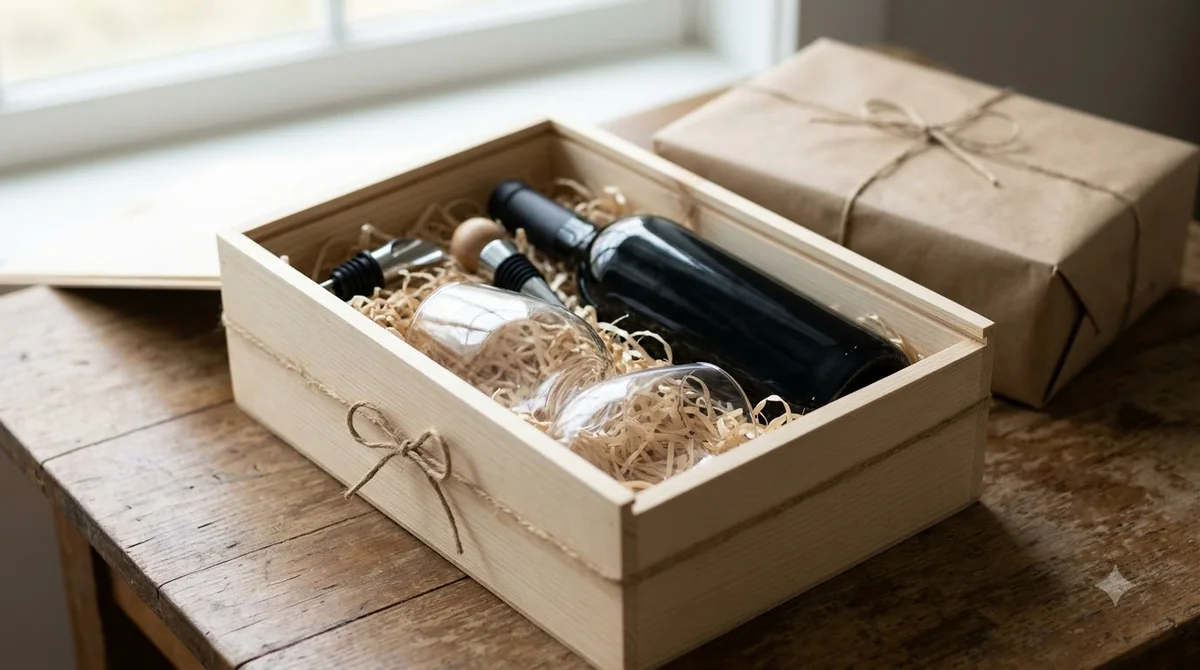
An independent review of the Oster 4208 set also reports favorable comments about its simple button-operated opening process, appearance and gift potential. Its summary describes people buying the set as a gift and then wanting one for themselves. That is plausible for a package that combines familiar wine accessories, especially for households that regularly open cork-finished bottles and prefer a powered opener.
Portability is another positive in owner commentary. A KitchenReviews owner liked being able to carry the set around and use the opener on difficult bottles, while also noting that the holder handles only one bottle at a time. That is a reasonable trade-off for a compact serving accessory, but it does not make the Oster a multi-bottle party station. Overall, the strongest case is for casual entertaining: the charging base gives the opener a home, the foil cutter stays with it, and the stainless holder can sit on the table without looking like a utility tub.
Common Complaints and Limitations
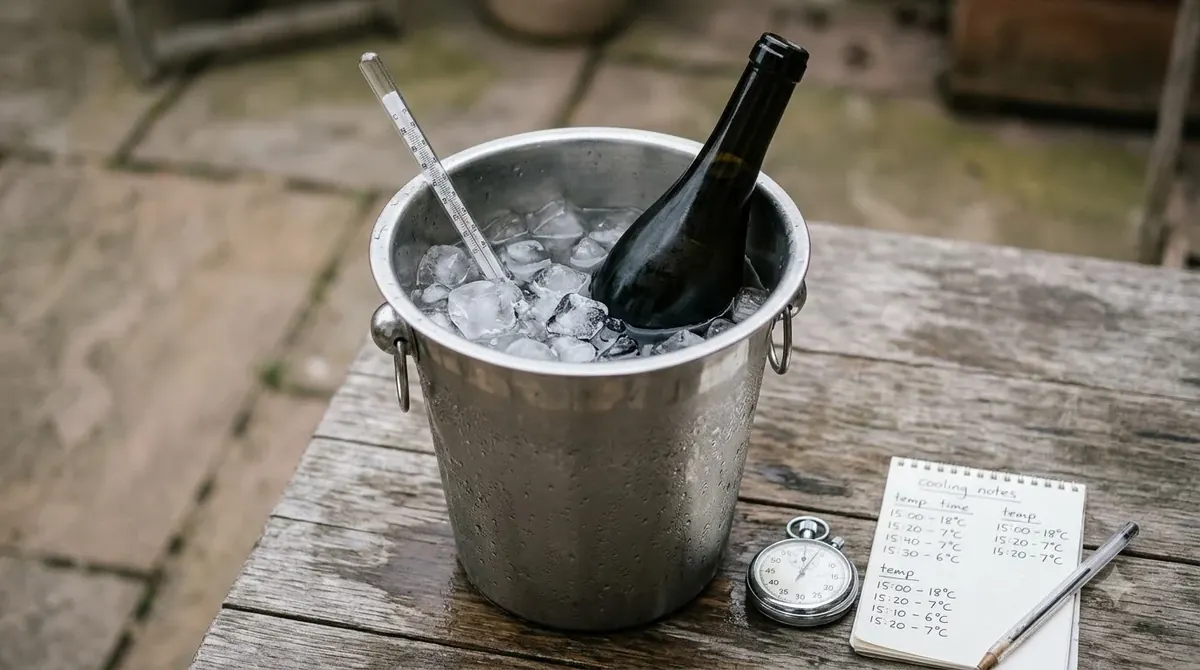
The biggest potential complaint is a mismatch between the word “chiller” and what the included cooler does. The 4208’s stainless steel vessel is a passive thermal holder: it does not actively cool wine from room temperature and has no temperature control or cooling motor. Oster says its double-wall cooler keeps wine cold for hours, which describes heat retention, not a quick-chill cycle. Refrigerate the bottle before serving it in the holder.
The opener also has a known cork limitation. The 4208 manual warns that a small percentage of plastic or synthetic corks and undersized corks may not work correctly, in which case the user should remove the cork manually. An independent review reports a similar issue with plastic corks. The motorized mechanism is therefore best treated as a convenience for normal cork-finished bottles, not a universal opening tool. The manual also instructs users to hold the opener upright over the bottle because an angled position can prevent proper cork removal; forcing the mechanism is not a sensible workaround.
Battery age matters for an older or pre-owned set. The manual describes a six-to-eight-hour recharge and approximately 40 openings after a full charge, while Oster’s current U.S. page advertises up to 30. Rechargeable components can lose capacity with age, so check that the charging base, power cord and foil cutter are present and test charging before relying on the opener for an event. There is also a warranty mismatch: the current U.S. page says three years, while the older manual says one. Save the receipt and confirm the terms attached to the exact sale.
Finally, the cooler is a one-bottle holder, not a wine cabinet. It offers no long-term storage, multiple temperature zones or controls for serving white and red wines at different temperatures. Hosts serving several bottles will still need a refrigerator, bucket or separate cooling accessory for the bottles waiting their turn.
Who Should Buy It and Who Should Skip It
The Oster 4208 makes sense for someone who wants an electric corkscrew and a presentable insulated holder in one set. It suits a casual wine drinker, a host who regularly opens traditional cork-finished bottles, or a gift buyer who values a coordinated group of accessories more than a dedicated chilling appliance.
It can work well for a small household that usually serves one bottle at a time. A bottle chilled in the refrigerator can move to the stainless holder during dinner, where the double wall helps slow warming. Typical serving targets are 45–50°F for light whites and rosé, 50–55°F for fuller whites, 55–60°F for lighter reds and 60–65°F for fuller reds. The 4208 has no thermostat, so reach the preferred serving temperature before putting the bottle in the holder.
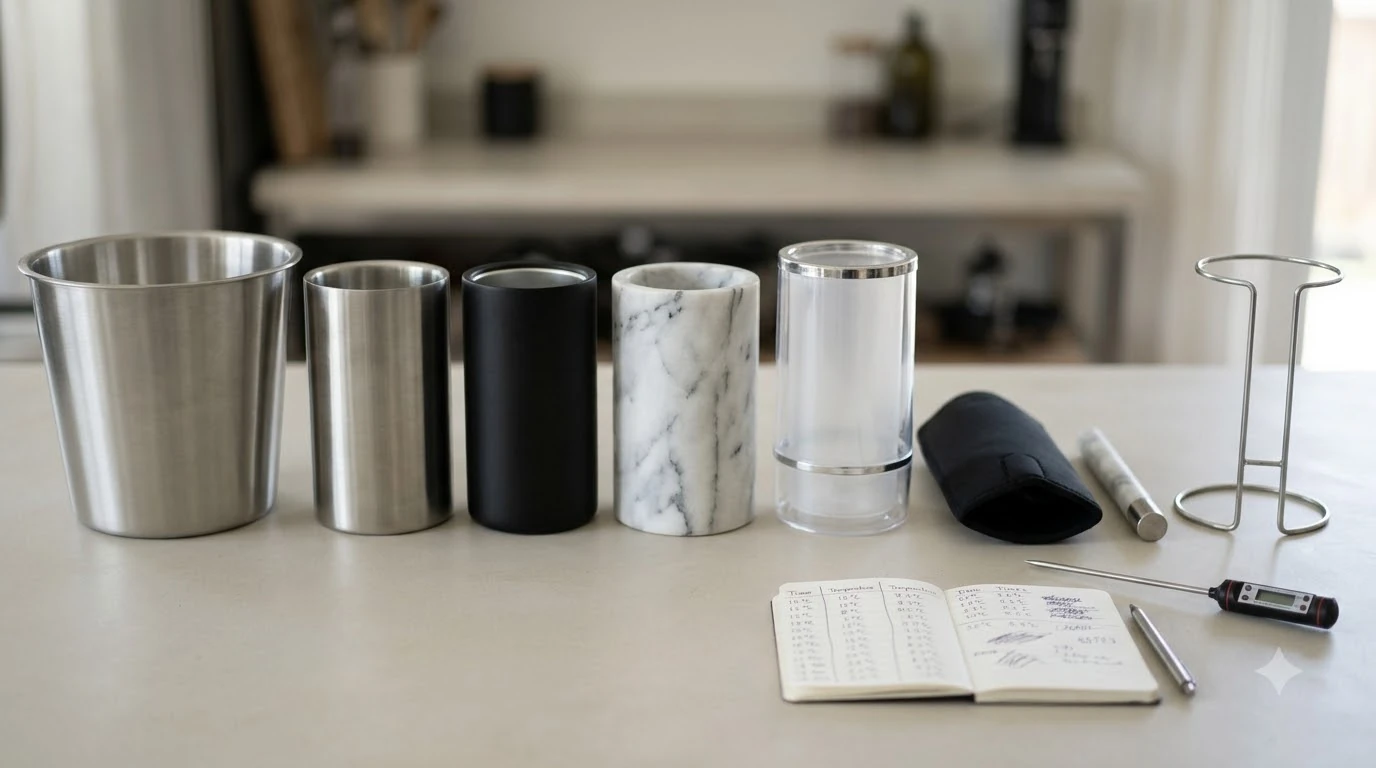
Skip this set if your main goal is to cool a bottle quickly. It is not a substitute for an electric wine chiller with active cooling, and it cannot take a warm bottle to serving temperature by itself. An instant wine chiller is a better category to investigate when speed is the priority; a marble wine chiller is a closer comparison when the goal is simply an attractive passive holder for a bottle that is already cold.
It is also the wrong fit for collectors who need stable storage. A serving accessory does not replace a wine refrigerator or cellar; bottles intended for longer storage are generally kept in a consistently cool environment near 55°F, away from heat and major temperature swings. Consider how often you will use the opener, too: households that mostly buy screw-cap wine or already own an electric corkscrew may not need the full set.
How It Compares to Alternatives
The most important comparison is Oster’s separate Quick Chill Wine Chiller, model FPSTBW8451. Despite the similar name, it is a different appliance: it uses water, ice and powered circulation around the bottle, has a 20-minute timer with automatic shutoff, and can be unplugged and carried to the table as an ice bucket after chilling. Oster’s manual recommends two trays of ice and cold tap water, filled to the marked level or the base of the bottle neck.
For a 77°F starting room, the Quick Chill chart lists 13 minutes for Pinot Grigio, Sauvignon Blanc, Riesling and White Zinfandel, and 7½ minutes for Merlot and Chianti. Those are guide figures for FPSTBW8451, not performance claims for the 4208 holder. If a listing simply says “Oster wine chiller,” confirm the model number before ordering. The two products have very different cooling methods despite their similar names.
For a serving accessory without an electric opener, a marble holder is a simpler alternative, but it does not remove corks. A dedicated electric wine chiller is more relevant for buyers who want active cooling; compare its bottle dimensions, cooling method, controls and whether it is designed for one serving bottle or several. Some systems use circulating chilled liquid or air, while others still need ice, so the word “electric” alone does not explain how quickly a room-temperature bottle will cool.
For the opener itself, Food & Wine tested 16 electric corkscrews and selected the Peugeot Elis Touch as its overall pick and the Zwilling Enfinigy for design. These are opener-focused alternatives, not replacements for the 4208’s stainless steel holder. Someone who already owns an ice bucket may get more value from choosing an opener alone; someone who wants a coordinated bundle may prefer the Oster. The products solve different jobs, so choose by the task that matters most rather than by the shared word “chiller.”
Frequently Asked Questions
These answers clarify model identification, cork compatibility, charging indicators, handling and operating conditions for the Oster 4208 set. They add details that are easy to miss when comparing product listings and older instruction documents.
Does the Oster 4207 include the stainless steel wine chiller?
No. Oster’s instruction manual identifies the wine chiller as exclusive to model 4208, while model 4207 is the electric wine opener without that accessory. When comparing a used set or a replacement listing, check the model number rather than relying on a product photo that may show both versions.
What should I do if a cork stays inside the opener?
Oster Consumer Care advises moving the cork back into the opener, then pressing the lower button so the mechanism can move it back out. Keep fingers away from the corkscrew mechanism while doing this, and contact the manufacturer if the cork remains trapped or the switch does not work correctly.
Does the charging light change color when the battery is full?
Oster’s support answer says the indicator at the top of the opener remains red and does not change color to signal different charging stages. Do not use a color change as the only test of battery condition; confirm charging by following the supplied base and manual instructions.
Can the Oster electric opener be used outdoors?
The 4208 manual specifies indoor use and says not to expose the opener or its charging unit to rain or extreme conditions. Keep the electrical components in a dry indoor area even when the stainless steel bottle holder is being used at a table or patio meal.
Does the Oster opener have user-serviceable parts?
No. The 4208 manual says the opener and charging unit contain no user-serviceable parts and advises against attempting to open either component. Electrical or mechanical problems should be referred to an authorized service provider rather than repaired by dismantling the unit.
The Oster 4208 is a useful opener-and-holder bundle for a household that will use both pieces, but its included cooler is passive rather than an active chiller. Confirm the exact model and warranty terms before buying, and choose the separate Quick Chill design or another dedicated cooling accessory when fast chilling is the real priority.
More in Wine Accessories
 Vinglace Wine Tumbler Review: A Glass-Lined Choice for Better SippingUpdated Nov 20, 2026
 ZWILLING Electric Wine Opener Review: Features and DrawbacksUpdated Nov 20, 2026
 Vinturi Electric Wine Opener Review for Easy UncorkingUpdated Nov 20, 2026
 Vinabon Wine Aerator Review for Easier, Cleaner Wine ServingUpdated Nov 20, 2026
 Vacu Vin Electric Wine Opener Review: Easy Cork Removal for Home Wine LoversUpdated Nov 20, 2026
 Rabbit Wine Accessories for Easier Home Wine ServiceUpdated Nov 20, 2026