

We may earn a commission when you buy through links on this page, at no extra cost to you. Learn more.
The best instant wine chiller depends on when you plan to drink: a stick-style chiller cools one open bottle at the table, a freezer sleeve suits a bottle you can prepare ahead, and a chilling stone or disc fits a small kitchen where space is tight. Speed matters less than how the tool contacts the bottle and how easily it stores between uses. The sections below group the main options by situation so you can match one to your habits.
Most people reach for a quick-cooling accessory when a bottle is still at room temperature and guests are about to arrive. Warm wine can taste flat and heavy, while wine that is too cold loses aroma, so the goal is a controlled drop rather than an icy bottle. This guide explains the main types of instant chillers, which situations each one suits, and what to check before you buy. If you prefer a single-purpose design, the related guides on marble wine chillers and electric wine chillers go deeper into those styles.
Quick Comparison
Comparing the main categories by method, speed, and storage makes the choice easier than comparing individual products. The table below groups the common options so you can see where each one fits.
| Chiller type | How it cools | Speed | Best setting | Main drawback |
|---|---|---|---|---|
| Stick or wand chiller | Chilled core placed inside the bottle | Fast | Open bottle at the table | Must be pre-chilled and needs a snug fit in the neck |
| Freezer sleeve | Gel-filled sleeve wrapped around the bottle | Moderate | Planned service and picnics | Requires freezer space and advance planning |
| Chilling stone or disc | Stone or metal disc chilled in the freezer | Slow, mostly keeps wine cool | Small kitchens and everyday serving | Does little to lower a warm bottle quickly |
| Ice-bucket chiller | Insulated bucket filled with ice and water | Moderate | Parties and outdoor serving | Bulky and dependent on ice |
Serving temperature is the reason these tools exist. Reference guidance on wine serving temperature groups styles into rough bands. Sweet and sparkling wines are generally served well chilled, around 6 to 10 °C, while light to medium whites sit a little warmer. Light reds are often served lightly chilled, and fuller reds are closer to room temperature. A good instant chiller should move a bottle toward the band for its style without pushing it below it, because colder temperatures bring out acidity and tannins and mute the aromatics, according to the serving temperature overview on Wikipedia.
Best for Fast Chilling Before Guests Arrive
This group suits a bottle that is still warm and needs to be ready within the hour. Tools in this category work by putting cold material directly against the wine, which transfers temperature faster than a wrap or a stone.
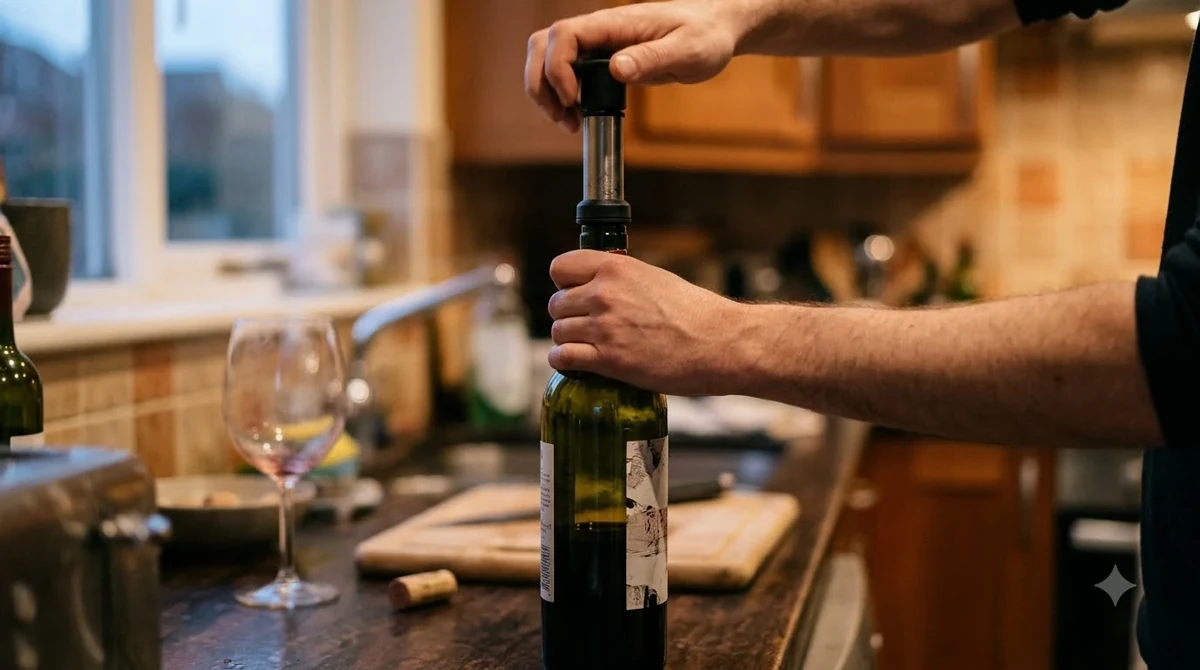
Why it stands out: A stick or wand chiller places a cold core inside the bottle, so the wine cools from the inside outward. It works well for a single bottle opened at the table and does not need the bottle to sit in a bucket.
Keep in mind: The core must be pre-chilled in the freezer before use, and the diameter has to suit the neck of your bottle. A loose fit reduces contact and slows the process.
Best for: hosts who open a bottle close to serving time and want it poured within minutes.
Best for Bottles You Plan to Serve Later
Freezer sleeves reward planning. A gel-filled sleeve that has been kept frozen wraps around the bottle and draws heat away steadily, which gives you more control over the final temperature.
Why it stands out: The cooling is gradual, so it is easier to stop before the wine gets too cold. The sleeve also keeps the bottle cool for a while after you take it off, which helps if the meal runs long.
Keep in mind: The sleeve has to be in the freezer ahead of time, and it takes up a fixed amount of freezer space. Leaving the bottle in the freezer itself is a common mistake, because it is easy to forget and can freeze the wine.
Best for: wine you know you will serve tonight and that you can start chilling in the afternoon.
Best for Picnics and Outdoor Serving
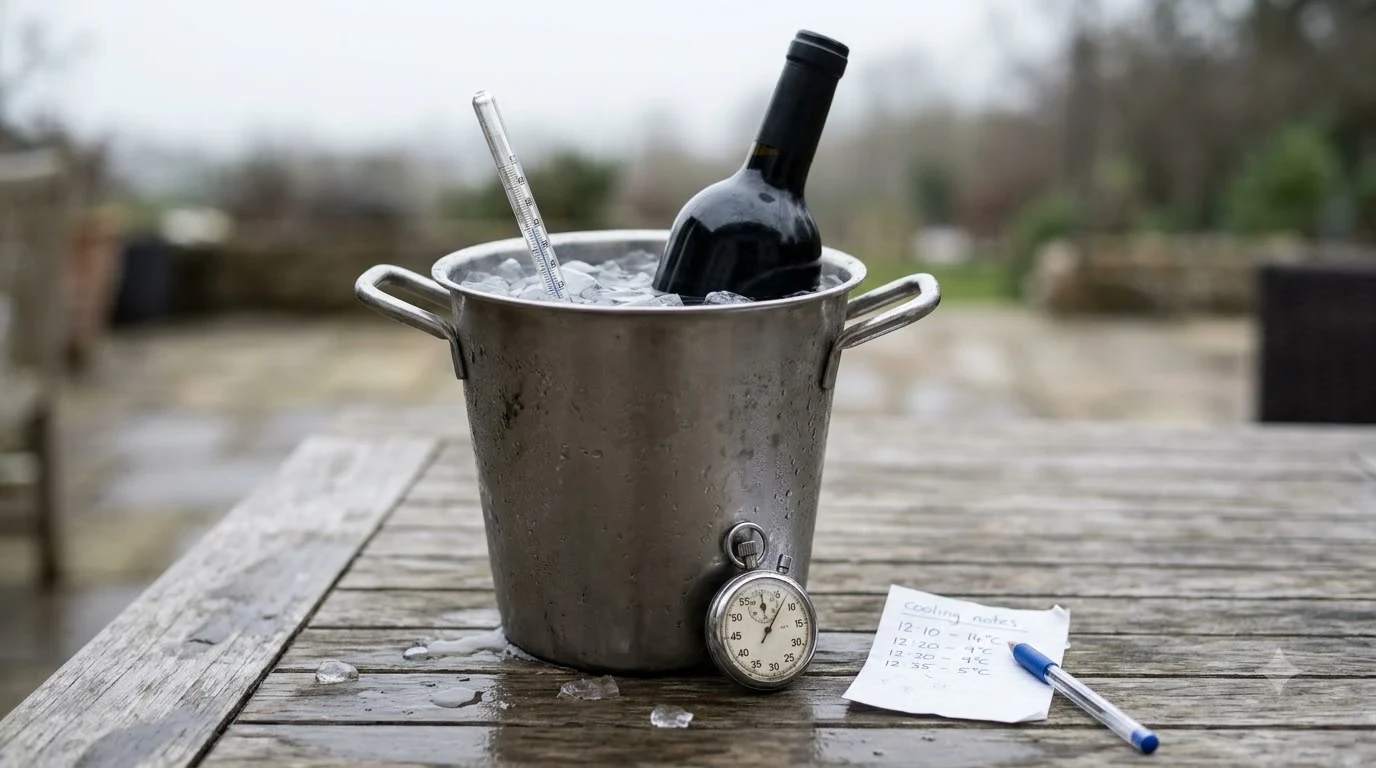
Outdoor serving changes the math because the bottle warms up quickly in the sun. Insulated options and ice-based chillers are built to hold a cool temperature for longer than a sleeve alone.
Why it stands out: An insulated bucket or cooler sleeve keeps several bottles cold at once and holds the temperature through a long afternoon. It is practical when you are serving a group rather than one bottle.
Keep in mind: Ice-based setups are bulky and need a steady supply of ice. Keep the bottles out of direct sunlight and store the rest of the wine in a shaded cooler, not in a hot car.
Best for: garden gatherings, beach days, and any setting where the bottle would otherwise sit in the heat.
Best for Sparkling Wine and Champagne
Sparkling wine is the style most often served well chilled, and it benefits from a tool that brings the bottle down evenly. The bubbles hold up better at a cooler temperature, so the chiller should be able to reach that band without a long wait.
Why it stands out: A chiller that fits the bottle closely keeps the whole bottle at a steady temperature, which matters for sparkling wine because pouring a bottle that is only cold on one side can give uneven results.
Keep in mind: Sparkling bottles are heavier and the shape varies, so check the fit for the bottle type you buy most often. Keep a stick core or sleeve in the freezer so it is ready when a celebration starts.
Best for: anyone who keeps sparkling wine on hand for weekend gatherings or holidays.
Best for Small Kitchens and Apartments
When storage space is the main limit, a compact chilling stone or disc keeps wine cool without a bulky bucket or a separate appliance. These tools are slower, so they suit wine that is already close to its target temperature.
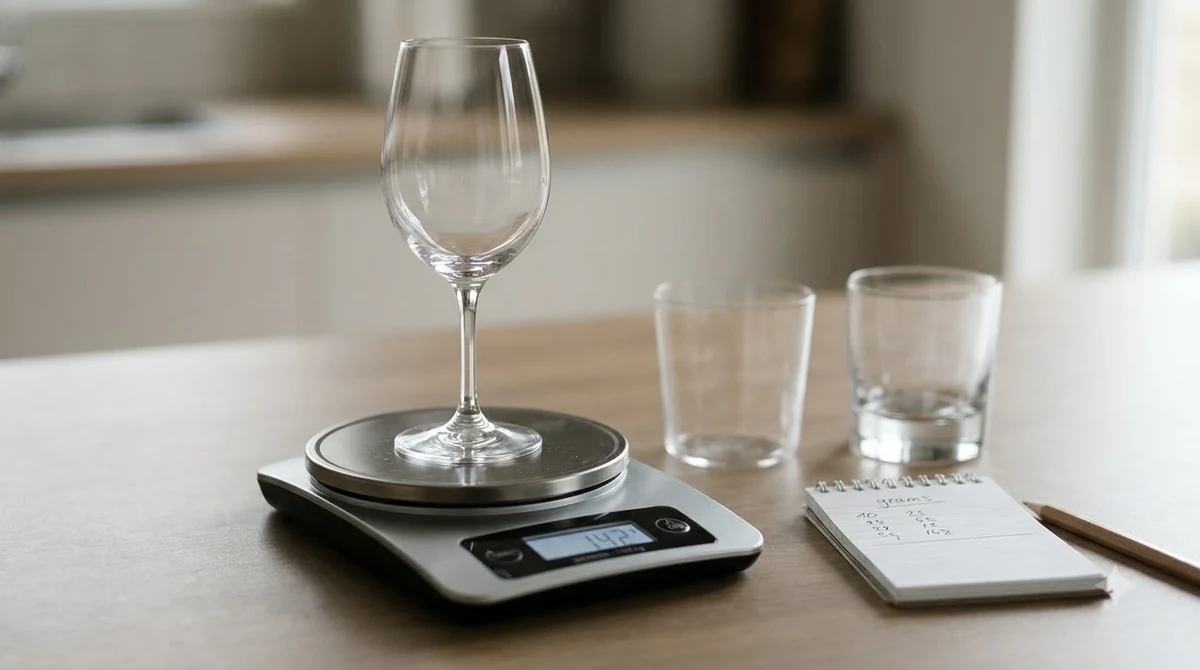
Why it stands out: A stone or disc stores flat in a freezer drawer or cupboard and can be placed in a glass or bottle wrap when needed. It is simple to clean and has no moving parts.
Keep in mind: It will not bring a warm bottle down quickly. Use it to hold a temperature you have already reached, and plan around a longer wait if the bottle started warm.
Best for: apartment dwellers and anyone who wants a low-effort option for everyday glasses of wine.
How to Choose
The right instant chiller comes down to four questions: how soon you need the wine, how much storage you have, how many bottles you serve at once, and what style you drink most often. Use the list below as a quick filter before comparing specific products.
- Timing: Choose a stick chiller for a bottle you open at short notice, and a freezer sleeve when you can plan the afternoon ahead.
- Fit: Measure the neck or check the bottle shape. A snug fit matters more than extra features.
- Storage: Consider where the tool lives in the freezer. Flat stones and sleeves fit easily, while buckets need cupboard space and ice.
- Wine style: Sparkling and sweet wines benefit most from a quick chill. Fuller reds need only a light touch, so a gentle tool is enough.
For a wider view of accessories that pair with these tools, the Accessories Library groups related gear by use. If you are unsure how much wine a bottle covers for your group, how many glasses are in a bottle of wine gives a quick reference for planning.
Frequently Asked Questions
Can an instant wine chiller make wine too cold?
Yes. Colder temperatures make wine taste more acidic and tannic and reduce its aroma. Most tools are easy to stop early, so check the bottle by touch and take it out once it reaches the style’s target range.
Is a freezer sleeve better than putting wine in the freezer?
For most people, yes. A sleeve cools the bottle gradually and does not risk freezing the wine. Leaving a bottle directly in the freezer is easy to forget, and the liquid can expand or freeze if left too long.
Do I need to pre-chill the tool?
For stick chillers and freezer sleeves, yes. Their cooling depends on the material being cold before it touches the bottle. Keep them in the freezer so they are ready when you need them.
Which wines suit an instant chiller best?
Sparkling wines, sweet wines, and light to medium whites benefit most, because they are served well chilled. Light reds need only a brief chill, and fuller reds are usually served close to room temperature, so a gentle approach works better for them.
An instant chiller is a practical tool for everyday serving and last-minute plans alike. Start with the timing question, check the fit with your usual bottles, and choose the style that matches how you entertain. Browse the Accessories Library to compare related options before you buy.
More in Wine Accessories
 Coravin Vs Vacu Vin: Choose the Right Wine Saver for Your BottlesUpdated Nov 21, 2026
 Zwilling Wine Stopper Review: Preserve Open Bottles LongerUpdated Nov 21, 2026
 Wine Enthusiast Wine Preserver Review: Features, Benefits and LimitationsUpdated Nov 21, 2026
 Wine Enthusiast Wine Stopper: An Easier Way to Reseal Open BottlesUpdated Nov 21, 2026
 Vintorio Wine Opener: Two-Step Cork RemovalUpdated Nov 21, 2026
 Zwilling Wine Aerator Review: Aerate, Pour, and Seal With One ToolUpdated Nov 21, 2026