

We may earn a commission when you buy through links on this page, at no extra cost to you. Learn more.
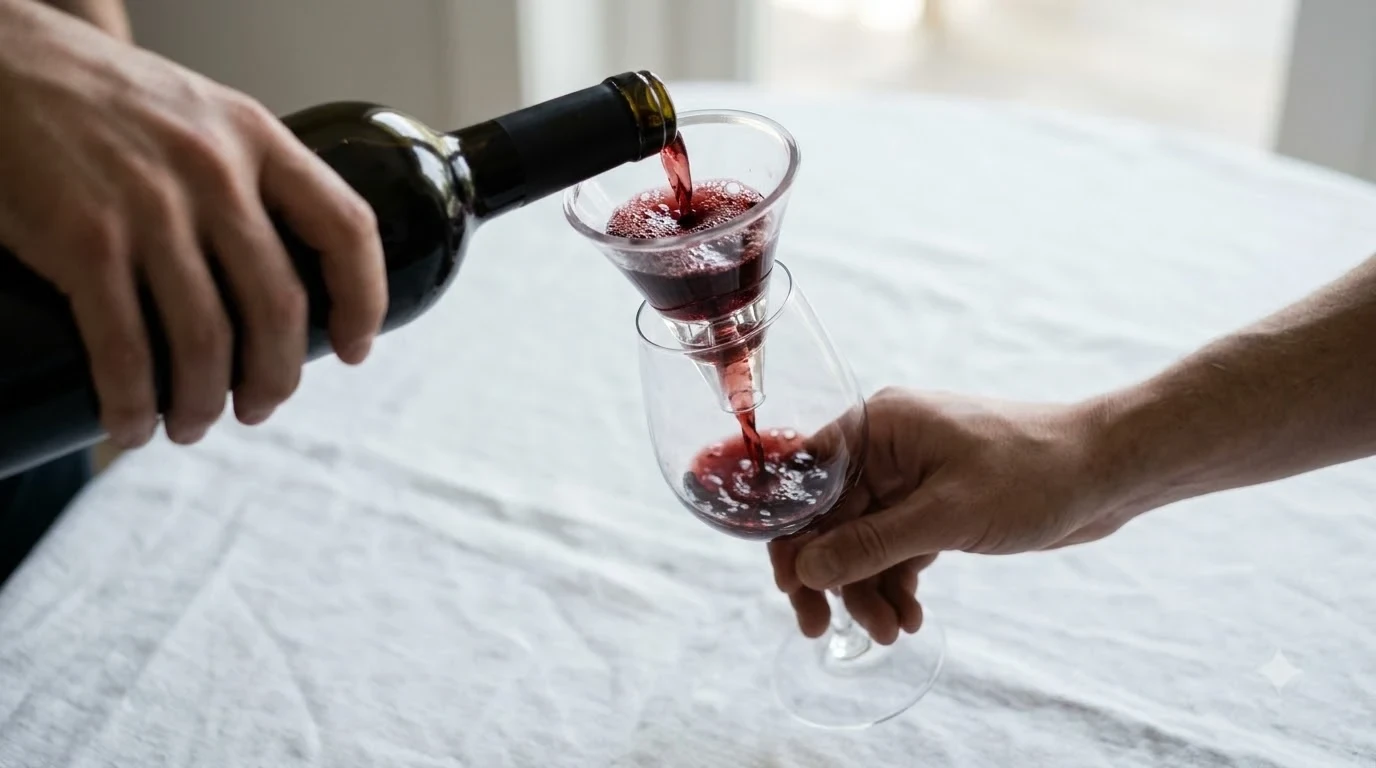
The zwilling wine aerator is a convenient three-in-one wine accessory that aerates wine as it pours, controls the flow into your glass, and doubles as a bottle stopper. The ZWILLING Sommelier All-in-One Wine Aerator, Pourer & Stopper uses an integrated spiral system to introduce air during pouring rather than requiring a separate decanter. Its 18/10 stainless steel construction and compact design make it appealing for regular wine drinkers, although hand-washing requirements and some reported durability concerns deserve consideration before buying.
A good wine accessory should make serving easier without adding unnecessary steps. The ZWILLING Sommelier aerator takes that approach by combining three functions in one attachment: aeration, pouring, and bottle closure. Instead of transferring wine into another vessel and cleaning a separate stopper afterward, users can pour directly from the original bottle and close it with the same accessory. The design is particularly interesting for households that open wine regularly but do not necessarily finish every bottle in one sitting. However, the distinction between quick pour-through aeration and the longer oxygen exposure provided by a traditional decanter matters. This review examines the construction, practical performance, owner feedback, limitations, and alternatives to help determine whether the accessory belongs in a home wine setup.
Specs and Key Features
The ZWILLING Sommelier All-in-One Wine Aerator combines a spiral aeration mechanism with a controlled pouring attachment and integrated stopper. Its stainless steel construction gives it a polished, coordinated appearance that fits naturally alongside other wine-serving accessories.
ZWILLING identifies the accessory by item number 39500-050. Its central feature is an internal spiral system that exposes flowing wine to air as it travels through the attachment. This design eliminates the need to pour an entire bottle into a separate decanter before serving. The company describes the intended result as helping wine’s flavor nuances develop during the pouring process.
| Specification | Manufacturer-listed detail |
|---|---|
| Brand | ZWILLING |
| Collection | Sommelier |
| Product name | All-in-One Wine Aerator, Pourer & Stopper |
| Item number | 39500-050 |
| Material | 18/10 stainless steel |
| Color | Silver |
| Surface finish | Matte |
| Length | 5.12 inches |
| Width | 3.15 inches |
| Height | 1.65 inches |
| Net weight | 0.26 pounds |
| Country of origin | China |
| Primary functions | Aerating, pouring, and stopping |
| Cleaning | Rinse under running water; not dishwasher safe |
The 18/10 stainless steel designation refers to the proportions of chromium and nickel in the specified stainless steel alloy. Chromium contributes corrosion resistance, while nickel helps support the material’s durability and finish. These properties make stainless steel a sensible choice for a wine accessory that comes into frequent contact with liquid and needs regular cleaning. However, the manufacturer’s material specification should not be interpreted as confirmation that every internal component is stainless steel. The product should be assessed as a complete assembly rather than assumed to be an entirely metal mechanism.
The integrated stopper is an important part of the design. Many pour-through aerators serve only one purpose, leaving users to find another closure when the bottle is partially consumed. ZWILLING incorporates a stopper into this accessory, allowing the same attachment to remain useful after the first pour. That combination reduces the number of individual pieces needed on a serving tray or countertop.
One specification deserves particular attention: the product’s listed dimensions are 5.12 by 3.15 by 1.65 inches. Those measurements provide a useful indication of its overall footprint, but they do not mean the aerator needs that much free space above every bottle. The accessory sits on the bottle opening, so the practical consideration is having enough clearance to attach it, remove it, and pour without striking nearby glasses or shelves.
For the complete product description and specifications, consult the official ZWILLING Sommelier product page. It is the most useful source for confirming the product identity and manufacturer-listed construction details.
What Owners Like
Positive owner feedback centers on convenience, serving control, and the ability to close an unfinished bottle without changing accessories. The combined functions are the product’s clearest advantage, especially for people who regularly pour one or two glasses at a time.
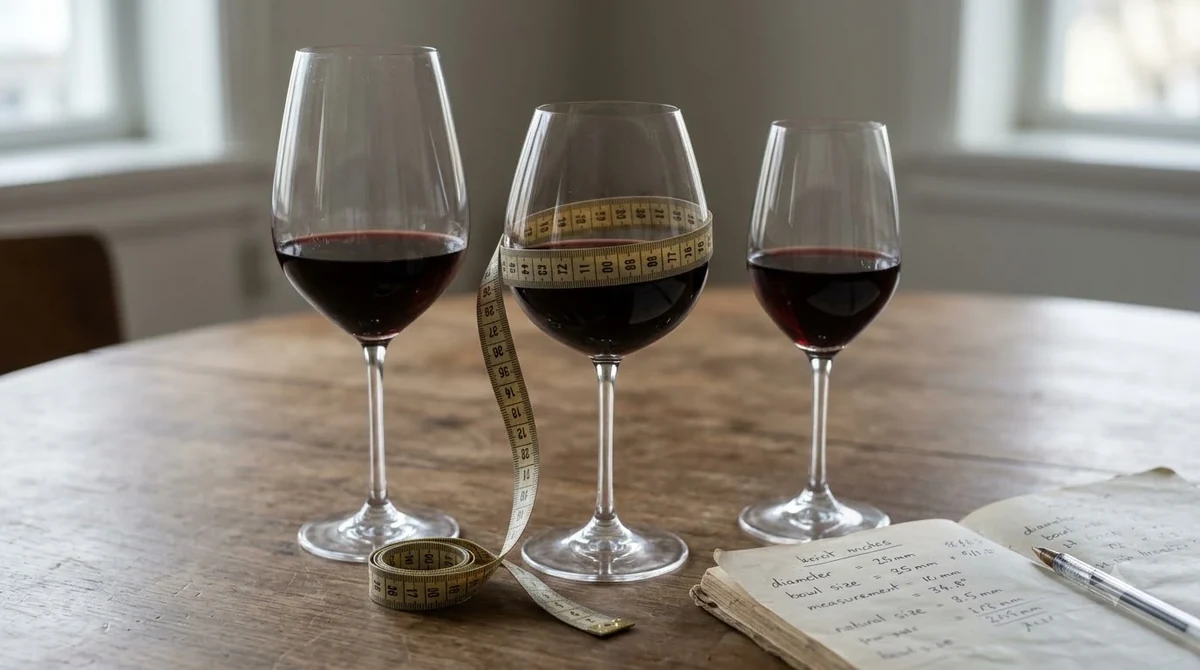
One of the more useful features is the integrated spiral system. Traditional wine pouring simply transfers liquid from the bottle to the glass, whereas this attachment directs the wine through an internal mechanism intended to increase its exposure to air. This can make a difference in the serving experience, particularly with some young red wines that benefit from oxygen contact before drinking.
Customer feedback published by Bloomingdale’s includes positive comments about the aeration experience and the quality of the bottle seal. One reviewer described receiving the accessory as a housewarming gift and appreciated both its pouring performance and its ability to close the bottle afterward. Another reviewer reported that the wine seemed fuller-bodied after using the accessory. These accounts are individual experiences rather than controlled comparisons, but they illustrate why the combined design appeals to home wine drinkers.
The stopper function is especially practical. A household might open a bottle of Cabernet Sauvignon with dinner, pour two glasses, and save the remaining wine for the following evening. Having the stopper incorporated into the aerator removes the need to search for a separate closure. It also makes the accessory useful beyond the initial serving.
Pouring control is another advantage. ZWILLING’s instruction manual describes the accessory as allowing controlled, dripless pouring. A well-designed pourer can reduce wine running down the outside of the bottle and collecting on a tablecloth. This matters when serving several guests, especially when a bottle is being passed around a dining table.
The understated silver appearance also suits a range of home entertaining styles. The matte finish can complement stainless steel wine tools, modern glassware, and other neutral bar accessories. Rather than looking like a specialized gadget that needs to be stored separately, the accessory can remain with the rest of a wine-serving collection.
For people assembling a coordinated serving area, the product can sit alongside a bar cart setup without requiring additional countertop equipment. Its three-in-one design also makes it a practical gift candidate for someone who enjoys wine but already owns the basic corkscrew and glassware.
Common Complaints
The main concerns involve construction reliability, the possibility of an unpleasant odor or taste, and the limitations of quick aeration. Although positive customer feedback exists, the negative reports are specific enough to deserve consideration before purchasing.
One Bloomingdale’s reviewer reported that the metal collar separated from the aerator after the plastic component cracked during handling. The customer described the collar as lightweight and said the product failed after only a small number of uses. This is a particularly relevant complaint because the attachment must be handled repeatedly when moving it between pouring and stopper positions.
Another reviewer reported an unpleasant chemical taste in wine even after cleaning, brushing, and soaking the accessory overnight. The customer attributed the problem to the product, and ZWILLING responded by apologizing and explaining that the reported experience was not common. This single report does not establish a widespread manufacturing problem, but it should not be ignored when evaluating an accessory designed to contact wine directly.
These reports also highlight the difference between a premium-looking exterior and dependable assembly. Stainless steel is an attractive material for wine tools, but the overall experience depends on the quality of the internal mechanism, connections, and sealing components. Buyers should not assume that the 18/10 stainless steel specification means every part is metal or that the assembly cannot be damaged by excessive twisting.
Another potential disappointment concerns aeration expectations. The product aerates wine while pouring, but it does not provide the same amount of air exposure as leaving wine in a wide-bottomed decanter for an extended period. A pour-through accessory is designed for convenience, not necessarily for replacing every traditional decanting technique.
For example, a young, concentrated Cabernet Sauvignon may benefit from 30 to 60 minutes of decanting. Passing it through a small aerator immediately before serving is a different process. The wine may receive additional oxygen contact, but the accessory cannot guarantee the same development that comes from a longer resting period.
Cleaning can also feel less convenient than expected. The manual recommends rinsing the accessory under running water and specifically warns against dishwasher cleaning. Owners who prefer to put every kitchen accessory through a dishwasher may find this requirement inconvenient.
Overall, the negative feedback does not prove that every unit has a reliability issue. It does, however, suggest that careful handling and thorough initial rinsing are sensible precautions. Buyers who prioritize long-term mechanical simplicity may prefer a traditional glass decanter and a separate, uncomplicated bottle stopper.
Who Should Buy and Who Should Skip
The ZWILLING Sommelier aerator is best suited to regular wine drinkers who value convenient serving and want one accessory to perform several jobs. It is less suitable for people whose main priority is extended wine aeration or completely dishwasher-friendly maintenance.
Consider the accessory if you frequently open wine for small gatherings or weekday dinners. Its combined design means that you can attach it to an opened bottle, pour into individual glasses, and close the remaining wine without changing equipment. This arrangement is particularly useful when the bottle is not expected to be finished during one meal.
It also makes sense for someone building a compact wine accessory collection. A separate aerator, pourer, and stopper occupy additional storage space. Combining these functions reduces clutter and makes it easier to organize a serving station. The product can complement a collection of corkscrews, wine glasses, bottle openers, and other serving tools.
People who regularly serve young red wines may appreciate the added aeration step. Cabernet Sauvignon, Syrah, and some young Merlot wines can benefit from oxygen exposure, although the degree of improvement depends on the particular bottle. The accessory gives users a convenient way to introduce air during serving rather than waiting for a full decanting period.
On the other hand, serious collectors who regularly decant older wines should consider whether a pour-through mechanism meets their needs. Older wines sometimes require careful handling to separate sediment, while some young reds benefit from a longer period of aeration. A traditional decanter offers greater flexibility for both situations.
People who prefer minimal maintenance should also think carefully. The manual calls for rinsing rather than dishwasher cleaning. If hand-washing small accessories is already an inconvenience, a simpler glass pourer may be more suitable.
Buyers who are especially concerned about the reported construction complaints should inspect the accessory carefully when it arrives. Pay attention to the connection between the metal components and the aeration mechanism. Avoid forcing the stopper into the bottle or using excessive twisting pressure when removing it.
Tip: Before serving an important bottle, rinse the aerator thoroughly under running water, allow it to drain, and pour a small amount of wine through it. This gives you an opportunity to check for unwanted odors, unusual tastes, and any obstruction in the pouring mechanism before serving guests.
The strongest potential buyer is someone who sees the aerator as a convenient serving tool rather than a replacement for every other wine accessory. If the combination of aeration, pouring, and stopping is genuinely useful in your routine, the design has a clear purpose. If you rarely use a stopper or prefer to decant wine separately, the additional functions may not justify choosing this particular accessory.
How It Compares to Alternatives
The most useful comparison is between the ZWILLING pour-through design, a traditional decanter, and a basic wine pourer. Each approach addresses a different serving need, so the right choice depends on whether convenience, longer aeration, or straightforward pouring matters most.
A traditional decanter offers more control over the wine’s contact with oxygen. Its wider surface area exposes a larger volume of wine to air, and its open shape makes it easier to observe color, clarity, and sediment. This is particularly valuable for a structured red wine that needs additional time to open up before serving.
The trade-off is that a traditional decanter requires another vessel, more storage space, and cleaning after use. A user serving a single glass from a bottle may not want to transfer the entire remaining contents into another container. The ZWILLING accessory avoids that step by aerating during individual pours.
A basic wine pourer has an even simpler purpose. It helps direct wine into a glass and may reduce dripping, but it does not necessarily include an aeration system or an integrated stopper. This makes a simple pourer appropriate for someone who wants controlled serving without additional mechanisms.
Another option is a dedicated wine aerator that attaches to the bottle or sits between the bottle and glass. Some designs use internal channels or air-intake systems to mix wine with air during pouring. These products focus primarily on aeration and may not include a bottle-sealing feature.
The distinction is important because more aeration is not automatically better for every wine. Delicate older Pinot Noir, for instance, can respond differently from a young, tannic Cabernet Sauvignon. The former may need careful handling, while the latter can benefit from additional oxygen exposure. Wine style and age should influence the serving method.
For people who want the combined approach of an aerator and a separate vessel, a decanter with aerator offers another way to combine wine presentation and oxygen exposure. Such a setup is more suitable for serving a full bottle at once, whereas the ZWILLING accessory is designed around individual pours directly from the bottle.
The ZWILLING product’s strongest point is therefore not that it replaces every alternative. It combines several convenient functions in one compact accessory. A decanter is better for longer aeration and sediment management, while a simple pourer may be preferable for people who want fewer components and less cleaning.
There is also a practical difference in how each accessory fits into a serving routine. A traditional decanter is prepared before the meal and often remains on the table. A pour-through aerator stays attached to the bottle and travels with it as guests refill their glasses. For casual dinners, that difference can matter more than the theoretical aeration advantage of either design.
Buyers should also consider the type of wine they drink most frequently. Someone who primarily enjoys young Bordeaux-style blends may appreciate having a decanter available for longer aeration. Someone who alternates between Sauvignon Blanc, Pinot Noir, and everyday red blends may value a versatile accessory that can be used whenever a bottle is opened.
Care, Cleaning, and Everyday Use
Proper cleaning is especially important for a wine accessory because residual wine can dry inside small passages and affect the aroma or taste of later pours. ZWILLING’s instructions recommend rinsing the aerator and stopper under running water rather than using a dishwasher.
The simplest approach is to rinse the accessory immediately after use. Running water helps remove fresh wine residue before it dries inside the spiral system. Allow the water to pass through the mechanism rather than cleaning only the exterior surface.
After rinsing, let the accessory drain thoroughly. Any moisture remaining inside a narrow passage should be allowed to escape before storage. A clean, dry storage location helps prevent water spots and reduces the chance of unwanted odors developing between uses.
Because the manufacturer specifically states that the accessory is not dishwasher safe, avoid placing it in a heated dishwasher cycle. High temperatures, detergents, and mechanical movement can be unsuitable for assemblies containing multiple connected components. Hand rinsing is the manufacturer’s recommended approach.
During normal use, place the accessory securely on the open wine bottle. Keep the bottle upright while attaching it, then pour with a steady motion. Avoid gripping the metal collar and applying unnecessary twisting force. The aim is to maintain a secure fit without putting excessive stress on the connection between the components.
When using the integrated stopper, make sure the bottle opening is clean and free from broken cork fragments. Insert the stopper carefully and avoid forcing it into an opening that does not accept it comfortably. If the attachment feels unusually loose or difficult to remove, inspect the fit before continuing.
For wine storage, remember that the integrated stopper is a closure, not a vacuum preservation system. It helps close the bottle, but it does not remove the oxygen already present in the remaining wine. Refrigerating opened white and red wines can help slow oxidation. Most opened still wines are best consumed within approximately 3 to 5 days, depending on the wine and storage conditions.
The accessory also should not be confused with a dedicated vacuum pump. A vacuum wine preservation system removes some air from the bottle before sealing it. The ZWILLING aerator does not perform that function. Its main purpose is to introduce air during pouring and then provide a convenient closure afterward.
For people who regularly save unfinished bottles, understanding that distinction helps set realistic expectations. The stopper is convenient for short-term storage, but it does not preserve wine indefinitely or prevent all changes in aroma and flavor.
These maintenance steps are straightforward, but they are part of the ownership experience. Anyone considering this product should be comfortable with hand rinsing, careful handling, and checking the mechanism periodically rather than treating it like an ordinary dishwasher-safe kitchen utensil.
Frequently Asked Questions
Does the ZWILLING wine aerator work with sparkling wine?
The manufacturer describes the accessory for wine pouring and aeration but does not specifically establish it as a sparkling wine tool. Because sparkling wines contain dissolved carbon dioxide, additional agitation and air exposure can affect their bubbles. A standard sparkling wine stopper designed to preserve carbonation is a more appropriate choice for unfinished Champagne, Cava, or Prosecco.
Can the ZWILLING wine aerator remove sediment from older wine?
The integrated spiral system is designed for aeration during pouring, not sediment filtration. Older red wines can develop deposits as they age, particularly when stored for extended periods. A traditional decanting process using careful pouring and a suitable light source provides better control when separating clear wine from sediment.
Does the integrated stopper create a vacuum inside the bottle?
No. The integrated stopper closes the bottle opening but does not actively extract oxygen from the remaining wine. A vacuum pump is a separate type of preservation accessory that removes some air before the bottle is sealed.
Can the aerator be used with screw-cap wine bottles?
The manufacturer’s product description does not provide a specific compatibility list for screw-cap bottle designs. The important consideration is the bottle opening and whether the accessory can sit securely without being forced. A screw-cap bottle with a different neck configuration may not provide the same fit as a conventional cork-finished wine bottle.
Is the ZWILLING Sommelier aerator suitable for white wine?
It can be used as a pouring accessory for still white wine, although the benefit of additional aeration depends on the wine’s style. Aromatic Sauvignon Blanc and Riesling are often enjoyed for their fresh, expressive aromas, while some fuller Chardonnay wines can benefit from additional air contact. Serving temperature remains important, with light whites generally served around 45 to 50 degrees Fahrenheit and fuller whites around 50 to 55 degrees Fahrenheit.
The ZWILLING Sommelier All-in-One Wine Aerator, Pourer & Stopper is an appealing choice for wine drinkers who value a compact accessory that combines three useful serving functions. Its integrated spiral mechanism, stainless steel construction, and built-in stopper make everyday pouring convenient, although the hand-wash requirement and reported construction concerns should factor into the decision. For casual entertaining and individual glasses, it offers a practical alternative to setting up a separate decanter; for extended aeration and sediment management, a traditional decanter remains the more versatile tool.
More in Wine Accessories
 Coravin Vs Vacu Vin: Choose the Right Wine Saver for Your BottlesUpdated Nov 21, 2026
 Zwilling Wine Stopper Review: Preserve Open Bottles LongerUpdated Nov 21, 2026
 Wine Enthusiast Wine Preserver Review: Features, Benefits and LimitationsUpdated Nov 21, 2026
 Wine Enthusiast Wine Stopper: An Easier Way to Reseal Open BottlesUpdated Nov 21, 2026
 Vintorio Wine Opener: Two-Step Cork RemovalUpdated Nov 21, 2026
 Zazzol Wine Opener Review: Features, Comfort, and Buying AdviceUpdated Nov 21, 2026