

We may earn a commission when you buy through links on this page, at no extra cost to you. Learn more.
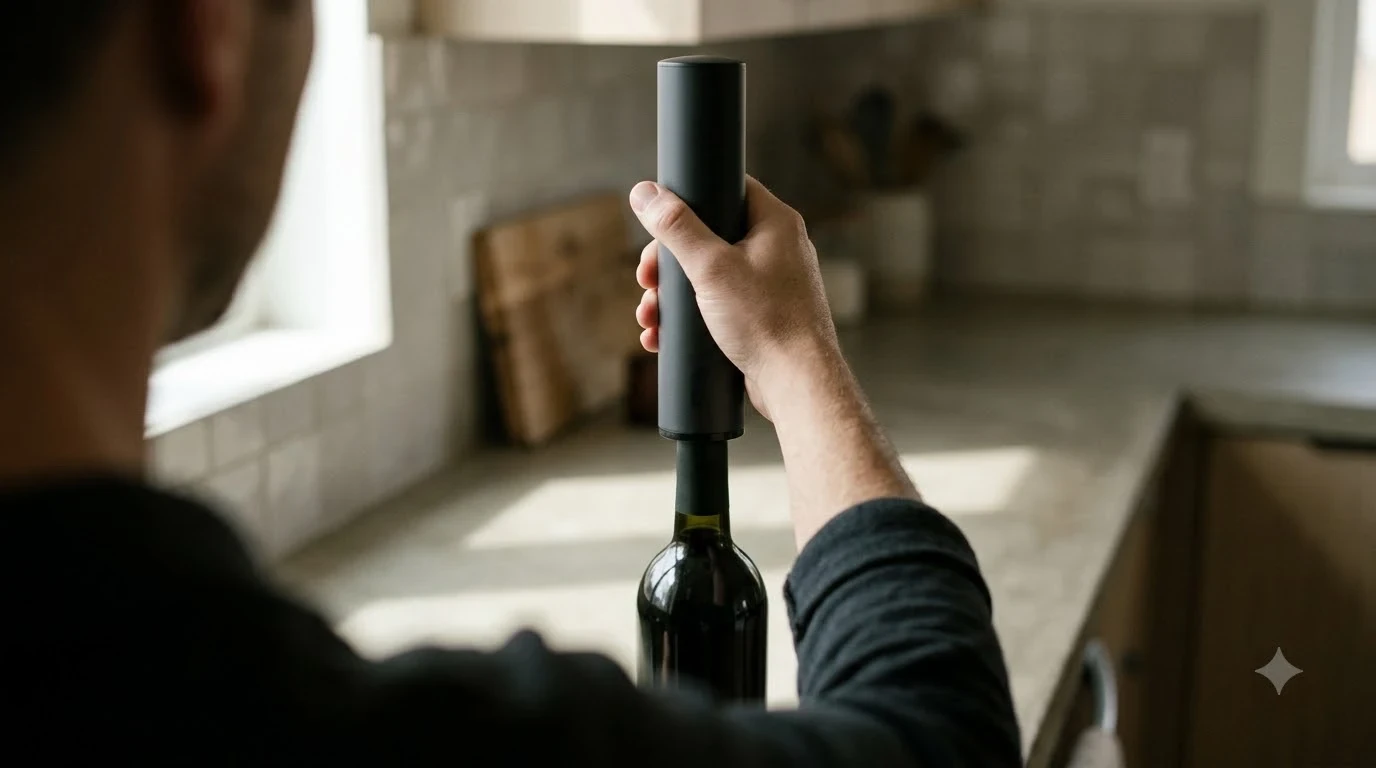
The zazzol wine opener is a manual wine-opening accessory designed around an ergonomic handle and a Teflon-coated screw for easier cork removal. Its appeal is a combination of practical construction and an attractive presentation rather than electric operation or complicated controls. Zazzol publishes limited technical information about the opener, so buyers should consider its documented features, available owner feedback, and the specifications that remain unconfirmed before purchasing.
A good wine opener should make opening a bottle straightforward, protect the cork as much as possible, and feel comfortable during repeated use. The Zazzol offering has an interesting combination of features, particularly its coated screw and ergonomic handle. However, evaluating an accessory responsibly means distinguishing manufacturer specifications from marketing descriptions and customer impressions. This review examines what is actually documented, what prospective buyers should investigate, and how the opener fits into a practical home wine setup.
Specs and Key Features
The Zazzol wine opener is presented as a manual cork-removal tool with two specifically advertised design features: an ergonomic handle and a Teflon-coated screw. These details suggest a product focused on comfortable handling and reduced friction during cork extraction, although the manufacturer does not publish enough technical specifications to establish its exact performance.
| Specification | Available information |
|---|---|
| Product name | Zazzol Premium Wine Opener |
| Product category | Manual wine opener |
| Handle design | Ergonomic handle |
| Screw coating | Teflon-coated |
| Primary purpose | Wine cork removal |
| Operating method | Manual |
| Battery requirement | Not applicable to the advertised manual design |
| Dimensions | Not publicly specified |
| Weight | Not publicly specified |
| Handle material | Not publicly specified |
| Included accessories | Not sufficiently documented |
| Warranty | Individual product terms require confirmation |
The ergonomic handle is an important consideration because the handle determines how comfortably a person can grip and turn the opener. A design that fits naturally in the hand can make it easier to maintain alignment with the bottle neck. This matters particularly when opening several bottles during a dinner party or family gathering. However, the word ergonomic alone does not establish the handle’s circumference, material, grip texture, or suitability for different hand sizes.
The second advertised feature is the Teflon-coated screw. Teflon is commonly associated with low-friction surfaces, making the coating a potentially useful design choice for a component that enters and travels through a cork. A properly centered screw is important because excessive sideways movement can damage the cork or make extraction more difficult. Zazzol does not publish detailed information about the screw’s diameter, length, spiral geometry, or coating durability, so those characteristics should not be assumed.
There is also an important distinction between the Zazzol opener and the brand’s wine aerator. The aerator is a separate accessory intended to introduce air into wine during pouring. The opener performs the mechanical task of removing a cork. Neither product replaces the function of the other, and buyers interested in both should evaluate them as separate purchases.
The manufacturer’s product page is the most direct reference for the documented design features. Its description can be found at Zazzol’s official website. The lack of published measurements and detailed operating instructions makes it sensible to confirm the current product listing before ordering.
What Owners Like
The available owner feedback emphasizes appearance, perceived construction quality, and ease of handling. These are encouraging qualities for a manual wine accessory, although the comments displayed on the manufacturer’s website should be treated as customer impressions rather than independent performance testing.
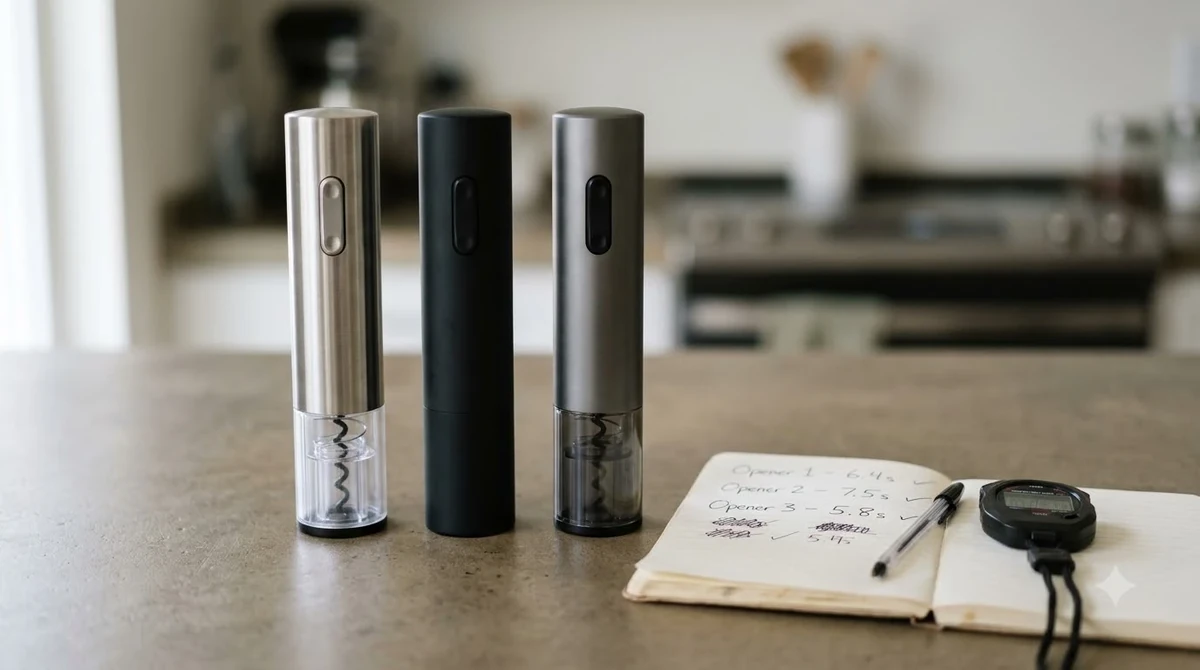
One customer comment on Zazzol’s website describes the opener as attractive and well-made, with a solid impression when held. Another reviewer places particular emphasis on its appearance and presentation, describing it as an appealing gift. Together, these comments suggest that visual design is part of the product’s intended appeal rather than an incidental detail.
Appearance can matter more than expected with wine accessories. A corkscrew that lives in a kitchen drawer serves a straightforward functional purpose, but one displayed on a serving counter or home bar also contributes to the room’s presentation. An attractive opener can fit naturally alongside glassware, decanters, wine stoppers, and other serving equipment.
The reported ease of use is another positive point. A customer comment describes the opener as easier to operate than other wine openers the reviewer had encountered. That impression is consistent with the manufacturer’s emphasis on an ergonomic handle and coated screw. Still, the available comments do not provide controlled comparisons or measurable information about extraction force.
Why the handle matters
Manual corkscrews require the user to maintain a secure grip while applying rotational force. A handle that is too narrow can concentrate pressure in a small area of the palm, while one that is too large can be difficult to control. A comfortable shape helps maintain a steady position throughout the opening process.
The Zazzol description identifies an ergonomic handle but does not provide a dimensioned drawing or measurements. Buyers with particularly small or large hands should therefore look for photographs that show the handle in relation to a standard wine bottle. A clear product image can help establish whether the proportions appear appropriate.
Why presentation can influence the decision
Wine openers are frequently given as housewarming, birthday, wedding, and holiday gifts. An accessory with an attractive appearance can make a more memorable presentation than a purely utilitarian tool. The Zazzol customer feedback specifically highlights this aspect, making appearance one of the stronger documented reasons to consider the product.
For a gift, presentation should still come after practical suitability. A beautiful opener that does not work comfortably for its intended recipient is less useful than a simpler model that fits the hand and opens bottles reliably. Check the current packaging details rather than assuming that an earlier customer experience describes every current purchase.
Common Complaints and Missing Information
The most significant limitation in evaluating the Zazzol wine opener is the shortage of independently verifiable product information. The manufacturer advertises two useful design features, but several specifications that normally help buyers compare corkscrews are not clearly published.
First, there is no sufficiently detailed public specification for the opener’s overall dimensions or weight. These measurements influence portability, storage, and handling. A compact opener may be convenient for a small kitchen drawer, while a larger handle may offer a more substantial grip. Without measurements, comparing its physical proportions with competing manual corkscrews is difficult.
Second, the precise opening mechanism deserves attention. The product description identifies a coated screw but does not provide a complete technical explanation of its operating geometry. It would be inappropriate to assume that the Zazzol is a lever-style opener, a winged corkscrew, or a particular type of waiter-style tool without confirmation from the actual product documentation.
Third, the manufacturer does not publish a detailed compatibility statement for different cork types. Natural cork, synthetic cork, and older fragile corks can behave differently during extraction. A coated screw alone does not guarantee that every type of closure will come out without resistance or breakage.
Limited independent performance evidence
The customer comments available on the manufacturer’s website are positive, but they do not establish how the opener performs over hundreds of openings. There is no published standardized comparison measuring extraction time, cork damage, handle comfort, or screw wear specifically for this model.
This distinction matters because independent testing of other wine-opening devices demonstrates that apparently small design differences can affect practical performance. America’s Test Kitchen, for example, identifies screw sharpness and geometry as important considerations when evaluating electric wine openers. Its findings concern electric products rather than the Zazzol manual model, so they should be used as general design context, not as direct evidence of Zazzol performance.
There is also a warranty question. Zazzol advertises a lifetime product warranty among its VIP membership benefits. That statement should not automatically be interpreted as a complete warranty commitment for every individual opener purchase. Buyers should confirm eligibility, registration requirements, exclusions, and the actual terms before relying on that benefit.
Tip: Before ordering, confirm the exact opener design, included accessories, return policy, and warranty coverage. In particular, request the product dimensions and operating instructions if those details are not visible in the current listing.
None of these information gaps proves that the opener performs poorly. They simply mean buyers have less evidence available than they would for a product with a complete technical specification and extensive independent testing. For a relatively straightforward wine accessory, that may not be a deal-breaker, but it should influence the purchasing decision.
Who Should Buy and Who Should Skip
The Zazzol wine opener is most relevant to buyers who want a manual wine accessory with an ergonomic handle and a coated screw. Its presentation and customer feedback may also appeal to people shopping for a gift. However, buyers who specifically want electric operation, detailed technical documentation, or independently verified performance should investigate other options.
For occasional wine drinkers, a manual opener can be a practical choice. Someone opening one bottle on a Friday evening does not necessarily need a charging base, motor, or rechargeable battery. A conventional corkscrew also avoids the need to monitor battery charge or find a suitable storage location for electronic accessories.
The Zazzol may also suit people who appreciate coordinating their wine accessories. Its presentation-focused customer feedback makes it a reasonable candidate for a home bar where appearance matters alongside everyday functionality. Pairing an opener with attractive stemware, a stopper, and a decanter can create a more organized serving area.
Buyers who may appreciate the Zazzol
Consider the opener if the following characteristics describe your needs:
- You prefer a manual opener instead of a battery-powered device.
- You value an ergonomic handle as part of the design.
- You are interested in a Teflon-coated screw.
- You appreciate attractive wine accessories for a home bar.
- You want a gift that combines practical use with presentation.
- You are comfortable purchasing a product whose published specifications are relatively limited, provided the seller confirms the important details.
Manual operation can also appeal to buyers who prefer direct control over the opening process. There is no motor noise, charging cycle, or electronic mechanism to operate. The user supplies the rotational force, which makes the tool straightforward in principle.
Buyers who should consider alternatives
The Zazzol is not necessarily the right choice for someone who wants the least possible physical involvement when opening wine. An electric opener can be more convenient for repeated bottle opening, especially at larger gatherings. However, electric products introduce their own considerations, including battery life, charging arrangements, weight, and operating stability.
Buyers who regularly open older bottles should also consider an opener specifically designed for fragile corks. A traditional screw can sometimes cause a deteriorating cork to crumble, particularly if the cork is dry or already damaged. A two-pronged Ah-So opener is a useful alternative because it works around the cork rather than penetrating its center.
Finally, buyers who require precise measurements, a clearly documented warranty, or detailed compatibility information may prefer a product with a more comprehensive technical listing. Those requirements are especially relevant for professional hospitality environments where tools are used repeatedly throughout a service period.
How It Compares to Alternatives
The Zazzol is best evaluated against the broad categories of manual and electric wine openers rather than against an unsupported model-to-model specification comparison. The main distinction is how each design handles cork extraction, the amount of physical effort involved, and the amount of space required for storage.
For context, Good Housekeeping evaluates several electric options, including the Peugeot Elis Reverse Corkscrew and Cuisinart CWO-25. Its published review discusses handle comfort, stability, operating noise, and storage. Those are useful criteria for assessing any opener, even though the electric models operate differently from the Zazzol.
| Opener type | Main advantage | Potential drawback | Best suited to |
|---|---|---|---|
| Zazzol manual opener | Ergonomic handle and Teflon-coated screw | Limited published specifications | Buyers preferring manual operation |
| Waiter’s corkscrew | Compact design and direct mechanical control | Requires turning and leverage | Home use and portable wine kits |
| Winged corkscrew | Visible leverage through two lifting arms | Bulkier construction | Occasional home wine opening |
| Electric wine opener | Motorized cork extraction | Requires charging or batteries | Frequent bottle opening |
| Ah-So opener | Extracts cork without a central screw | Requires a specific technique | Older or fragile corks |
Manual versus electric operation
A manual opener offers direct control and does not depend on an electrical supply. Its operation is generally simple, and it can be stored in a small drawer or bar organizer. The amount of effort required depends on the screw design, handle shape, cork condition, and user’s grip.
Electric models replace much of the rotational effort with a motor. America’s Test Kitchen distinguishes between manual-start electric models, which use separate controls, and automatic-start designs, which activate when pressure is applied. Its review also notes that electric devices can wobble during operation and may still require some hand strength to remain stable.
For buyers comparing the Zazzol with an electric alternative, the decision should therefore depend on how often wine is opened and how much manual effort is acceptable. Opening one bottle at a time is a different requirement from opening a dozen bottles during a catered event.
Traditional waiter’s corkscrews
A waiter’s corkscrew combines a small spiral screw with a hinged lever and often includes a foil-cutting blade. Its compact construction makes it easy to carry in a wine bag or keep in a kitchen drawer. Experienced users can open a bottle quickly without a motor or charging accessories.
Compared with the documented Zazzol design, the main advantage of a waiter’s corkscrew is its established and familiar operating method. Its limitations include the need to position the screw accurately and use the lever correctly. A comfortable handle and suitable screw remain important considerations regardless of the brand.
People who want a compact backup for travel may also appreciate a wine bottle opener keychain. This is a different category of accessory, prioritizing portability over the larger grip and presentation of a dedicated home opener.
Building a complete wine-opening setup
A corkscrew is only one component of a useful wine-serving arrangement. A stopper helps close unfinished bottles, while a pourer can make serving more controlled. A dedicated wine opener and preserver set may be more suitable for someone who wants several coordinated accessories rather than buying each item separately.
For entertaining, storage also deserves consideration. A well-arranged bar cart can keep an opener, glasses, serving accessories, and wine tools together without requiring additional kitchen-counter space. The important thing is to choose equipment that suits the frequency and style of use rather than accumulating accessories that rarely leave the cabinet.
Final Buying Considerations and Care
The Zazzol’s advertised features are straightforward, but buyers should consider maintenance, cork compatibility, and storage before deciding. A manual opener has fewer electronic components than a powered model, yet the screw and handle still need reasonable care to maintain reliable operation.
After opening a bottle, wipe the screw clean with a soft, slightly damp cloth if cork residue or dust remains. Dry the component before storing it. Avoid leaving the screw wet in a closed drawer, and do not use abrasive cleaning pads that could damage the coating or surrounding finish.
Use the screw carefully
Accurate positioning is one of the most important parts of opening a corked wine bottle. Keep the opener centered over the cork before beginning. If the screw enters at an angle, the cork may be pulled unevenly, increasing the possibility of breakage or crumbling.
For a typical natural cork, steady, controlled movement is preferable to sudden force. Avoid twisting aggressively if resistance becomes unusually high. A damaged, dried-out, or particularly fragile cork may require a different extraction technique.
Keep the opener dry and accessible
Store the opener in a dry drawer, accessory tray, or dedicated wine-tool organizer. Keep the screw away from loose metal utensils that could scratch the coating. If the product comes with a protective cover or storage packaging, retaining that protection can help prevent accidental contact with the screw.
There is no need to store a manual corkscrew near an electrical outlet or monitor a battery. That simplicity is one of the practical advantages of manual wine tools. A consistent storage location also makes the opener easier to find when preparing a meal or entertaining guests.
Choose the right cork-removal technique
Different bottles can present different opening challenges. Standard natural corks are generally compatible with conventional spiral corkscrews, but synthetic closures may require a particularly sharp and suitable screw. Older natural corks can be fragile and may need a specialized opener.
Do not assume that the Teflon coating guarantees compatibility with every closure. Buyers who frequently purchase bottles sealed with synthetic corks should confirm the product’s compatibility before committing to it. For bottles with fragile older corks, an Ah-So opener can be a useful addition to the home wine collection.
Wine enthusiasts comparing other manufacturers can also browse the broader wine accessory brands category to consider alternative equipment and complementary tools.
Overall, the Zazzol offers an appealing combination of a documented ergonomic handle, a Teflon-coated screw, and positive manufacturer-hosted customer impressions. Its main purchasing limitation is the lack of comprehensive specifications and independent testing, so confirming the current listing and warranty conditions is particularly important.
Frequently Asked Questions
Does Teflon coating mean the Zazzol screw cannot rust?
No. A Teflon coating does not establish that the entire screw or opener is corrosion-proof. The underlying metal composition and the condition of the coating also matter. Drying the screw after cleaning is a sensible storage practice.
Can a wine opener be used on bottles with screw caps?
No corkscrew is needed for a conventional screw-cap wine bottle. Hold the bottle securely and turn the cap in the opening direction. The Zazzol is intended for cork removal rather than threaded metal or plastic closures.
What is the difference between Teflon and stainless steel?
Stainless steel describes a metal material, while Teflon refers to a fluoropolymer coating commonly associated with low friction. A component can have a metal base and a separate surface coating. The Zazzol product description does not identify the underlying screw material.
Can a manual wine opener be packed in checked luggage?
Airline and airport security rules can differ by country and destination. A corkscrew with an exposed cutting blade may receive different treatment from a simple screw-only tool. Check the applicable aviation security guidance before packing a wine accessory for international travel.
Why do some wine bottles have synthetic corks instead of natural cork?
Synthetic closures are manufactured from materials such as polymers rather than being cut from cork bark. They provide an alternative closure with more standardized physical properties. Their extraction characteristics can differ from natural cork, so matching the opener to the closure remains important.
The Zazzol wine opener is worth considering if its ergonomic handle and Teflon-coated screw match the features you want in a manual corkscrew. Its attractive presentation is another potential advantage, particularly for gift buyers. Before purchasing, verify the physical specifications, included components, and individual warranty terms so the opener meets your expectations.
More in Wine Accessories
 Coravin Vs Vacu Vin: Choose the Right Wine Saver for Your BottlesUpdated Nov 21, 2026
 Zwilling Wine Stopper Review: Preserve Open Bottles LongerUpdated Nov 21, 2026
 Wine Enthusiast Wine Preserver Review: Features, Benefits and LimitationsUpdated Nov 21, 2026
 Wine Enthusiast Wine Stopper: An Easier Way to Reseal Open BottlesUpdated Nov 21, 2026
 Vintorio Wine Opener: Two-Step Cork RemovalUpdated Nov 21, 2026
 Zwilling Wine Aerator Review: Aerate, Pour, and Seal With One ToolUpdated Nov 21, 2026