

We may earn a commission when you buy through links on this page, at no extra cost to you. Learn more.
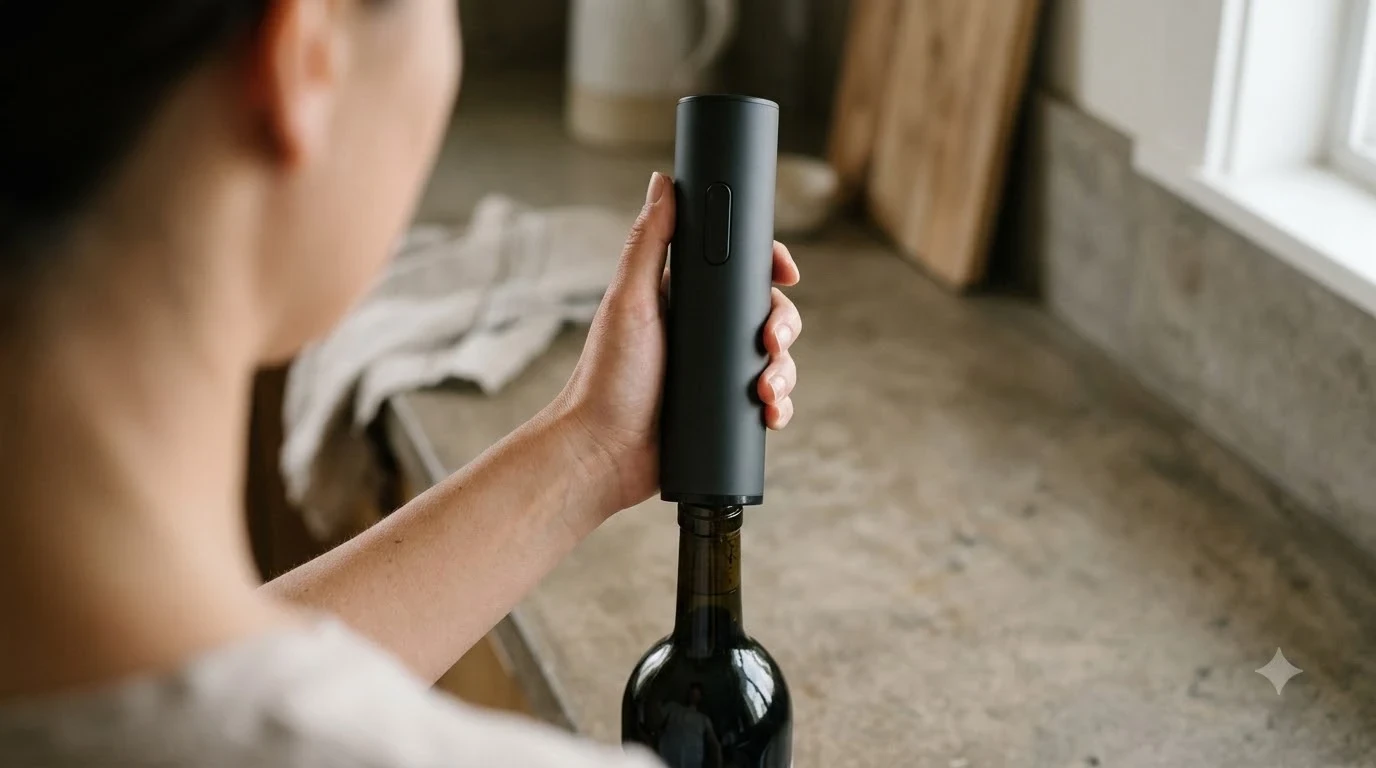
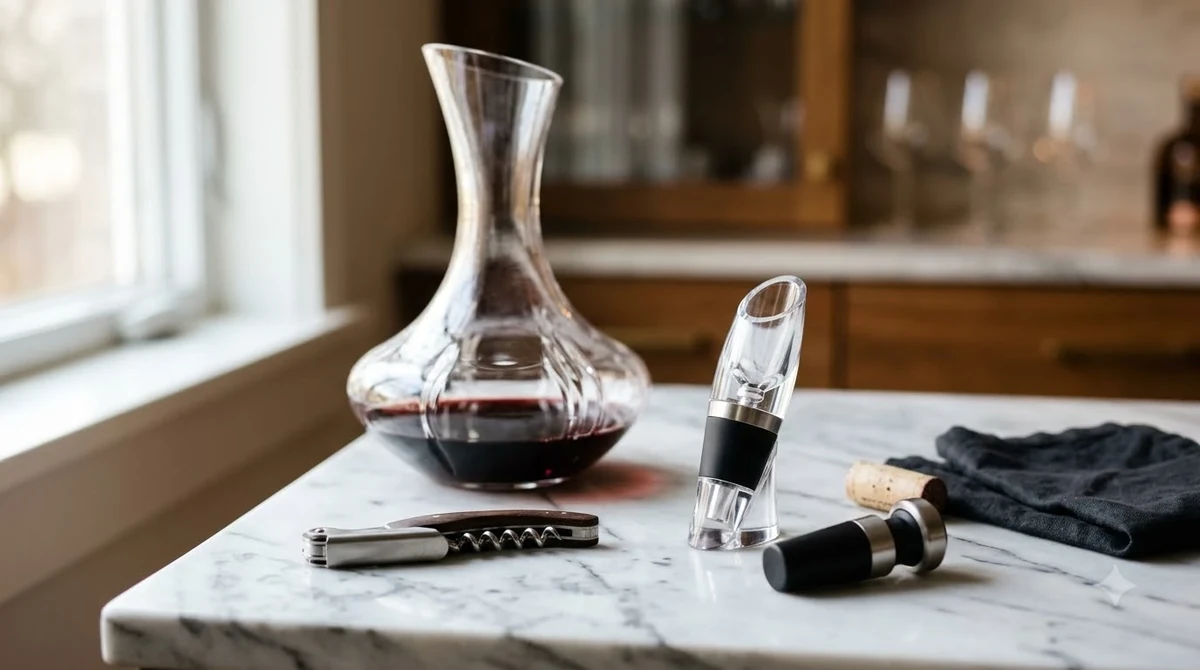
The best wine opener and preserver set for most home drinkers pairs a reliable lever or winged corkscrew with a vacuum stopper or pump, so an opened bottle can be resealed and kept fresher for longer. Opening the bottle is the step that matters most for daily use, and preservation is the step that decides how much of the bottle you get to enjoy later. The right set depends on how you open bottles and how often you have wine left over at the end of a meal.
An opener and preserver set combines the tools needed to open a bottle with tools that help keep the remaining wine in good condition. This guide compares the main opener types, the preservation methods that appear in most sets, and the trade-offs between them. The goal is a set that works for your habits, whether you open a bottle every night or only for guests. For context on how much wine a bottle holds, see our guide to how many glasses are in a bottle of wine.
Quick Comparison of Opener and Preserver Set Types
Sets vary in two ways: the opener mechanism and the preservation method. The table below compares the common combinations on the criteria most buyers care about.
| Set type | Opener | Preservation method | Best for |
|---|---|---|---|
| Waiter’s corkscrew with stopper | Folding knife-style tool | Basic stopper | Travel and quick opening |
| Lever corkscrew with pump | Two-handle lever | Hand vacuum pump | Frequent openers who want speed |
| Winged corkscrew with stopper | Two levers that lift the cork | Stopper | Everyday home use |
| Twin-prong puller with inert gas | Two prongs that slide beside the cork | Inert gas spray or dispenser | Older bottles and sampling |
Best for Everyday Home Use
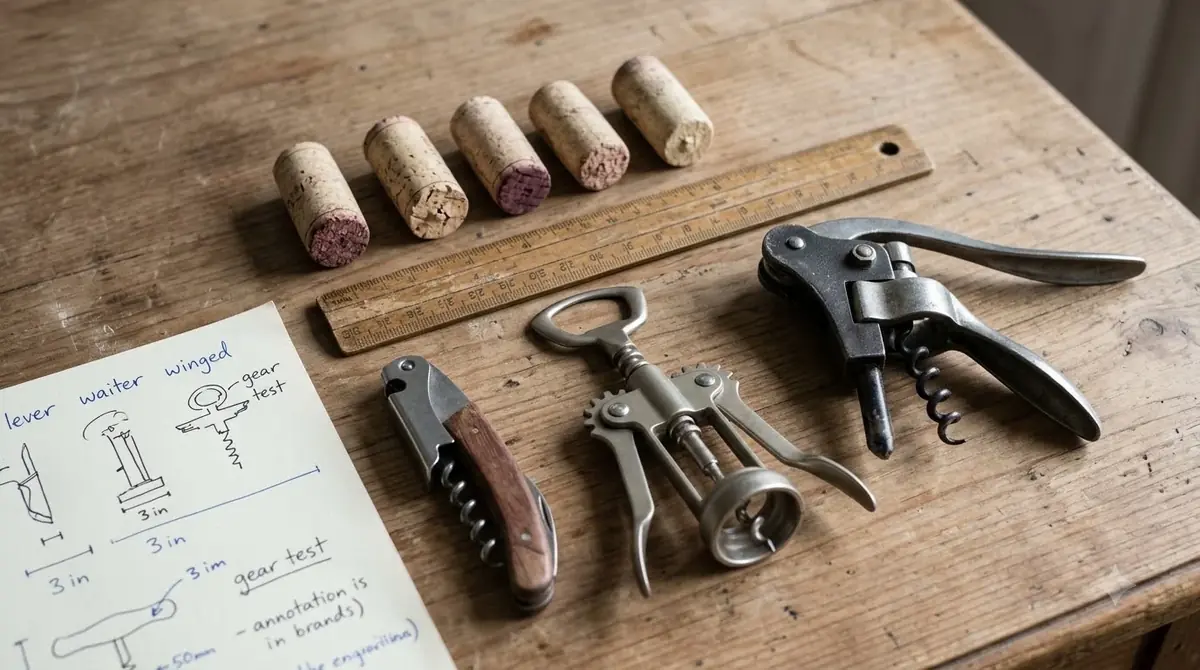
A winged corkscrew paired with a simple stopper suits a household that opens a bottle most evenings. The mechanism is quick, the tools are durable, and the set takes little space in a kitchen drawer.
Why it stands out: The Corkscrew article on Wikipedia describes the winged corkscrew as a design with two levers that rise as the worm turns into the cork, and pushing the levers down draws the cork in one smooth motion. That makes it a reliable everyday option for most people.
Keep in mind: A winged opener needs a firm grip on the bottle neck and some upper-body strength. If the cork is old or crumbly, a basic stopper may not reseal the bottle well.
Best for: Nightly wine drinkers, households with one or two openers, and a simple kitchen setup.
Best for Travel and Picnics
A waiter’s corkscrew with a folding body fits in a pocket or a picnic bag and works without much setup. It suits people who carry a bottle to the park, the beach, or a friend’s house.
Why it stands out: The Corkscrew article on Wikipedia describes the waiter’s corkscrew as a folding tool that resembles a pocket knife, with an arm that braces against the bottle lip for leverage. Some models add a bottle opener and a small blade for cutting foil, and the article says it can be used faster than a winged corkscrew.
Keep in mind: A waiter’s corkscrew takes practice to use well, since the arm must rest squarely on the lip. Beginners may find a lever or winged model easier at first.
Best for: Picnics, camping trips, and anyone who wants a compact opener that fits in a bag.
Best for Frequent Openers Who Want Speed
A lever corkscrew suits people who open several bottles a week or host regular dinners. The two handles grip the neck, and the lever is pressed down to drive the screw into the cork before it is lifted out.
Why it stands out: The Corkscrew article on Wikipedia describes the lever corkscrew, also called the rabbit style, as faster than many alternatives, and it works well when a set includes a hand vacuum pump for leftover wine.
Keep in mind: Lever openers are bulkier and usually more expensive than basic corkscrews, so they make more sense as a regular kitchen tool than as a travel item.
Best for: Hosts, households with regular wine nights, and buyers who value speed over size.
Best for Sampling and Older Bottles
A twin-prong cork puller suits older bottles with fragile corks, because the prongs slide between the cork and the neck rather than screwing into the cork. It also lets you taste a little wine and reinsert the stopper.
Why it stands out: The Corkscrew article on Wikipedia explains that the stopper is removed by pushing the prongs between the cork and the neck of the bottle. The article notes that this method lets you sample wine and reinsert the stopper, and it can remove stoppers in poor condition.
Keep in mind: A twin-prong puller is less common in everyday sets, and it may not suit a bottle with a tightly bonded cork. Test it on a bottle you are ready to open completely if the cork is uncertain.
Best for: Collectors, older bottles, and anyone who wants to taste before deciding to open the rest.
Best for Restaurant-Style Preservation at Home
Preservation sets that use inert gas aim to keep oxygen away from opened wine. The Wine preservation article on Wikipedia describes systems that use nitrogen gas to dispense wine and to limit oxidation, which is the idea behind many home sprays and dispensers.
Why it stands out: The Wine preservation article notes that nitrogen gas helps prevent wine from oxidation and premature spoilage. Inert gas works by displacing the air above the wine, which slows the changes that come from oxygen contact.
Keep in mind: The same article does not give time frames for home preservation, so treat claims about exact days as a starting point. Gas products are also single-use or refillable depending on the model, so check the cost per bottle before buying.
Best for: Households that open wine over several days, and anyone who wants to keep a favorite bottle longer.
How to Choose an Opener and Preserver Set
Choose the opener first, because you will use it every time you open a bottle. Then choose the preserver based on how often you have wine left over. The checklist below covers the decisions that matter most for a home kitchen.
- Opener type: A winged or lever model suits daily use, while a waiter’s corkscrew fits travel. The Corkscrew article describes each as a different mechanism.
- Cork condition: Older or crumbly corks may call for a twin-prong puller rather than a screw.
- Preservation method: A hand vacuum pump removes oxygen from the bottle, and the Wine accessory article on Wikipedia says this can extend the wine’s life by several days after opening.
- Frequency: If you finish bottles within a day or two, a basic stopper may be enough.
Frequently Asked Questions
What is the best opener for an everyday wine set?
A winged corkscrew is a dependable everyday choice. The Corkscrew article on Wikipedia describes its two levers as drawing the cork in one smooth motion, which suits people who open a bottle most evenings without much effort.
Does a vacuum pump keep opened wine fresh?
A hand vacuum pump removes oxygen from the bottle, and the Wine accessory article on Wikipedia says this can extend the wine’s life by several days after opening. Results vary by wine and storage, so resealing and refrigerating the bottle also helps.
What is a twin-prong cork puller used for?
The twin-prong puller removes the cork by sliding its prongs between the cork and the bottle neck. The Corkscrew article notes that this lets you sample the wine and reinsert the stopper, which is useful for older bottles with fragile corks. A puller in the set also lets you check a bottle over several evenings, since the stopper can go back in after each tasting.
Is inert gas better than a stopper?
Inert gas displaces the air above the wine, and the Wine preservation article notes that nitrogen helps prevent oxidation. A stopper is simpler and cheaper, so the better choice depends on how long you want to keep an opened bottle and how often you use the set.
A good opener and preserver set matches your habits: how often you open bottles, how long leftovers last, and whether you carry wine away from home. A smooth opener suits a dinner table, while a compact one suits a bag, so think about where the set will live most of the time before you buy. Browse the wine tasting set guide and the Accessories Library for related tools before you choose.
More in Wine Accessories
 Coravin Vs Vacu Vin: Choose the Right Wine Saver for Your BottlesUpdated Nov 21, 2026
 Zwilling Wine Stopper Review: Preserve Open Bottles LongerUpdated Nov 21, 2026
 Wine Enthusiast Wine Preserver Review: Features, Benefits and LimitationsUpdated Nov 21, 2026
 Wine Enthusiast Wine Stopper: An Easier Way to Reseal Open BottlesUpdated Nov 21, 2026
 Vintorio Wine Opener: Two-Step Cork RemovalUpdated Nov 21, 2026
 Zwilling Wine Aerator Review: Aerate, Pour, and Seal With One ToolUpdated Nov 21, 2026