

We may earn a commission when you buy through links on this page, at no extra cost to you. Learn more.
The best wine tasting set is one that gives you matched glasses, a simple way to record what you notice, and enough room to compare two or three wines in one sitting. Which option fits depends on whether you are learning the basics, hosting friends, or building a habit of writing notes. This guide sorts the main choices by the job each one does well, so you can match a set to your evenings instead of paying for extras you will never open.
A wine tasting set is a small collection of tools built around the way wine is usually evaluated: look at the color, swirl to release aromas, smell, then sip and think about the structure, acidity, and finish. Some sets are only glasses. Others add a notebook, scoring cards, or a tray that holds small pours. Knowing what each piece is for makes shopping much easier, and it helps you judge whether a set will still get used after the first month.
Quick Comparison
Most sets fall into a handful of types. The table below compares them by their main strength and by the checks that matter before you buy, so you can narrow the field before looking at individual products.
| Set type | Main strength | Works best for | Check before buying |
|---|---|---|---|
| Glass-only set | Matched shapes that show color and aroma clearly | Learning the basics | Bowl width and rim thickness |
| Flight-style set | Small pours for side-by-side comparison | Comparing styles or regions | Glass count and whether pours are labeled |
| Notes-and-scoring kit | Cards or a notebook for each wine | Tracking what you like | Card layout and room for free-form notes |
| Hosting kit | Enough glasses and dump cups for a group | Dinner parties and wine clubs | Total count, durability, and dishwasher safety |
| Gift set | Attractive packaging with a mix of items | Gifting | Whether the included glasses are a usable shape |
Best for Beginners Learning the Basics
A beginner needs a set that makes the basic steps easy to repeat. The most useful options here focus on glassware with a bowl wide enough to swirl and a shape that gathers aroma toward the nose. When every glass in the set is the same style, differences in color and smell become easier to notice, because the wine is the only variable.
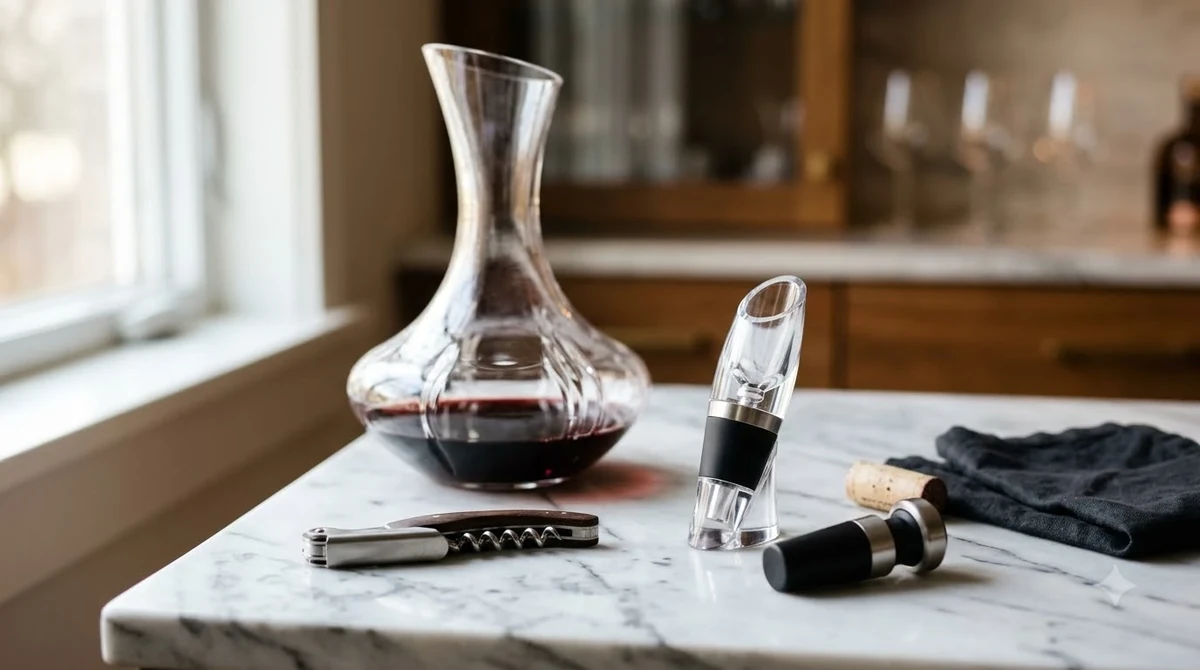
VinePair’s wine 101 section lays out the routine of tasting a wine: look, swirl, smell, and sip, then consider acidity, tannins, oak, and body. A beginner set should support each of those steps. A clear, untinted bowl lets you judge color, which is a quick early lesson in how age and grape variety change a wine’s appearance. Glasses that are roughly the same size also make it easier to compare two wines on the same night.
Why it stands out: a matched set removes the confusion of mixed stemware. You learn faster when the glasses do not change shape between pours, and you can repeat the same routine each time you open a bottle.
Keep in mind: glassware alone does not teach you what you are tasting. Keep a short list of flavor words such as fruit, earth, oak, or acidity so you have something to check against as you sip.
Best for Comparing Styles Side by Side
A flight-style set is built for direct comparison. Small pours of two or three wines let you notice differences that disappear when you taste one bottle at a time, such as the gap between a lighter, high-acid white and a richer, oak-aged one.
Why it stands out: sets with labeled or numbered glasses make it easy to keep track of which wine is which after the second round. Comparing wines from one region or one grape is one of the fastest ways to learn how climate and winemaking change the glass. Pour size matters here, too. Small pours keep the comparison fair, and the guide on how many glasses are in a bottle of wine shows how a standard bottle divides up before you plan a flight.
Keep in mind: check whether the glasses are marked before you buy. Without markings, a flight of three can turn into guesswork by the time you reach the last glass, and a plain tray of identical glasses is harder to use than it looks.
Best for Recording Your Notes
If you want to remember what you liked, a set with a notes-and-scoring format does more than glassware can. Writing a few words about each wine turns a single evening into a record you can use the next time you shop.
Why it stands out: printed cards or a notebook give structure to the process. Use the same categories each time, such as color, aroma, palate, and finish, so your entries can be compared later. A dedicated notebook also keeps tasting entries apart from the rest of your wine records. If you already keep one, a wine tasting notebook works well alongside a set of glasses.
Keep in mind: cards with fixed boxes can feel limiting if you like to write long comments. Look for a layout with some open space, or buy plain cards you can adapt to your own categories.
Best for Hosting a Group
For a dinner or a wine club, the most useful set has enough glasses for everyone and a way to handle samples without a sink full of stemware. Plan for each guest to rinse or swap glasses between wines, and keep a simple order of pours so the table stays organized.
Why it stands out: a hosting kit with a larger glass count saves time mid-tasting. Dump cups are part of the setup at more formal tastings, and including them makes it easier to taste several samples without over-pouring. Storage matters too. A bar cart keeps glasses, bottles, and notes in one reachable spot, so the set is ready when the guests arrive.
Keep in mind: check whether the glasses are dishwasher safe and how thin the rims are. Thin glass feels better to sip from, but it breaks more easily when guests handle it in a crowded room.
Best for Gifting
A gift set works when it balances presentation with usefulness. The packaging should look good, but the contents should be something the recipient will use more than once rather than a box that ends up on a shelf.
Why it stands out: sets that pair a few glasses with a notes card or a short guide feel complete without being overwhelming. A set of identical, well-proportioned glasses is more practical than a mix of novelty shapes that only suit one style of wine. Look for a set that a person can use on an ordinary weeknight, not only for special occasions.
Keep in mind: if you are not sure of the recipient’s taste, choose a general-purpose glass shape over one built for a single grape. Gift packaging rarely tells you the glass capacity, so read the product details before you buy.
How to Choose
Start with three questions: how many people will taste, whether you want to record notes, and how often you plan to use the set. Those answers narrow the options more than any feature list will.
| Criterion | What to look for | Why it matters |
|---|---|---|
| Glass shape | Wide bowl, tapering toward the rim | Concentrates aroma toward the nose |
| Glass count | Matches the number of wines you taste at once | Avoids washing glasses mid-tasting |
| Notes format | Fixed boxes or open space | Decides whether you will actually write |
| Durability | Sturdy stem and a dishwasher-safe label | Keeps the set usable for years |
| Storage | Compact case or tray | Keeps the pieces together between uses |
Serving conditions also shape the experience. VinePair’s serving section lists glassware alongside serving temperature, food pairing, and decanting as factors in how a wine tastes, so a good set should be one you can use with the rest of your setup rather than in isolation. A set that fits your habits will get used more often than a more elaborate one that lives in its box.
Frequently Asked Questions
Do I need a full set, or can I start with a few glasses?
Start with a few matched glasses. A complete set adds convenience, but for a beginner the glasses do most of the work. Add notes or a flight tray only after you find yourself wanting to compare wines or record what you liked.
What is a flight set, and who is it for?
A flight set serves two or three wines in small pours so you can compare them directly. It suits anyone learning how styles differ, such as a crisp white against a richer one, and it is the most useful format for side-by-side tasting at home.
Does a tasting set need dump cups?
Only if you plan to taste many samples in one session. For a small evening with friends, a glass of water and a plain plate of bread or crackers are usually enough to reset between wines, and dump cups matter more at larger tastings.
Does the glass material matter, or is shape enough?
Both matter, but shape matters more. Thin, clear glass shows color well and releases aroma easily, while heavy glass can feel clumsy and mute the nose. Choose a shape that fits your favorite styles, then look at material and weight.
The best wine tasting set is the one you will reach for on an ordinary weeknight. Start with glassware that suits the styles you already drink, add a notes format if you want a record, and expand from there. For more ideas across the category, browse the Accessories Library.
More in Wine Accessories
 Coravin Vs Vacu Vin: Choose the Right Wine Saver for Your BottlesUpdated Nov 21, 2026
 Zwilling Wine Stopper Review: Preserve Open Bottles LongerUpdated Nov 21, 2026
 Wine Enthusiast Wine Preserver Review: Features, Benefits and LimitationsUpdated Nov 21, 2026
 Wine Enthusiast Wine Stopper: An Easier Way to Reseal Open BottlesUpdated Nov 21, 2026
 Vintorio Wine Opener: Two-Step Cork RemovalUpdated Nov 21, 2026
 Zwilling Wine Aerator Review: Aerate, Pour, and Seal With One ToolUpdated Nov 21, 2026