

We may earn a commission when you buy through links on this page, at no extra cost to you. Learn more.
The best electric wine chiller is a compact, thermostat-controlled unit that brings an open bottle or a single bottle to serving temperature without freezing it, and the right model depends on how many bottles you chill and how fast you need them ready. Electric chillers sit between a traditional ice bucket and a full wine fridge. They are useful when a bottle is too warm, when guests arrive early or when you want a steady cold setting without ice. This roundup sorts the main types so you can match a chiller to your counter, your bottles and your schedule.
Wine is often served warmer than people expect, and a bottle left on the counter can drift well above the temperature that suits a crisp white or a sparkling wine. Chilling it in a freezer is risky because it is easy to forget, and the bottle can freeze or burst. An electric chiller solves this by holding a set temperature and keeping the wine there. The Wikipedia overview of wine cellars notes that wine matures more slowly at lower temperatures and that large swings can speed aging, so a steady setting matters as much as a cold one.
Quick Comparison of Electric Wine Chiller Types
Electric chillers come in several designs. Some sit beside a bottle and cool it from the outside, while others work like a small cabinet. Compare the basic types before you choose a size.
| Type | Best use | Bottles at once | Speed | Counter space |
|---|---|---|---|---|
| Single-bottle electric sleeve | Quick chill for one bottle | One | Moderate | Small |
| Countertop electric cooler | Steady chill for a few bottles | Two to four | Steady | Medium |
| Thermoelectric chiller | Quiet, no-compressor use | One to three | Slower in warm rooms | Small to medium |
| Compact wine fridge | Long hold and storage | Several | Holds a set temperature | Medium to large |
The table shows the basic trade-off. A single-bottle sleeve is quick and cheap to store, but it handles one bottle at a time. A countertop cooler holds more bottles and keeps them steady, but it needs more room and power.
Best Single-Bottle Electric Chiller for a Quick Chill
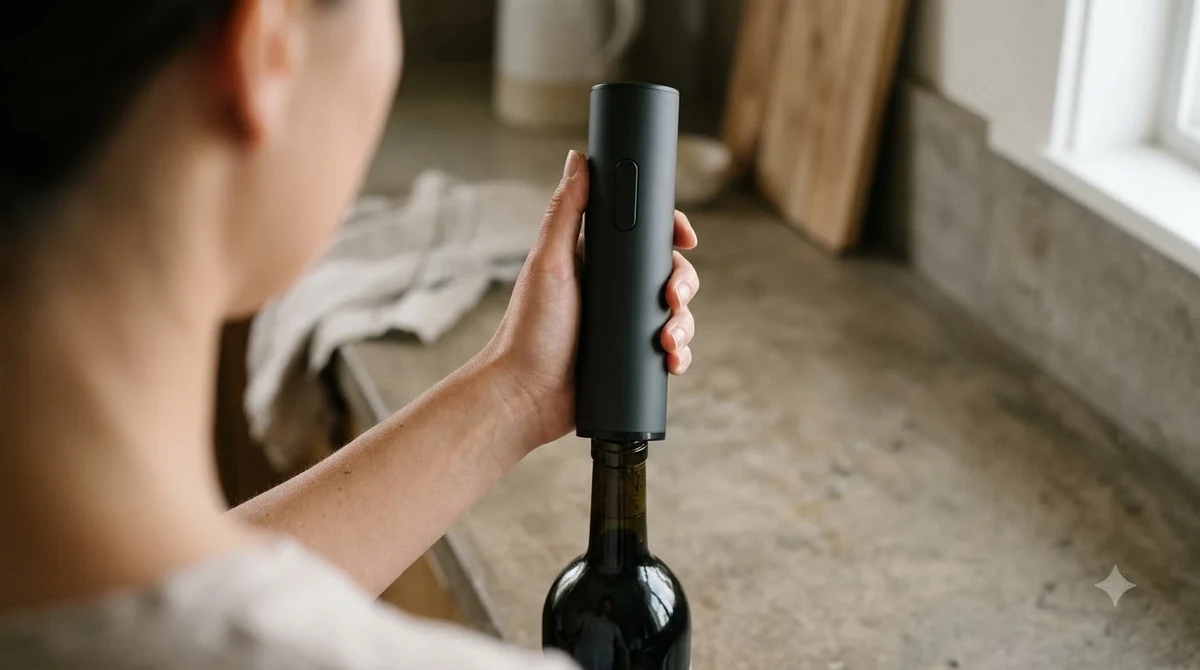
A single-bottle electric sleeve is the simplest option when one bottle needs to reach serving temperature before guests arrive. It fits a bottle, cools it from the outside and can be stored in a drawer or cabinet between uses.
Why it stands out
A sleeve or single-bottle unit takes little space, so it suits small kitchens and apartments. It works with the bottle you are serving rather than a whole stock, and it avoids the mess of an ice bucket. For a crisp white or a sparkling wine that needs to be cold in less time, this is the most direct route.
Keep in mind
Single-bottle units hold only one bottle, so they are not a solution for a party with several wines. Check the bottle diameter and height before buying, because a sleeve that fits a standard bottle may not fit a wide-bodied sparkling bottle. Most units also need a few hours to chill a bottle that starts warm.
Best for: home cooks and couples who want one bottle ready without ice or a freezer.
Best Countertop Electric Wine Cooler for Steady Chilling
A countertop electric cooler holds a few bottles at a set temperature and keeps them there while they wait to be poured. It suits a kitchen counter or a bar cart where wine is served over an evening.
Why it stands out
A thermostat keeps the setting steady, so the bottles do not swing warm and cold as the door is opened. Several bottles can sit in the cooler at once, which removes the need to chill each bottle in turn. The steady setting also suits sparkling wine, which tends to lose its crispness when it warms and cools repeatedly.
Keep in mind
Countertop coolers need a clear spot with airflow around the vents. A cooler placed next to an oven or in direct sun will work harder and may not hold its setting. Check the noise level if the chiller sits in a living area, since compressor models can hum.
Best for: hosts who serve a few bottles across an evening and want them held at the right temperature.
Best Quiet Thermoelectric Wine Chiller
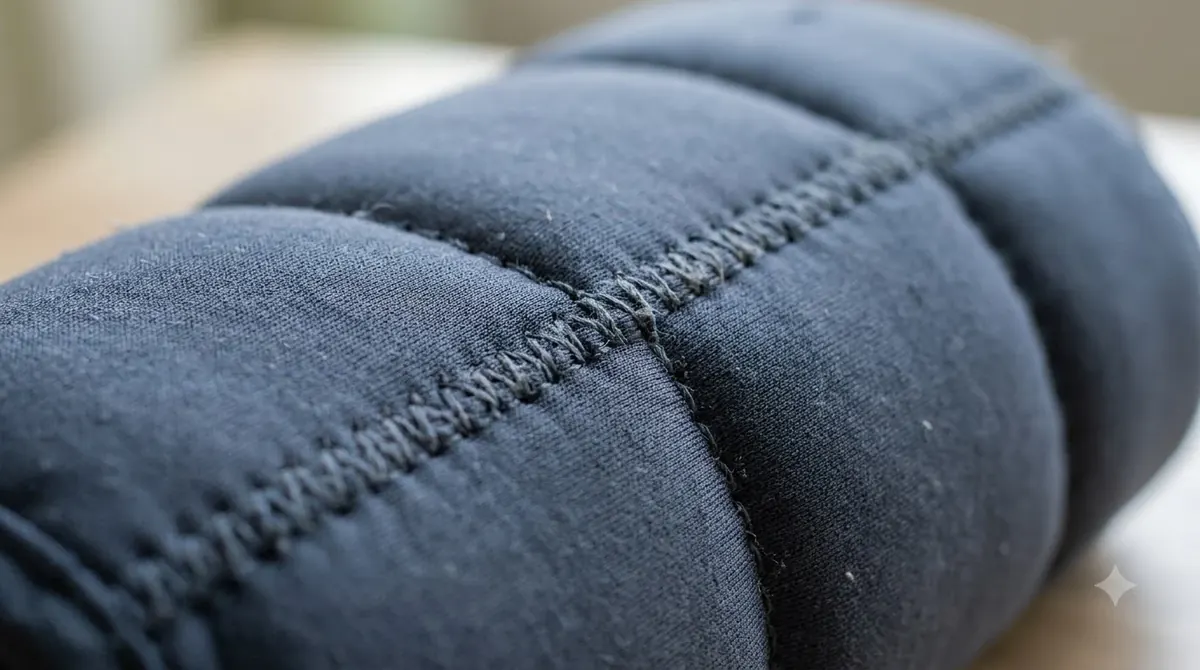
Thermoelectric chillers use a different cooling method and are often quieter than compressor units. They suit a bedroom, an office or a living room where noise matters, and they can hold a bottle at a moderate chill.
Why it stands out
Thermoelectric models have no compressor, so they run with little noise. They are light and easy to move, and they suit a room where a louder unit would be distracting. For a single bottle of white or rosé, a quiet chiller can bring the wine to a pleasant serving temperature without disturbing the room.
Keep in mind
Thermoelectric chillers are usually slower than compressor units, especially in a warm room. They can struggle to reach the coldest temperatures, and they work best when the room is cool. If you need a bottle very cold in a hurry, a compressor countertop unit may suit you better.
Best for: people who want a quiet chiller for a living space and do not need the coldest possible setting.
Best Electric Chiller for Frequent Entertaining
A frequent host who keeps several bottles in rotation needs a unit that holds more wine and keeps it steady for the whole evening. A compact wine fridge with a set zone is the practical choice for this use.
Why it stands out
A compact fridge holds several bottles and keeps them at a steady temperature for hours. It lets you chill ahead of time and pull bottles as needed, so the wine is always ready. The steady setting also suits a mix of white, rosé and sparkling wine, which all serve best in the cool range.
Keep in mind
Compact fridges take more room and more power than a sleeve or a small cooler. They also hold a set temperature rather than chilling a warm bottle quickly, so the bottles need to be placed in the unit before the event. For long storage of valuable bottles, a dedicated cellar is a better choice.
Best for: hosts who entertain often and want a steady stock of chilled wine at hand.
Best Electric Chiller for Gifts and Bar Carts
A compact electric chiller makes a useful gift for someone who serves wine often, especially on a bar cart or in a small kitchen. The best gift models are simple to use, quiet and small enough to fit beside other bar tools.
Why it stands out
A chiller that works without ice or a freezer is practical and easy to appreciate. It suits both a casual wine drinker and someone who entertains. A compact model also fits a bar cart, so the recipient gets a useful tool that sits neatly beside the glasses and bottles.
Keep in mind
Choose a gift that matches the recipient’s space. A large unit may not fit a small apartment, and a single-bottle sleeve may be too limited for a household that serves several wines. Check the power cord, the controls and the noise level before you buy.
Best for: gift buyers looking for a practical bar tool for someone who enjoys serving wine.
How to Choose an Electric Wine Chiller
Start with how many bottles you chill at once and how quickly you need them ready. A chiller that suits a quick single bottle may be too small for a party, and a big unit may be too much for a couple who drinks a glass at a time.
- Capacity: one bottle for quick use, a few for an evening, more for regular hosting.
- Cooling method: compressor units hold a set temperature more firmly; thermoelectric units are quieter but slower.
- Fit: measure the bottle size you use most, including wide sparkling bottles.
- Noise and placement: keep vents clear and avoid heat sources so the unit can hold its setting.
Tip: chill red wine lightly rather than icy, and let a white or sparkling bottle sit at the chiller’s setting until it is served. A steady temperature matters more than a very cold one.
An electric wine chiller is most useful when it matches the number of bottles you serve and the space you have. Start with the capacity, check the cooling method and keep the unit where it can breathe. For a sense of how many glasses to plan for each bottle, see how many glasses are in a bottle of wine. If you want a different chilling style, the marble wine chiller offers a no-power alternative for a single bottle, and a bar cart keeps the chiller and glasses in one place.
Frequently Asked Questions
How long does an electric wine chiller take to cool a bottle?
It depends on the model, the starting temperature of the wine and the room. A single-bottle sleeve usually needs a few hours to cool a bottle that starts warm, so plan ahead rather than chilling at the last minute.
What temperature should an electric wine chiller hold?
Most wines are served cooler than room temperature, and the Wikipedia overview of wine cellars describes 13 °C (55 °F) as an ideal storage temperature. Whites and sparkling wines are usually served cooler still, so set the chiller to suit the style you pour most often.
Can I put a wine bottle in an electric chiller to freeze it?
No. Electric chillers are designed to cool wine to a serving temperature, not to freeze it. Freezing a bottle can crack the glass or push the cork out, so keep the wine at a chilled setting and remove it before it gets too cold.
Is a thermoelectric chiller as good as a compressor model?
A thermoelectric chiller is quieter but usually slower, and it can struggle in a warm room. A compressor model holds a set temperature more firmly. Choose based on noise tolerance and how fast you need the wine ready.
An electric wine chiller takes the guesswork out of serving wine at the right temperature. Match the capacity to your gatherings, choose the cooling method that suits the room, and keep the unit in a spot with airflow so it can hold its setting through the evening.
More in Wine Accessories
 Coravin Vs Vacu Vin: Choose the Right Wine Saver for Your BottlesUpdated Nov 21, 2026
 Zwilling Wine Stopper Review: Preserve Open Bottles LongerUpdated Nov 21, 2026
 Wine Enthusiast Wine Preserver Review: Features, Benefits and LimitationsUpdated Nov 21, 2026
 Wine Enthusiast Wine Stopper: An Easier Way to Reseal Open BottlesUpdated Nov 21, 2026
 Vintorio Wine Opener: Two-Step Cork RemovalUpdated Nov 21, 2026
 Zwilling Wine Aerator Review: Aerate, Pour, and Seal With One ToolUpdated Nov 21, 2026