

We may earn a commission when you buy through links on this page, at no extra cost to you. Learn more.
The core difference in riesling vs white zinfandel comes down to grape color, acidity, and sweetness range: Riesling is a crisp, high-acid white wine made from a green-skinned grape that spans bone-dry to lusciously sweet, while White Zinfandel is a consistently sweet, low-acid pink blush wine made from black-skinned Zinfandel grapes. Riesling delivers sharp citrus and stone-fruit flavors balanced by mouthwatering tartness, whereas White Zinfandel offers soft strawberry and melon notes with a rounder, syrupy finish. Choosing between them depends on whether a meal or occasion calls for vibrant, refreshing acidity or gentle, fruit-forward sweetness.
Shoppers browsing the chilled wine aisle often group these two bottles together because both carry a reputation for sweetness and low alcohol. In practice, they come from opposite corners of the winemaking map and behave very differently in the glass. Exploring how each wine is grown, fermented, and served makes picking the right bottle straightforward, much like other classic Wine vs Wine matchups.
Grape Origins and Color: Green-Skinned White vs. Black-Skinned Blush
Riesling is a true white wine made from a pale green-yellow grape native to Germany, whereas White Zinfandel is a pink blush wine made from black-skinned Zinfandel grapes. Despite the word “white” in its name, White Zinfandel owes its salmon or pale rose hue to brief contact with dark red grape skins during crushing.
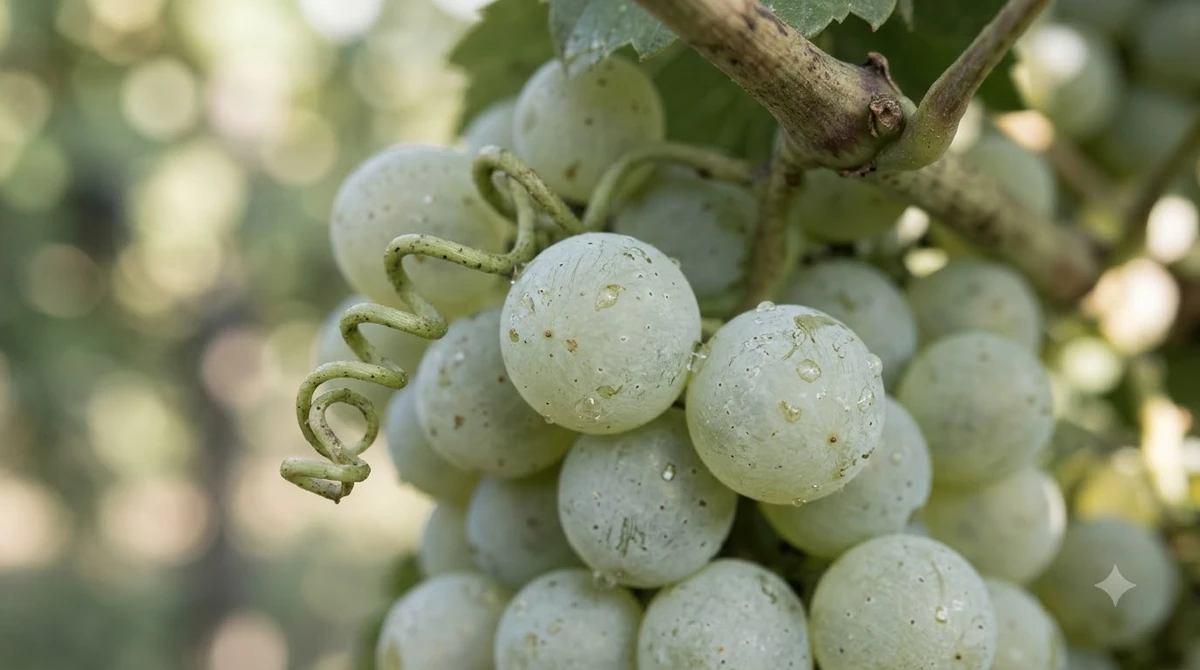
Riesling traces its documented history back to Germany’s Rhine River valley, where a 1435 storage inventory for Count John IV of Katzenelnbogen recorded the earliest known reference to the grape, according to VinePair’s Riesling guide. Today, Germany remains the world’s largest producer, cultivating the hardy, late-ripening vine across steep slate slopes in the Mosel, Rheingau, and Pfalz regions. Winemakers also produce benchmark bottles in Alsace, Austria, South Australia’s Clare and Eden Valleys, Washington State, and New York’s Finger Lakes. Because the grape has thin green skins and no red pigments, pressing the berries yields clear juice that ferments into a pale straw to deep golden white wine.
White Zinfandel tells an entirely American story rooted in California’s warm inland and coastal vineyards. The Zinfandel grape itself is a dark blue-black variety known primarily for producing bold, jammy red wines, which is why comparing riesling vs zinfandel in its red form reveals an even sharper contrast. In 1972, winemaker Bob Trinchero at Sutter Home Winery in Napa Valley experimented with the saignée method, bleeding off pale free-run juice from crushed red Zinfandel tanks to concentrate the remaining red wine. Although Trinchero’s initial 220-case batch in 1972 was fermented dry and looked nearly clear, a stuck fermentation on his 1974 vintage in 1975 left roughly 2 percent residual sugar and a distinct light pink tint that defined the style.
Because both wines start with fundamentally different fruit chemistry, their aromatic profiles diverge immediately upon pouring. Riesling expresses volatile floral and orchard aromatics such as jasmine, lime blossom, white peach, green apple, and apricot, often layered over a wet-stone mineral note. White Zinfandel lacks those high-toned floral terpenes, instead offering straightforward, candied red-berry aromas of crushed strawberry, raspberry, watermelon, and sweet cantaloupe.
Sweetness, Acidity, and Alcohol Levels Compared
Riesling spans the entire sweetness spectrum from bone-dry to dessert-level sweet while maintaining brisk, high acidity, whereas White Zinfandel stays reliably off-dry to sweet with noticeably low acidity. This structural gap explains why an off-dry Riesling feels crisp and light on the tongue while White Zinfandel feels softer and more plush.
| Attribute | Riesling | White Zinfandel |
|---|---|---|
| Primary Grape | Riesling (green-skinned white) | Zinfandel (black-skinned red) |
| Color in Glass | Pale straw to deep gold | Pale salmon to bright pink |
| Sweetness Range | Bone-dry to very sweet (0 to 150+ g/L) | Consistently off-dry to sweet (20 to 40 g/L) |
| Acidity Level | High (bracing tartaric and malic acid) | Low to medium-low |
| Typical Alcohol (ABV) | 7.5% to 13.5% (varies by dryness) | 8.0% to 10.5% |
| Primary Flavors | Lime, green apple, peach, apricot, slate | Strawberry, raspberry, watermelon, melon |
| Aging Potential | 5 to 30+ years for quality bottles | 1 to 2 years (drink young) |
| Serving Temperature | 45°F to 50°F (43°F to 50°F for sweet styles) | 45°F to 50°F |
Natural tartaric acidity is the defining backbone of Riesling. Even when a winemaker halts fermentation early to retain 15 to 40 grams per liter of residual sugar, that electric tartness acts as a counterweight so the wine finishes clean rather than cloying. According to Wine Enthusiast’s varietal reference, German producers classify standard Qualitätswein bottles as trocken (dry, under 9 grams per liter of residual sugar) or halbtrocken (off-dry, 9 to 18 grams per liter), while Prädikatswein designations like Kabinett, Spätlese, and Auslese track rising grape ripeness at harvest.
White Zinfandel takes the opposite structural approach. Warm-climate California Zinfandel grapes naturally lose acidity as they ripen under bright sunshine, and winemakers deliberately stop fermentation early to preserve roughly 2 to 4 percent residual sugar (about 20 to 40 grams per liter). Without high tartaric acid to cut through that sugar, White Zinfandel tastes overtly sweet and smooth, with almost zero astringency or tannin. Alcohol levels reflect these fermentation choices: White Zinfandel almost always lands between 8 and 10.5 percent ABV, while Riesling ranges from 7.5 or 8 percent ABV for sweet Kabinett styles up to 12.5 or 13.5 percent ABV for dry bottles from Alsace, Austria, or Australia.
Tip: Check the alcohol by volume percentage on a Riesling bottle before buying. Bottles labeled at 12 percent ABV or higher have converted almost all grape sugar into alcohol and will taste dry, whereas bottles listed below 11.5 percent ABV retain noticeable sweetness.
Winemaking Methods: How Each Style Gets Its Flavor
Winemakers craft Riesling to preserve pure grape aromatics and crisp acid without oak influence, whereas White Zinfandel relies on brief skin maceration and arrested fermentation to capture pink color and sweet berry fruit. Both styles avoid new oak barrels, keeping production focused on fresh fruit expression.
For Riesling, gentle whole-cluster pressing is critical because the grape skins contain bitter phenolic compounds that winemakers want to leave behind. Once the clear juice is settled, fermentation takes place at cool temperatures—often between 55°F and 62°F—inside stainless steel tanks or large, neutral old oak casks called Fuder. Cool fermentation slows yeast activity and locks in delicate floral esters and citrus aromatics. If the winemaker wants a dry wine, the yeast consumes virtually all natural sugars; if an off-dry or sweet style is desired, the cellar team chills the tank and filters out the yeast once the target balance between sugar and acid is reached.
White Zinfandel production begins like a red wine harvest before pivoting abruptly. Ripe black Zinfandel grapes are crushed and left in contact with their dark skins for only a few hours—just long enough for anthocyanin pigments to tint the juice a pale coral or flamingo pink without extracting harsh tannins. The pink juice is then drained off the skins and fermented cool in large stainless steel tanks. Rather than letting fermentation run dry, the winemaker chills and sterile-filters the wine while significant natural grape sugar remains unfermented, preserving the soft, fruity sweetness that propelled Sutter Home’s production from 25,000 cases in 1981 to over 4.5 million cases by 1987.
Aging Potential and Bottle Evolution
Quality Riesling is one of the longest-lived white wines in the world, capable of evolving for 10 to 30 years or more, while White Zinfandel is built for immediate consumption within one to two years of harvest. Their vastly different lifespans come directly from their acid and sugar structures.
High acidity and residual sugar act as natural preservatives in Riesling, shielding the wine from oxidation over decades in a cool cellar at 55°F. As a bottle of German or Alsatian Riesling matures, its bright green apple and lime notes gradually transform into dried apricot, honeycomb, toasted nuts, and beeswax. Aged bottles also develop a compound called 1,1,6-trimethyl-1,2-dihydronaphthalene (TDN), which gives off a distinctive aroma reminiscent of petrol or kerosene that collectors prize as a sign of maturity.
Food Pairing: Spicy Dishes, Rich Meats, and Light Fare
Riesling is one of the most food-friendly wines at the dinner table because its sharp acidity cuts through fat and salt while its optional residual sugar cools chili heat, whereas White Zinfandel pairs best with casual spicy takeout, salty snacks, and mildly sweet dishes. Matching either bottle successfully comes down to balancing acid, sweetness, and spice.
Spicy Southeast Asian and Indian cuisines showcase the shared strength of both wines. Capsaicin—the compound that gives chili peppers their burn—is amplified by high alcohol and astringent tannin, which makes bold red wines taste harsh alongside hot curries. Both off-dry German Kabinett Riesling and sweet White Zinfandel generally fall around 8 to 10 percent ABV according to standard regional labeling norms, carrying residual sugar that coats the palate and tames chili heat. Dishes such as Thai green curry, Sichuan mapo tofu, and spicy chicken vindaloo pair smoothly with either chilled bottle, though Riesling brings a zesty lime-like lift that refreshes the palate between bites.
Beyond spicy food, Riesling covers far more culinary territory because its style shifts with dryness and acidity:
- Dry Riesling (Trocken or Australian Clare Valley): High tartaric acid slices cleanly through rich, fatty, and salty dishes like roast pork belly, smoked trout, Wiener schnitzel, and pan-seared scallops.
- Off-Dry Riesling (Kabinett or Spätlese): Subtle sweetness bridges savory and sweet elements in glazed ham, pulled pork with tangy barbecue sauce, and washed-rind cheeses like Munster.
- Sweet Riesling (Auslese or Eiswein): Concentrated nectar-like sweetness matches fruit tarts, blue cheeses such as Roquefort, and rich foie gras—following the rule that dessert wine should be at least as sweet as the dish.
White Zinfandel works best as a laid-back picnic or porch wine alongside casual foods rather than multi-course dinners. Its soft strawberry and melon profile complements salted potato chips, mild cheddar cheese boards, honey-glazed chicken wings, and fruit salads. Because White Zinfandel has low acidity, pairing it with sharply tart foods like vinaigrette salads or tomato-heavy pasta sauces can make the wine taste flat or overly syrupy.
Serving Temperature, Glassware, and Storage
Both Riesling and White Zinfandel are typically served well chilled between 45°F and 50°F, though sweeter styles of Riesling often shine slightly colder at 43°F to 48°F. Proper chilling keeps residual sugar tasting crisp and prevents alcohol from dominating the nose.
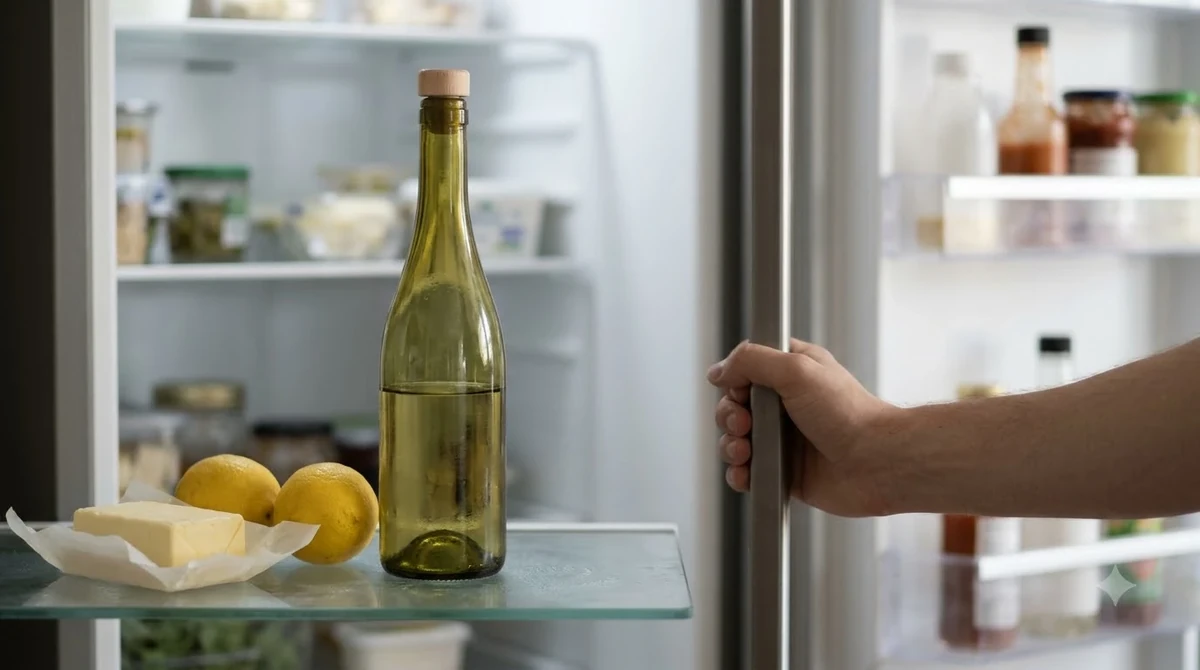
Pulling either bottle straight from a typical kitchen refrigerator set near 38°F leaves it too cold, muting delicate peach, citrus, or berry aromas. Letting the bottle sit on the counter for about 15 to 20 minutes before pouring brings it into the 45°F to 50°F serving window. When pouring a standard 5-ounce glass—yielding roughly five glasses from a standard 750-milliliter bottle—a tulip-shaped white wine glass with a slightly tapered rim concentrates Riesling’s floral and mineral aromatics while directing the wine toward the middle of the tongue to balance acidity and sweetness. White Zinfandel performs well in the same medium-sized white wine bowl or a stemless tumbler outdoors.
Once opened, both wines generally keep well in a refrigerator for three to five days when sealed tightly with a rubber wine stopper or original cork. For unopened bottles stored over several months, a steady 55°F cellar or wine fridge helps prevent temperature swings that accelerate oxidation—especially important for preserving the fresh fruit character of young White Zinfandel.
How to Choose Between Riesling and White Zinfandel
Choose Riesling for crisp acidity, complex citrus and stone-fruit aromatics, and versatility across dry and sweet styles; choose White Zinfandel for an easy-drinking, reliably sweet pink blush wine with soft berry flavors and zero tart bite. Understanding what each bottle delivers makes shopping easy across any wine aisle.
Shoppers looking at pink wines often wonder how White Zinfandel stacks up against drier European blush wines, a distinction explored in detail in rose vs white zinfandel. While traditional dry rosé emphasizes crisp acidity and savory minerality, White Zinfandel leans fully into sweet red-berry fruit. Similarly, wine drinkers who prefer big, dry red wines with dark pepper and blackberry notes—such as those compared in shiraz vs zinfandel—will find dry Alsatian or Australian Riesling far closer to their structural preferences than sweet blush wine.
To pick the right bottle on the first try, match the wine to the moment:
- Pick Dry Riesling for seafood, roast poultry, tangy goat cheese, or whenever a crisp, unsweetened white wine is needed.
- Pick Off-Dry Riesling for spicy Thai or Indian takeout, pork dishes, or guests who enjoy a hint of fruit sweetness balanced by lively tartness.
- Pick White Zinfandel for warm-weather patio sipping, casual barbecues, or wine beginners who prefer soft strawberry sweetness without sharp acidity.
Frequently Asked Questions
Is Riesling always sweeter than White Zinfandel?
No, Riesling is frequently much drier than White Zinfandel. While commercial White Zinfandel typically contains 20 to 40 grams per liter of residual sugar, dry Rieslings regulated under European Union Trocken standards—as well as dry styles from Australia’s Clare Valley—contain under 4 to 9 grams per liter depending on acidity and taste crisp and dry.
Why is White Zinfandel pink if it has white in the name?
White Zinfandel is made from dark black-skinned Zinfandel grapes whose juice is separated from the skins after only a few hours of contact. Winemaker Bob Trinchero originally named the wine “White Zinfandel” in 1972 to distinguish his pale, lightly tinted bottling from dark red Zinfandel, according to Sutter Home’s historical records.
Which wine has fewer calories and lower alcohol?
White Zinfandel and sweet Kabinett Riesling both sit at the low end of the alcohol spectrum, typically between 8 and 10 percent ABV. According to USDA FoodData Central estimates, a standard 5-ounce pour of sweet low-alcohol white or blush wine contains roughly 115 to 125 calories, whereas dry 13 percent ABV white wines run closer to 125 to 130 calories per glass.
Can Riesling and White Zinfandel be substituted for each other in cooking?
Dry Riesling works well for deglazing pans, steaming mussels, or making cream sauces because its high acidity brightens savory dishes without adding sugar. White Zinfandel is generally too sweet and low in acid for savory reductions, though it works well in poached pears or sangria bases.
What are the top regions to look for when buying Riesling?
Germany’s Mosel and Rheingau regions lead production for floral, slate-driven styles ranging from dry to sweet, while France’s Alsace region and Australia’s Clare and Eden Valleys specialize in powerful dry expressions. In North America, New York’s Finger Lakes and Washington State’s Columbia Valley produce standout bottles across both dry and off-dry styles.
Riesling and White Zinfandel share a spot in the chilled wine section, yet they offer completely distinct tasting experiences in the glass. Matching Riesling’s vibrant acidity or White Zinfandel’s soft berry sweetness to the meal ensures a well-balanced pour every time.
More in Wine vs Wine
 Chenin Blanc vs Pinot Gris: Acidity, Body, and Pairing DifferencesUpdated Nov 20, 2026
 Chianti vs Lambrusco: How Tuscany and Emilia-Romagna Reds CompareUpdated Nov 20, 2026
 Chianti vs Primitivo: Key Differences in Taste, Body, and PairingUpdated Nov 20, 2026
 Chianti vs Rioja: Key Differences in Taste, Aging, and PairingUpdated Nov 20, 2026
 Chianti vs Shiraz: How Acidity, Body, and Food Pairings CompareUpdated Nov 20, 2026
 Chianti vs Syrah: Key Differences in Taste, Body, and Food PairingUpdated Nov 20, 2026