

We may earn a commission when you buy through links on this page, at no extra cost to you. Learn more.
Sweet zinfandel usually means White Zinfandel, a blush-style rosé made from red Zinfandel grapes that is fermented to leave residual sugar, so it tastes light, fruity, and clearly sweet. Red Zinfandel itself is a dry, full-bodied wine with jammy fruit and firm tannins. The sweet version is a different product, and most of the confusion comes from that shared grape name. This guide explains how the sweet style is made, what it tastes like, and how to pick one.
Zinfandel is one of California’s best-known grapes, and it has a split personality. The red wines made from it are dense, spicy, and often high in alcohol. The pink wine made from the same fruit is soft, sugary, and easy to drink, and it has been one of the best-selling wines in the United States for decades. This guide covers both sides of the story so you can tell which bottle you are buying before you open it.
What makes Zinfandel sweet
The sweetness in a sweet Zinfandel comes from residual sugar, the grape sugar that stays in the wine after fermentation. Winemakers can stop fermentation before the yeast has consumed all of the sugar, leaving a sweeter, lighter wine. Sugar that keeps fermenting can push the alcohol above 15 percent, so the timing of the stop matters a great deal.
The rosé style has a well-known origin story. Wikipedia’s entry on Zinfandel explains that Bob Trinchero of Sutter Home drew off some juice early in fermentation, which is the saignée method, and produced a dry wine in 1972. A stuck fermentation in 1975 left the wine sugary, and he decided to sell it that way. The result became the blush-style wine that most people now mean when they say sweet Zinfandel.
How red and sweet Zinfandel differ
Red Zinfandel and sweet Zinfandel are made from the same grape, but they taste nothing alike. Wine Folly describes red Zinfandel as a bold, fruit-forward red loved for jammy fruit and smoky, exotic spice. It is dry and full-bodied, with medium-high tannins and medium-low acidity. Cooler-climate examples lean toward raspberry and strawberry, while warmer climates show blackberry, anise, and pepper.
Sweet Zinfandel reverses almost every one of those features. It is light in body, low in tannin, and high in fruit flavors that read as strawberry, raspberry, cherry, and citrus. Because the sugar is so noticeable, the wine feels more like a fruit drink than a glass of red. If you love red Zinfandel, the sweet version may still appeal, but it will taste like a different wine.
| Feature | Red Zinfandel | Sweet (White) Zinfandel |
|---|---|---|
| Color | Deep red | Pale pink |
| Sweetness | Dry | Clearly sweet |
| Main flavors | Blackberry, pepper, spice | Strawberry, raspberry, citrus |
| Tannin | Medium-high | Low |
| Typical use | Dinner and grilled meat | Casual sipping and light snacks |
Why sweet Zinfandel became so popular
Sweet Zinfandel changed the American wine market. Wikipedia’s entry notes that White Zinfandel still accounts for about one in ten U.S. wine sales by volume and sells six times as much as red Zinfandel. The wine’s success helped keep demand for Zinfandel grapes high, and that demand may have preserved older vineyards that might otherwise have been pulled out.
Modern versions have changed as well. For many drinkers it was the first pink wine they ever tried, and it still sits on shelves beside drier rosés from Provence and Spain, which shows how wide the rosé category has become. Modern versions are described as having more fruit and less of the cloying sweetness that defined the early style. Many producers now balance the sugar with fresher fruit and a clean finish, so the wine tastes brighter than it did in earlier decades.
How to serve a sweet Zinfandel
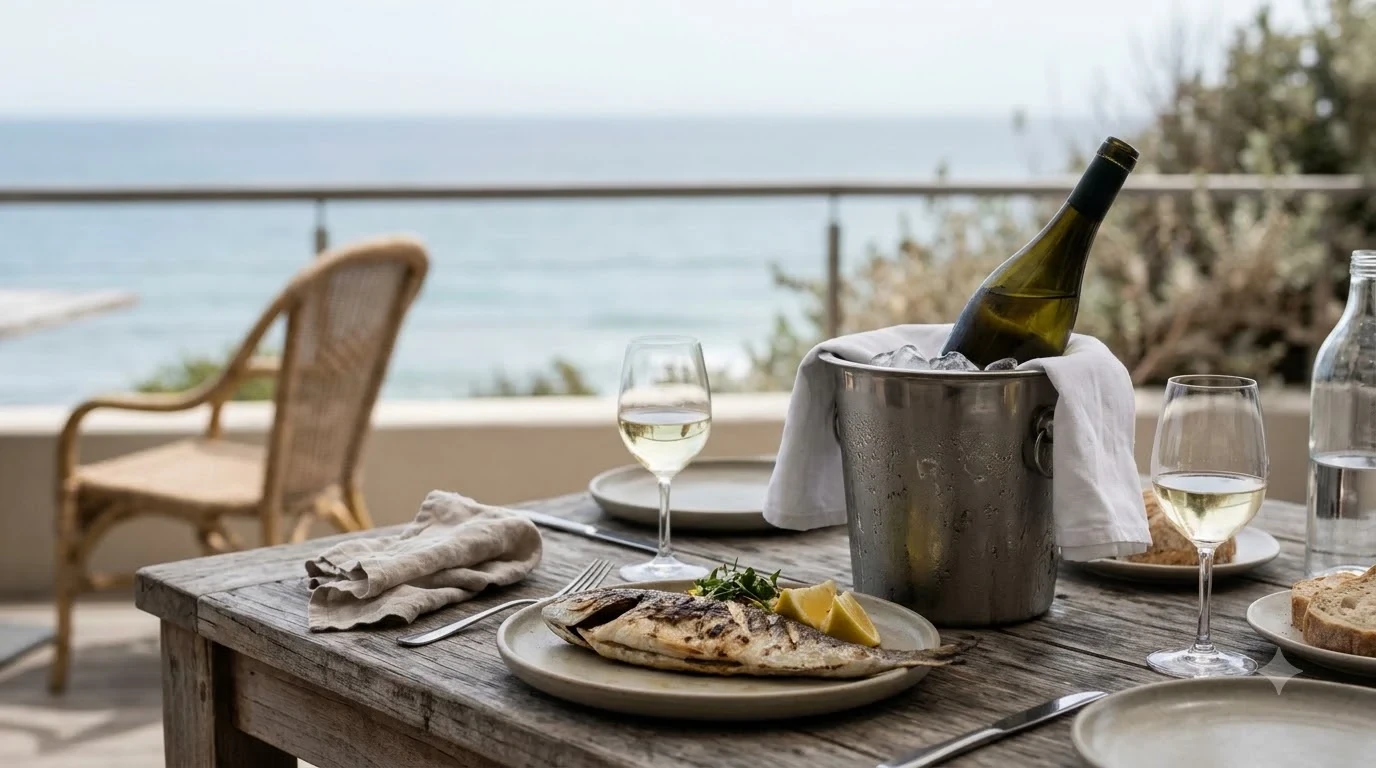
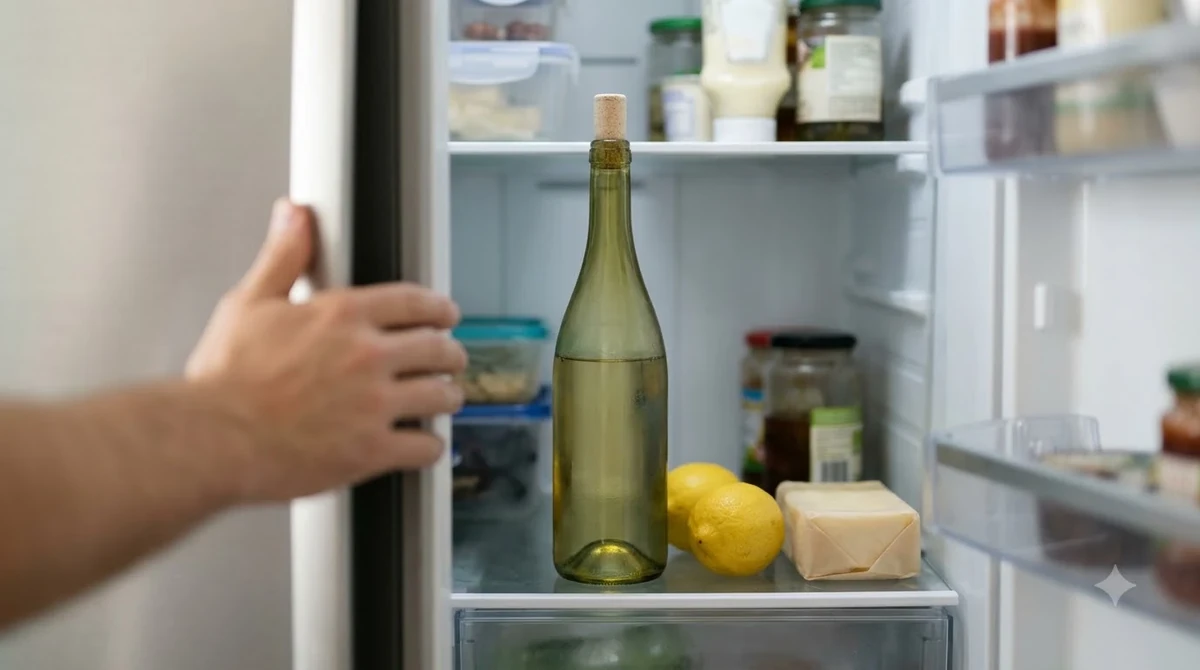
Serve sweet Zinfandel well chilled. A cold glass keeps the wine crisp and stops the sugar from feeling heavy. Chilling the bottle in the refrigerator for a couple of hours before pouring is usually enough to bring it into the right range, and a bucket of ice works well for outdoor gatherings. Pour it into a standard white or rosé glass, and let it warm for a minute or two if you want more of the strawberry and citrus aromas to come through. Because the wine is low in alcohol compared with red Zinfandel, it works well as an afternoon drink.
Red Zinfandel is a different case. It is usually served at a cool room temperature, and it benefits from a short decant if the bottle is young. Keeping the two styles separate in your mind will help you choose the right glass and the right moment.

Food pairings for sweet Zinfandel
Sweet Zinfandel pairs with food that has some salt or spice, because the sweetness balances the heat. Spicy takeout, grilled chicken with a sweet glaze, and mild Asian dishes all work well. Light cheeses such as soft goat cheese or mild fresh mozzarella suit the fruit-forward style, and a bowl of strawberries or raspberries makes a simple dessert pairing.
Red Zinfandel calls for richer food. Wine Folly suggests Moroccan and Turkish spices, cajun seasoning, black pepper, and cinnamon, along with BBQ ribs, pulled pork, roast lamb, and burgers. Sharp cheddar and smoked gouda also match its spice and fruit. If you want a red Zinfandel with a meal, reach for those dishes rather than the sweet style.
How to choose a sweet Zinfandel
The label is the best guide. Look for White Zinfandel, blush, or rosé in the name, and check the description for words such as sweet, semi-sweet, or fruit-forward. A bottle that says dry or lists tannins and oak is a red wine, even if it comes from a Zinfandel vineyard. Because the sweet style is made to be approachable, it is a practical choice for a first purchase when you want to see whether you like the flavor.
If you find the sweet style too sugary, consider a dry rosé from a different grape, or a light red with more acidity. If you like the fruit but want less sweetness, look for a dry rosé and compare it with the sweet version side by side. For a wider view of sweet wines, the dry sweet white wine guide shows how sweetness works in whites, and the sweet red wine for beginners guide covers other approachable red styles.
Frequently Asked Questions
Is sweet Zinfandel the same as red Zinfandel?
No. Sweet Zinfandel is usually White Zinfandel, a pink rosé made from red Zinfandel grapes. Red Zinfandel is a dry, full-bodied red wine. The two share a grape but taste very different.
Why is White Zinfandel so sweet?
Producers leave residual sugar in the wine by stopping fermentation before all the grape sugar becomes alcohol. Wikipedia’s account of the style notes that the sweetness first appeared when a fermentation stuck in 1975 left the wine sugary, and the producer decided to sell it that way.
Is Primitivo the same grape as Zinfandel?
Yes. A 1993 DNA study confirmed that Primitivo and Zinfandel are clones of the same variety. The European Union recognized Zinfandel as a synonym for Primitivo in 1999, though U.S. labeling still lists the two names separately.
How should I serve a sweet Zinfandel?
Serve it well chilled in a standard white or rosé glass. The cold temperature keeps the wine fresh and stops the sugar from tasting heavy. Pair it with spicy takeout, light cheese, or fresh berries.
Sweet Zinfandel is an easy-drinking pink wine that tastes of strawberries, raspberries, and citrus. Choose it when you want a light, fruity glass, and pick a red Zinfandel when you want something dry and bold. Read the label carefully, serve the sweet style cold, and enjoy it with food that has a little spice or salt.
More in Wine Buying Guides
 Riesling Gift: Choose a Bottle They’ll LoveUpdated Nov 21, 2026
 Sweet Red Wine Gift: Choose a Bottle They’ll LoveUpdated Nov 21, 2026
 Malbec Gift: How to Choose a Memorable Bottle for Any OccasionUpdated Nov 21, 2026
 Sherry Gift Ideas That Match Every Wine LoverUpdated Nov 21, 2026
 Moscato Gift: How to Choose a Sweet Wine They’ll LoveUpdated Nov 21, 2026
 Merlot Gift: How to Choose a Bottle They’ll AppreciateUpdated Nov 21, 2026