


We may earn a commission when you buy through links on this page, at no extra cost to you. Learn more.
This yellow tail wine review finds that Yellow Tail is a strong choice for approachable, fruit-forward Australian wines, particularly for casual dinners, parties, and everyday drinking. Its collection covers familiar grapes such as Shiraz, Cabernet Sauvignon, Chardonnay, and Sauvignon Blanc, alongside sweeter Moscato and flavored wine options. The biggest advantage is variety and accessibility, although drinkers seeking complex, highly structured wines or distinctive regional character may prefer other producers.
Yellow Tail has become a familiar name in American wine shops because it makes choosing a bottle relatively straightforward. The Australian brand focuses on recognizable grape varieties, accessible flavor profiles, and uncomplicated drinking occasions. That approach makes it especially useful for beginners and households buying wine for different preferences. However, not every bottle tastes alike, and choosing between its reds, whites, and sweeter options makes a meaningful difference. This guide examines the brand, explains its main styles, and offers practical advice for selecting and serving a bottle that matches your palate.
Who This Is For
Yellow Tail is particularly suitable for casual wine drinkers who want recognizable flavors without having to understand complicated regional classifications. Its collection includes familiar varieties such as Shiraz, Merlot, Cabernet Sauvignon, Chardonnay, and Pinot Grigio, giving shoppers several straightforward starting points.
The brand also works for people who regularly serve wine to guests with different preferences. A household can choose a fruit-forward red for one person, a crisp white for another, and a sweeter Moscato for someone who dislikes dry wine. That variety is more useful for everyday entertaining than a collection built around one specialized style.
Beginners may appreciate that the grape names provide an initial indication of what to expect. Someone who enjoys softer reds can start with Merlot or Pinot Noir, while a drinker who prefers more structure can consider Cabernet Sauvignon. People who like refreshing white wines can begin with Sauvignon Blanc or Pinot Grigio. The producer also offers sweeter and fruit-flavored products for occasions when traditional dry wine is not the preferred choice.
However, Yellow Tail is not necessarily the ideal destination for collectors seeking age-worthy wines, highly specific vineyard expressions, or intricate oak and fermentation characteristics. Its central appeal is approachable drinking rather than demonstrating the differences between individual Australian wine regions. A serious wine enthusiast may find some bottles relatively straightforward, while a casual drinker may consider that simplicity an advantage.
For a broader look at the producer’s collection, start with our guide to yellow tail wine. It provides a useful starting point before narrowing the selection to a particular grape or style.
Key Factors to Compare
The most useful way to compare Yellow Tail wines is to consider grape variety, sweetness, body, acidity, and intended serving occasion. These characteristics influence how a bottle tastes and which foods it complements.
Start with the distinction between dry and sweet wines. Cabernet Sauvignon, Shiraz, Merlot, Chardonnay, and Sauvignon Blanc are generally selected as dry table-wine styles, although fruit-forward aromas can make some bottles seem sweeter than they actually are. Moscato and Pink Moscato are more appropriate starting points for drinkers who specifically want noticeable sweetness.
Body is another important consideration. A full-bodied red such as Cabernet Sauvignon generally feels heavier and more structured than Pinot Noir. Shiraz often offers a generous fruit profile with noticeable tannin and spice, while Merlot is typically softer. Among the whites, Chardonnay usually has more weight than a lighter, crisp Sauvignon Blanc or Pinot Grigio.
The following table provides a practical comparison. Serving temperatures follow standard wine-service ranges rather than claiming that every Yellow Tail bottling has identical characteristics.
| Wine style | Typical character | Serving temperature | Good food matches |
|---|---|---|---|
| Cabernet Sauvignon | Full-bodied, structured, higher tannin | 60–65°F | Steak, burgers, hard cheese |
| Shiraz | Rich fruit, spice, medium-plus to high tannin | 60–65°F | Grilled beef, barbecue, lamb |
| Merlot | Medium-bodied, softer tannin | 60–65°F | Roast chicken, meatballs, mushrooms |
| Pinot Noir | Light to medium body, higher acidity | 55–60°F | Roast chicken, salmon, mushrooms |
| Chardonnay | Medium acidity, rounded fruit profile | 50–55°F | Roast chicken, creamy pasta, seafood |
| Sauvignon Blanc | Crisp, refreshing, high acidity | 45–50°F | Salads, goat cheese, shellfish |
| Pinot Grigio | Fresh, light, fruity | 45–50°F | Grilled fish, salads, light pasta |
| Moscato | Sweet, aromatic, fruity | 43–50°F | Fruit desserts, mild cheeses, pastries |
Alcohol content deserves attention as well. The producer’s Australian Shiraz page lists 13.5% ABV, while Wine Enthusiast’s reviewed 2021 Shiraz also lists 13.5% alcohol in a 750 ml bottle. That provides a concrete example of the style, but it should not be treated as a universal alcohol specification for every Yellow Tail wine.
Finally, consider the occasion. A crisp Sauvignon Blanc makes sense for a warm afternoon, whereas a structured Cabernet Sauvignon is more appropriate for a substantial dinner. A bottle of Moscato may work better for a dessert gathering than a dry red. Choosing by drinking occasion often produces a better match than selecting a bottle based only on its label.
Step-by-Step: How to Choose a Yellow Tail Bottle
A simple selection process can narrow the collection considerably. Start with your preferred sweetness level, identify the type of wine you enjoy, and then match the bottle to your meal or occasion.
-
Decide whether you prefer dry or sweet wine.
If you enjoy traditional dry wine, begin with Cabernet Sauvignon, Shiraz, Merlot, Chardonnay, or Sauvignon Blanc. If you prefer obvious sweetness and fruity flavors, investigate Moscato, Pink Moscato, or the producer’s flavored Fresh Twist collection.
-
Choose your preferred wine color.
Red wines generally suit drinkers looking for darker fruit flavors, more body, and varying levels of tannin. White wines are useful for people who prefer citrus, orchard fruit, refreshing acidity, and lighter serving styles. Rosé provides another option for casual meals and warm-weather occasions.
-
Match the grape to your preferred texture.
Choose Merlot if you prefer softer tannins, Cabernet Sauvignon if you want a more structured red, or Pinot Noir if you like lighter-bodied reds with brighter acidity. For white wine, compare Chardonnay’s fuller texture with the fresher profile of Sauvignon Blanc and Pinot Grigio.
-
Consider what you are serving.
Shiraz works naturally with grilled steak and barbecue, while Cabernet Sauvignon is a sensible companion for burgers and red meat. Sauvignon Blanc pairs well with seafood and goat cheese. Chardonnay is useful with roast chicken and creamy pasta dishes.
-
Consider the number of people and their preferences.
For a gathering, having one red and one white provides more flexibility than purchasing several bottles of the same variety. If guests have different sweetness preferences, including a Moscato alongside a dry wine can make the selection more inclusive.
-
Compare the specific bottle before purchasing.
Look at the grape, product name, alcohol percentage, and flavor description. The regular Chardonnay and Buttery Chardonnay, for example, are positioned as distinct styles, so choosing based on the grape name alone may not give you the experience you expect.
This process also helps avoid a common shopping mistake: assuming every bottle from the same brand has the same level of sweetness, body, or alcohol. Yellow Tail is a collection of different wines, not one uniform flavor profile.
Tip: If you are buying Yellow Tail for the first time, choose one familiar grape variety rather than experimenting with several unfamiliar styles at once. A dry Sauvignon Blanc or softer Merlot can provide a useful starting point, depending on whether you usually prefer white or red wine.
Types or Styles Explained
Yellow Tail’s main collection includes traditional red and white grape varieties, blends, sparkling options, and sweeter fruit-forward products. Understanding the differences between these categories is the easiest way to find a bottle that suits your preferences.
Cabernet Sauvignon: For Fuller Red Wine
Yellow Tail describes its Cabernet Sauvignon as rich and full-bodied. Cabernet Sauvignon is generally a higher-tannin grape variety, which means it can produce a firmer, more structured sensation than softer red varieties. This makes it a logical option for people who enjoy substantial red wine with meals.
Think of grilled beef, burgers, roasted vegetables, and mature hard cheeses when planning food pairings. Protein and fat can soften the perception of tannin, making Cabernet Sauvignon a useful match for richer dishes. People who dislike a drying sensation in red wine may find Merlot more comfortable.
Our dedicated Yellow Tail Cabernet article provides a closer look at this particular option and helps distinguish it from the brand’s other red wines.
Shiraz: For Rich Fruit and Spice
Shiraz is one of the most recognizable Australian red-wine styles. Yellow Tail describes its Shiraz as rich and smooth, with juicy red berries and hints of vanilla and spice. Its product description also identifies red cherry, plum, mocha, and spice among the aromas.
The producer lists 13.5% ABV for the Australian Shiraz bottling and suggests serving it with steak. This is a useful reference for understanding the style, although individual bottlings and markets may differ. Shiraz generally has medium-plus to high tannin, so richer meat dishes are often more successful than delicate seafood.
One independent reference point comes from Wine Enthusiast’s review of Yellow Tail 2021 Shiraz from South Eastern Australia. The publication awarded it 85 points and described plum preserves, Christmas cake spices, tangy freshness, drying tannins, and a short finish. This is a more specific assessment than a general brand description and illustrates why the actual vintage and bottling matter.
Read the Wine Enthusiast Yellow Tail Shiraz review for the full tasting assessment. The review is useful context, but one vintage should not be treated as a definitive judgment of the entire brand.
Merlot and Pinot Noir: Softer Red Alternatives
Merlot is worth considering if Cabernet Sauvignon and Shiraz seem too firm or powerful. The grape typically has medium tannin and a softer texture, making it suitable for people who enjoy fruit-forward reds without a particularly drying finish.
Yellow Tail describes its Merlot as soft, smooth, and fruity. This makes it a practical everyday choice for meatballs, roast chicken, mushrooms, and moderately rich pasta dishes. It can also be easier to serve to guests who are not accustomed to highly tannic wines.
Pinot Noir offers a different experience. It generally has low-to-medium tannin and higher acidity, with a lighter body than Cabernet Sauvignon. Yellow Tail describes its Pinot Noir as soft, silky, and elegant. It is a sensible option for roast poultry, mushroom dishes, and salmon when the preparation is not overly oily.
Chardonnay: For a Fuller White Wine
Yellow Tail Chardonnay is described as rich and smooth, while its Buttery Chardonnay is presented as richer and more luscious. These two descriptions suggest different directions within the same grape variety, making it important to distinguish between the standard bottling and the specifically named Buttery version.
Chardonnay generally has medium acidity and can offer a broader texture than Sauvignon Blanc. It works with roast chicken, creamy pasta, mild cheeses, and seafood dishes with richer sauces. Drinkers who prefer a brighter, sharper white wine may find Sauvignon Blanc more suitable.
Explore our Yellow Tail Chardonnay guide for a more focused comparison of the brand’s Chardonnay styles.
Sauvignon Blanc and Pinot Grigio: For Refreshment
Yellow Tail Sauvignon Blanc is described as crisp and refreshing. Sauvignon Blanc is generally associated with high acidity, making it a natural choice for salads, shellfish, goat cheese, and dishes with citrus-based sauces.
Pinot Grigio offers another light and fresh option. The producer describes it as fresh, fruity, and zesty. It is suitable for casual lunches, grilled fish, vegetable dishes, and lighter pasta recipes. Both wines are useful starting points for people who prefer white wine without the fuller texture associated with Chardonnay.
Moscato, Rosé, and Other Fruity Options
Moscato and Pink Moscato are intended for drinkers who enjoy sweeter, aromatic wine styles. Yellow Tail describes its Moscato collection as fruity and fizzy. These wines are particularly suitable for gatherings where traditional dry wines may not appeal to everyone.
The US collection also includes Rosé, Sangria, and Fresh Twist flavored products such as Peach & Mango, Strawberry & Lime, and Tropical Pineapple. Sangria is described as having mandarin and orange flavors with hints of red fruit. These options are more casual in character than traditional single-variety table wines.
Yellow Tail also offers blends such as Shiraz Cabernet and Cabernet Merlot. A blend combines different grape varieties to create a particular overall profile, so it can be a useful option for people who want characteristics from more than one grape rather than a strictly single-variety wine.
Common Mistakes When Choosing Yellow Tail
Most disappointing purchases happen because shoppers assume the entire collection tastes similar or select a bottle without considering sweetness, body, and food compatibility. A few simple distinctions can prevent those mistakes.
Assuming Fruity Means Sweet
A wine can smell like ripe berries, peaches, or citrus without containing a noticeable level of residual sugar. Fruit-forward aromas are not the same as sweetness on the palate. Cabernet Sauvignon and Shiraz can have generous fruit character while remaining dry wines.
This distinction matters when purchasing wine for someone who prefers sweet drinks. If actual sweetness is the priority, Moscato or Pink Moscato is a more appropriate starting point than assuming a richly flavored red will taste sweet.
Choosing Cabernet Sauvignon for Someone Who Dislikes Tannin
Cabernet Sauvignon typically has higher tannin than Merlot or Pinot Noir. That drying sensation can be particularly noticeable to people who usually drink lighter wines. Someone who prefers softer textures may have a better experience with Merlot or Pinot Noir.
Food can also influence tannin perception. Rich meats and fatty foods soften the impression of tannin, while lean dishes may make a structured red feel more pronounced.
Serving Every Wine at Room Temperature
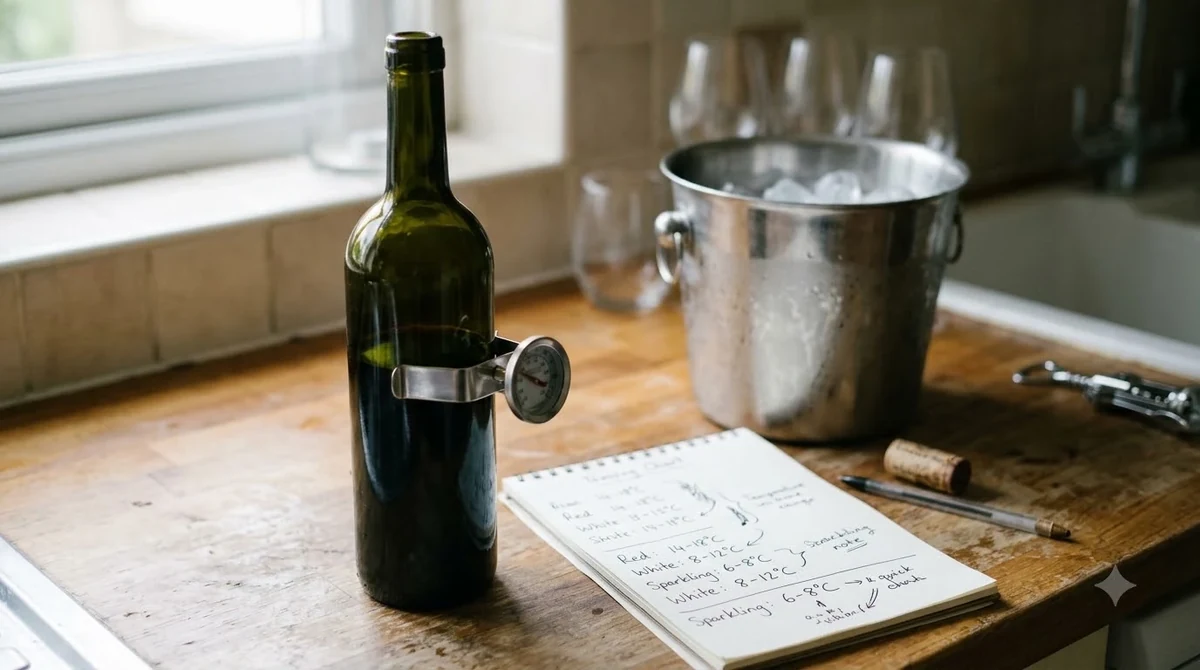
Warm indoor temperatures can make red wine seem more alcoholic and heavy. Full-bodied reds generally benefit from serving around 60–65°F, while lighter reds are often better at 55–60°F. White wines should usually be cooler, with Sauvignon Blanc and Pinot Grigio served around 45–50°F.
Chardonnay is generally more expressive at approximately 50–55°F. Moscato and other sweet whites are often best around 43–50°F. A brief period in the refrigerator can make a noticeable difference when a bottle has been stored in a warm kitchen.
Pairing Wine Without Considering Acidity
Food acidity is another important consideration. A dish containing lemon, vinegar, tomatoes, or a sharp dressing can make a low-acidity wine taste flat. Sauvignon Blanc is often a more natural match for acidic salads and citrus-based seafood dishes because it typically has high acidity.
Conversely, tannic reds can clash with oily fish, especially when the fish has a delicate flavor. A lighter Pinot Noir may be more appropriate than a heavily structured Cabernet Sauvignon, depending on the preparation.
Expecting Every Bottle to Have the Same Complexity
Yellow Tail’s main appeal is accessible, approachable wine rather than highly specialized expressions of individual vineyards. A casual Shiraz and a premium regional Australian Shiraz should not automatically be judged by the same expectations.
Wine Enthusiast’s 85-point assessment of its reviewed 2021 Shiraz is a useful reminder that a wine can be considered suitable for everyday drinking without being positioned as a top-tier example of its grape variety. Matching expectations to the intended drinking occasion leads to a more reasonable assessment.
Care and Storage Tips
Proper storage and serving conditions help preserve the fruit character of Yellow Tail wines. Most bottles in the collection are intended for relatively straightforward enjoyment, so complicated cellar equipment is unnecessary for ordinary household use.
Store Bottles Away From Heat and Sunlight
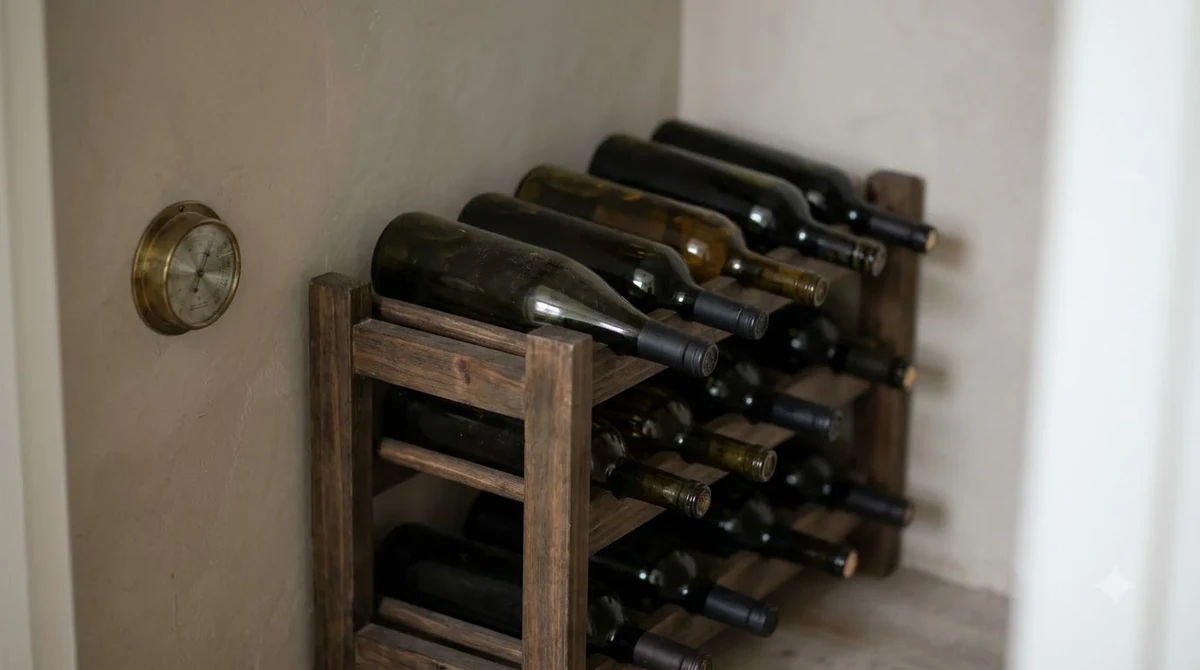
Keep unopened wine in a cool, dark location, ideally near 55°F, with relatively stable temperatures. Avoid leaving bottles beside ovens, radiators, sunny windows, or other heat sources. Repeated temperature changes can negatively affect wine quality.
Traditional cork-finished bottles are generally stored on their sides to help keep the cork from drying out. Screw-cap bottles do not require horizontal storage for cork maintenance, although keeping them in a cool, dark location remains important.
Use the Right Serving Temperature
Serving temperature can change how a wine feels and smells. A full-bodied Cabernet Sauvignon or Shiraz generally benefits from approximately 60–65°F rather than a warm room temperature. A lighter Pinot Noir is often more refreshing around 55–60°F.
For whites, use approximately 45–50°F for Sauvignon Blanc and Pinot Grigio, and 50–55°F for Chardonnay. Sweet whites such as Moscato are generally best around 43–50°F. Avoid serving every white wine directly from an extremely cold refrigerator because excessive chilling can mute aroma and flavor.
Preserve Opened Bottles
Once opened, reseal the bottle and refrigerate it. A standard still red or white wine generally keeps for approximately 3–5 days under refrigeration, although freshness varies according to the wine, storage conditions, and exposure to oxygen.
For sparkling wine, expect approximately 1–3 days with an appropriate sparkling-wine stopper. Fortified wines can last several weeks after opening, while bag-in-box wines generally remain usable for approximately 4–6 weeks, depending on the product and storage.
Before serving an opened bottle again, look for changes in aroma, flavor, and appearance. A wine that has developed pronounced vinegar-like aromas or an unpleasant oxidized character may no longer be enjoyable. Refrigeration slows deterioration but does not stop it completely.
Decant Only When It Helps
Decanting is not necessary for every Yellow Tail red wine. Younger, full-bodied reds can benefit from approximately 30–60 minutes of aeration if their tannins seem particularly firm or their aromas initially seem restrained.
For a casual bottle of Merlot or Pinot Noir, opening the bottle shortly before serving is often sufficient. There is little reason to complicate a simple weeknight dinner with unnecessary preparation.
Frequently Asked Questions
Is Yellow Tail wine made in Australia?
Yes. Yellow Tail is associated with the Casella family winery in Yenda, New South Wales, Australia. Its American range is marketed as Australian wine, although individual bottles may identify more specific geographical information on their labels. The brand’s family winemaking history began before the Yellow Tail label itself was introduced.
Does Yellow Tail use screw caps or traditional cork closures?
Closure type can vary between individual products, bottle sizes, and markets. A screw cap does not automatically indicate lower wine quality, and it can make everyday bottles easier to open and reseal. Check the physical closure when purchasing if this feature is important to you.
Can Yellow Tail wine be used for cooking?
Yes, dry Yellow Tail red and white wines can be used in suitable recipes. Shiraz or Cabernet Sauvignon can contribute fruit and depth to beef stews and red-wine sauces, while Chardonnay or Sauvignon Blanc can work in certain seafood and chicken preparations. Avoid choosing a sweet Moscato for a recipe that specifically requires dry wine.
Does Yellow Tail produce organic wine?
The existence of a brand-wide organic certification should not be assumed from its general marketing or Australian origin. Organic certification applies to specific products and production standards. Consumers looking for certified organic wine should look for the relevant certification on the individual bottle and verify the product’s certification details.
Is Yellow Tail wine suitable for wine cocktails?
Yes. Straightforward fruit-forward wines can work well in sangria, spritz-style drinks, and other wine-based cocktails. Yellow Tail also maintains a cocktail collection and publishes recipes featuring wine-based drinks. For homemade sangria, a fruity red blend can be a practical base, while sparkling wine works for lighter celebratory drinks.
Yellow Tail is best understood as an accessible Australian wine collection with options for different sweetness preferences, grape varieties, and occasions. Shiraz and Cabernet Sauvignon are sensible choices for fuller reds, Chardonnay suits drinkers who prefer richer whites, and Sauvignon Blanc or Pinot Grigio provides a fresher alternative. Choose according to your preferred taste rather than the brand name alone, and serve each style at the appropriate temperature to get the most enjoyment from the bottle.
More in Wine Brands
 Underwood Wine Price: Compare Bottles, Cans, and Pack SizesUpdated Nov 21, 2026
 Zenato Wine Price: Compare Styles and Choose the Right BottleUpdated Nov 21, 2026
 Zuccardi Wine Price: Compare Bottles and Find the Right RangeUpdated Nov 21, 2026
 Yellow Tail Moscato Review: Taste, Sweetness and Serving TipsUpdated Nov 21, 2026
 Wolf Blass Yellow Label Review: Choose Your Best StyleUpdated Nov 21, 2026
 Wolffer Estate Rose Review: Choose the Right Bottle for Your TableUpdated Nov 21, 2026