

We may earn a commission when you buy through links on this page, at no extra cost to you. Learn more.
Yellow Tail wine is an Australian brand made by the Casella family in Yenda, New South Wales, and sold widely in the United States since 2001. The label is known for easy-drinking reds, whites, rosé, and sparkling wines, plus sangria and ready-to-serve cocktail styles. This guide covers the brand’s background, the range, and how to choose and serve a bottle.
Few imported wines are as familiar on American shelves as Yellow Tail. Its kangaroo label and simple, friendly messaging made it a fixture in grocery stores, wine shops, and restaurants. Behind that familiarity is a family story that starts in Sicily and runs through a winery in the Riverina, which is worth knowing if you want to understand what the brand is trying to deliver.
What Yellow Tail Is
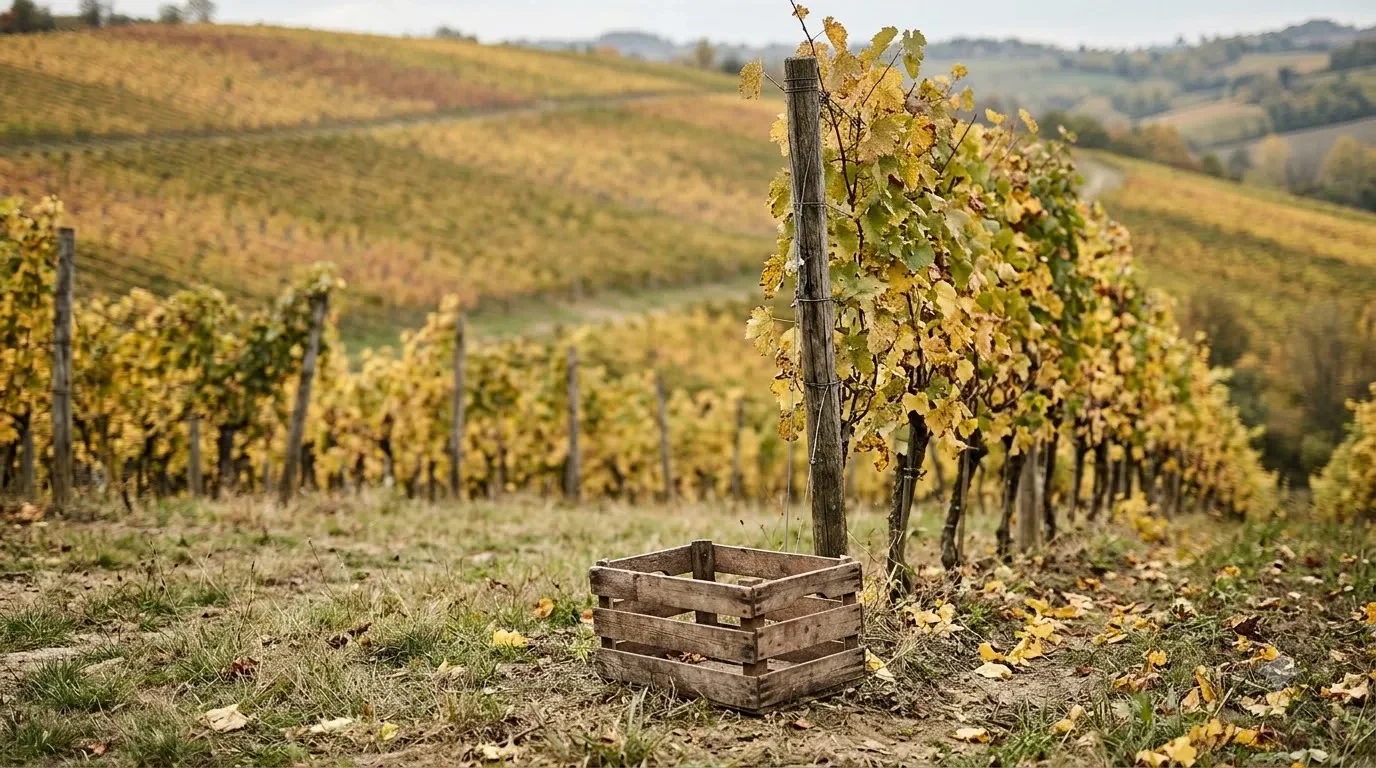
Yellow Tail is produced by the Casella family, whose winery sits in Yenda, New South Wales, in Australia’s Riverina region. The brand’s own story describes the family as having made wine in Yenda for six generations, which places its winemaking roots well before the brand itself. The company’s aim has always been practical: wine that is easy to choose, easy to drink, and easy to understand.
That aim shows up in the packaging, the naming, and the style of the wines. Rather than asking shoppers to learn a long list of appellations and vintages, the brand organizes its range by color and style. For many buyers, that simplicity is the main reason to pick up a bottle.
From Sicily to the Riverina: The Casella Story
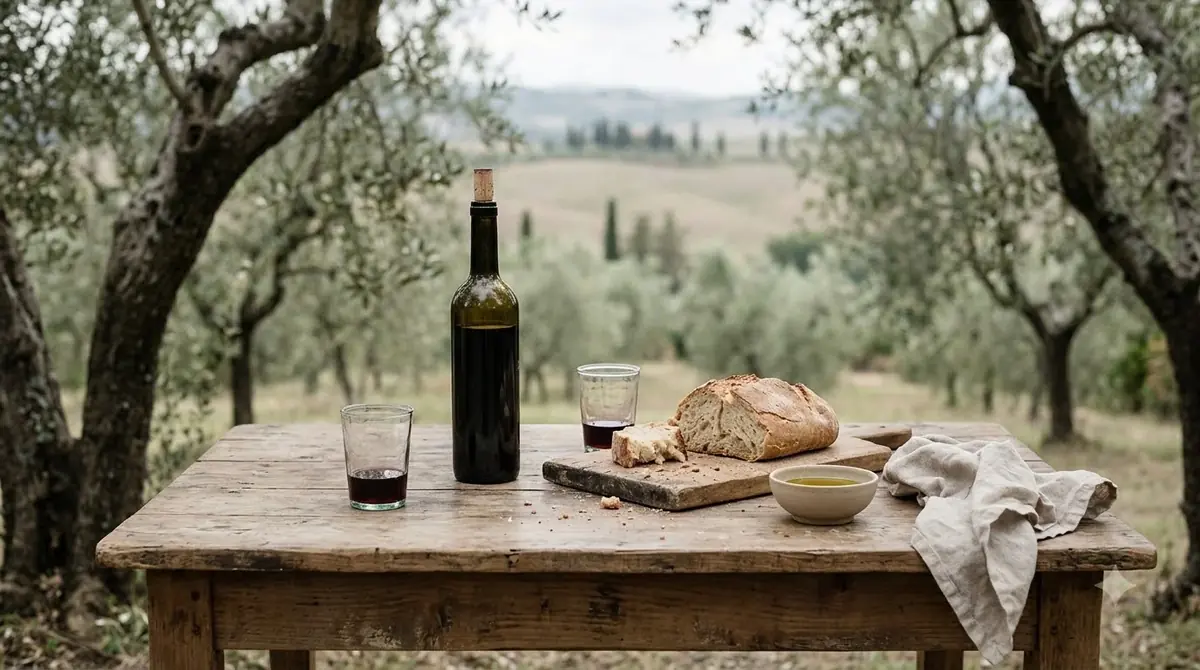
The brand’s roots trace to Filippo and Maria Casella, who emigrated from Sicily to Australia. Sources agree they arrived in 1957, although the brand’s own timeline gives a 1969 date for when the family established its winery, and the two dates are not fully reconciled. The family had Sicilian winemaking traditions, and the brand’s story emphasizes the sense of bringing people together over a glass.
John Casella, the next generation, carried that spirit into the modern brand. The brand’s story says he set out in 2001 to create a wine that was fun, approachable, and clear to shoppers. The company’s own account says the first year in the United States sold over one million cases, against an original goal of 25,000. Those figures come from the brand’s own materials, so treat them as the company’s account rather than an independent audit.
For more background on how brands like this one moved from a family cellar to a national name, the wine brands guide is a useful companion read.
The Range: Reds, Whites, Rosé, and Sparkling
The current lineup covers the core styles most shoppers look for. The brand’s site lists red, white, rosé, and sparkling wines, along with sangria, Popping Prosecco, Light and Bright lower-alcohol wines, and sparkling cocktails. The exact bottlings can change, so the table below describes the styles rather than specific releases.
| Style | What to expect | Good for |
|---|---|---|
| Red wine | Fruit-forward reds that are easy to drink without much tannin | Burgers, pizza, and casual dinners |
| White wine | Bright, fresh whites with clear fruit | Salads, grilled fish, and warm weather |
| Rosé | Light, fruity pink wine | Patio meals and easy sipping |
| Sparkling and Prosecco | Lively bubbles for celebrations | Brunch, toasts, and mixers |
| Sangria and sparkling cocktails | Ready-to-serve fruit blends | Parties and shared pitchers |
| Light and Bright | Lower-alcohol wines | Lighter drinking or longer evenings |
Sangria and the sparkling cocktail styles sit a little apart from the rest of the lineup. They are built to be mixed, poured, and shared, and the brand’s own cocktail recipes show how they can anchor a party menu. Those ready-to-serve styles save time for hosts who would rather not juggle bottles, mixers, and fruit.
Light and Bright is the other styles worth a closer look. Lower-alcohol wines are a growing category across the market, and this line gives shoppers a way to keep the familiar fruity taste while choosing a gentler drink. It is a practical option for weeknight dinners or afternoons when a full-strength glass feels like too much.
The range is designed for people who want a clear choice without a long tasting. If you are new to wine, starting with a style you already like, such as a fruity white or a rosé, is a simple way to learn what you enjoy.
Flavor Profile and Who It Suits
Yellow Tail’s house style leans toward ripe, fruit-driven flavors and a smooth finish. The reds tend to be less tannic than many older-world wines, which makes them approachable for people who find heavy wines hard to enjoy. The whites focus on clean citrus and tropical notes, and the sparkling wines are built for freshness rather than complexity.
Texture is part of the appeal as well. Smooth reds and soft, rounded whites are easier to sip slowly than wines with sharp acidity or heavy tannin, which is why the brand often shows up at backyard gatherings and game nights. The overall feel is friendly rather than demanding, and that is the experience the brand sets out to offer.
The brand is a good fit for casual drinkers, hosts who want a crowd-pleaser, and people building their confidence with wine. Connoisseurs who prefer layered, age-worthy bottles may find the range too simple, but that is a matter of taste rather than quality. Judging the brand by its purpose makes the choices easier to understand.
How to Serve and Pair
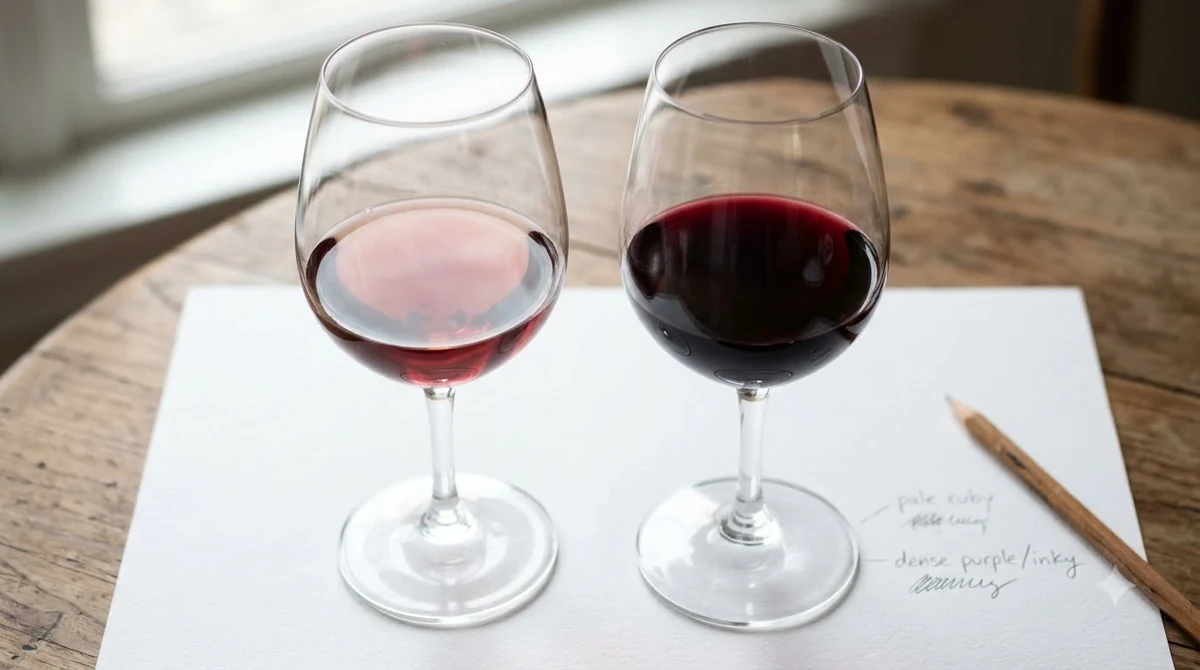
Serving temperature has a big effect on these styles. Whites, rosé, and sparkling wines are best well chilled, while reds taste better slightly cool rather than warm. Keeping the bottle in the refrigerator for a while before serving gives the best balance.
For pairing, the lighter styles suit chicken, seafood, soft cheeses, and fresh salads. The reds go well with burgers, grilled sausages, pasta with tomato sauce, and pizza. Sangria and sparkling cocktails work best as party drinks alongside finger food and fruit platters.
Glassware and open-bottle habits help too. A standard wine glass works for every style on the list, and sparkling wine keeps its bubbles longer in a narrow flute. Recork a partly finished bottle and store it in the refrigerator, since the lighter styles lose freshness over a few days after opening.
Because many bottles are meant for casual meals, you do not need to plan a complicated menu around them. Matching the wine to the main flavor of the dish is usually enough.
How to Choose the Right Bottle
Think about who is drinking as well as what they are eating. A mixed group often does best with a red and a white, while a crowd that likes bubbles will reach for the sparkling options first. Buying two or three styles and letting guests choose is a simple way to avoid leftovers of a style nobody wanted.
Begin with the occasion. For a relaxed evening, a red or white from the core range is a sensible choice. For a celebration, the sparkling options give a festive touch. If you are hosting a group, a sangria or sparkling cocktail can cut down on the work of mixing drinks while still feeling special.
Shoppers who like the brand’s easy style often look at other fruit-forward labels next. Brands such as Barefoot Wine and Stella Rosa Wine cover similar moods, and La Marca Prosecco is a natural next step for anyone who enjoys the brand’s sparkling styles.
Frequently Asked Questions
Where is Yellow Tail wine made?
Yellow Tail is made by the Casella family in Yenda, New South Wales, Australia. The brand is sold in many countries and is one of the best-known Australian wine names internationally.
When did Yellow Tail launch in the United States?
The brand’s US launch is generally dated to 2001, when John Casella set out to create a wine that was approachable for American drinkers. The brand’s own materials describe that first year as a strong start.
Is Yellow Tail wine sweet?
Many of its wines are fruit-forward and smooth, but styles differ. Check the individual label or product description, since the sweetness can vary between red, white, rosé, and sparkling options.
What is the difference between Yellow Tail and Light and Bright?
Light and Bright is the brand’s lower-alcohol line. It keeps the same easy, fruity approach in a lighter format, so it suits shoppers who want a gentler drink or a longer evening.
Yellow Tail is a simple, friendly way to enjoy wine with a clear family story behind it. Pick a style that matches the occasion, chill it properly, and pair it with food you already like. For the brand’s own account of how it started, see the Yellow Tail story page.
More in Wine Brands
 Underwood Wine Price: Compare Bottles, Cans, and Pack SizesUpdated Nov 21, 2026
 Zenato Wine Price: Compare Styles and Choose the Right BottleUpdated Nov 21, 2026
 Zuccardi Wine Price: Compare Bottles and Find the Right RangeUpdated Nov 21, 2026
 Yellow Tail Moscato Review: Taste, Sweetness and Serving TipsUpdated Nov 21, 2026
 Wolf Blass Yellow Label Review: Choose Your Best StyleUpdated Nov 21, 2026
 Wolffer Estate Rose Review: Choose the Right Bottle for Your TableUpdated Nov 21, 2026