


We may earn a commission when you buy through links on this page, at no extra cost to you. Learn more.
Yellow Tail red wine is a line of fruit-forward, easy-drinking reds from the Australian producer Casella Family Brands, sold widely across the United States. The range includes familiar varietals such as Shiraz, Cabernet Sauvignon, Merlot and Pinot Noir. Most people buy it as an affordable everyday bottle for casual dinners, gatherings and simple food pairings.
This guide looks at the reds in the Yellow Tail lineup, how they tend to taste, how they are priced in general terms, and how they compare with other mass-market brands. If you are deciding what to bring home or what to serve with dinner, the sections below give you a practical starting point.
What Is Yellow Tail Red Wine?
Yellow Tail red wine is the red side of an Australian wine brand produced by Casella Family Brands. The company is based in Yenda, New South Wales, and the Casella family began making wine after emigrating from Sicily. Yellow Tail was created to move the family winery into the bottled wine market, after years of supplying bulk wine to other producers.
The brand found its biggest success in the United States. According to the Wikipedia entry on Yellow Tail, it became the number one imported wine to the United States in 2011. Its bold animal-themed label also helped popularize the wave of animal labels that followed on American shelves.
Keep in mind that the Yellow Tail name covers the whole range, not only reds. The brand also makes white wines, rosé, sparkling wine and sweeter, lighter styles. When you shop, read the varietal name on the front label so you know exactly which red you are picking up.
Yellow Tail Red Varieties
The red lineup centers on a handful of well-known grape varieties. The exact mix and labels can change over time, so check the current bottle or the brand’s website before you buy.
| Red varietal | What to expect | Good with |
|---|---|---|
| Shiraz | Smooth and fruit-forward, with a rich, generous style | Hearty dinners, burgers and barbecue |
| Cabernet Sauvignon | A classic red with darker fruit and a firmer finish | Roast meats and aged cheeses |
| Merlot | Softer and rounder, with plummy red fruit | Tomato-based pasta and roast chicken |
| Pinot Noir | Lighter in body, with red berry and earthy notes | Salmon, mushroom dishes and poultry |
| Grenache | Juicy and bright, with red fruit and gentle spice | Grilled vegetables and lighter meats |
The brand’s Australian wine listing groups its reds under the heading Bold, Flavourful Reds. That page describes the range as going from smooth Shiraz to classic Cabernet Sauvignon. Wikipedia adds that the varietal line also includes Merlot, Grenache and Pinot Noir, and that each wine has its own label colour.
Flavor Profile and Sweetness Level
Yellow Tail reds are generally approachable and fruit-led rather than austere. The brand’s own copy describes them as bursting with flavor and ready to enjoy without much fuss. Most drinkers will notice ripe red fruit before anything else.
Some of the descriptions on the brand’s listing mention juicy red berries with hints of vanilla and spice. Others mention a soft sweetness that reads more as ripe fruit than as sugar. Because the sources do not publish exact sugar levels for each bottle, the safest approach is to read the back label and the producer’s own product details.
Do not confuse the core reds with the brand’s lighter styles. The brand’s site describes a separate Light and Bright range as lower in alcohol and calories. If you want a softer, less intense red, look for that wording rather than assuming every bottle tastes the same.
If you are new to red wine, start with the Merlot or Pinot Noir for a gentle introduction. Choose Shiraz or Cabernet Sauvignon when you want more weight and a bolder finish on the palate.
Price and Where to Buy
Yellow Tail is generally positioned as an affordable everyday red, which is a big part of its appeal. Shelf prices vary by state, store and promotion, so the price you see will depend on where you shop. Check your local retailer or its app for current pricing.
Buy from established retailers whenever possible. Wikipedia notes that shops in the Birmingham area of England were found selling fraudulent bottles in 2021 after a buyer complained. Staying with reputable sellers is a sensible habit with any popular brand.
When you open a bottle, check that the label, seal and fill look normal. If something seems off, return it to the seller rather than drinking it. This simple habit protects you more than any price comparison does.
Food Pairings and How to Serve Yellow Tail Reds
Yellow Tail reds suit everyday American meals better than delicate tasting menus. Their fruit and approachable tannins make them easy partners for burgers, pasta with red sauce and grilled dishes. Pick a red that matches the weight of the food.
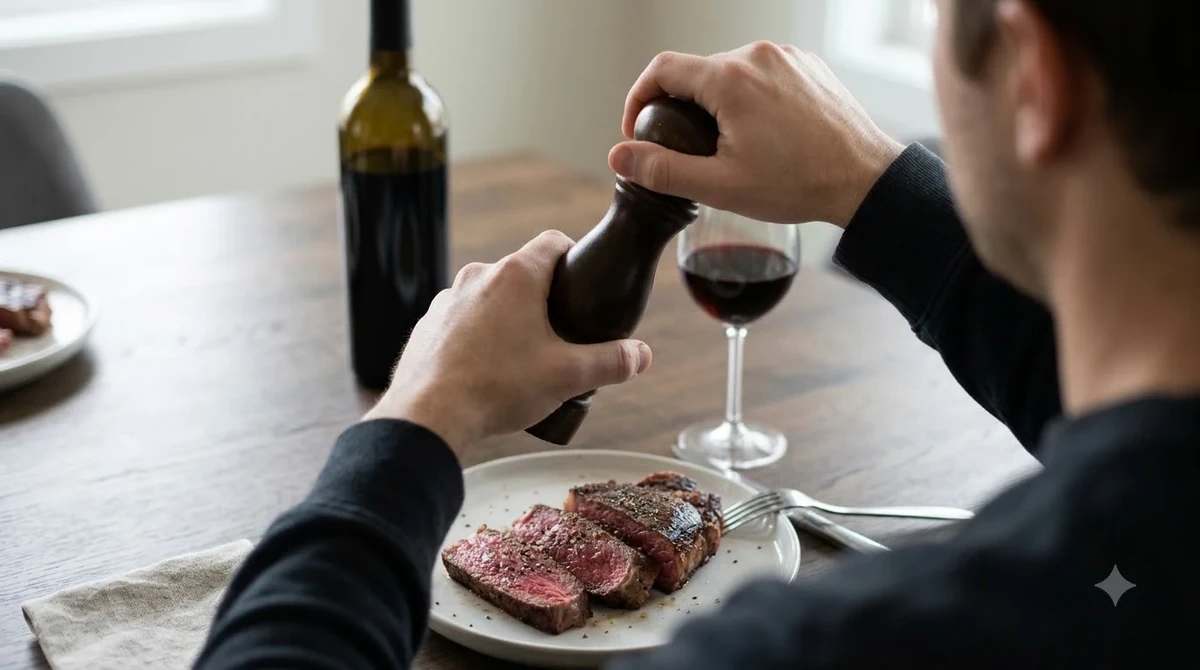
Match lighter reds such as Pinot Noir with salmon, roast chicken and mushroom dishes. Pair fuller styles like Shiraz and Cabernet Sauvignon with grilled steak, burgers and sharp cheddar. A Merlot works well with spaghetti, meatballs and pizza.
Follow these steps for the best serving experience:
- Stand the bottle upright for about thirty minutes if it has been stored warm, so it reaches a more comfortable serving temperature.
- Serve reds slightly cooler than room temperature, especially lighter styles like Pinot Noir.
- Pour a moderate amount into a standard wine glass so the aroma can open up.
- Recork any leftover wine and keep it in a cool place, then finish it within a few days for the freshest taste.
Store unopened bottles away from heat and direct sunlight. Keep them in a cool, steady spot rather than in a car or near a kitchen appliance. Good storage keeps fresh, fruit-driven reds tasting lively.
Yellow Tail vs. Other Affordable Wine Brands
Yellow Tail competes with many mass-market brands that offer consistent, easy-drinking wines at accessible prices. Its main strengths are a wide varietal range, clear labels and a familiar house style. Compare it with others based on what you want from a bottle.
| Factor | Yellow Tail reds | Typical mass-market rivals |
|---|---|---|
| House style | Fruit-forward and consistent across bottles | Varies by brand, from fruit-led to drier styles |
| Label clarity | Varietal names and label colours help identify each wine | Some brands use blends or fanciful names |
| Range | Multiple reds plus whites, rosé and sparkling | Some brands focus on fewer styles |
| Best for | Easy everyday reds and casual gatherings | Depends on the brand and the style you prefer |
If you are also shopping for whites, the Avaline white wine guide offers a useful comparison of another accessible, everyday style. Readers who compare labels in this price range often look at the 14 hands hot to trot wine profile as well.
The best way to decide is to taste a few options side by side at home. Pay attention to fruit, body and finish, then keep the bottles that suit your meals. For more brand overviews, the Wine Brands section groups related guides in one place.
Frequently Asked Questions
What is the most popular Yellow Tail red?
Shiraz and Cabernet Sauvignon are the most recognizable reds in the range, and the brand highlights them as headline styles. Popularity can shift over time and by region. Check your local store or the brand’s current listing for the latest picture.
Is Yellow Tail red wine sweet?
Most Yellow Tail reds are described as fruit-forward and easy to drink, with ripe red fruit that can taste slightly soft. Exact sugar levels are not listed in the sources used here. Read the back label or product details for each bottle if sweetness matters to you.
Can you serve Yellow Tail red slightly chilled?
Yes, especially lighter reds such as Pinot Noir or Grenache. Serving them a little cooler than room temperature can make the fruit taste brighter. Fuller reds like Cabernet Sauvignon are often enjoyed a bit warmer.
Where is Yellow Tail red wine made?
The brand is produced by Casella Family Brands and is based in Yenda, New South Wales, Australia. The grapes come from a mix of its own vineyard in the Riverina and other vineyards in south-eastern Australia. The bottle label usually shows the region where the wine was made.
Yellow Tail red wine is a practical choice for everyday drinking when you want easy, fruit-forward flavors. Start with the varietal that matches your meal, then compare a few bottles to find your favorite. Read labels carefully, and enjoy responsibly.
More in Wine Brands
 Underwood Wine Price: Compare Bottles, Cans, and Pack SizesUpdated Nov 21, 2026
 Zenato Wine Price: Compare Styles and Choose the Right BottleUpdated Nov 21, 2026
 Zuccardi Wine Price: Compare Bottles and Find the Right RangeUpdated Nov 21, 2026
 Yellow Tail Moscato Review: Taste, Sweetness and Serving TipsUpdated Nov 21, 2026
 Wolf Blass Yellow Label Review: Choose Your Best StyleUpdated Nov 21, 2026
 Wolffer Estate Rose Review: Choose the Right Bottle for Your TableUpdated Nov 21, 2026