

We may earn a commission when you buy through links on this page, at no extra cost to you. Learn more.
Chardonnay with cheese works best when the style of wine matches the style of cheese, so a lean, unoaked Chardonnay suits fresh and mild cheeses while an oaked Chardonnay suits creamy, buttery cheeses. Acidity keeps a crisp wine lively next to soft cheese, and the wine’s oak and body can stand up to richer, nuttier cheeses. Matching weight to weight is the simplest rule for building a cheese board around this grape.
Cheese and Chardonnay are a classic pair, but the right match depends on which Chardonnay is in the glass. A lean bottle from a cool region tastes very different from a barrel-aged one with vanilla and butter. This guide explains how to match each style to cheese, which textures work best together, and how to build a simple board or dinner course around the wine.
Why Chardonnay and Cheese Work Together
Cheese is rich in fat and protein, and that fat can make a wine taste flat or sour if the wine lacks structure. Chardonnay has enough acidity to cut through the richness, and its fruit and texture give the cheese something to balance against. The result is a combination that feels fresh rather than heavy.
The tannin that matters for red wine pairings plays a small role here, since Chardonnay has little tannin. Instead, acidity and oak do most of the work. Acidity refreshes the palate after each bite, while oak adds vanilla and spice that echo the nutty and savory notes in aged cheeses. Understanding those two levers makes it easier to choose the right cheese for the wine you have.
Unoaked Chardonnay With Fresh and Mild Cheeses
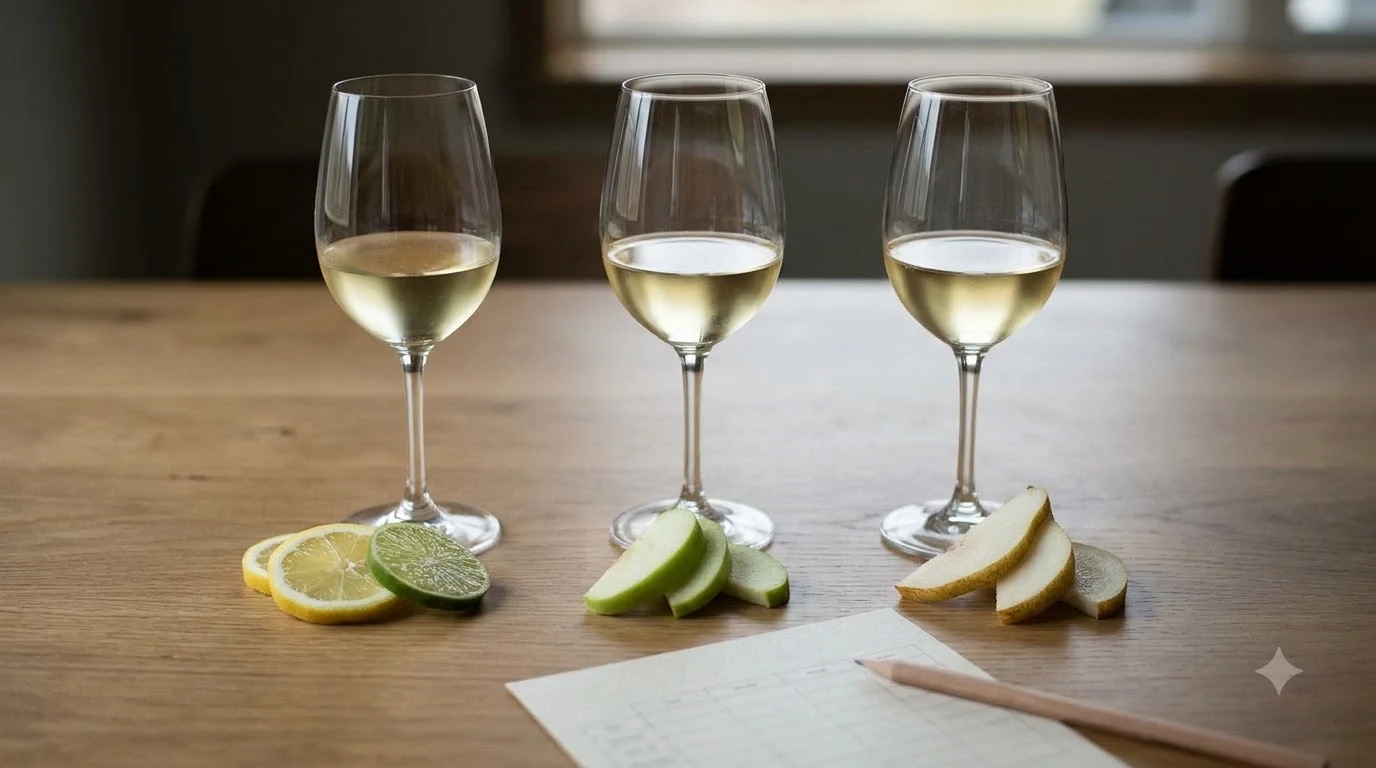
Unoaked Chardonnay is crisp and lean, with green apple, pear and citrus notes. Wine Folly’s Chardonnay guide describes lean styles like Chablis as having high acidity and a freshness similar to Sauvignon Blanc, but with more body. That acidity makes unoaked wines a good match for fresh and mild cheeses, because the wine does not overpower their delicate flavor.
Fresh goat cheese, fresh mozzarella, mild Swiss and young cheddar work well with this style. The cheese stays soft and creamy while the wine keeps the palate clean. A squeeze of lemon on the cheese or a few herbs on the board can reinforce the wine’s citrus and freshness. Avoid strong blue cheeses with a lean Chardonnay, since their intensity can make the wine taste thin.
| Chardonnay style | Cheeses that suit it | Why it works |
|---|---|---|
| Unoaked, lean | Fresh goat cheese, mozzarella, mild Swiss, young cheddar | Acidity balances soft, creamy texture |
| Lightly oaked | Brie, Camembert, young Gouda | Body matches a creamy rind and gentle richness |
| Oaked, Burgundian style | Aged Comté, aged Gouda, Gruyère, Parmesan | Oak and nutty notes echo the cheese |
| Rich, buttery oaked | Double cream or triple-cream cheeses, mild blues | Full texture and butter notes stand up to richness |
Oaked Chardonnay With Creamy and Aged Cheeses
Oaked Chardonnay has more body and a creamy texture, with vanilla, butter and baking spice from barrel aging. The oak and fuller mouthfeel give it enough weight to stand next to a creamy or aged cheese without disappearing. This is the style most people think of when they pair Chardonnay with cheese.
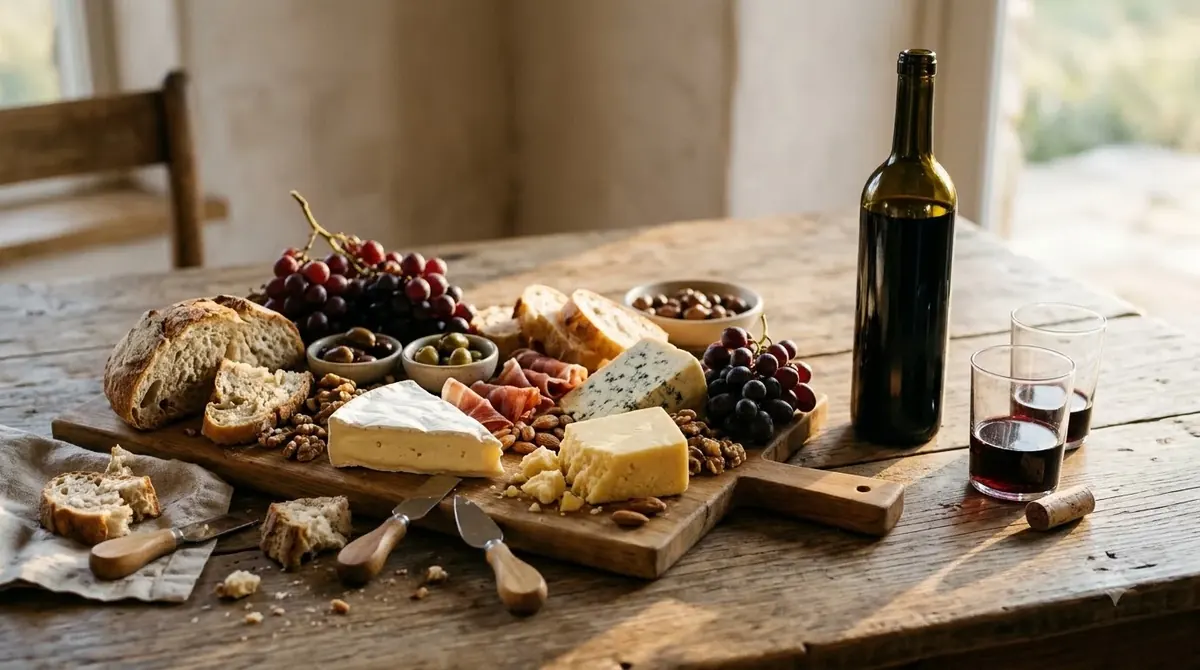
Brie, Camembert and triple-cream cheeses share the creamy texture of an oaked wine, so the two can feel like one smooth bite. Aged Gouda, Comté and Gruyère have nuttier, savory flavors that echo the toasted notes from oak. Parmesan adds salt and crystal texture that contrast nicely with the wine’s round body. Serve these with crackers or sliced apples so the fruit bridges the wine and the cheese.
Matching Texture, Not Only Flavor
Texture is often more important than flavor when pairing cheese with wine. Soft, spreadable cheeses need a wine with enough acidity to clean the palate, while hard, crumbly cheeses can handle a wine with more body and tannin. Chardonnay offers a range of textures, so you can choose a style to match the cheese rather than forcing one wine to work with everything.
A good test is to taste the wine and cheese separately, then together. If the wine tastes sour or thin after the cheese, choose a richer bottle. If the cheese tastes greasy or heavy, choose a leaner, more acidic wine. Most matches improve with a small amount of salt or fruit, so keep crackers, nuts and fresh fruit on hand.
Building a Cheese Board Around Chardonnay
A simple board works best with three to five cheeses and a few accompaniments. Choose one fresh cheese, one soft or bloomy cheese, one aged cheese and, if you like, one blue. Add green or red grapes, sliced apples or pears, honey, and unsalted nuts. Crackers should be plain so they do not compete with the wine.
Arrange the board from mild to strong, and serve the lighter Chardonnay first. Open a richer, oaked bottle when the board moves to aged and creamy cheeses. This order keeps each glass tasting clear and gives guests a sense of progression through the evening. Serve the wine chilled, around 45 to 55°F, as Wine Folly suggests for white wines of this kind.
Chardonnay and Cheese in a Meal
Serving cheese as a course between the main dish and dessert works well with Chardonnay. Pour a lean bottle with a light starter and an oaked one with the main course, then move to a creamy cheese with the richer glass. Guests often find that the second wine tastes softer after a bite of fresh cheese, which is a useful reminder that the order of tasting affects how each glass feels.
Chardonnay also works well with cheese in cooked dishes. A creamy pasta sauce with Parmesan or Gruyère pairs with an oaked bottle, and a dish of baked goat cheese on greens suits a lean, unoaked wine. VinePair’s pairing guide notes that oaked Chardonnay is often served with lobster, seafood in butter sauce and roast chicken, so cheese-rich sauces fit into that same family of dishes.
When you cook with cheese, keep the wine in the same family. Use a lean Chardonnay in a fresh goat cheese dish, and use an oaked one in a rich gratin. For more cooking and pairing ideas across styles, the wine by type section gives an overview of the main white and red families.
Frequently Asked Questions
What cheese goes best with Chardonnay?
Brie, Camembert and aged Gouda are reliable choices with an oaked Chardonnay, while fresh goat cheese and mild Swiss suit an unoaked bottle. Match the wine’s body and oak level to the cheese’s creaminess and age.
Can you pair blue cheese with Chardonnay?
Mild blue cheeses can work with a rich, oaked Chardonnay. Strong blues are usually better with a sweeter wine, since a dry Chardonnay can taste thin next to intense blue flavors. Try a small piece first to check the balance.
Is oaked or unoaked Chardonnay better with cheese?
Neither is better in every case. Oaked Chardonnay suits creamy and aged cheeses, and unoaked Chardonnay suits fresh and mild cheeses. The right choice depends on the cheese you are serving.
What else goes on a board with Chardonnay and cheese?
Plain crackers, sliced apples or pears, grapes, honey and unsalted nuts all work well. They add texture and fruit without overwhelming the wine, and they help the cheese and the wine feel balanced.
Chardonnay and cheese reward a little planning. Choose a lean bottle for fresh cheeses, an oaked one for creamy or aged cheeses, and build the board from mild to strong. For a related pairing guide, read Chardonnay carbs to plan a lighter evening, or browse the wine by type section to choose your next bottle.
More in Wine Types & Grapes
 Zinfandel Sugar Content: Dry Red vs. White Zinfandel GramsUpdated Nov 21, 2026
 Best Zinfandel Substitute Options for Sipping and CookingUpdated Nov 21, 2026
 Zweigelt Food Pairing: Best Dishes, Cheeses, and Serving TipsUpdated Nov 21, 2026
 Zinfandel Tannins Explained: How Structure Shapes Every BottleUpdated Nov 21, 2026
 Zinfandel Sweetness Level: Dry Red vs. Sweet White Zin ExplainedUpdated Nov 21, 2026
 Xinomavro Food Pairing: Best Dishes, Styles, and Serving TipsUpdated Nov 21, 2026