

We may earn a commission when you buy through links on this page, at no extra cost to you. Learn more.
Yellow Tail Cabernet Sauvignon is a red wine from Australia, made by the family-owned Casella winery and aimed at easy, everyday drinking. It is a dry, full-bodied red with the dark fruit and firm tannin that Cabernet Sauvignon is known for, and it is usually served with grilled meat or rich dishes. This guide covers where the wine comes from, what the grape generally tastes like, how to serve it, and what to pair it with.
Yellow Tail is a widely sold wine brand, and its Cabernet Sauvignon is often the first red many shoppers try from the label. Some shoppers come to it expecting a style that matches the brand’s lighter reputation, so it helps to know what the grape itself brings to the glass. Knowing what the grape does on its own helps you judge what you are drinking and whether it suits your table.
Who Makes Yellow Tail and Where the Wine Comes From
Yellow Tail is produced by the Casella family, which the brand describes as a family-owned winery with six generations of winemaking. According to the Yellow Tail website, the story began in 1957, when Filippo and Maria Casella moved from Sicily to Australia. The winery is based in Yenda, Australia, and the brand says its wines were created to be shared at any occasion.
The brand’s site describes itself as the world’s number one Australian wine brand, citing IWSR value and volume sales for 2023. That is a claim made by the producer, so treat it as the company’s own position rather than an independent ranking. The range now includes red, white, rosé, sparkling, sangria, and cocktail-style wines, along with a lighter-alcohol line.
What Cabernet Sauvignon Tastes Like
Cabernet Sauvignon has a clear, recognizable profile across most regions. Wine Folly lists black cherry, black currant, cedar, baking spices, and graphite as its main flavors. Warm-climate examples tend to be riper and fuller, while cooler sites give more herbal and savory notes. Regional differences show up clearly: Bordeaux examples often lean toward black currant and tobacco, while Chilean wines tend to show blackberry and fig paste. Australian wines usually sit between these two, with generous fruit and firm structure.
The grape is dry and full-bodied with medium-high acidity and medium-high tannin. Tannin is the drying grip you feel on the gums and tongue, and it is why Cabernet pairs so well with fatty meat. Australian Cabernets are often described as having powerful tannins, which makes them feel structured even when the fruit is generous.
Yellow Tail Cabernet Compared With the Grape Style
The brand’s website does not publish detailed tasting notes for its Cabernet Sauvignon, and it does not describe the oak treatment. The page places the wine among its reds with the line “classic Cab Sauv & everything in between,” which points to a classic, approachable style rather than a heavily oaked one. For the flavor expectations listed above, the general profile of the grape is the most reliable guide. When you open a bottle, check the label for the vintage and any regional note, since the same brand name can taste a little different from one year to the next.
| Factor | Typical Cabernet Sauvignon | What it means for your glass |
|---|---|---|
| Body | Full, dry | Feels substantial, pairs with hearty food |
| Alcohol | 13.5% to 15% ABV (Wine Folly) | Warmth on the finish, more so when served warm |
| Tannin | Medium-high | Grip and structure, softens with food |
| Serving temperature | 60 to 68°F (15 to 20°C) | Cool enough to keep fruit fresh |
How to Serve Yellow Tail Cabernet
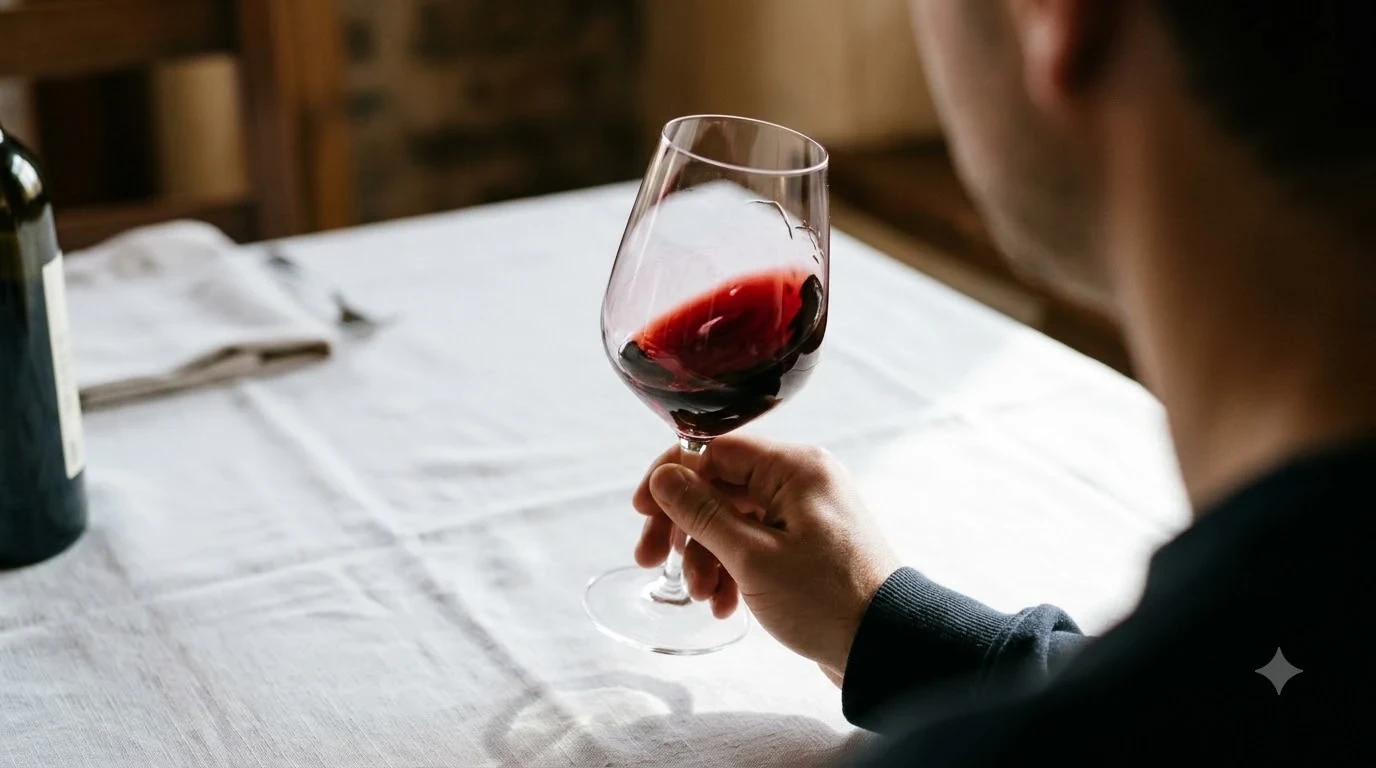
Wine Folly recommends serving Cabernet Sauvignon between 60 and 68°F (15 and 20°C), which is cooler than many people expect for a red. Serving it too warm pushes the alcohol forward and makes the fruit taste heavy, so a short time in the refrigerator before pouring can help. The same source suggests an oversized glass to let the aromas develop.
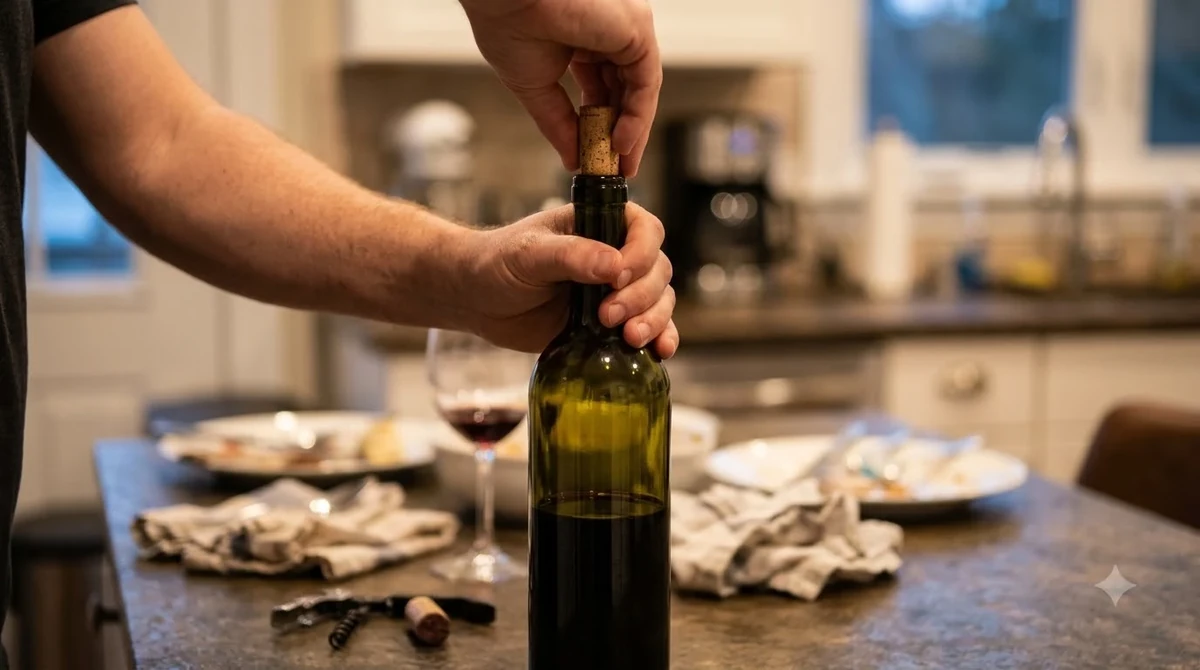
Decanting is optional for an everyday bottle, but it can soften the tannins. Wine Folly suggests decanting for about an hour before serving. If you do not have a decanter, pouring the wine into a pitcher and letting it sit for 30 minutes before serving gives a similar effect in a simple way.
Tip: Open the bottle about 20 minutes before dinner and keep it out of direct sunlight. That short rest is usually enough to bring out the fruit without letting the wine warm up too far.
Food Pairings That Suit a Cabernet
Pairing is mostly a matter of weight. A full-bodied red needs food with enough fat, salt, and flavor to match it, or the wine will taste thin and sharp. When the dish is rich and savory, the wine feels smooth and the fruit becomes easier to find.
Cabernet Sauvignon is at its best with rich, savory food. Its tannin cuts through fat, and its dark fruit stands up to bold seasoning. Wine Folly points to grilled meats, peppery sauces, and boldly flavored dishes as strong matches.
Good choices include steak, burgers with sharp cheese, lamb chops, and braised beef. Mushroom dishes and aged hard cheeses also work well, because their savory depth matches the wine. Lighter fish or delicate salads are better served with a white wine.
Who Yellow Tail Cabernet Suits
Hosts who serve a mixed crowd often look for a red that does not demand much attention. Guests who do not follow wine closely usually appreciate a red they can recognize. A straightforward Cabernet can sit alongside a barbecue, a pasta dinner with meat sauce, or a holiday roast without drawing focus, and that flexibility is a big part of its appeal.
Yellow Tail Cabernet is a practical choice for people who want a familiar red with a clear fruit character and no complicated tasting notes to learn. The brand describes its wines as easy to choose, easy to understand, and easy to enjoy, and that approach fits a weeknight dinner or a casual gathering.
If you prefer a lighter red, consider the brand’s other varieties. The Yellow Tail Pinot Grigio is a white option for lighter meals, and the Yellow Tail Chardonnay offers a white with more body. For a sweeter, lower-alcohol choice, the Yellow Tail Moscato is built for a different palate.
Frequently Asked Questions
Is Yellow Tail Cabernet Sauvignon dry or sweet?
Cabernet Sauvignon is a dry grape, and the wine follows that style. The brand does not publish a sweetness figure, but a standard Cabernet has little or no perceptible sugar, so it tastes dry with firm tannin.
How strong is Yellow Tail Cabernet?
The brand does not list alcohol content on its main page. Cabernet Sauvignon from Australia, California, and Chile is typically around 14.5 percent alcohol, according to the general figures published by VinePair, so expect a full-strength red.
Should Yellow Tail Cabernet be decanted?
Decanting is optional. Letting the wine breathe for about an hour can soften the tannins and open the aromas, but a bottle poured straight into a glass is still enjoyable.
What is a good food match for Yellow Tail Cabernet?
Grilled steak, lamb, burgers, and braised beef are classic matches because the wine’s tannin balances their fat. Hard cheeses and mushroom dishes also pair well with its savory depth.
Yellow Tail Cabernet Sauvignon gives a familiar, full-bodied red at an approachable level of complexity. Serve it slightly cool, pair it with grilled or savory food, and it will do what most people want from a Cabernet at the dinner table. For the wider Yellow Tail range, browse the wine brands guide.
More in Wine Brands
 Underwood Wine Price: Compare Bottles, Cans, and Pack SizesUpdated Nov 21, 2026
 Zenato Wine Price: Compare Styles and Choose the Right BottleUpdated Nov 21, 2026
 Zuccardi Wine Price: Compare Bottles and Find the Right RangeUpdated Nov 21, 2026
 Yellow Tail Moscato Review: Taste, Sweetness and Serving TipsUpdated Nov 21, 2026
 Wolf Blass Yellow Label Review: Choose Your Best StyleUpdated Nov 21, 2026
 Wolffer Estate Rose Review: Choose the Right Bottle for Your TableUpdated Nov 21, 2026