

We may earn a commission when you buy through links on this page, at no extra cost to you. Learn more.
Yellow Tail Pinot Grigio is an easy-drinking white from the Australian brand Yellow Tail, made from the Pinot Grigio grape that is best known from Italy. The grape gives a dry, light-bodied wine with fresh acidity and pear, apple and citrus notes, and the Yellow Tail version is aimed at people who want a simple, approachable glass. This guide explains the brand behind the bottle, what Pinot Grigio tastes like, how to serve it and what to pair it with.
Pinot Grigio is one of the most common white wines on store shelves, and the Yellow Tail name is one of the most recognized brands in the category. Shoppers often want to know what they are actually getting in the glass. Understanding the grape and the brand makes it easier to decide whether this wine fits your table, and what to serve with it.
Who Makes Yellow Tail and Where It Comes From
Yellow Tail is a family-owned Australian winery run by the Casella family. According to the brand’s website, the family has made wine for six generations, starting when Filippo and Maria Casella moved from Sicily to Australia in 1957. According to the brand’s official website, the winery is based in Yenda, Australia, and the brand says its wines are meant to be easy to choose, understand and enjoy.
The brand has built its identity around simplicity rather than complicated tasting notes. Its website describes the wines as “never overcomplicated,” and that approach shapes how the range is presented to shoppers who are new to wine. The brand’s larger range also includes sparkling cocktail products, which reflect the same easygoing style.
What Pinot Grigio Is and Where It Grows
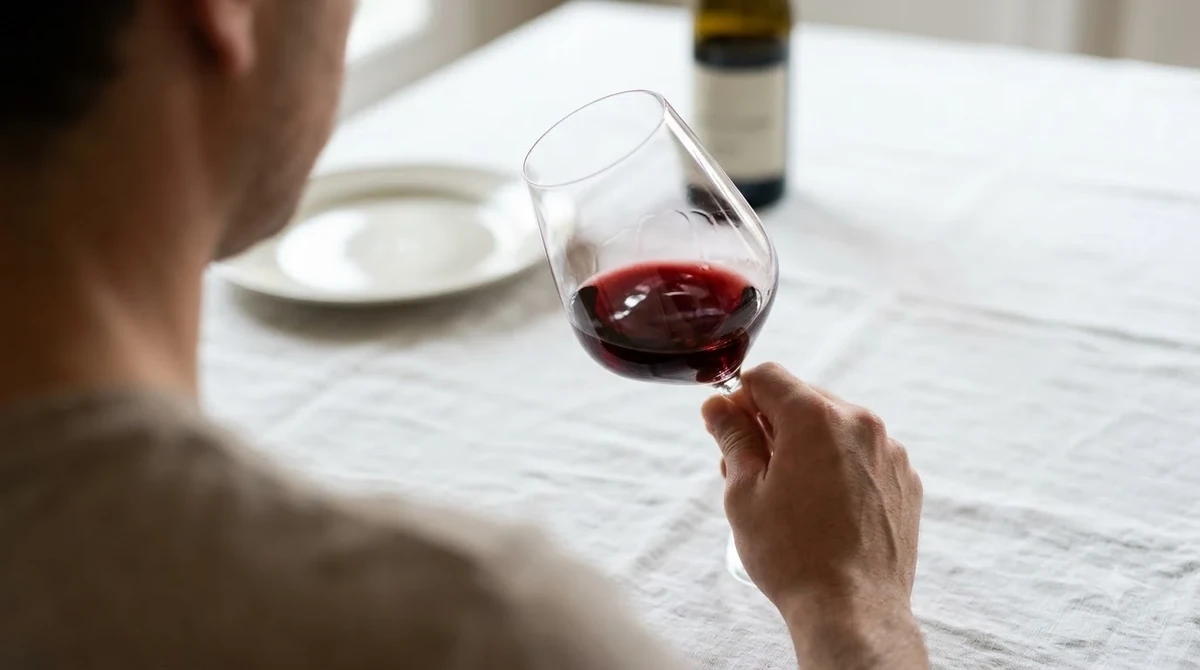
Pinot Grigio is the Italian name for Pinot Gris, a grape that is a color mutation of Pinot Noir. The same grape is called Pinot Gris in France and Grauburgunder in Germany, which can make labels confusing. According to Wine Folly’s overview of the grape, Italy is the largest producer and the name Pinot Grigio is most closely tied to Italian wines.
Other regions produce the grape in distinct ways. Alsace in France is considered by many to be its homeland and makes richer, fuller wines with orchard and tropical fruit. Oregon produces wines with more exaggerated fruit and less acidity than many European examples. Germany’s version is often full-bodied and balanced by lively acidity. The name on the label does not always tell you the style, so the country of origin is a useful clue.
What Yellow Tail Pinot Grigio Tastes Like
Pinot Grigio is generally dry and light to medium in body, with medium-high acidity. Wine Folly lists white peach, lemon zest, cantaloupe and green almond among the typical flavors, and on the nose the grape often shows ripe pear, apple and peach notes. The style is usually fresh, clean and easy to drink on its own.
Italian Pinot Grigio is often described as the lightest and freshest style, with bright acidity and a faint bitter almond note. Wines from the flat plains of Italy can be less interesting, while examples from cooler Alpine foothills tend to show more depth. When you pick a bottle, look at the region on the label and the producer’s description to get a sense of the style.
| Origin | Typical style | What to expect |
|---|---|---|
| Italy | Light and fresh | Bright acidity, pear and green almond notes |
| Alsace, France | Rich and full-bodied | Orchard and tropical fruit, sometimes sweet late-harvest styles |
| Oregon, USA | Medium to full-bodied | More exaggerated fruit, less acidity than European versions |
| Germany | Full-bodied | Lively acidity, sometimes oak-aged |
Tip: If you want the freshest glass of Pinot Grigio, choose a young wine and drink it within a year or two of its release. Pinot Grigio is usually made to be enjoyed early rather than aged.
How to Serve and Store Yellow Tail Pinot Grigio
Serve Pinot Grigio well chilled, since a cool glass highlights the crisp acidity and keeps the wine refreshing. Avoid serving it ice-cold, which can mute the fruit. A standard white wine glass works well and lets the aromas gather near the rim.
Once opened, a bottle keeps best when it is re-corked and refrigerated. Most everyday Pinot Grigio is best finished within a few days of opening, and the fresh character fades faster than in a bolder red. Store unopened bottles on their side in a cool, dark place away from heat and sunlight.
When you are shopping, it helps to read the back label for the grape, the region and any note on the style. Pinot Grigio from a cooler region is often crisper, while a warmer origin can show riper fruit and softer acidity. If you are buying for a group, a simple bottle that matches the most common preference at the table, usually a dry and fresh style, is often the safest choice.
Food Pairings for Pinot Grigio
Pinot Grigio is an easy partner for food because its acidity cuts through rich dishes and its fresh fruit complements light flavors. Seafood is a natural match, especially grilled fish, shrimp and clams with lemon. Chicken with herbs, fresh salads and vegetable pastas also suit the wine well.
Soft cheeses such as fresh mozzarella and goat cheese pair nicely with a crisp Pinot Grigio, and so do light appetizers like bruschetta with tomato. For a richer meal, pair the wine with creamy pasta sauces, where the acidity helps refresh the palate between bites.
How Yellow Tail Pinot Grigio Compares With Other Whites
Pinot Grigio is often compared with Sauvignon Blanc and Chardonnay, which are both common choices for white wine drinkers. Compared with Sauvignon Blanc, Pinot Grigio is usually softer and less herbal. Compared with Chardonnay, it is usually lighter and less influenced by oak, which makes it a practical choice for casual meals.
If you enjoy the Yellow Tail style and want to try related wines from the same brand, our guide to Yellow Tail Chardonnay shows how the brand handles a fuller white. For a different take on the grape from another producer, see our page on Bota Box Pinot Grigio. You can also read more about the wider category in our wine brands section.
Pinot Grigio also works well as a bridge for guests who are not confident about wine. It is light, easy to recognize and rarely overwhelming, so it can be a good opening choice before a heavier red. Serving a glass before dinner and then moving to a richer wine with the main course is a simple way to build a menu around a few bottles.
Frequently Asked Questions
Is Yellow Tail Pinot Grigio dry or sweet?
Pinot Grigio is generally dry, with fresh acidity and light to medium body. Check the bottle’s description for the exact style, since some producers and regions vary in how they make the wine.
What does Pinot Grigio taste like?
The grape often shows white peach, lemon zest, pear and apple notes, with a crisp finish. Italian versions are usually the lightest and freshest, while some other regions produce richer wines.
What food goes well with Pinot Grigio?
Seafood, chicken with herbs, fresh salads, soft cheeses and light pasta dishes are all good matches. The wine’s acidity helps it cut through creamy sauces as well.
Is Pinot Grigio the same as Pinot Gris?
Yes, they are the same grape. Pinot Grigio is the Italian name, and Pinot Gris is the French name. The style can still differ depending on the region and winemaking choices.
Yellow Tail Pinot Grigio is a simple, approachable white that suits casual dinners and easy afternoons. Serve it cool, pair it with light seafood or chicken, and keep an eye on the origin on the label to know what style to expect.
More in Wine Brands
 Underwood Wine Price: Compare Bottles, Cans, and Pack SizesUpdated Nov 21, 2026
 Zenato Wine Price: Compare Styles and Choose the Right BottleUpdated Nov 21, 2026
 Zuccardi Wine Price: Compare Bottles and Find the Right RangeUpdated Nov 21, 2026
 Yellow Tail Moscato Review: Taste, Sweetness and Serving TipsUpdated Nov 21, 2026
 Wolf Blass Yellow Label Review: Choose Your Best StyleUpdated Nov 21, 2026
 Wolffer Estate Rose Review: Choose the Right Bottle for Your TableUpdated Nov 21, 2026