

We may earn a commission when you buy through links on this page, at no extra cost to you. Learn more.
The primary difference in chianti vs rioja comes down to grape variety, acidity, and oak treatment: Chianti is an Italian red built on high-acid Sangiovese with tart cherry and herbal notes, while Rioja is a Spanish red anchored by Tempranillo with softer acidity, darker fruit, and pronounced oak spice. Both regions produce dry, food-friendly red wines that rely on strict aging tiers, yet they deliver contrasting textures on the palate. Chianti feels brisk, savory, and lively with firm, fine-grained tannins that cut through rich sauces, whereas Rioja feels rounder, smoother, and layered with vanilla, leather, and dried fruit from extended barrel maturation.
Walking down the European wine aisle often narrows a dinner choice to two of the Old World’s most dependable red appellations: Tuscany’s Chianti and northern Spain’s Rioja. Both regions carry centuries of winemaking history, feature clear quality ladders printed right on the bottle, and offer reliable value across everyday table wines and cellar-worthy reserves. Understanding how Sangiovese and Tempranillo behave in the vineyard and the cellar makes it simple to choose the right bottle for tonight’s menu, whether you are exploring a broader Wine vs Wine comparison or deciding between two specific bottles on a restaurant list.
Chianti vs Rioja at a Glance
Chianti and Rioja share a reputation for medium-to-full body and earthy complexity, yet their structural profiles move in opposite directions. Chianti prioritizes crisp natural acidity and savory red fruit, whereas Rioja leans into plush texture, sweet barrel spice, and bottle-aged smoothness.
In central Italy, Chianti winemakers rely on Sangiovese, a thin-skinned, late-ripening grape that holds onto brisk tartness even under the warm Tuscan sun. That natural acidity gives Chianti a mouthwatering snap alongside flavors of sour red cherry, cranberry, dried oregano, and roasted tomato. Even when aged in wood, traditional Chianti keeps oak flavors in the background so the bright fruit and dusty, earthy tannins stay front and center.
Across northern Spain along the Ebro River, Rioja winemakers build their blends around Tempranillo, a thicker-skinned grape that ripens earlier and carries lower natural acidity. Rioja reds deliver deeper ruby color and flavors of ripe plum, dried fig, leather, and tobacco. Because Spanish regulations mandate long stretches in 225-liter oak barrels before release, Rioja frequently displays unmistakable notes of vanilla, coconut, dill, and baking spice alongside silky, resolved tannins.
| Feature | Chianti (Tuscany, Italy) | Rioja (Northern Spain) |
|---|---|---|
| Primary Grape | Sangiovese (70% to 100% minimum by tier) | Tempranillo (blended with Garnacha, Graciano, Mazuelo) |
| Acidity Level | High (minimum 4.5 g/L in Chianti Classico) | Medium |
| Tannin Profile | Medium-plus to high, firm and fine-grained | Medium to medium-plus, softened by barrel age |
| Core Fruit Flavors | Tart red cherry, red currant, cranberry, plum | Ripe plum, dried cherry, strawberry, fig |
| Savory & Oak Notes | Dried herbs, roasted tomato, clay pot, subtle cedar | Vanilla, coconut, dill, leather, tobacco, sweet spice |
| Body | Medium | Medium to full |
| Serving Temperature | 55–60°F (young) to 60–65°F (aged Riserva) | 60–65°F |
Core Grapes and Flavor Profiles
The sensory contrast between these two regions starts in the vineyard with two signature native grapes: Sangiovese in Tuscany and Tempranillo in Rioja. Each grape reacts differently to heat, soil, and blending partners, creating distinct aromas from the first swirl.
Sangiovese in Chianti
Sangiovese translates roughly to “blood of Jove,” and it forms the backbone of every bottle of Chianti. According to VinePair’s guide to Chianti, standard Chianti DOCG requires at least 70 percent Sangiovese, while the historic Chianti Classico DOCG raises that floor to 80 percent. Winemakers often blend in small portions of native Tuscan varieties like Canaiolo and Colorino for color and floral lift, or international grapes such as Merlot and Cabernet Sauvignon for mid-palate roundness.
In the glass, Sangiovese pours a translucent ruby-garnet hue that turns brick-orange at the rim as it matures. Young bottles burst with tart cherry, red currant, blood orange, and wild thyme. With extra years in cellar casks, Sangiovese sheds its primary crunch and develops deeply savory layers of sun-dried tomato, dried violet, leather, and terracotta clay.
Tempranillo and Blending Partners in Rioja
Tempranillo gets its name from the Spanish word temprano, meaning “early,” because the vine buds and ripens several weeks ahead of other Spanish varieties. Red grapes cover 93.5 percent of Rioja’s vineyard area, with Tempranillo accounting for the vast majority of plantings. Winemakers routinely blend Tempranillo with three classic regional partners: Garnacha (Grenache) for warmth and juicy red berry weight, Graciano for vibrant floral aromatics and extra acidity, and Mazuelo (Carignan) for deep pigment and tannic grip.
Tempranillo produces a darker, more opaque purple-ruby color than Sangiovese. Rather than sharp tartness, Rioja offers plush, velvety flavors of crushed strawberry, black cherry, and plum compote. As the wine matures, those fruit notes merge with savory undertones of cured meat, autumn leaves, cigar box, and sweet wood spice.
Tip: If you love the bright, mouthwatering snap of Sangiovese and want to see how it compares to other northern Italian reds, explore barolo vs chianti to see how Nebbiolo’s rose-and-tar profile stacks up against Tuscan cherry and herbs.
Oak Aging and Winemaking Traditions
While grape varieties set the baseline flavors, cellar philosophy drives the biggest textural difference between Chianti and Rioja. Tuscan producers traditionally use large neutral oak casks to preserve grape freshness, whereas Rioja bodegas rely on small 225-liter barrels that actively season the wine.
In Chianti, historic cellars favor large Slavonian or French oak botti holding anywhere from 1,000 to 5,000 liters. Because large casks expose the wine to a smaller ratio of wood surface area, they allow gentle oxygen exchange that softens Sangiovese’s firm tannins without imparting heavy vanilla or toast flavors. Modern Tuscan producers sometimes incorporate smaller 225-liter French oak barriques for top Riserva and Gran Selezione bottlings, adding subtle hints of clove, cocoa, and cedar while keeping Sangiovese’s high acidity intact.
Rioja’s identity is inseparable from the 225-liter barrel, a tradition adopted in the mid-nineteenth century when Bordeaux winemakers traveled south during the phylloxera crisis. Historically, Rioja producers turned to American white oak barrels, which are denser than French oak and release higher concentrations of vanillin and aromatic lactones. According to winemakers interviewed by Wine Enthusiast on American versus French oak, American oak imparts distinct notes of sweet vanilla, coconut, and fresh dill that meld naturally with Tempranillo’s red fruit, while French oak offers tighter grain and subtle baking spice for longer-aged reserves.
Rioja cellars also practice prolonged oxidative aging before releasing bottles to market. Many traditional bodegas rack their wines by hand every six months from barrel to barrel, slowly polymerizing tannins and stabilizing color. As a result, a five-year-old Rioja Gran Reserva arrives at the store already mellow, supple, and ready to drink right out of the bottle.
Regions, Sub-Zones, and Classification Tiers
Both Chianti and Rioja enforce strict geographical boundaries and legally mandated aging pyramids, though each system highlights different details on the front label. Reading those tier names tells you immediately whether a bottle will taste crisp and youthful or complex and barrel-aged.
Chianti DOCG vs. Chianti Classico DOCG
Tuscany separates Chianti into two distinct Denominazione di Origine Controllata e Garantita (DOCG) appellations. The broader Chianti DOCG encompasses seven sub-zones across central Tuscany—including higher-elevation favorites like Chianti Rufina and rolling-hill zones like Chianti Colli Senesi—and requires at least 70 percent Sangiovese. Chianti Classico DOCG covers the original historic heartland situated between Florence and Siena, identifiable by the black rooster (Gallo Nero) seal on the bottle neck.
According to the Consorzio Vino Chianti Classico, every Chianti Classico wine must contain at least 4.5 grams per liter of total acidity and follow a three-tier quality pyramid:
- Chianti Classico Annata: Requires at least 80 percent Sangiovese, a minimum of 12 percent alcohol by volume, and at least 12 months of aging before release, yielding bright cherry fruit and crisp drinkability.
- Tomato-based pasta and pizza: Dishes like spaghetti alla Bolognese, penne all’arrabbiata, and wood-fired Margherita pizza contain high tomato acidity that would make lower-acid reds taste flat, whereas Chianti matches the tang slice for slice.
- Braised and grilled meats with herbs: Rosemary-garlic roast pork loin, bistecca alla fiorentina (chargrilled T-bone steak), and osso buco benefit from Chianti’s firm tannins cutting through rich meat fat.
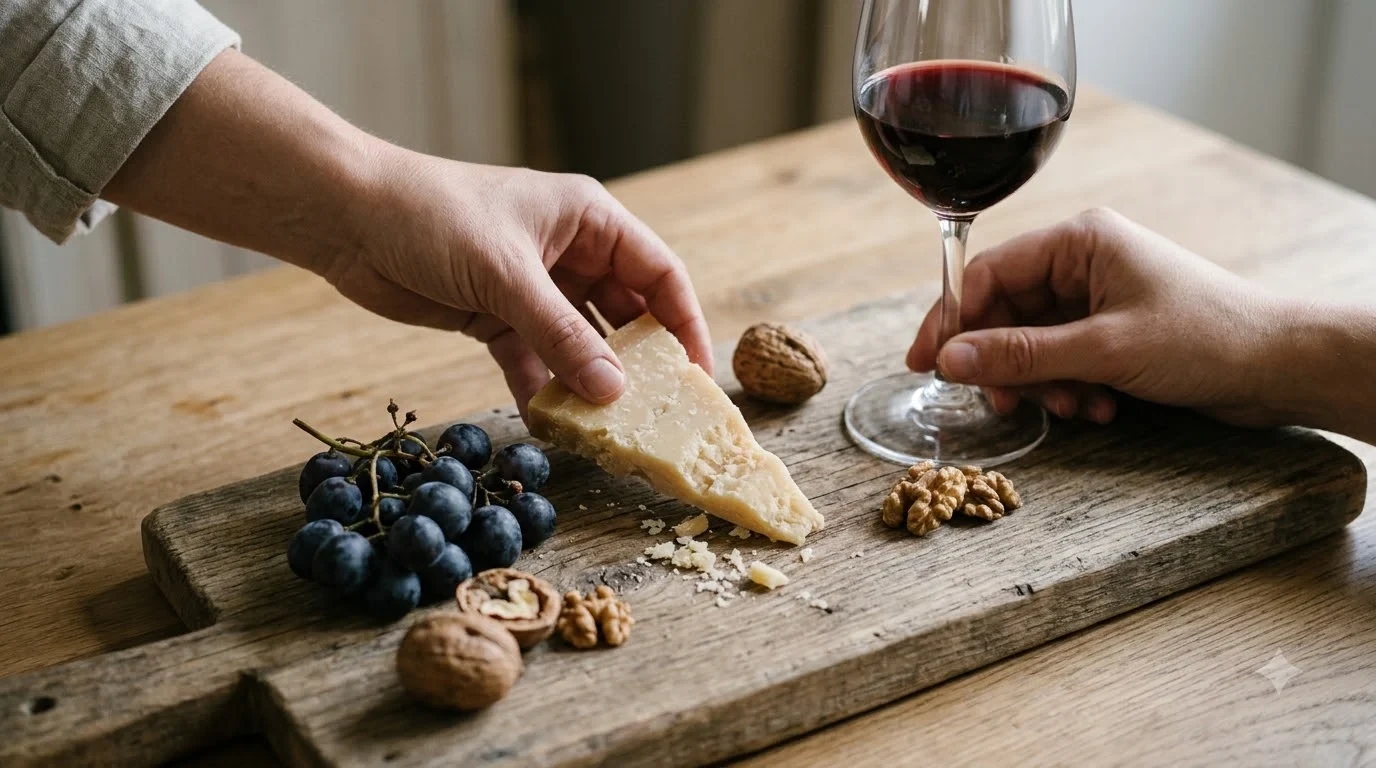
- Aged Italian cheeses: Hard, salty sheep’s milk cheeses such as Pecorino Toscano and aged Parmigiano-Reggiano soften Sangiovese’s astringency and bring out sweet red cherry notes.
- Roast lamb and grilled beef: Traditional Spanish cordero asado (wood-roasted lamb), grilled ribeye, and smoked brisket pair smoothly with Rioja Reserva and Gran Reserva, as fat and salt mellow the wine’s oak tannins.
- Smoky and spiced Spanish fare: Paprika-rubbed pork tenderloin, grilled chorizo, patatas bravas, and mushroom-studded paella echo Rioja’s vanilla, tobacco, and earthy undertones.
- Cured meats and nutty cheeses: Jamón Ibérico, dry-cured salami, and aged Manchego cheese mirror Rioja’s savory leather and dried-fig complexity.
Acidity, Tannins, and Body Compared
Tasting Chianti and Rioja side by side highlights how acid and tannin work together to shape mouthfeel. Chianti relies on brisk natural acidity to carry its flavor across the palate, whereas Rioja balances moderate acidity with barrel-polished tannins and plush mid-palate weight.
Sangiovese’s high natural acidity—mandated at a minimum of 4.5 grams per liter across all Chianti Classico tiers by the Consorzio Vino Chianti Classico—creates an immediate mouthwatering sensation on the sides of the tongue. That tart brightness keeps Chianti feeling light on its feet even when alcohol levels reach 13.5 or 14 percent in warm vintages. Its tannins are firm, fine-grained, and slightly chalky, giving the finish a crisp, dry grip that invites another bite of food.
Rioja moves at a slower, broader pace across the palate. Tempranillo naturally holds lower malic and tartaric acidity than Sangiovese, giving Rioja a rounder, less sharp entry. Extended aging in 225-liter oak barrels—at least one full year for Crianza and two full years for Gran Reserva according to the Rioja DOCa regulatory council—softens raw grape tannins into a silky, velvety texture. Even full-bodied Rioja Reserva and Gran Reserva bottlings feel smooth and supple rather than astringent.
Food Pairing: Matching Each Bottle to Your Menu
Choosing between Chianti and Rioja at the dinner table comes down to matching the wine’s acid and oak profile to the sauces, fats, and cooking methods on your plate. Because acidic food requires equal or higher acidity in the glass, Chianti dominates tomato-driven dishes, while Rioja excels alongside smoky, roasted, and spiced meats.
Best Dishes for Chianti
Chianti’s high acidity and herbal savory notes make it the natural partner for Italian cuisine and any dish built on bright, tangy ingredients:
Best Dishes for Rioja
Rioja’s plush fruit, medium acidity, and sweet oak spice thrive alongside smoky char, earthy vegetables, and slow-cooked proteins:
Keep chili heat in mind when cooking spicy dishes with either bottle. High alcohol and firm tannins amplify capsaicin burn, so dial back cayenne or hot chilies when serving structured Chianti Riserva or young Rioja Crianza, and avoid pairing either tannic red with oily fish like salmon or mackerel, which creates a metallic clash on the palate.
Serving Temperature, Decanting, and Storage
Serving Chianti and Rioja at the right temperature and giving structured bottles proper air ensures their aromatics open cleanly without alcohol warmth taking over. Small adjustments in cellar temperature and decanting time make a noticeable difference in both wines.
Serve youthful Chianti DOCG and Chianti Classico Annata slightly cool at 55 to 60°F (13 to 15°C) to highlight their bright red cherry crunch and crisp acidity. Fuller, oak-aged Chianti Classico Riserva, Gran Selezione, and all oak-aged Rioja tiers—from Crianza through Gran Reserva—show their best between 60 and 65°F (15 to 18°C), where warmth releases layered notes of vanilla, leather, and dried herbs. Pour standard 5-ounce (150-milliliter) servings, yielding five glasses from a standard 750-milliliter bottle.
Young, tightly wound bottles benefit from aeration before dinner. Decant a young Chianti Classico or muscular Rioja Crianza for 30 to 60 minutes to soften firm tannins and blow off any closed cellar aromas. Mature bottles—especially Rioja Gran Reserva aged five years or more before release—already possess delicate, evolved aromatics and should be poured gently straight into large-bowled glasses rather than vigorously decanted, which can fade subtle dried-flower and spice notes.
Store unopened bottles on their sides in a dark space near 55°F (13°C) so corks remain moist and airtight. Once opened, recork unfinished Chianti or Rioja and place the bottle in the refrigerator, where still red wines stay fresh for 3 to 5 days; let chilled leftovers warm back toward room temperature for 20 minutes before pouring.
How to Choose Between Chianti and Rioja
When standing in front of the wine rack, let your flavor preferences, budget, and dinner menu guide the final pick between Tuscany and northern Spain.
Choose Chianti if you crave lively, mouthwatering acidity, bright red cherry and herbal flavors, and minimal oak sweetness. It is the superior bottle for tomato sauces, pizza, herb-roasted poultry, and salty aged Italian cheeses. Shoppers comparing central Italian reds often weigh chianti vs montepulciano as well, since Chianti delivers sharper acidity while Montepulciano d’Abruzzo offers softer, darker plum fruit.
Choose Rioja if you prefer rounder, smoother reds layered with ripe plum, leather, and warm vanilla-coconut spice from oak barrel aging. Rioja Crianza offers unbeatable everyday value for weeknight grilled meats, while Reserva and Gran Reserva deliver ready-to-drink cellar maturity right off the shelf. If you enjoy fuller, plush-textured reds and want to explore how Spain compares to South America, reading a malbec vs rioja breakdown shows how Rioja’s savory oak complexity contrasts with Argentine Malbec’s plush dark fruit.
Frequently Asked Questions
Is Chianti or Rioja drier?
Both Chianti and Rioja are dry red wines, with EU and Spanish DOCa regulations capping dry red wine residual sugar at 4 grams per liter (or up to 9 grams per liter when total acidity is within 2 grams per liter of the residual sugar). However, Rioja often perceives slightly sweeter on the palate because aging in American oak barrels extracts vanillin and coconut-scented lactones that mimic sweetness, whereas Chianti’s crisp acidity emphasizes a tart, savory finish.
Which wine has higher alcohol content, Chianti or Rioja?
Both regions sit in a similar medium-to-high alcohol range, typically between 13 and 14.5 percent ABV depending on vintage warmth and producer style. Under Consorzio Vino Chianti Classico production regulations, Chianti Classico Annata requires a minimum of 12 percent ABV and Gran Selezione requires at least 13 percent, while the Rioja DOCa regulatory council sets a minimum of 11.5 percent ABV for red wines (12 percent for Rioja Alta and Rioja Alavesa).
Can Rioja be made from white grapes?
Yes, Rioja DOCa authorizes white and rosé wines alongside its reds, with authorized white varieties such as Viura, Malvasía, and Garnacha Blanca accounting for roughly 9 percent of the region’s vineyard area according to the Rioja DOCa regulatory council. White Rioja ranges from crisp, un-oaked citrus styles to rich, barrel-aged Reserva and Gran Reserva whites prized for nutty, honeyed complexity.
What is a Super Tuscan compared to Chianti?
Super Tuscans are Tuscan red wines—often labeled under the Toscana IGT designation—that break traditional Chianti DOCG rules by blending international varieties like Cabernet Sauvignon, Merlot, or Syrah, or by bottling 100 percent Sangiovese outside strict aging or blend mandates. Compared to classic Chianti, Super Tuscans typically feature deeper color, riper dark fruit, and stronger French oak influence.
How long can you age Chianti and Rioja in a home cellar?
Entry-level Chianti DOCG and Rioja Crianza are crafted for immediate enjoyment within 2 to 5 years of the vintage date. Top-tier Chianti Classico Riserva, Gran Selezione, and Rioja Reserva or Gran Reserva from cool Rioja Alta and Alavesa sites possess the structure and balance to evolve gracefully for 15 to 25 years under steady 55°F (13°C) cellar conditions.
Both Chianti and Rioja earn their status as foundational Old World reds by delivering unmistakable regional character and transparent aging classifications on every label. Reach for Chianti when your table calls for brisk Sangiovese acidity and herbal brightness, and pour Rioja when you want barrel-smoothed Tempranillo richness and warm spice.
More in Wine vs Wine
 Nero d’Avola vs Pinot Noir: Taste, Body, and Pairing DifferencesUpdated Nov 21, 2026
 Chenin Blanc vs Pinot Blanc: Key Differences in Taste, Acidity, and PairingsUpdated Nov 21, 2026
 Chardonnay vs Shiraz: Key Differences in Taste, Serving, and PairingUpdated Nov 21, 2026
 Chardonnay vs Verdejo: How Spain’s Crisp White Compares to the World’s ChameleonUpdated Nov 21, 2026
 Chardonnay vs Sancerre: Key Differences in Taste, Grapes, and PairingUpdated Nov 21, 2026
 Chardonnay vs Malbec: Key Differences in Taste, Body, and PairingUpdated Nov 21, 2026