

We may earn a commission when you buy through links on this page, at no extra cost to you. Learn more.
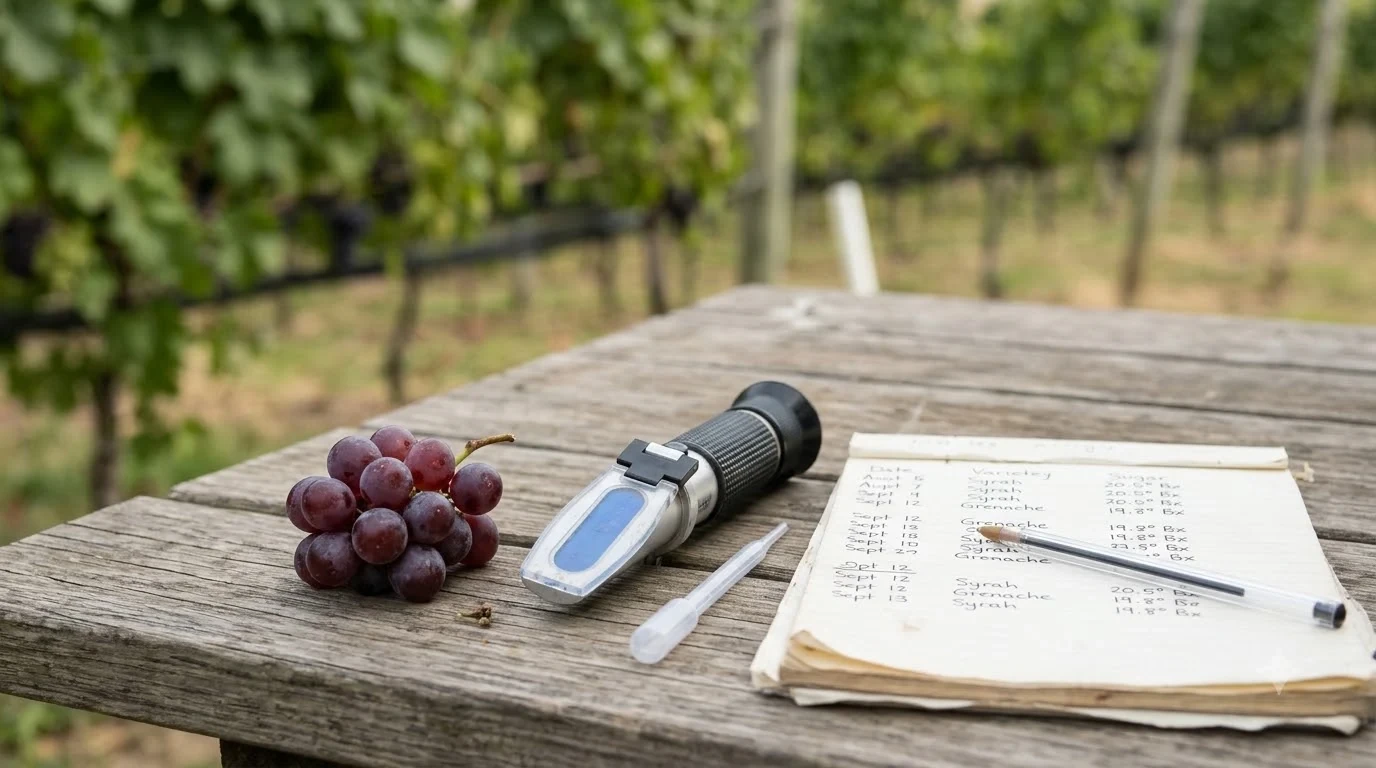
The core difference in chianti vs valpolicella comes down to grape varieties, body, and structure: Chianti is a savory, high-acid Tuscan red built on Sangiovese with firm tannins, whereas basic Valpolicella is a lighter, fruit-forward Veneto red made from Corvina blends with soft tannins. Both wines deliver bright sour-cherry fruit and food-friendly acidity, yet Chianti leans earthy and structured while entry-level Valpolicella drinks fresh and supple. Stepping up into aged tiers narrows that gap, since Valpolicella Ripasso and Amarone gain dried-fruit richness that rivals or exceeds a Chianti Classico Riserva.
Walking down the Italian wine aisle often puts two of Italy’s most famous red wine names side by side. Both appear on trattoria menus across the United States, both rely on native Italian grapes rather than international varieties, and both offer multiple quality tiers that dramatically change what ends up in the glass. Comparing their regions, grapes, winemaking rules, and table behavior makes choosing between them straightforward.
Chianti vs Valpolicella at a Glance
Chianti comes from central Tuscany and centers on Sangiovese, producing a medium-bodied red with gripping tannins and high acidity, while Valpolicella hails from northeastern Veneto and blends Corvina, Corvinone, and Rondinella into a lighter, softer, cherry-driven red. Understanding their baseline numbers helps separate everyday bottles from cellar-worthy reserves.
| Attribute | Chianti / Chianti Classico DOCG | Valpolicella / Ripasso DOC |
|---|---|---|
| Italian Region | Tuscany (Central Italy) | Veneto (Northeastern Italy) |
| Primary Grapes | Sangiovese (minimum 70%–80% depending on tier) | Corvina & Corvinone (45%–95%), Rondinella (5%–30%) |
| Body & Weight | Medium to medium-full | Light-medium (basic) to full (Ripasso) |
| Tannin Level | Medium-high to high, firm and drying | Low to medium-low (basic); medium (Ripasso) |
| Acidity Level | High, tart, and mouthwatering | Medium-high to high, crisp and refreshing |
| Typical Alcohol | 12% to 14.5% ABV | 11% to 13.5% ABV (basic); 12.5% to 15% (Ripasso) |
| Core Flavor Notes | Sour cherry, violet, dried herbs, leather, tomato leaf | Fresh red cherry, raspberry, almond, subtle spice |
| Ideal Serving Temp | 60–65°F (55–60°F for light young Chianti) | 55–60°F (basic); 60–65°F (Ripasso/Superiore) |
Comparing these two denominations requires matching equivalent tiers against each other. An entry-level Chianti DOCG released just months after harvest behaves very differently from a wood-aged Chianti Classico Riserva, just as a stainless-steel Valpolicella Classico differs sharply from a re-fermented Valpolicella Ripasso. Looking at the foundational grape varieties explains why even their simplest bottles diverge immediately on the palate.
Geography and Climate: Tuscany vs Veneto
Chianti grows across rolling central Tuscan hills shaped by warm Mediterranean sunshine and cool nights, whereas Valpolicella sits further north in Veneto’s sub-Alpine foothills between Lake Garda and Verona. These contrasting climates directly govern how ripe, heavy, or crisp each wine turns out.
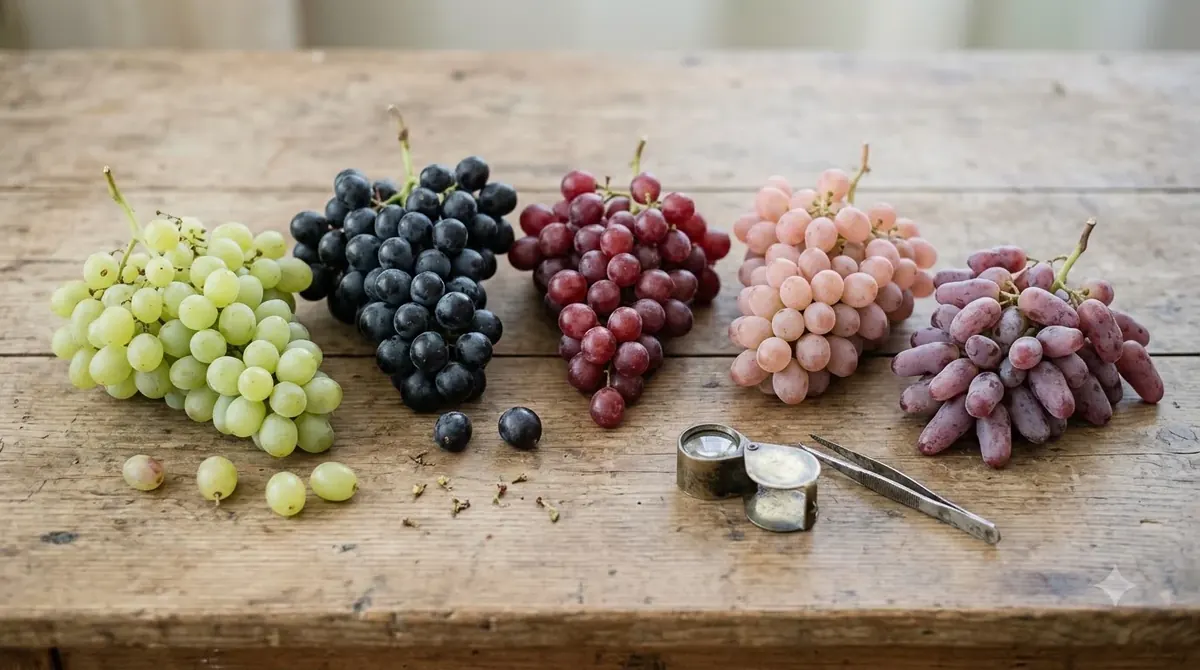
In Tuscany, the broader Chianti DOCG spans roughly 15,500 hectares of vineyards across seven historic subzones surrounding the smaller, higher-altitude Chianti Classico heartland between Florence and Siena, according to WSET Global. Chianti Classico vineyards sit primarily between 250 and 600 meters above sea level on well-draining Galestro (brittle, rocky limestone-rich) and Alberese (compact clay-rich) soils. Wide swings between warm afternoon temperatures and chilly nights allow Sangiovese to ripen slowly while locking in brisk natural acidity.
Two hundred miles north in Veneto, Valpolicella spans 19 communes in the province of Verona, rising from plains near the Adige River into limestone and clay foothills north of the city. Cooling breezes blowing off Lake Garda moderate summer heat across the western Classico villages of Fumane, Marano, Negrar, San Pietro in Cariano, and Sant’Ambrogio. Because this northern sub-Alpine zone ripens grapes more gently than central Tuscany, standard Valpolicella naturally retains lower alcohol—starting at a legal minimum of 11% ABV—and a lighter, brisker frame than Tuscan Sangiovese.
Grape Varieties: Sangiovese vs Corvina Blends
Chianti is legally anchored by Sangiovese, a thick-skinned grape prized for sharp acidity and structured tannins, while Valpolicella relies on a mandatory blend led by thin-skinned Corvina and Corvinone. This botanical difference dictates why Chianti tastes savory and structured while Valpolicella tastes juicy and supple.
Sangiovese and Tuscan Blending Partners
Sangiovese accounts for about 11% of all vineyard land in Italy and encompasses more than 100 distinct clones harvested from mid-September through mid-October, according to the Consorzio Vino Chianti. Under Chianti Classico DOCG rules, Sangiovese must make up 80% to 100% of the blend, with up to 20% other approved red grapes such as native Canaiolo Nero and Colorino or international Cabernet Sauvignon and Merlot. Broader Chianti DOCG rules require at least 70% Sangiovese and still allow up to 10% white grapes like Trebbiano Toscano and Malvasia Bianca Lunga, though most modern producers bottle 100% red blends.
Corvina, Corvinone, and Rondinella
Unlike Chianti, which can be bottled as a 100% single-varietal Sangiovese wine, Valpolicella DOC regulations require a multi-grape blend. Corvina Veronese and/or Corvinone must comprise 45% to 95% of the wine, paired with 5% to 30% Rondinella and up to 25% other approved local red varieties. According to Valpolicella consortium planting data, Corvina makes up 56% of regional vines, Rondinella 19%, and Corvinone 18%. Corvina contributes bright red cherry fruit and fresh acidity with minimal tannin, Corvinone adds slightly firmer tannic grip and spice, and Rondinella brings reliable sugar levels and color stability.
Tip: Wine drinkers who enjoy Pinot Noir or Beaujolais usually prefer entry-level Valpolicella Classico for its low tannins and juicy fruit, while fans of Cabernet Sauvignon or Barolo vs Chianti comparisons typically gravitate toward Chianti Classico for its dry, grippy finish.
Tasting Profile: Body, Tannins, Acidity, and Aromas
On the palate, Chianti delivers tart red fruit layered over dried herbs, earth, and firm, mouth-drying tannins, whereas basic Valpolicella offers vibrant sour cherry and berry flavors with silky tannins and a clean, slightly bitter almond finish. Both wines show a translucent ruby hue in youth that shifts toward brick or garnet with age.
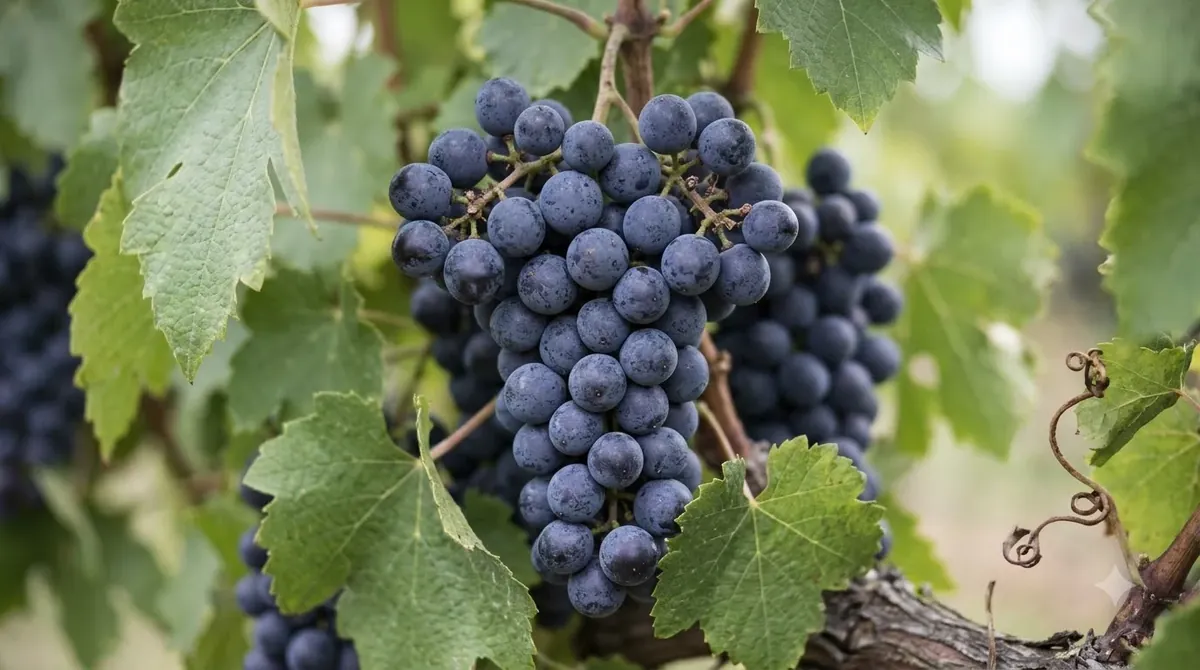
Pouring a young Chianti reveals classic Sangiovese aromas of tart red cherry, wild strawberry, violet, dried oregano, and crushed tomato leaf. Its high acidity makes the mouth water immediately, followed by medium-high to high tannins that coat the gums and call for protein or fat. When aged in oak casks—especially in Chianti Classico Riserva or Gran Selezione—secondary notes of leather, cedar, roasted coffee, and tobacco emerge alongside rounder, more integrated tannins.
Standard Valpolicella smells noticeably fresher and simpler, leading with crushed red cherries, raspberry, pomegranate, and subtle floral or white-pepper notes. Because Corvina has thin skins and low phenolic extraction when fermented fresh, tannins stay low to medium-low, giving the wine an easygoing glide across the palate. A characteristic hint of bitter almond on the dry finish keeps the fruit from tasting sweet, while crisp acidity keeps every sip lively.
Quality Tiers and Winemaking Styles
Both denominations use strict aging and production tiers that transform their baseline wines, with Chianti relying on oak aging and vineyard selection while Valpolicella uses dried-grape re-fermentation to build power. Reading the tier name on the bottle tells you far more about weight and intensity than the region name alone.
Chianti Tiers: Annata, Superiore, Riserva, and Gran Selezione
Basic Chianti DOCG requires minimal aging and can reach store shelves starting March 1 following the autumn harvest, according to WSET Global. Stepping up to Chianti Superiore mandates 9 months of aging before release, while Chianti Riserva requires 24 months. Within the historic Chianti Classico DOCG zone—identifiable by the black rooster (Gallo Nero) neck seal—standard Annata ages at least 12 months, Chianti Classico Riserva ages 24 months including at least 3 months in bottle, and top-tier Gran Selezione ages at least 30 months using exclusively estate-grown grapes.
Valpolicella Tiers: Classico, Superiore, Ripasso, and Amarone
Basic Valpolicella DOC and Valpolicella Classico DOC ferment fresh grapes in stainless steel or neutral vessels for immediate release at a minimum 11% ABV, according to Italian Wines UK. Valpolicella Superiore requires at least 12% ABV and one full year of aging before release, adding mild spice and structure. A major stylistic leap occurs with Valpolicella Ripasso DOC, where finished young Valpolicella is re-fermented over the warm, unpressed grape skins left behind after making Amarone, boosting alcohol, color, and tannin. At the pinnacle sits Amarone della Valpolicella DOCG, made from grapes dried on airy racks (appassimento) for 100 to 120 days to reach at least 14% ABV—often 15% to 16%—followed by at least two years of aging; explore how those rich dried-grape bottles stack up in Amarone vs Valpolicella.
Food Pairings and Serving Temperature
Chianti excels alongside acidic tomato sauces, rich meats, and aged cheeses thanks to its high acidity and firm tannins, whereas light Valpolicella pairs easily with casual poultry, charcuterie, and even meaty fish that would clash with heavy red wines. Matching each bottle to the right serving temperature sharpens its fruit and keeps alcohol balanced.
Because acidic food requires equal or higher acidity in the glass, Chianti’s tart Sangiovese backbone cuts straight through classic Tuscan tomato ragu, marinara pizza, and lasagna. Salt and fat soften tannin, allowing a structured Chianti Classico or Riserva to tame grilled ribeye, braised short ribs, roasted pork loin, and aged Pecorino cheese. Serve standard Chianti between 60°F and 65°F, though a young, unoaked Chianti DOCG benefits from a brief chill closer to 55°F–60°F. Decanting young, full-bodied Chianti Classico Riserva for 30 to 60 minutes softens its youthful grip.
Standard Valpolicella’s low tannins and juicy cherry profile make it remarkably versatile at the table. According to VinePair, basic Valpolicella pairs easily with burgers, grilled chicken, mushroom dishes, and even seared tuna, since low-tannin reds avoid the metallic clash that tannic reds trigger with oily fish. Serve basic Valpolicella slightly chilled at 55°F to 60°F to highlight its crisp berry freshness. When pouring fuller-bodied Valpolicella Ripasso, raise the serving temperature to 60°F–65°F and match its richer weight to braised beef, duck, or roasted root vegetables.
How to Choose Between Chianti and Valpolicella
Choosing between these two Italian classics comes down to meal weight, preferred tannin grip, and whether a occasion calls for bright refreshment or savory structure. Each style solves a distinct dinner-table problem without overlapping much at the entry level.
- Pick basic Valpolicella DOC or Classico when: The meal features roast chicken, pizza bianca, cured meats, salmon, or casual weeknight fare, or when guests prefer smooth, low-tannin reds served slightly chilled at 55°F–60°F.
- Pick Chianti DOCG or Chianti Classico Annata when: Dinner includes tangy red sauce pasta, meatballs, grilled sausages, or aged cheeses that need high acidity and firm, dry tannins to cleanse the palate.
- Pick Valpolicella Ripasso DOC when: You want plush dark-cherry fruit, velvety texture, and warming spice without the aggressive tannic dryness of Sangiovese.
- Pick Chianti Classico Riserva or Gran Selezione when: Serving bistecca alla fiorentina, lamb chops, or slow-cooked stews that demand cellar-aged complexity, leather notes, and structured grip.
Shoppers still weighing Tuscan reds against neighboring central Italian options can compare Sangiovese’s brisk acidity with softer, darker Abruzzo styles in Chianti vs Montepulciano, or browse broader head-to-head matchups in Wine vs Wine.
Frequently Asked Questions
Is Chianti sweeter or drier than Valpolicella?
Both standard Chianti and standard Valpolicella are fermented completely dry, containing negligible residual sugar. Valpolicella often tastes slightly fruitier due to its lower tannins and ripe cherry notes, whereas Recioto della Valpolicella DOCG is the only intentionally sweet style in either family, made by halting fermentation early on dried grapes.
What does the black rooster on a Chianti bottle mean?
The black rooster (Gallo Nero) emblem certifies that the wine comes from the historic Chianti Classico DOCG zone between Florence and Siena rather than the larger surrounding Chianti DOCG area. The symbol traces its origin to 1716, when Grand Duke Cosimo III de’ Medici officially delineated the historic production boundaries.
Which wine has higher alcohol, Chianti or Valpolicella?
Entry-level Chianti typically carries slightly higher alcohol at 12% to 13.5% ABV compared to basic Valpolicella’s 11% minimum ABV reported by Italian Wines UK, because central Tuscany is warmer than northern Veneto. However, Valpolicella Ripasso and Amarone surpass standard Chianti, reaching 13.5% to 16% ABV due to re-fermentation and grape-drying concentration.
Can you age Chianti and Valpolicella in a wine cellar?
Basic Valpolicella DOC and entry-level Chianti DOCG are crafted for immediate drinking shortly after release while their fresh cherry fruit is brightest. By contrast, Chianti Classico Riserva, Gran Selezione, Valpolicella Ripasso, and Amarone hold enough tannin, acidity, and extract to develop tertiary flavors over extended bottle aging when stored on their sides in a cool, dark cellar.
How long do opened bottles of Chianti and Valpolicella last?
Once opened, re-corked bottles of both Chianti and Valpolicella stay fresh for a few days when stored upright in a refrigerator. Chilling slows oxidation for both wines, though lighter, low-tannin Valpolicella loses its fresh berry aromatics slightly faster than tannic Chianti Classico.
Chianti and Valpolicella showcase two distinct sides of Italian winemaking, from Tuscany’s savory, structured Sangiovese hills to Veneto’s breezy, cherry-scented Corvina slopes. Checking the quality tier on the label—whether basic Annata, Superiore, Ripasso, or Riserva—ensures the bottle matches both your preferred tannin level and tonight’s menu.
More in Wine vs Wine
 Nero d’Avola vs Pinot Noir: Taste, Body, and Pairing DifferencesUpdated Nov 21, 2026
 Chenin Blanc vs Pinot Blanc: Key Differences in Taste, Acidity, and PairingsUpdated Nov 21, 2026
 Chardonnay vs Shiraz: Key Differences in Taste, Serving, and PairingUpdated Nov 21, 2026
 Chardonnay vs Verdejo: How Spain’s Crisp White Compares to the World’s ChameleonUpdated Nov 21, 2026
 Chardonnay vs Sancerre: Key Differences in Taste, Grapes, and PairingUpdated Nov 21, 2026
 Chardonnay vs Malbec: Key Differences in Taste, Body, and PairingUpdated Nov 21, 2026