

We may earn a commission when you buy through links on this page, at no extra cost to you. Learn more.
The core difference in gamay vs syrah comes down to weight, tannin, and flavor intensity: Gamay makes light-to-medium-bodied, high-acid reds bursting with tart red berries and low tannins, while Syrah produces full-bodied, dark, structured reds packed with blackberry, black pepper, smoke, and firm tannins. Gamay thrives in France’s Beaujolais region and shines served slightly chilled alongside lighter meats and seafood. Syrah anchors the northern Rhône Valley and warm regions like South Australia, bringing higher alcohol and gripping structure built for rich roasts and grilled meats.
Both grapes trace their roots to eastern France, yet they sit near opposite ends of the red wine spectrum. Understanding how their skins, fermentation methods, and growing climates shape every glass makes choosing between a bottle of Beaujolais and a northern Rhône red straightforward.
Side-by-Side Comparison: Gamay vs Syrah at a Glance
Gamay and Syrah diverge across nearly every measurable wine trait, from alcohol by volume and tannin grip to ideal cellar aging windows. Reviewing their core specifications side by side highlights why one acts as an easy dinner-table refresher while the other demands hearty food or decanter time.
| Attribute | Gamay | Syrah (and Shiraz) |
|---|---|---|
| Primary Homeland | Beaujolais and Loire Valley, France | Northern Rhône Valley, France |
| Body and Color | Light to medium body; translucent ruby | Full body; deep opaque ruby-purple |
| Tannin Level | Low to medium-minus | Medium-plus to high |
| Acidity Level | High, crisp, and mouthwatering | Medium to medium-plus |
| Typical Alcohol (ABV) | 11.5% to 13% | 13% to 15.5% |
| Core Fruit Flavors | Tart cherry, raspberry, cranberry, red plum | Blackberry, blueberry, black plum, dark cherry |
| Savory and Secondary Notes | Violet, peony, black tea, potting soil, banana (carbonic) | Black pepper, smoked meat, bacon, licorice, violet, olive |
| Serving Temperature | 55 to 60 F | 60 to 65 F |
| Cellar Aging Window | 1 to 3 years (5 to 10 years for top Beaujolais Crus) | 5 to 15+ years for structured bottlings |
These numbers reflect the fundamental biology of each grape variety. Gamay has thin skins and naturally high malic acid, which keeps its color translucent and its palate brisk. Syrah has thick, deeply pigmented skins loaded with phenolic compounds that extract into dark color and firm, mouth-drying tannins during fermentation.
Alcohol levels also separate the two styles in the glass. According to Wine Enthusiast, cooler-climate Syrah from France typically lands between 13 and 14.5 percent ABV, while warm-climate Australian Shiraz climbs to 14 through 15.5 percent ABV and delivers roughly 125 to 175 calories per five-ounce pour. Gamay commonly finishes between 11.5 and 13 percent ABV, feeling noticeably lighter and less warming on the finish.
Grape Origins and Key Growing Regions
Gamay originated in Burgundy before migrating south to Beaujolais, whereas Syrah developed in the northern Rhône Valley just further down the Rhône corridor. Although their French homelands sit less than 100 miles apart, each grape claimed distinct soils and climates where it ripens reliably.
Where Gamay Thrives
DNA profiling shows that Gamay—formally known as Gamay Noir à Jus Blanc—is a natural cross between Pinot Noir and Gouais Blanc. According to Wine Enthusiast, local ruling authorities in Burgundy banned Gamay in 1395, 1455, 1567, and repeatedly during the 18th century because the vine yielded abundantly and ripened two weeks earlier than Pinot Noir. Today, France cultivates 84,000 acres of Gamay, with more than two-thirds concentrated in Beaujolais, where granite and schist hillsides yield 38 Beaujolais-Villages appellations and 10 prestigious Beaujolais Crus such as Morgon, Fleurie, and Moulin-à-Vent.
Outside Beaujolais, Gamay thrives in cool, northern vineyards where its early ripening prevents underripe green flavors. French winemakers in the Loire Valley bottle crisp varietal Gamay in Touraine and craft dry rosés in Anjou and Saumur. In Switzerland, Gamay ranks as the second-most planted red grape after Pinot Noir, including a spicy local biotype called Plant Robert in Vaud, while Ontario’s Niagara Peninsula holds 550 acres and roughly 30 Oregon wineries farm Gamay Noir in the Willamette Valley.
Where Syrah and Shiraz Dominate
Syrah emerged in southeastern France as a natural cross between two obscure local varieties, Dureza and Mondeuse Blanche. Its classic benchmark remains the steep granite slopes of the northern Rhône Valley, specifically prestigious appellations like Côte-Rôtie, Hermitage, Cornas, and Saint-Joseph. Further south in the Rhône and across Languedoc, growers blend Syrah with Grenache and Mourvèdre to add deep color, backbone, and dark spice; shoppers exploring southern French blends can compare those styles in a dedicated grenache vs syrah breakdown.
In the New World, Syrah proved adaptable across both coastal and warm inland climates. Settlers brought cuttings to Australia in the 1830s, where the grape became known as Shiraz and anchors regions like Barossa Valley, McLaren Vale, and Adelaide Hills. Meanwhile, cooler coastal zones such as California’s Sonoma Coast, Washington’s Columbia Valley, and Chile’s Casablanca Valley label their bottles Syrah to signal a leaner, pepper-driven style closer to French tradition.
Flavor Profile, Aroma, and Mouthfeel
Gamay leads with bright, crunchy red fruit and floral perfume, while Syrah delivers dark berry concentration layered with savory spice, smoke, and meaty depth. Tasting the two side by side shows how skin thickness and aromatic compounds shape every sip.
What Gamay Tastes Like
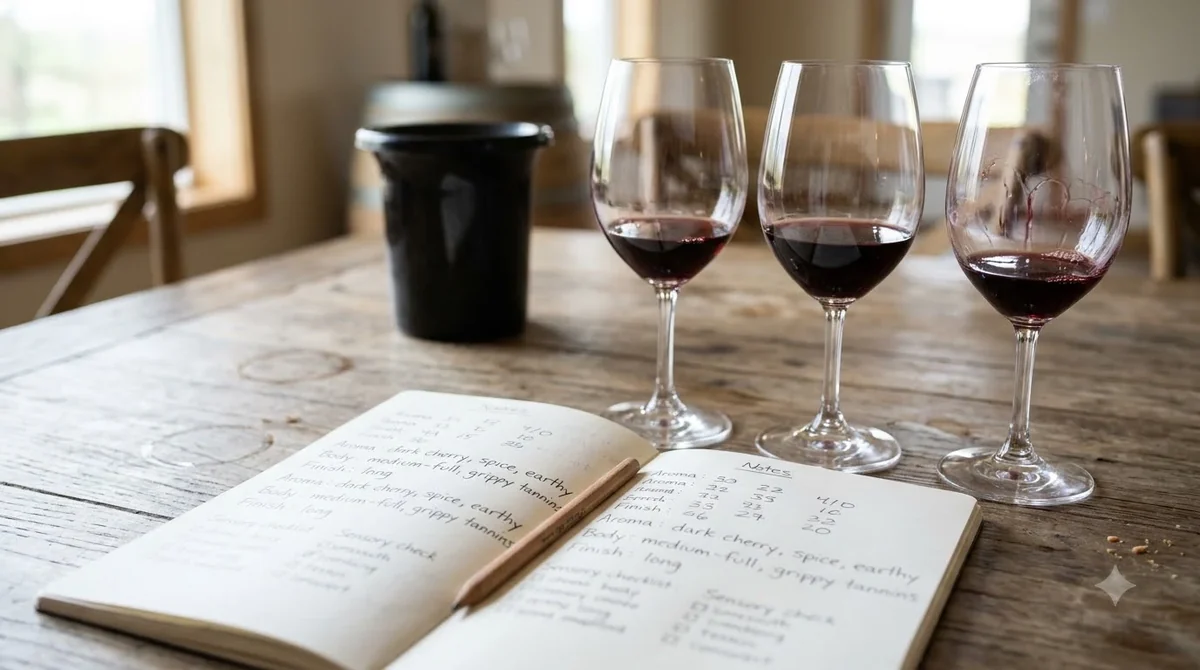
A typical glass of Gamay bursts with fresh red fruit notes of sour cherry, crushed raspberry, wild strawberry, and cranberry. Floral aromas of violet and peony hover above subtle earthy undertones of wet granite, potting soil, and dried black tea leaves. Because its tannins sit in the low to medium-minus range, the wine glides smoothly across the palate with a juicy, mouthwatering snap driven by high natural acidity.
When Gamay undergoes carbonic maceration—most famously in Beaujolais Nouveau, released every year on the third Thursday of November—fermentation happens inside whole, uncrushed berries under a blanket of carbon dioxide. According to VinePair, this process extracts vibrant purple-red color without harsh skin tannins while creating distinctive ester aromas of banana, candied strawberry, and bubblegum. Conversely, structured Cru Beaujolais wines from Morgon or Moulin-à-Vent often use traditional Burgundian fermentation and oak aging, developing darker plum notes and firmer mineral grip.
What Syrah Tastes Like
Syrah coats the palate with opaque color and dense flavors of blackberry, black plum, and dark blueberry. Its signature aromatic marker comes from a natural pepper compound called rotundone, which gives northern Rhône and cool-climate Syrahs unmistakable scents of freshly cracked black pepper, white pepper, and dried herbs. Alongside fruit and pepper, classic Syrah reveals savory layers of smoked bacon, black olive tapenade, crushed violet, and leather.
Climate shifts Syrah’s mouthfeel dramatically from lean and savory to plush and jammy. Cool-climate Syrah from Hermitage or Sonoma Coast balances medium-plus to high tannins with brisk acidity and an earthy, smoky finish. Warm-climate Shiraz from Barossa Valley pushes ripeness toward chocolate-covered blueberry, sweet baking spice from oak barrels, and broad, velvety tannins that feel full and heavy across the tongue.
Winemaking Styles: Carbonic Maceration vs Extended Extraction
Winemakers treat Gamay gently to preserve fresh fruit and suppress bitterness, while Syrah winemakers routinely use extended skin contact, punch-downs, and oak aging to build power and longevity. These cellar choices widen the gap between the two grapes even further.
For entry-level Beaujolais and Beaujolais-Villages, producers rely heavily on carbonic or semi-carbonic maceration. In full carbonic maceration, whole grape clusters go into a sealed tank filled with carbon dioxide; intracellular fermentation starts inside each intact berry until alcohol reaches roughly 2 percent ABV and the skins split naturally. Semi-carbonic maceration skips added gas, letting the sheer weight of whole clusters crush the bottom fruit so ambient yeast generates natural carbon dioxide. Both techniques finish fermentation off the skins quickly, keeping tannins minimal and fruit bright.
Food Pairing: Matching Gamay and Syrah to the Meal
Gamay pairs best with lighter, high-acid, or slightly chilled dishes where heavy tannins would clash, whereas Syrah stands up to rich, fatty, smoky, and heavily seasoned meats. Matching each wine’s acid and tannin weight to the protein on the plate prevents either the food or the wine from overpowering the other.
Best Foods for Gamay
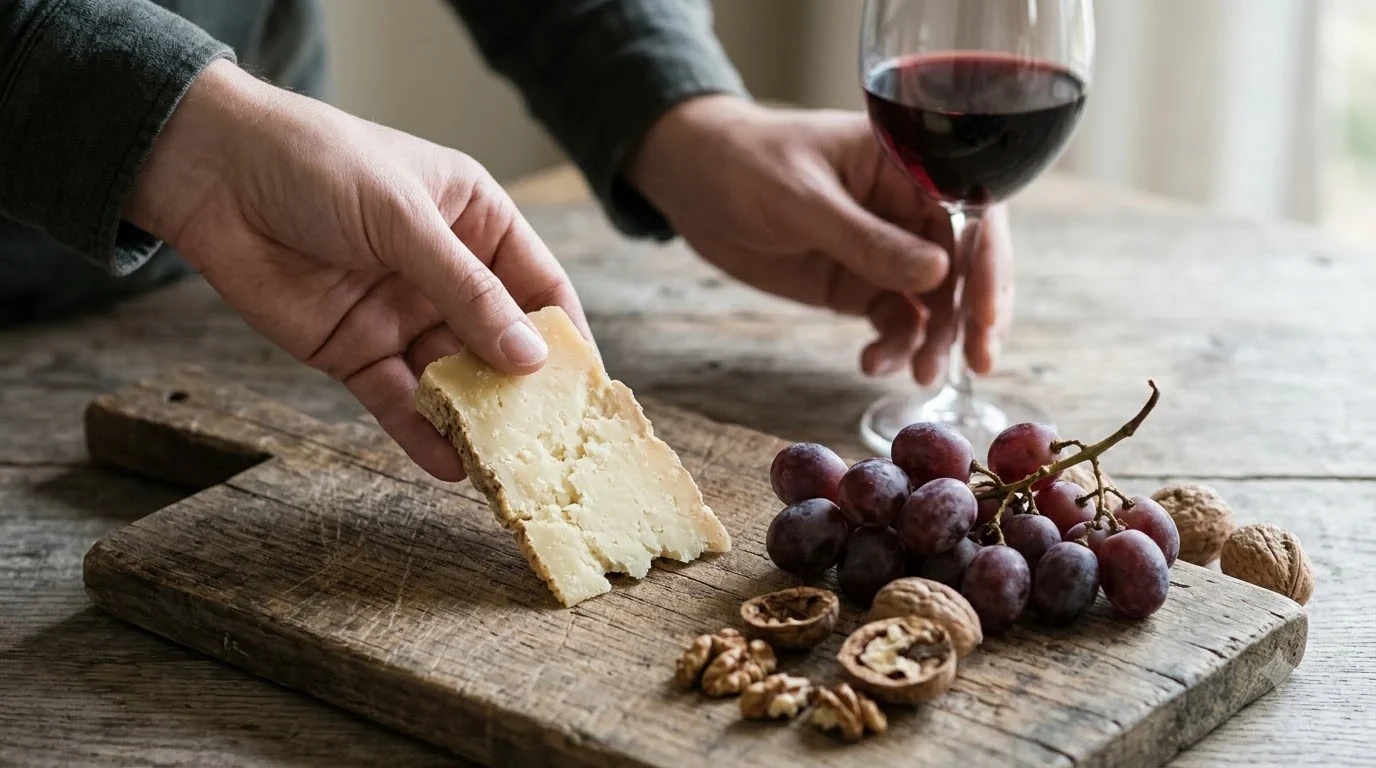
Gamay’s high acidity and low tannins make it one of the most versatile dinner-table reds, including for dishes that normally demand white wine. Because low-tannin reds do not turn metallic against fish oils, lightly chilled Beaujolais-Villages or Touraine Gamay pairs cleanly with cedar-plank salmon, seared tuna, and trout. Its tart cranberry and cherry notes also cut right through holiday poultry, roast chicken with herbs, pork tenderloin, and charcuterie boards loaded with pâté, Brie, and cornichons.
Acidic tomato-based dishes and earthy vegetarian plates also work well with Gamay. Mushroom risotto, roasted beets with goat cheese, and ratatouille echo the grape’s potting-soil and black-tea undertones while matching its crisp natural acid. Avoid pairing light Gamay with heavily charred ribeye steaks or thick cream-and-peppercorn sauces, which will flatten the wine’s delicate red fruit.
Best Foods for Syrah
Syrah thrives alongside rich proteins and fat because salt and fat soften firm tannins on the palate. Northern Rhône Syrah with its smoky, peppery character pairs naturally with grilled lamb chops, braised beef short ribs, duck breast, and wild game such as venison. Cool-climate expressions from the northern Rhône, Victoria, or Western Australia highlight black pepper and herbal notes that complement rosemary-crusted roast lamb and black-pepper steak au poivre.
Warm-climate Australian Shiraz handles sweet-and-smoky barbecue sauces, smoked brisket, and aged hard cheeses like sharp cheddar or Gouda. Keep spicy chili heat in check when serving high-alcohol Shiraz, because alcohol and tannin amplify capsaicin burn on the tongue. Readers deciding between Syrah and other bold, peppery reds for backyard grilling can also compare profiles in a syrah vs zinfandel guide.
Serving Temperature, Glassware, and Storage
Gamay shows its brightest fruit served slightly cool at 55 to 60 F, while Syrah opens up best between 60 and 65 F with aeration in a decanter. Dialing in temperature and glassware keeps Gamay crisp and prevents Syrah’s higher alcohol from tasting hot.
Most room-temperature dining rooms sit near 70 F, which makes both wines taste flabby or alcoholic straight off a kitchen counter. Placing a bottle of Gamay in a standard refrigerator for 30 to 40 minutes drops it into the ideal 55 to 60 F range, sharpening its cherry acidity and floral lift. For Syrah, a 15-minute chill in the fridge brings the bottle down to 60 to 65 F so dark fruit and black pepper stay balanced rather than jammy.
Glassware and decanting also differ between the two bottles. Pour Gamay into a standard medium-bowled red wine glass or a wider Burgundy bowl to capture violet and raspberry aromatics, skipping decanting for fresh Beaujolais and giving structured Cru Beaujolais just 20 minutes of air. Young, tannic Syrah from Hermitage, Cornas, or Barossa Valley benefits from 30 to 60 minutes in a wide-base decanter to soften astringency and release savory smoke and spice aromas. Store unopened bottles of either wine on their sides near 55 F, and refrigerate opened bottles with a tight stopper to preserve freshness for three to five days.
How to Choose Between Gamay and Syrah
Pick Gamay when you want a refreshing, lower-alcohol red with bright acidity, minimal tannin grip, and versatile pairing power for lighter meals or warm afternoons. Pick Syrah when you want a full-bodied, dark, savory wine with firm tannins and enough structure to anchor red meat, aged cheese, or cellar aging.
Shopping by region and appellation makes selecting the right style straightforward on any wine shelf. For Gamay, choose simple Beaujolais or Beaujolais-Villages for juicy, easy-drinking fruit, or step up to named Beaujolais Crus like Morgon, Moulin-à-Vent, or Fleurie for deeper mineral complexity. Readers comparing light-to-medium French reds can also weigh how Gamay stacks up against southern Rhône styles in a gamay vs grenache comparison.
For Syrah, let the label guide you toward either savory restraint or plush power. Bottles labeled Syrah from the northern Rhône Valley, Washington State, or the Sonoma Coast deliver higher acidity, cracked pepper, and smoked-meat complexity. Bottles labeled Shiraz from South Australia’s Barossa Valley or McLaren Vale deliver higher alcohol, ripe blackberry and chocolate richness, and a broader, softer finish.
Frequently Asked Questions
Is Shiraz the exact same grape as Syrah?
Yes, Syrah and Shiraz are genetically identical red wine grapes. Producers in France and cooler New World regions use the name Syrah to signal a leaner, pepper-driven style, while winemakers in warm regions like South Australia usually label the wine Shiraz to highlight riper, fuller-bodied dark fruit.
Which Beaujolais Crus are closest in weight to Syrah?
Moulin-à-Vent and Morgon produce the fullest-bodied, most age-worthy wines among the 10 Beaujolais Crus. Grown on decomposed granite and manganese-rich schist soils, these bottlings develop darker fruit, firmer tannins, and savory mineral depth that appeal to fans of northern Rhône Syrah.
Why does Beaujolais Nouveau taste so different from regular Gamay?
Beaujolais Nouveau is released just weeks after harvest on the third Thursday of November and relies on rapid carbonic maceration to create fruity aromas with almost no tannin. Standard Beaujolais-Villages and Cru Beaujolais spend months aging in tank or oak barrels before release, trading bubblegum esters for floral, earthy, and mineral complexity.
Does Syrah have more calories than Gamay?
Yes, Syrah typically contains more calories per five-ounce pour because it ferments to a higher alcohol percentage than Gamay. According to Wine Enthusiast, a five-ounce glass of dry Syrah holds roughly 125 calories and climbs toward 175 calories in 15 percent ABV Shiraz, whereas lower-alcohol dry reds like Gamay generally hold fewer calories per pour because of their lower alcohol content.
Can you serve Gamay and Syrah at the same dinner party?
Serving both wines side by side works well if you pour them in order from lightest to heaviest. Start guests with slightly chilled Gamay at 55 to 60 F alongside appetizers, poultry, or salmon, then transition to decanted Syrah at 60 to 65 F when the main course of grilled lamb, beef, or aged cheese arrives.
Comparing gamay vs syrah highlights how two classic French grapes can sit neighbors apart on the map yet deliver completely distinct experiences in the glass. Whether a meal calls for the crisp, cherry-bright lift of chilled Beaujolais or the dark, peppery grip of northern Rhône Syrah, matching body, tannin, and serving temperature ensures every bottle shows its best.
More in Wine vs Wine
 Nero d’Avola vs Pinot Noir: Taste, Body, and Pairing DifferencesUpdated Nov 21, 2026
 Chenin Blanc vs Pinot Blanc: Key Differences in Taste, Acidity, and PairingsUpdated Nov 21, 2026
 Chardonnay vs Shiraz: Key Differences in Taste, Serving, and PairingUpdated Nov 21, 2026
 Chardonnay vs Verdejo: How Spain’s Crisp White Compares to the World’s ChameleonUpdated Nov 21, 2026
 Chardonnay vs Sancerre: Key Differences in Taste, Grapes, and PairingUpdated Nov 21, 2026
 Chardonnay vs Malbec: Key Differences in Taste, Body, and PairingUpdated Nov 21, 2026