

We may earn a commission when you buy through links on this page, at no extra cost to you. Learn more.
Moscato vs Riesling is a choice between a sweet, perfumed white and a crisp, high-acid white that can range from dry to sweet. Moscato, also called Muscat, is light-bodied and off-dry, with orange blossom, pear, and citrus aromas. Riesling is also light-bodied, with high acidity and notes of lime, green apple, and beeswax. Riesling is served colder, between 38 and 45 degrees Fahrenheit, while Moscato is best a little warmer, between 45 and 55 degrees.
Both wines are white, both are light, and both are often sold with a touch of sweetness, which is why shoppers mix them up. They are not the same wine, though, and they behave differently at the table. Moscato is known for its floral, honeyed sweetness and its gentle fizz in some styles. Riesling is known for its sharp acidity and for a wide range of sweetness, from bone-dry to very sweet. This guide explains how the two compare and how to choose between them.
Where each grape comes from
Moscato is the common name for Muscat, an ancient aromatic grape that Wine Folly traces back to Greece. Its styles are widespread, but Italy is the best-known home for Moscato, especially in Piedmont. The Moscato d’Asti DOCG, according to the official Asti consortium site, is made in the Langhe, Roero, and Monferrato areas, which are known for Asti Spumante and Moscato d’Asti.
Riesling is grown in cool climates around the world, and Germany is the most important producer. Wine Folly states that Germany is the world’s most important producer of Riesling and that the grape is mostly grown in cool climates, such as Germany and the United States. That cool-climate origin explains much of its high acidity and crisp profile.
Flavor and sweetness: what you will taste
Moscato is built on aromatics. Wine Folly lists orange blossom, Meyer lemon, mandarin orange, pear, and honeysuckle as typical flavors. Its profile is off-dry, meaning it has noticeable sweetness, and its acidity is medium-high. The body is light, so the wine feels soft and easy even when it is sweet. Many people find Moscato friendly because the sweetness is balanced by enough acidity to keep it from feeling heavy.
Riesling is more varied. Wine Folly lists lime, green apple, beeswax, jasmine, and petroleum as typical aromas and flavors, and it describes the grape’s sweetness as ranging from bone-dry to very sweet. Riesling’s acidity is high, which gives it a sharp, clean finish across all sweetness levels. Its light body is similar to Moscato’s, but the sharper acidity makes it taste more angular and mineral.
| Feature | Moscato (Muscat) | Riesling |
|---|---|---|
| Typical flavors | Orange blossom, Meyer lemon, mandarin orange, pear, honeysuckle | Lime, green apple, beeswax, jasmine, petroleum |
| Sweetness | Off-dry | Ranges from bone-dry to very sweet |
| Acidity | Medium-high | High |
| Body | Light | Light |
| Alcohol | Under 10% ABV | Under 10% ABV |
| Serving temperature | 45 to 55°F (7 to 12°C) | 38 to 45°F (3 to 7°C) |
| Main home | Italy, especially Piedmont | Germany and cool-climate regions |
Tip: Riesling labeled sweet or off-dry is often the closest match to a Moscato if you want something sweet but lighter and crisper.
Food pairings for each wine
Moscato’s sweetness and aroma make it a natural partner for desserts. Wine Folly suggests that sparkling Moscato d’Asti is excellent with almond cake, and fruit tarts, citrus desserts, and light pastries follow the same logic. Moscato also pairs well with spicy Asian dishes, where the mild sweetness helps tame heat.
Riesling is one of the more food-friendly white wines because its high acidity handles a wide range of flavors. Dry Riesling suits seafood, roast chicken, and salads with vinaigrette. Off-dry or sweet Riesling works with spicy dishes, pork, and fruit-based desserts. The acidity cuts through rich or salty foods, so Riesling can be a good match for salty snacks and fried foods as well.
When you are planning a meal, decide whether the wine is a dessert pairing or a main course pairing. Moscato leans toward dessert and sweet appetizers, while Riesling can take you from the first course through dessert, depending on its sweetness level.

Serving temperature and glassware
Temperature is one of the biggest differences between these two wines. Wine Folly recommends serving Riesling between 38 and 45 degrees Fahrenheit, or 3 to 7 degrees Celsius, which is colder than most whites. Moscato is served a little warmer, at 45 to 55 degrees Fahrenheit, or 7 to 12 degrees Celsius, so its aromas can open up.
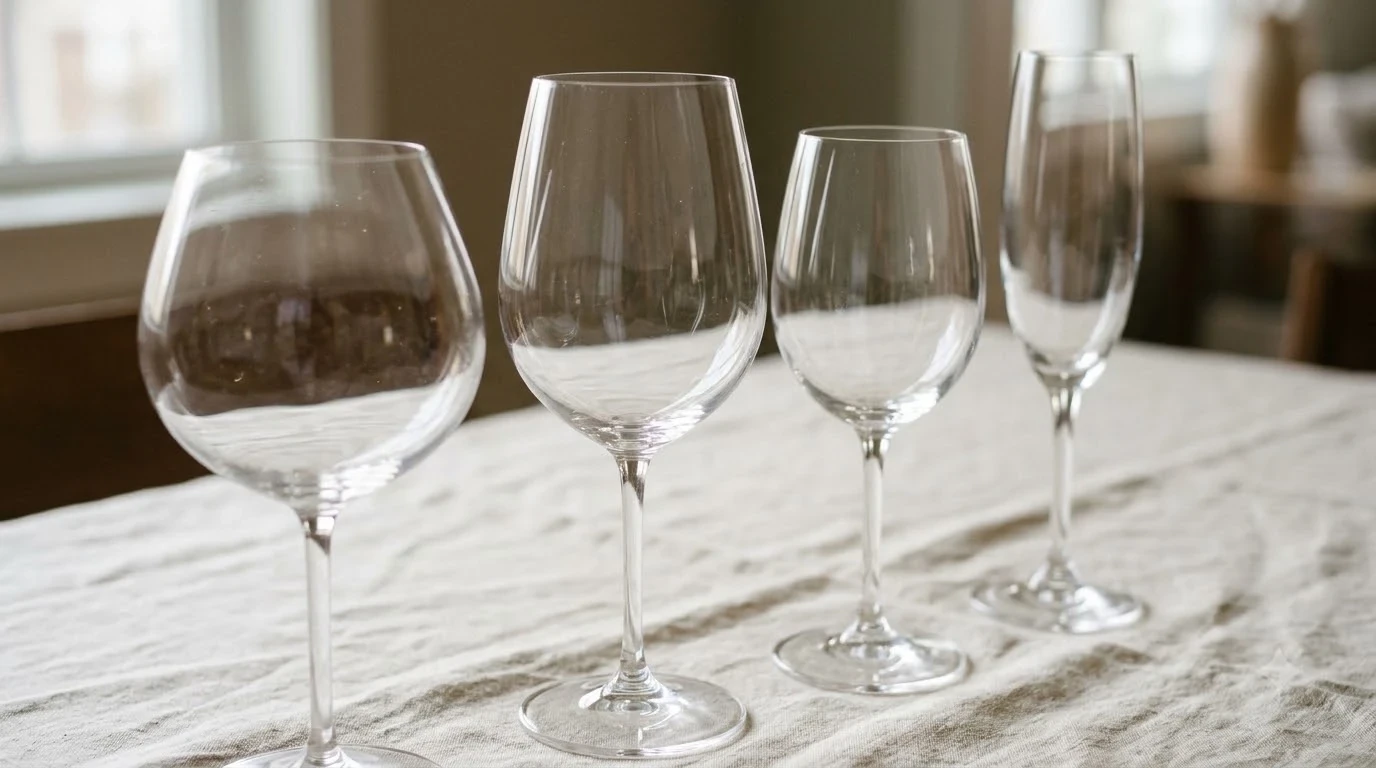
Use a standard white wine glass for both. The narrower bowl concentrates the aromas of Riesling’s citrus and floral notes and Moscato’s orange blossom and pear. Pour a moderate amount and refill as the glass empties, because both wines taste best while they are fresh.
If the bottle is too cold, let it sit for a few minutes before pouring. A Moscato that is too cold can taste muted, and a Riesling that is too warm can seem flabby and sweet without the acidity to balance it.
Which one should you choose?
Choose Moscato when you want a soft, sweet, aromatic wine that is easy to sip with dessert or a light appetizer. It is a popular choice for brunch and casual gatherings. Choose Riesling when you want a crisp white with high acidity and more range, from a dry glass with dinner to a sweet bottle with dessert.
Think about the setting too. A bottle of Moscato fits a relaxed afternoon, a baby shower, or a dessert course where the goal is a little celebration. Riesling fits a dinner party where guests will eat several courses, or a seafood night where a sharp, clean wine helps the food stand out. Many hosts keep one bottle of each on hand so they can cover both sweet and savory moments without making a second trip to the store.
If you are unsure, check the label and the bottle’s sweetness indicator. Off-dry Riesling and Moscato can taste similar, but Riesling’s acidity usually makes it feel cleaner. For more pairs to compare, see the moscato vs prosecco guide, which covers a different sparkling and sweet choice, or the Wine vs Wine section for other side-by-side comparisons.
Frequently Asked Questions
Is Moscato the same as Riesling?
No. Moscato is made from the Muscat family of grapes and is known for floral, honeyed aromas. Riesling is a separate grape with high acidity and notes of lime, green apple, and beeswax. Both are light-bodied whites, but they taste different.
Which is sweeter, Moscato or Riesling?
Moscato is usually off-dry, so it tastes noticeably sweet. Riesling ranges from bone-dry to very sweet, so the answer depends on the bottle. Always check the sweetness level on the label.
Should Riesling be served colder than Moscato?
Yes. Wine Folly recommends 38 to 45 degrees Fahrenheit for Riesling and 45 to 55 degrees Fahrenheit for Moscato, so Riesling is best served colder.
Which wine is better with spicy food?
Both can work. Moscato’s sweetness softens heat, and off-dry Riesling’s acidity balances spice well. A dry Riesling is also a good partner for many spicy dishes, because its acidity keeps the palate fresh.
Moscato and Riesling are both light, approachable whites, but they serve different purposes at the table. Moscato is sweet, floral, and gentle, and it suits dessert and brunch. Riesling is crisp, acidic, and flexible, and it works from the first course to the last. Try one of each and note the sweetness and acidity. For a closer look at the grape, Wine Folly’s Riesling page is a useful place to start, and the chenin blanc vs sauvignon blanc guide compares two other popular whites. Drink responsibly.
More in Wine vs Wine
 Nero d’Avola vs Pinot Noir: Taste, Body, and Pairing DifferencesUpdated Nov 21, 2026
 Chenin Blanc vs Pinot Blanc: Key Differences in Taste, Acidity, and PairingsUpdated Nov 21, 2026
 Chardonnay vs Shiraz: Key Differences in Taste, Serving, and PairingUpdated Nov 21, 2026
 Chardonnay vs Verdejo: How Spain’s Crisp White Compares to the World’s ChameleonUpdated Nov 21, 2026
 Chardonnay vs Sancerre: Key Differences in Taste, Grapes, and PairingUpdated Nov 21, 2026
 Chardonnay vs Malbec: Key Differences in Taste, Body, and PairingUpdated Nov 21, 2026