


We may earn a commission when you buy through links on this page, at no extra cost to you. Learn more.
Asti spumante wine is a sparkling white from Piedmont in northern Italy, made from Moscato Bianco grapes, and it is fully fizzy rather than gently sparkling. The wine is the spumante version of the Asti name, and it has more bubbles than its softer cousin, Moscato d’Asti. This guide explains how Asti tastes, how it differs from related wines, and how to serve and pair it.
Asti is often confused with Moscato d’Asti because both come from the same grape and the same part of Italy. Labels can make the difference harder to see, especially if you are shopping quickly. Knowing the main differences helps you choose the right bottle for a brunch, a dessert, or a celebration.
What Asti Spumante Is and Where It Comes From
Asti comes from the area around Asti in Piedmont, where Moscato Bianco vines grow on the hills of the region. The grape is the same one used for Moscato d’Asti, so the flavor starts with the same sweet, floral, and fruity base. What changes is how the wine is made and how much sparkle it has.
According to the Fine Dining Lovers guide to Moscato d’Asti, both wines take their names from the same place and use the same grape, but the spumante is processed differently and ends up with more bubbles. The wine is named “Asti” today on many labels, which is a useful clue when you are shopping for the fully sparkling style.
| Feature | Asti | Moscato d’Asti |
|---|---|---|
| Grape | Moscato Bianco | Moscato Bianco |
| Region | Piedmont, around Asti | Piedmont, around Asti |
| Bubbles | Fully sparkling (spumante) | Lightly fizzy, fewer bubbles |
| Alcohol | Generally higher than Moscato d’Asti | Low, around 5 percent |
| Sweetness | Sweet, with lively bubbles | Sweet without being sickly |
How Asti Tastes Compared With Other Sweet Wines
Asti is sweet, but the bubbles change how that sweetness feels. The wine is aromatic, with notes of orange blossom, peach, and ripe fruit, and the fizz lifts those flavors so they do not feel heavy. Many drinkers find it lighter than a dessert wine with the same sugar level, which is one reason it works in more settings.
Compared with a dry red such as Cabernet Sauvignon, Asti is much softer and more fragrant. A bold red has grip from tannin, while Asti has bright acidity and bubbles that keep the glass feeling fresh. That contrast explains why people who like dry reds often find Asti a surprise.
The sweetness also shapes how Asti fits into a meal. Because it is sweet, it can feel too heavy after a big dinner, yet it can be refreshing before one. Many people enjoy a small glass as a welcome drink, then switch to a drier wine with the main course. The bubbles help the wine feel clean on the palate, so each sip seems less cloying than a still sweet wine would.
Other sweet and sparkling wines can be confused with Asti, so it helps to read the label. Look for the grape, the region, and words that describe the bubbles. Fully sparkling styles tend to show a stronger fizz, and the producer’s description usually says whether the wine is gently sparkling or fully fizzy.
How to Serve Asti Spumante
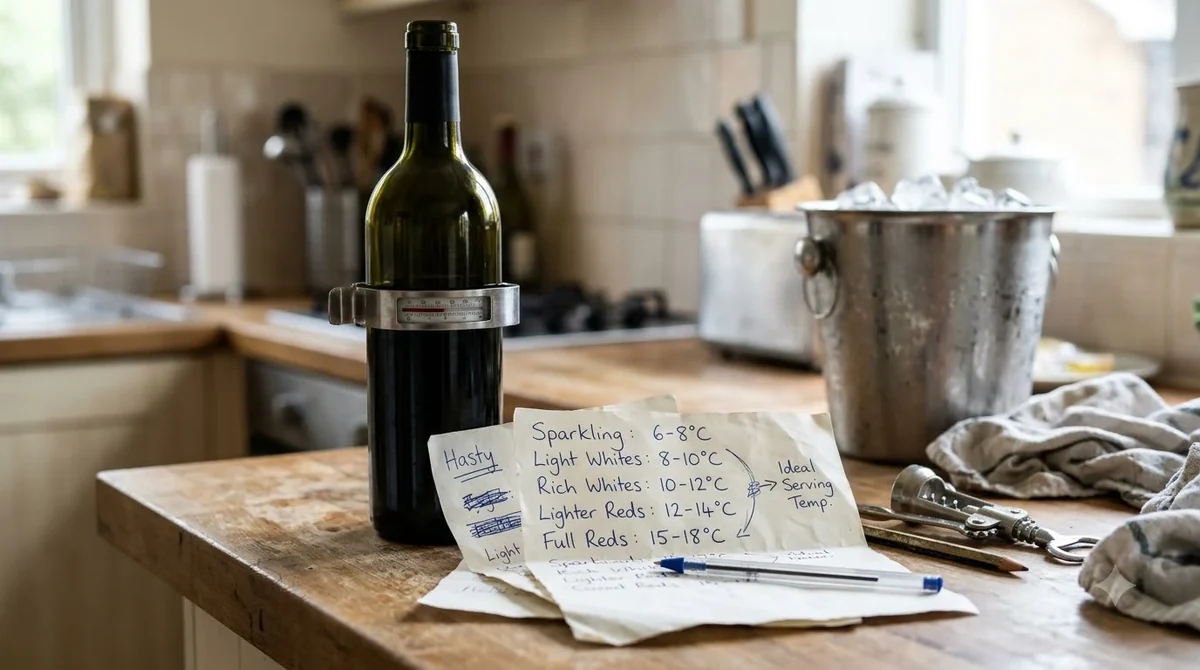
Asti is best served cold, and a good chill helps the aromatic character come through. Pour it into a flute or a tulip-shaped glass so the bubbles stay lively and the aromas collect near the top. A wide-bowled white wine glass also works, though the bubbles will fade faster.
Open the bottle gently. Sparkling wine that is shaken or poured too fast can foam over, so tilt the glass and pour slowly. Once opened, keep the bottle sealed with a stopper and refrigerated, and drink it within a day or two for the best fizz.
Temperature matters more than many people expect. A bottle that is too warm will taste flat and overly sweet, while a bottle that is properly chilled shows more fruit and a crisper finish. Give the bottle time in the refrigerator before you plan to serve it, and keep a second bottle cold for a long afternoon, since the wine does not stay at its best once it warms up.
Serve Asti as an aperitif on its own, or with simple desserts such as fruit tarts and light cakes. It also works well at brunch, where the sweetness and bubbles balance eggs, pastries, and fresh fruit.
Food Pairings for Asti
Asti pairs well with foods that have a little salt or spice, since the sweetness balances the heat and the bubbles cut through rich textures. Fresh fruit, soft cheeses, and mild pastries are easy matches. A plate of peaches, berries, and a creamy cheese can make a simple but memorable pairing.
For desserts, choose recipes that are not overly sweet. A very sugary dessert can make the wine taste flat, while a fruit-based dessert often lifts its aromas. Panettone, almond biscotti, and lemon desserts are classic options in Italy and fit the wine’s bright character.
Asti is less suited to savory dishes with heavy sauces or strong bitterness. If you want a dry match for a main course, a dry sparkling wine or a light white may fit better.
How to Choose a Good Bottle of Asti
Start with the label. Asti should be clearly marked as a sparkling wine from Asti in Piedmont, and the producer’s name and vintage can help you compare bottles. Because the wine is fresh and aromatic, many bottles are best enjoyed young rather than aged.

Storage also affects quality. Keep unopened bottles in a cool, dark place away from heat, and avoid long periods in a warm car or near a window. Fresh bottles show brighter fruit and a livelier fizz, so buying from a shop that rotates stock is a practical step.
Check the sweetness level and the description. If you prefer a lighter drink, look for a bottle that stresses delicate fizz and low alcohol, which is closer to Moscato d’Asti. If you want more bubbles and a fuller sparkle, the fully sparkling Asti style may suit you better.
For more background on the wine family, our Wine by Type hub explains how styles are grouped. You can also compare moscato d asti wine and moscato wine to see how sweetness and fizz change from one style to the next.
Frequently Asked Questions
Is Asti spumante the same as Moscato d’Asti?
They share the same grape and region, but they are not identical. Asti is fully sparkling and has more bubbles, while Moscato d’Asti is lightly fizzy and generally lower in alcohol.
Is Asti a sweet wine?
Yes, Asti is sweet, and its sweetness is balanced by bright acidity and bubbles. The sweetness level can vary by producer, so check the bottle description if you want a specific style.
How long does an open bottle of Asti last?
An open bottle keeps its fizz best for a day or two when it is sealed with a stopper and kept cold. After that, the wine loses sparkle and freshness.
What food goes well with Asti?
Asti works with fresh fruit, soft cheeses, light pastries, and fruit-based desserts. It is a better match for sweet and mildly salty foods than for heavy, savory dishes.
Asti is an easy wine to enjoy once you know what to look for. Try one bottle as an aperitif or with dessert, and compare it with a lighter Moscato to see which style you prefer. Keep notes on the producer, the bubbles, and the sweetness of each bottle, because that record makes the next purchase much easier.
More in Wine Types & Grapes
 Zinfandel Sugar Content: Dry Red vs. White Zinfandel GramsUpdated Nov 21, 2026
 Best Zinfandel Substitute Options for Sipping and CookingUpdated Nov 21, 2026
 Zweigelt Food Pairing: Best Dishes, Cheeses, and Serving TipsUpdated Nov 21, 2026
 Zinfandel Tannins Explained: How Structure Shapes Every BottleUpdated Nov 21, 2026
 Zinfandel Sweetness Level: Dry Red vs. Sweet White Zin ExplainedUpdated Nov 21, 2026
 Xinomavro Food Pairing: Best Dishes, Styles, and Serving TipsUpdated Nov 21, 2026