
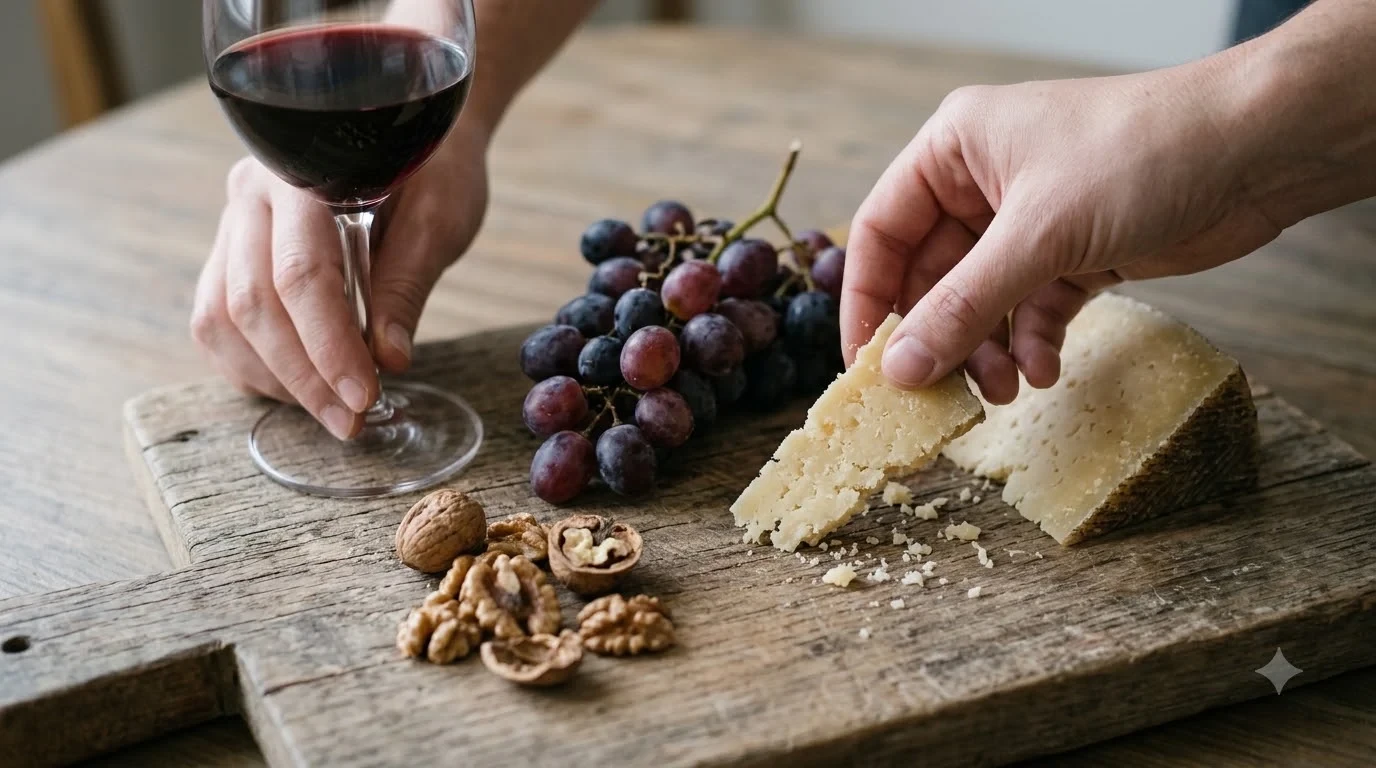

We may earn a commission when you buy through links on this page, at no extra cost to you. Learn more.
The best matches for malbec with cheese are aged, firm, and moderately salty varieties like aged cheddar, aged Gouda, Manchego, and creamy blue cheeses such as Gorgonzola. Malbec’s dark blackberry and plum fruit, cocoa undertones, and medium-to-full tannins require dairy with enough fat and savory depth to soften the wine’s grip without overpowering its finish. Fresh, high-acid, or delicate cheeses tend to clash with the wine’s structure, whereas nutty, caramelized, or pungent styles bring out its richest fruit flavors.
Because Malbec sits right in the middle ground between plush, fruit-forward reds and structured, tannic bottles, building a cheese board around it requires paying close attention to texture and salt levels. Whether you are opening a juicy, red-fruited bottle from Mendoza or an earthy, savory expression from Cahors in southwest France, the right wedge can make the wine taste smoother, rounder, and noticeably more complex.
Why Malbec Pairs So Well With Certain Cheeses
Malbec succeeds alongside cheese because its velvet-textured tannins bind cleanly to milk fats and proteins, creating a smoother mouthfeel while letting the wine’s dark berry notes shine. At the same time, Malbec generally has a moderate finish rather than an endlessly lingering aftertaste, meaning cheeses with balanced, clean flavor profiles work far better than varieties that coat the palate for minutes.
When you take a bite of rich, aged cheese before sipping a full-bodied red, the fat coats your tongue and buffers the astringency of the grape skins. Instead of feeling dry or grippy, the wine registers as plush and fruit-driven. Moderate salt in the cheese also plays a critical role by taming any perceived bitterness in the tannins and amplifying the natural sweetness of ripe black cherry, plum, and blackberry flavors in the glass.
Equally important is matching weight and flavor intensity. A bold glass of Argentine Malbec carries concentrated fruit, spice, and often subtle oak notes of cocoa or vanilla. If you pair it with a mild, watery cheese, the wine will completely flatten the dairy. Conversely, when you pair Malbec with cheeses that have spent months or years developing nutty, caramelized, or umami-rich compounds, both elements hold their ground and meet in the middle.
Top Cheeses to Pair With Malbec
The strongest candidates for a Malbec cheese board fall into four reliable categories: aged cow’s milk cheeses, nutty sheep’s milk varieties, melted Alpine styles, and rich blue cheeses. Each group interacts differently with the wine’s fruit, acidity, and oak influence.
Aged Cheddar and Aged Gouda: According to Wine Folly, the nutty, caramelized flavors of aged Gouda complement Malbec’s velvety fruit and bold character. As Gouda and English-style cheddar mature for 12 to 24 months, they lose moisture, concentrate their butterfat, and develop crunchy tyrosine crystals. That savory, butterscotch-like richness mirrors the oak-aged cocoa and vanilla notes in reserve-level Malbecs while cutting straight through the wine’s tannins.
Manchego and Aged Asiago: Semi-firm sheep’s milk cheeses like Spanish Manchego offer a firm, slightly crumbly bite with a tangy, lanolin-rich finish that pairs naturally with South American reds. Aged Asiago brings a similar nutty, slightly sharp profile without becoming overwhelmingly salty. Both cheeses have enough structural density to stand up to a full-bodied glass while keeping the palate refreshed between sips.
Blue Cheeses (Gorgonzola and Roquefort): Editors at Wine Folly note that melted cheese and blue cheese are standout matches for Malbec, especially when pairing a brighter, red-fruited Mendoza bottle with a bold blue. The wine’s ripe, jammy dark fruit acts almost like a fruit compote or drizzle of honey against the sharp, salty, peppery veins of Gorgonzola Dolce or Roquefort, softening the cheese’s bite while boosting the wine’s perceived richness.
Gruyère and Smoked Provolone: If you are serving warm dishes or baked appetizers, Gruyère’s high fat content and nutty, savory depth make it a natural companion for Malbec. Lightly smoked provolone or smoked Gouda also works remarkably well because the subtle woodsmoke echoes the toasted barrel character and dark spice notes found in many oak-matured bottlings.
| Cheese | Milk Type & Texture | Key Flavor Notes | Why It Works With Malbec |
|---|---|---|---|
| Aged Gouda | Cow, firm and crystalline | Caramel, butterscotch, toasted nuts | Caramelized sweetness mirrors ripe dark fruit and oak spice |
| Aged Cheddar | Cow, hard and crumbly | Sharp, tangy, earthy, savory | High butterfat and sharp tang soften medium-to-full tannins |
| Manchego | Sheep, semi-firm | Nutty, grassy, mildly tangy | Savory richness matches South American fruit without overwhelming |
| Gorgonzola | Cow, creamy blue | Salty, pungent, earthy, sharp | Jammy blackberry and plum notes balance salty blue veins |
| Gruyère | Cow, semi-hard | Sweet, nutty, brothy, earthy | Rich melting texture and umami depth complement smooth tannins |
| Smoked Provolone | Cow, semi-firm | Mildly smoky, creamy, salty | Light smoke links directly to barrel-aged cocoa and spice notes |
Matching Regional Malbec Styles to Cheese
Not every bottle of Malbec tastes the same, and tailoring your cheese selection to the wine’s origin will noticeably improve the pairing. While Argentina and France produce the vast majority of the world’s Malbec, their regional climates yield distinctly different flavor profiles.
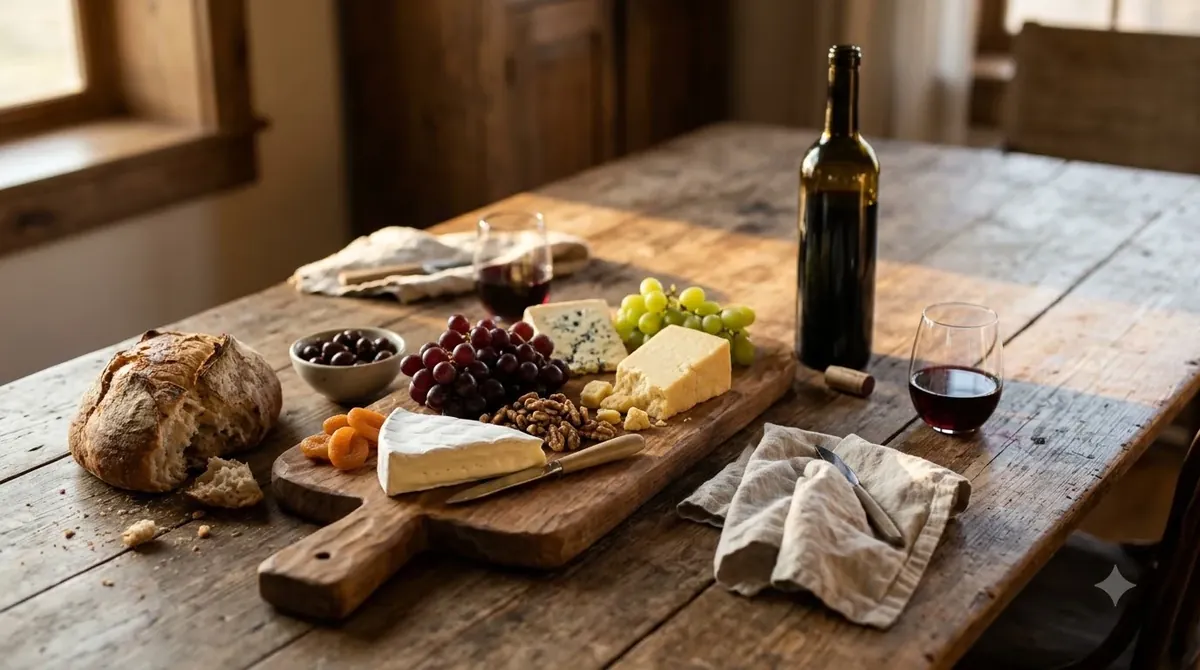
Mendoza and High-Altitude Argentine Malbec: Most Argentine Malbec grows in the high-altitude desert climate of Mendoza, where intense sunlight produces deep color, plush blackberry and black cherry fruit, and supple tannins. Entry-level and unoaked Mendoza bottles tend to lean toward brighter red plum and raspberry notes, which pair effortlessly with medium-aged Gouda, Colby, or creamy Gorgonzola. Higher-elevation bottles from the Uco Valley or reserve bottlings aged in French or American oak carry firmer structure and mocha undertones, calling for extra-aged cheddar, Gruyère, or smoked cheeses.
Cahors and Southwest French Malbec: In Cahors, Malbec’s historic home in southwest France, the grape is often blended with small amounts of Merlot or Tannat and grows in a cooler, limestone-rich environment. French Malbec is typically darker, leaner, and more savory, featuring black currant, leather, dried herbs, and firmer, more rustic tannins. Because these bottles have less jammy fruit sweetness, they shine alongside earthy, savory cheeses like aged Comté, Cantal, or sheep’s milk Ossau-Iraty rather than overly pungent blue cheeses.
If you are exploring different Wine by Type to see how regional climates shift grape character, comparing a fruit-forward Mendoza bottle side by side with a structured Cahors over the exact same wedge of aged cheddar is one of the clearest ways to taste terroir in action.
Cheeses to Avoid With Malbec
Just as fat and savory depth make Malbec sing, certain dairy styles can make the wine taste metallic, overly tart, or harshly drying. Knowing what to leave off the board is just as helpful as picking the winners.
Fresh, High-Moisture Cheeses: Fresh mozzarella, burrata, ricotta, and cottage cheese lack the fat concentration and aged flavor intensity needed to stand up to Malbec. Because these cheeses are mild and milky, the wine’s tannins and dark fruit completely overpower them, leaving behind a flat, watery impression on the palate.
High-Acid Fresh Goat Cheese: Unaged chèvre has a brisk, citrus-like acidity that clashes with Malbec’s moderate acidity and firm structure. When high-acid food meets a tannic red wine, the wine can suddenly taste austere, thin, and bitter. Reviewers at Wine Enthusiast point out that jammy Argentine Malbec can occasionally work as a bold contrast to tangy goat cheese if treated like a fruit chutney, though most wine drinkers prefer crisp whites for chèvre.
Delicate Bloomy-Rind Cheeses: Soft-ripened cheeses like young Brie or Camembert have a subtle, mushroomy creaminess that easily gets bulldozed by full-bodied red wines. Their delicate rinds can also turn slightly bitter against heavy oak tannins. Save soft bloomy cheeses for sparkling wines, lighter reds, or a classic pairing of white wine with cheese.
Tip: Pull both your cheese and your Malbec out of storage ahead of time—serve the cheese at room temperature so its fats soften and release aroma, and pour the Malbec slightly cool at 60 to 65 degrees Fahrenheit so its alcohol stays balanced.
Board Accompaniments That Bridge the Pairing
A great Malbec cheese board relies on smart supporting ingredients that link the wine’s fruit and spice to the savory dairy. Adding a few targeted condiments and snacks gives your guests effortless ways to customize each bite.
Herbs, Nuts, and Savory Crunch: Malbec has a natural affinity for resinous herbs like rosemary, sage, and thyme, which make the wine taste fruitier and more aromatic. Rosemary crackers, toasted walnuts, marcona almonds, or lightly smoked almonds add textural crunch while echoing the nutty crystals in aged Gouda and Manchego. Roasted red peppers and marinated mushrooms also bring earthy umami that ties directly into the savory side of the glass.
Controlled Sweetness and Charcuterie: Dried figs, Medjool dates, or a small spoonful of black cherry or fig jam work wonders when you include a sharp blue cheese or extra-aged cheddar on the board. Keep sweetness moderate, however, because syrupy glazes or sugary chutneys can make Malbec’s tannins feel grippier and accentuate warmth from the wine’s alcohol. If you want to add cured meats, stick to savory, moderately spiced options like dry-cured chorizo, soppressata, or prosciutto rather than honey-glazed ham.
Serving Tips for Malbec and Cheese
Proper temperature and glassware make a noticeable difference when serving a medium-to-full-bodied red alongside rich dairy. Serving Malbec at standard warm room temperature—often 70 degrees Fahrenheit or higher in a heated dining room—can make the alcohol feel hot and dull the fresh blackberry and plum aromas. Instead, chill the bottle in the refrigerator for about 20 to 30 minutes before opening so it sits in the ideal 60 to 65 degree Fahrenheit range.
Give young, structured bottles—especially reserve Mendoza Malbecs or French Cahors—at least 30 minutes in a decanter or wide-bowled glass before your first taste. Oxygen softens the initial tannic grip and opens up secondary notes of violet, cocoa, and sweet spice. Because Malbec often carries moderate-to-high alcohol, checking the label for malbec alcohol content or keeping track of calories in malbec can also help you pace a rich cheese-and-wine spread comfortably.
Frequently Asked Questions
Is Malbec good with cheddar cheese?
Yes, aged cheddar is one of the best cheeses you can serve with Malbec. Cheddars aged 12 to 24 months have the butterfat, sharp tang, and savory depth needed to soften Malbec’s tannins while bringing out its ripe blackberry and plum notes.
Does Malbec go with brie or soft cheese?
Young Brie and fresh, milky cheeses like mozzarella generally do not pair well with Malbec because the wine’s bold fruit and firm tannins overwhelm their delicate flavors. If you want a creamy cheese, choose a rich blue cheese like Gorgonzola Dolce or a triple-cream blue that has enough pungent, salty character to match the wine.
What is the best blue cheese to serve with Malbec?
Creamy, moderately sweet blue cheeses such as Italian Gorgonzola Dolce or English Stilton work especially well with fruit-forward Argentine Malbec. The wine’s jammy dark fruit balances the salty, sharp blue veins in much the same way a drizzle of honey or fig jam does.
Should you chill Malbec when serving it with cheese?
Yes, giving Malbec a brief 20-to-30-minute chill in the fridge so it lands between 60 and 65 degrees Fahrenheit keeps the fruit crisp and prevents the alcohol from tasting heavy alongside rich dairy. Meanwhile, let your cheeses sit at room temperature for 30 to 45 minutes before serving so their fats soften and their full flavors open up.
Putting together a memorable pairing of malbec with cheese comes down to balancing richness with structure. Stick to firm, aged, or boldly flavored cheeses like aged Gouda, sharp cheddar, Manchego, and creamy blue cheese, serve the bottle slightly cool, and let the wine’s dark fruit and supple tannins do the rest.
More in Wine Types & Grapes
 What Does Ruby Port Taste Like? Flavor Notes, Styles, and Serving TipsUpdated Nov 21, 2026
 What Does Ribolla Gialla Taste Like? Crisp White and Amber Styles ExplainedUpdated Nov 21, 2026
 What Does Semillon Taste Like? Flavor Profile, Styles & PairingsUpdated Nov 21, 2026
 What Does Scuppernong Taste Like? Flavor, Styles, and Pairing GuideUpdated Nov 21, 2026
 What Does Saperavi Taste Like? Flavors, Styles, and Pairing GuideUpdated Nov 21, 2026
 What Does Natural Wine Taste Like? Flavors, Styles, and Serving TipsUpdated Nov 21, 2026