

We may earn a commission when you buy through links on this page, at no extra cost to you. Learn more.
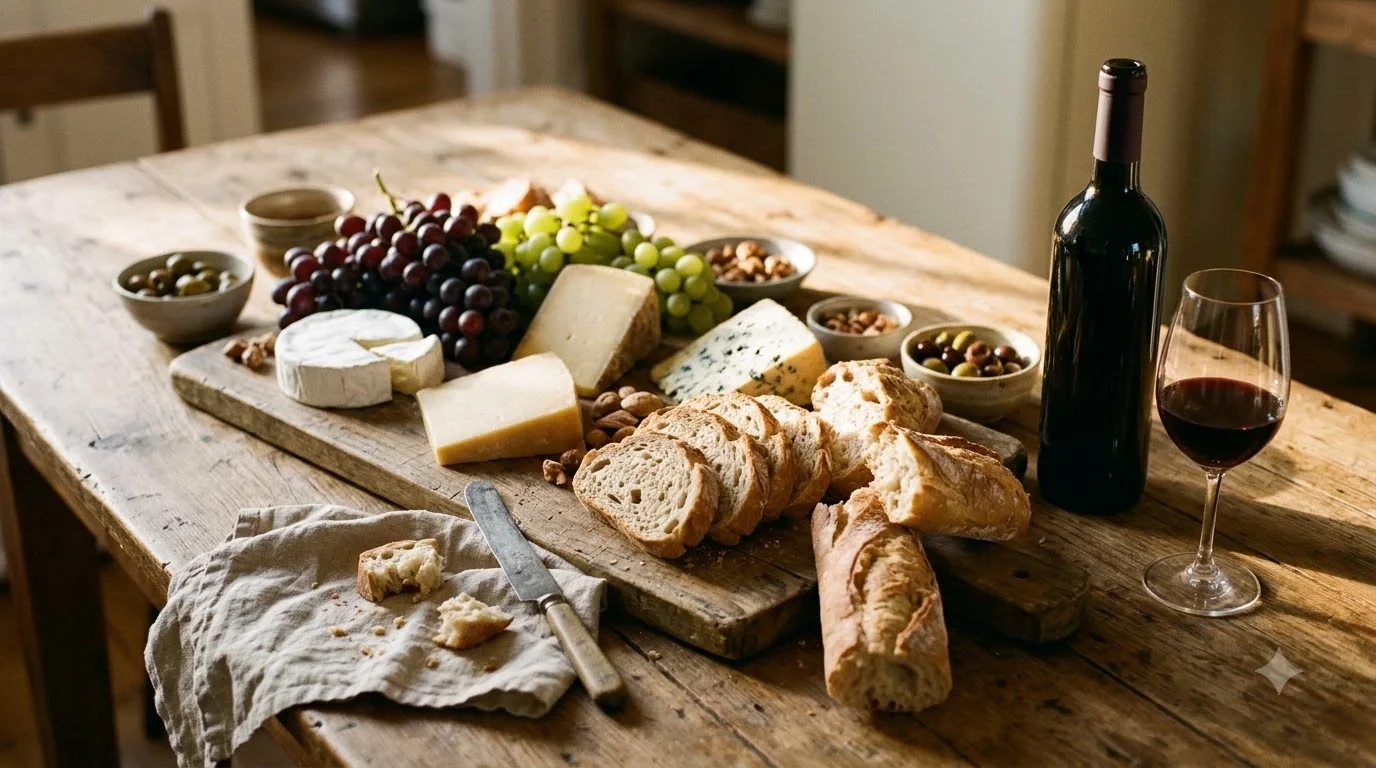
White wine with cheese pairs best when the wine’s acidity, sweetness, and body suit the cheese’s salt, fat, texture, and intensity. Crisp Sauvignon Blanc is a natural match for fresh goat cheese, Chardonnay can complement Brie and Gruyère, and sweeter Riesling or Sauternes-style wine can balance salty blue cheese. Match weight and flavor first, then adjust for ripeness, seasoning, and serving temperature.
Red wine gets plenty of attention at a traditional cheese board, but white wine offers a wide range of useful matches. Acidity refreshes the palate after creamy bites, aromatic varieties can meet pungent rinds, and residual sugar can soften the sharp edge of blue cheese. A few well-chosen bottles can cover everything from fresh chèvre to aged Gouda.
Pairing Starts With Acidity, Texture, and Intensity
Start with the cheese: consider how rich it feels, how salty or tangy it tastes, and how powerful its aroma is. Crisp Sauvignon Blanc suits fresh goat cheese, while gently oaked Chardonnay has enough breadth for Brie or Gruyère.
Acidity is especially useful with fat. A lively white feels refreshing after triple-cream cheese or buttery Havarti, much as lemon brightens a rich dish. Sauvignon Blanc and Riesling are typically high in acidity; Chardonnay is generally more moderate. A lean, high-acid wine can cut through richness, while a rounder Chardonnay may feel more integrated beside a creamy, nutty cheese.
Texture and intensity matter just as much. A young, soft cheese usually needs a lighter-bodied wine, while an aged, dense cheese can stand up to more concentration and oak. A delicate fromage blanc can disappear beside a heavily oaked white, just as a bold washed-rind cheese can make a restrained Pinot Blanc seem thin. Salt, sweetness, and accompaniments also change the match: an off-dry Riesling can balance salty feta, while honey or jam calls for a wine at least as sweet as the topping.
Think of pairing as either complement or contrast: match similar flavors, or use sweetness and acidity to balance salt and richness. Decanter’s cheese and wine pairing guide uses both approaches and stresses that neither side should dominate. For a broader overview of grapes and styles, see Wine by Type.
Choose a White Wine Style for the Cheese Board
Sauvignon Blanc, Chardonnay, Riesling, Chenin Blanc, Pinot Gris, and Gewürztraminer are useful starting points for cheese. Traditional-method sparkling wine also deserves a place because bubbles and acidity refresh the palate between rich bites.
Sauvignon Blanc is crisp and high in acidity, often with citrus, green apple, herbs, or fresh-cut grass. It is a first choice for fresh goat cheese, young chèvre, and tangy sheep-milk cheeses. Sancerre and other Loire Valley examples are particularly good with dense goat cheeses. Dry Chenin Blanc and Albariño can work in a similar role. A simple goat-cheese log needs little more than fresh herbs or plain crackers, so the wine’s citrus and herbal notes remain clear.
Chardonnay ranges from lean and unoaked to rich and oak-aged. A fresh Chablis can bring lift to Brie or Camembert, while a gently oaked, fuller Chardonnay has the weight for Gruyère, young Gouda, or baked cheese. Riesling has high acidity and can be bone-dry or sweet: choose a dry style for creamy cheese and an off-dry style for salty feta or blue. Chenin Blanc also spans dry to sweet styles. Pinot Gris brings more body for semi-soft cheese, while floral, spicy Gewürztraminer is useful with pungent washed rinds.
Sparkling white wine is a flexible option for Brie, triple-cream cheese, and some hard cheeses. Traditional-method Champagne, Crémant, and domestic sparkling wines combine acidity with bubbles that refresh the palate. To explore one dependable grape-and-cheese combination in more detail, compare the cheese’s age and texture with these Sauvignon Blanc with cheese pairing ideas rather than relying on the grape name alone.
Match Fresh, Bloomy, and Washed-Rind Cheeses
Fresh, bloomy-rind, and washed-rind cheeses each call for a different white wine approach. Fresh chèvre usually benefits from high acidity, Brie often suits dry Chardonnay or sparkling wine, and pungent washed-rind cheeses can welcome aromatic whites such as Gewürztraminer.
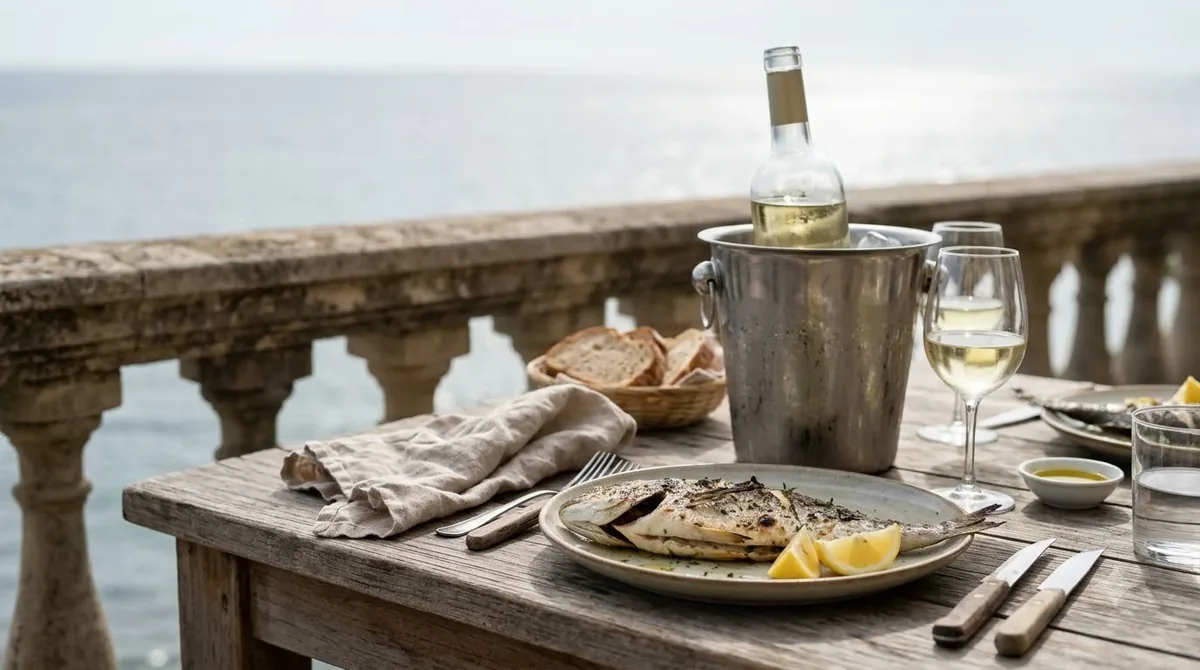
Wine Enthusiast’s six-category cheese pairing primer offers a useful way to distinguish these styles before selecting a bottle.
Fresh goat cheese, ricotta, and feta
Fresh goat cheese is tangy, sometimes lemony, and often soft or crumbly. Sauvignon Blanc is a classic match because its acidity echoes the cheese’s brightness; dry Chenin Blanc, Albariño, or Riesling can also work. A dense, aged goat cheese has more concentrated flavor and can handle a structured white such as Sancerre or vintage sparkling wine. Ricotta and fresh mozzarella are milder, so choose a light, dry white such as Pinot Blanc, Muscadet, or young unoaked Chardonnay. Brined feta is saltier and more assertive; an off-dry Riesling or Gewürztraminer can soften its saltiness, especially with olives or tomatoes.
Brie, Camembert, and other bloomy rinds
Brie and Camembert have edible white-mold rinds and creamy interiors, but ripeness changes the pairing. A young wheel may be firm and chalky at the center, while a riper cheese becomes softer, more savory, and more aromatic. Dry sparkling wine or restrained unoaked Chardonnay is a sensible place to start; Chablis brings freshness without adding heavy oak. Take care with overripe cheese: strong ammonia-like or bitter notes can make even a classic Champagne pairing unpleasant.
Washed-rind cheese
Époisses, Munster, and Taleggio are often savory, meaty, and pungent. Their aroma can dominate a light wine, so look for more aromatic intensity: Gewürztraminer is a classic choice, while Alsace Pinot Gris, off-dry Riesling, or textured white Burgundy can also work. Pair a milder Taleggio with a dry white and reserve the more floral, fuller-bodied bottle for a forceful Époisses. Plain bread, pear slices, and lightly toasted nuts are safer accompaniments than vinegar-heavy pickles or hot mustard.
Pair Semi-Soft and Aged Cheeses With Their Maturity
Semi-soft and hard cheeses can work with fuller white wines because their flavors are often nutty, buttery, or savory. Young Gouda and Havarti suit rounded Chardonnay or Pinot Gris, while aged Comté and mature Cheddar need more structure and concentration.

Gruyère is a useful example: its nutty, brown-butter character can meet a white wine with some texture. Gently oaked Chardonnay or rich Pinot Gris can complement it without burying its hazelnut notes. Young Gouda is milder, creamy, and slightly tangy, so it can pair with dry Chardonnay. As Gouda ages and becomes firmer and more concentrated, choose a wine with greater flavor intensity rather than simply increasing the oak.
Cheddar becomes sharper, saltier, and more crumbly as it ages. A young, mild Cheddar can work with medium-bodied Chardonnay, but mature clothbound or extra-sharp Cheddar may overpower a delicate white. Try richly textured Chardonnay, aromatic Chenin Blanc, or vintage traditional-method sparkling wine. Aged cheese develops additional savory and nutty flavors as proteins and fats break down, which helps it stand up to a broader range of wines.
Comté and Manchego show how accompaniments can guide the wine choice. Comté with walnuts points toward nutty Vin Jaune; Manchego with almonds can suit Amontillado Sherry. Those are not conventional still white table wines, but they show why flavor associations can be more useful than choosing by color alone. For an all-white board, try structured Chardonnay, aged Chenin Blanc, or traditional-method sparkling wine. Some hard cheeses also work well with reds, so a mixed gathering can use these red wine with cheese ideas alongside the white options.
Use Sweetness and Bubbles for Blue Cheese
Blue cheese is demanding because its salt, sharpness, and intensity can overwhelm a dry, delicate white. Sweet wines such as Sauternes, late-harvest Riesling, or Monbazillac are often better with salty Roquefort or Gorgonzola, while mild blue cheeses can work with dry sparkling wine or fuller whites.
The central rule is to avoid a wine that tastes less sweet than the cheese accompaniment. Salt and sharp savory flavors can make a dry wine seem lean or austere, while residual sugar gives the wine enough fruit and roundness to balance the cheese. Sauternes with Roquefort is a classic contrast: sweetness offsets salt, and concentrated fruit stands up to the cheese’s power. Late-harvest Riesling is another option, with acidity that keeps its sweetness fresh.
Not every blue needs dessert wine. Creamy, mild styles such as Cambozola can pair with dry sparkling wine or restrained Chardonnay, much like a soft bloomy-rind cheese. A powerful Gorgonzola Piccante needs more sweetness and concentration. If blue cheese is served with honey, dates, figs, or fruit chutney, the wine should be at least as sweet as the accompaniment; a dry white may taste sour beside a sweet garnish. For a gentler sweet-wine route, Moscato with cheese can be considered with milder cheeses and fruit rather than the strongest blue styles.
Sparkling wine solves a different problem: richness. Champagne or another traditional-method sparkling wine refreshes the palate after triple-cream cheese or buttery soft cheese. Brut styles are usually more suitable for creamy and salty cheeses than very sweet sparkling wine, while a sweeter bottling can accompany fruit preserves or a dessert-style cheese course. If the board includes chili honey or pepper jelly, remember that alcohol can make chili feel hotter; serve the condiment separately and consider a lower-alcohol, slightly sweet Riesling.
Serve White Wine and Cheese at the Right Temperature
Temperature changes both wine aroma and cheese texture. Serve light, crisp whites around 45–50°F, fuller whites around 50–55°F, and sweet whites around 43–50°F; bring cheese out of the refrigerator about 45–60 minutes before serving.
A white served too cold can seem muted, especially aromatic Riesling or Gewürztraminer; a wine served too warm can feel heavy. Sparkling wine is best served around 40–50°F, while most still whites do not need to be ice-cold. Use these ranges as practical starting points and allow a glass to warm slightly if its aromas seem closed.
| Wine style | Good cheese matches | Serving temperature | Why it works |
|---|---|---|---|
| Sauvignon Blanc | Fresh chèvre, young goat cheese, ricotta | 45–50°F | High acidity echoes tang and refreshes creamy texture. |
| Unoaked Chardonnay | Brie, Camembert, mild Gouda | 45–50°F | Moderate acidity and restrained body suit mild, creamy cheeses. |
| Fuller Chardonnay | Gruyère, aged Gouda, mature Cheddar | 50–55°F | More body meets nutty and concentrated flavors. |
| Off-dry Riesling | Feta, salty blue, chili-accompanied cheese | 45–50°F | Sweetness balances salt and spice while acidity keeps it fresh. |
| Gewürztraminer | Munster, Taleggio, washed-rind cheese | 45–50°F | Aromatic intensity stands up to pungent rinds. |
| Sweet late-harvest white | Roquefort, Gorgonzola Piccante | 43–50°F | Concentrated sweetness contrasts with salt and sharpness. |
| Traditional-method sparkling | Brie, triple-cream, hard aged cheese | 40–50°F | Bubbles and acidity refresh a rich or buttery bite. |
Let cheese warm briefly rather than leaving the whole board out for hours. A moderate rise in temperature helps aroma and texture become more expressive. Arrange cheeses from mild to strong, starting with fresh chèvre and Brie before moving to washed rinds and blue cheese. Use a separate knife for blue cheese so its flavor does not transfer to milder selections.
Tip: Arrange the board from mild to strong: begin with fresh chèvre and crisp Sauvignon Blanc, move to Brie with Chardonnay, and finish with blue cheese and sweet Riesling or Sauternes. This order helps intense flavors stay memorable without overwhelming earlier pairings.
Pour modestly so guests can compare combinations. A standard wine serving is about 5 ounces, and a 750-milliliter bottle provides roughly five glasses. For a board with several cheeses, smaller tasting pours leave room to try more than one style. Plain crackers, baguette, unsalted nuts, pear, apple, and fresh grapes are flexible accompaniments; strong chutneys, pickles, and spicy jams can make a wine taste sharper or hotter.
Frequently Asked Questions
These quick answers address common choices, including one-bottle boards, less familiar grapes, and how to handle a cheese course when guests prefer dry wine.
Does white wine go better with cheese than red wine?
White wine is often more versatile with fresh and soft cheeses because acidity and lower tannin can keep delicate dairy flavors clear. Red wine can still suit aged hard cheeses, but a tannic Cabernet Sauvignon may seem harsh beside mild fresh cheese. The right match depends more on structure than color.
Which white wine is best with a cheese platter?
A dry traditional-method sparkling wine is flexible with Brie, mild hard cheese, and fresh chèvre. For a platter with blue cheese or sweet chutney, add late-harvest Riesling or Sauternes rather than asking one dry bottle to cover every flavor. A board centered on goat cheese is especially well suited to Sauvignon Blanc.
Can Pinot Grigio pair with cheese?
Yes. Crisp Pinot Grigio can pair with mozzarella, ricotta, young goat cheese, and other mild fresh cheeses. Fuller Pinot Gris from Alsace can have more body and aromatic weight, making it a better candidate for richer semi-soft cheese such as Havarti.
Should cheese be served cold or at room temperature?
Most cheeses show more aroma and a softer texture after a short period outside the refrigerator. Allow about 45–60 minutes before serving, adjusting for room temperature and cheese size. In a hot room, shorten the serving window, particularly for soft cheeses.
What should I pair with cheese if guests dislike sweet wine?
Choose dry sparkling wine, crisp Sauvignon Blanc, or mineral dry Chenin Blanc, then focus on fresh goat cheese, Brie, Gruyère, and mild Gouda. Serve blue cheese separately with fruit or offer an optional sweet pour for guests who enjoy a salty-sweet contrast. A dry wine will not balance every pungent blue, so the cheese selection matters.
White wine can make a cheese board feel fresh, varied, and balanced, from the citrus lift of Sauvignon Blanc with chèvre to the sweetness of Riesling beside salty blue cheese. Start with acidity and intensity, serve each bottle at a suitable temperature, and let the character of the cheese guide the final choice.
More in Wine Types & Grapes
 Zinfandel Sugar Content: Dry Red vs. White Zinfandel GramsUpdated Nov 21, 2026
 Best Zinfandel Substitute Options for Sipping and CookingUpdated Nov 21, 2026
 Zweigelt Food Pairing: Best Dishes, Cheeses, and Serving TipsUpdated Nov 21, 2026
 Zinfandel Tannins Explained: How Structure Shapes Every BottleUpdated Nov 21, 2026
 Zinfandel Sweetness Level: Dry Red vs. Sweet White Zin ExplainedUpdated Nov 21, 2026
 Xinomavro Food Pairing: Best Dishes, Styles, and Serving TipsUpdated Nov 21, 2026