

We may earn a commission when you buy through links on this page, at no extra cost to you. Learn more.
Chardonnay vs riesling comes down to four differences: the grape itself, the climate where it grows, how the wine is aged in oak, and how much sugar is left in the bottle. Chardonnay is usually a dry, medium to full-bodied white with fruit, cream and sometimes toasty notes. Riesling is an aromatic white with high acidity that can range from bone dry to very sweet.
Both wines are popular white choices in American restaurants and wine shops, so the choice can feel confusing. This guide explains how each wine is made and how it tastes, then helps you match a bottle to your palate and your meal.
Grape Origins and Where They Grow Best
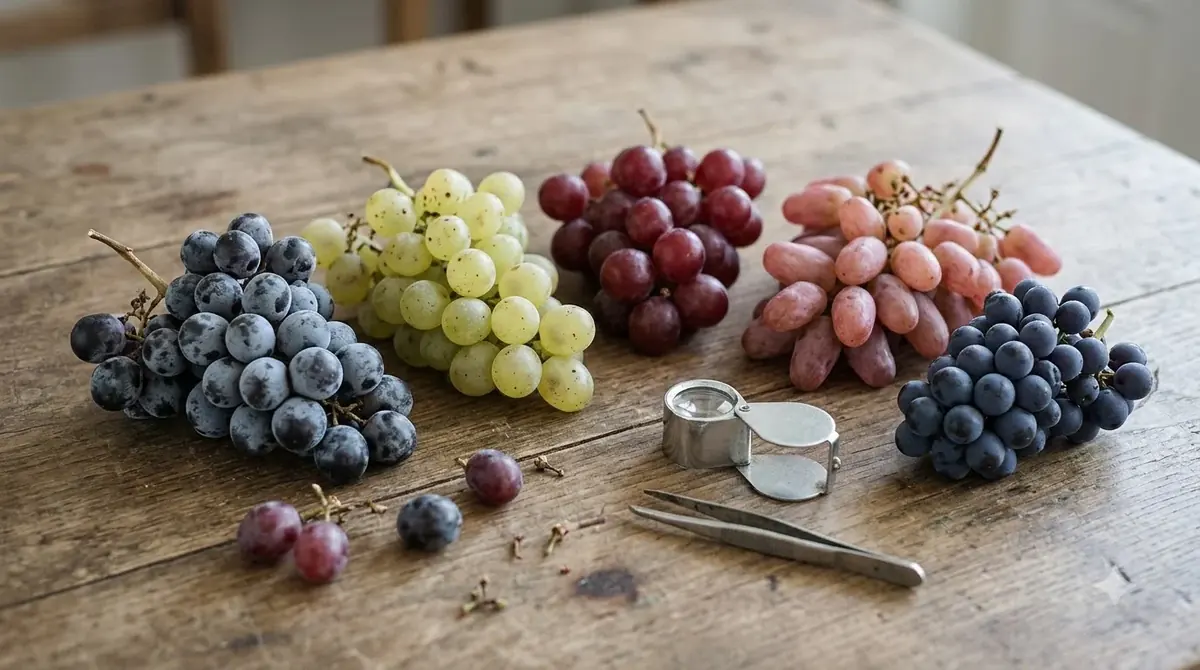
Chardonnay and riesling come from different regions and different family trees. Both are white grapes, but they are shaped by very different climates and winemaking traditions. Knowing where each grape grows best helps explain why bottles from different places taste so unlike each other.
Riesling has a long history in Germany, where it is grown along the Rhine River and its tributaries. According to the UC Davis Riesling grape history, the variety is very sensitive to the climate and soil where it is planted, which produces clearly different flavors from one site to the next. Riesling is also a late-ripening grape, so it does well in cooler areas where it can hold its acidity.
Chardonnay has a different story. Darrell Corti, a California wine merchant interviewed by the UC Davis Library, recalls that early California growers considered the grape difficult to farm and low in yield. Its reputation grew after prize-winning wines in the late 1930s, and today it is grown in many wine regions across the world. It is generally a more adaptable grape than riesling, which is part of why it appears in so many styles.
Genetically, the two grapes are related. Riesling’s parentage traces back to Gouais blanc, the same parent that produced Chardonnay. The shared heritage explains a few overlapping traits, but the two wines still look and taste distinct once they reach the glass.
Flavor Profile: Taste, Aroma, and Body Compared
Chardonnay and riesling are often described with fruit words, but the fruit is different. Chardonnay tends toward apple, pear, citrus and sometimes tropical fruit, with a creamy or buttery finish when it is oaked. Riesling leans toward floral, citrus and orchard fruit, with a crisp and lively feel on the palate.
Body is one of the easiest ways to tell them apart. Chardonnay often feels rounder and heavier in the mouth, especially in warm climates. Riesling usually feels lighter and more linear, even when it has some sweetness. The table below sums up the main differences.
| Trait | Chardonnay | Riesling |
|---|---|---|
| Typical body | Medium to full | Light to medium |
| Common fruit notes | Apple, pear, citrus, sometimes tropical | Green apple, peach, citrus, lime |
| Aromas | Butter, vanilla or toast when oaked | Flowers, honey, and sometimes a petrol note with age |
| Acidity | Moderate, softer in warm regions | High, a signature feature |
| Usual sweetness | Dry | Dry to very sweet |
Aroma differences matter as much as taste. Riesling can smell perfumed and flowery when young, and the aromas shift as the wine ages. Chardonnay aromas depend heavily on how it was made, so the same grape can smell like green fruit in one bottle and like toasted bread in another.
Sweetness Levels and Acidity in Each Wine
Sweetness is where riesling stands apart. Riesling can be made dry, medium dry, medium sweet or sweet, so a bottle label or the producer’s notes are worth reading. Chardonnay is almost always made dry, so it rarely tastes sweet unless a producer adds an unusual style.
Acidity is the backbone of riesling. High acidity keeps sweeter bottles from tasting heavy and gives dry bottles a crisp, mouth-watering edge. Chardonnay has enough acidity to stay fresh, but it usually relies more on fruit, texture and oak for its structure.
According to the Wikipedia entry on Riesling, the grape’s natural acidity helps it age well, and the sweetest styles can be cellared for a long time. If you prefer a softer, rounder white, a dry chardonnay may suit you better. If you like bright, zesty wines, a dry or off-dry riesling is a good starting point.
Oak Aging, Winemaking, and How They Affect Style
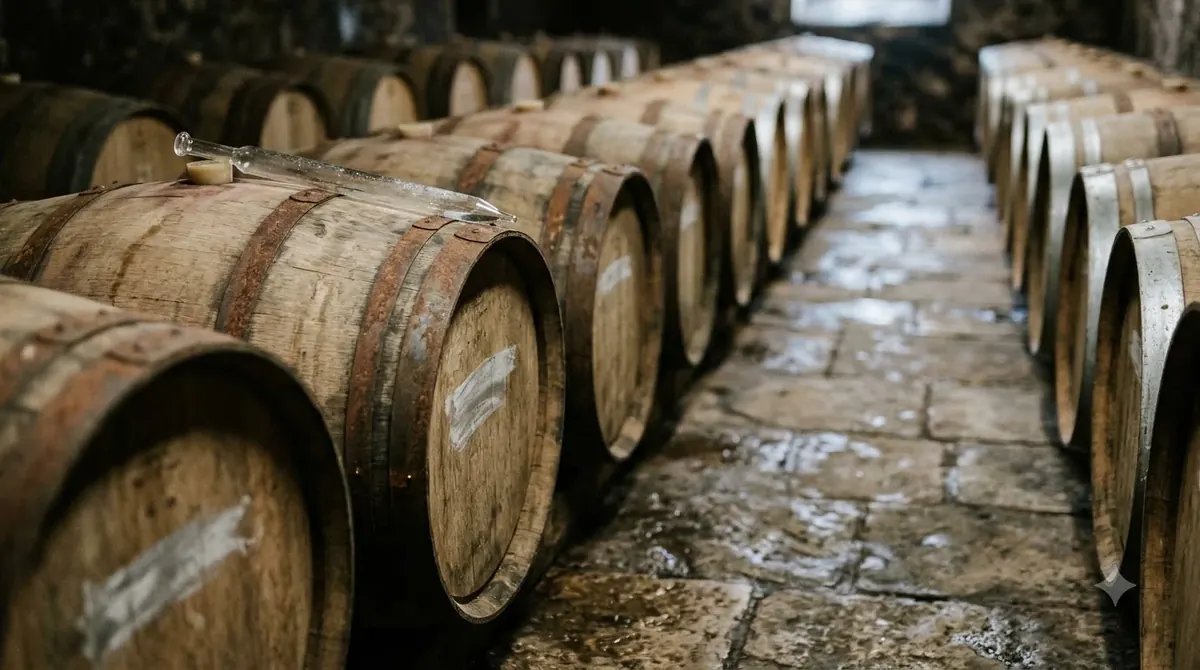
Oak is one of the biggest reasons chardonnay and riesling taste so different. Chardonnay is often fermented or aged in oak, which adds vanilla, toast and a creamier texture. Riesling is seldom oaked, so its flavor comes more from the fruit, the site and the winemaker’s choices about sweetness.
Oak use in chardonnay has changed over time. Darrell Corti notes that early California wineries had few good cooperage options, and that oak only became a serious tool after French barrels were imported. Today winemakers choose anything from lightly oaked to heavily toasted chardonnay, so reading the producer’s description helps you predict the style.
Riesling winemaking is more about the timing of the harvest and the level of sweetness. Late-harvested grapes can be affected by noble rot, a fungus that concentrates sugar and flavor. Wikipedia notes that the sweetest riesling wines are among the longest-lived white wines. Ice wine is another route to intense sweetness, made from grapes frozen on the vine.
Riesling also develops a petrol or kerosene note with age, caused by a compound that forms as the wine matures. Some drinkers love this aroma, while others find it unfamiliar. Chardonnay usually shows its oak and fruit character early, so the two wines age in very different ways.
Food Pairings for Chardonnay and Riesling
Food matching is where these two wines can really shine. Riesling’s acidity and sweetness pair well with spicy, salty or fatty dishes, while chardonnay’s richness suits creamy sauces and roasted proteins. Matching the wine to the weight of the dish is the simplest rule.
- Dry riesling works well with pork, shellfish, sushi and Thai or Indian dishes with some heat.
- Sweeter riesling can balance spicy food and fruit-based desserts without feeling heavy.
- Oaked chardonnay pairs with roast chicken, lobster with butter, and creamy pasta.
- Unoaked chardonnay suits lighter fish, salads and goat cheese.
Serving temperature also matters. Chill both wines before serving, but do not make them ice cold, since very cold temperatures mute aroma. Taste a small sample with your meal before committing to a full bottle, because the wine and dish can change each other’s flavor.
How to Choose Between Chardonnay and Riesling
Choose chardonnay if you want a rounder, richer white with fruit and possibly oak. Choose riesling if you want a brighter, more aromatic wine with lively acidity. Both categories are wide, so the style on the label matters more than the grape name alone.
Start by asking what you usually order. If you enjoy buttery, creamy wines, look for an oaked chardonnay. If you prefer crisp, fresh whites, try a dry riesling first, then move toward sweeter styles if you enjoy them. Read the back label or the producer’s website for notes on sweetness and oak use.
The gewurztraminer vs riesling comparison is a useful next step if you like aromatic whites, while the broader wine vs wine guides explain more styles side by side.
Tip: If you are unsure, buy one dry chardonnay and one dry riesling and taste them side by side with the same meal. Enjoy them in moderation.
Frequently Asked Questions
Is riesling sweeter than chardonnay?
Often, yes. Riesling can be made dry, medium or sweet, while chardonnay is usually made dry. Check the label or the producer’s description, since a dry riesling can taste lighter and crisper than many chardonnays.
Which wine has more acidity, chardonnay or riesling?
Riesling is known for its high acidity, which gives it a crisp, lively feel. Chardonnay has moderate acidity that varies with climate and winemaking. Warm-climate chardonnays often taste softer than cool-climate ones.
Does chardonnay always taste like oak?
No. Many chardonnays are unoaked or lightly oaked, and they taste fresher and more fruity. Oaked styles usually show vanilla, butter or toast, so look for oak references in the producer’s notes if you want that style.
Can riesling age like chardonnay?
Many rieslings age well because of their natural acidity, and sweet styles can last for a long time. Aged riesling often turns golden and develops honey and petrol notes. Most chardonnays are best enjoyed within a few years, though some premium bottles can improve longer.
Chardonnay and riesling both offer something different at the table. Start with a dry bottle of each to learn your preference, then explore sweeter styles or oaked options as your taste develops. Pairing the wine with the weight of the meal will get you most of the way to a good choice.
More in Wine vs Wine
 Nero d’Avola vs Pinot Noir: Taste, Body, and Pairing DifferencesUpdated Nov 21, 2026
 Chenin Blanc vs Pinot Blanc: Key Differences in Taste, Acidity, and PairingsUpdated Nov 21, 2026
 Chardonnay vs Shiraz: Key Differences in Taste, Serving, and PairingUpdated Nov 21, 2026
 Chardonnay vs Verdejo: How Spain’s Crisp White Compares to the World’s ChameleonUpdated Nov 21, 2026
 Chardonnay vs Sancerre: Key Differences in Taste, Grapes, and PairingUpdated Nov 21, 2026
 Chardonnay vs Malbec: Key Differences in Taste, Body, and PairingUpdated Nov 21, 2026