

We may earn a commission when you buy through links on this page, at no extra cost to you. Learn more.
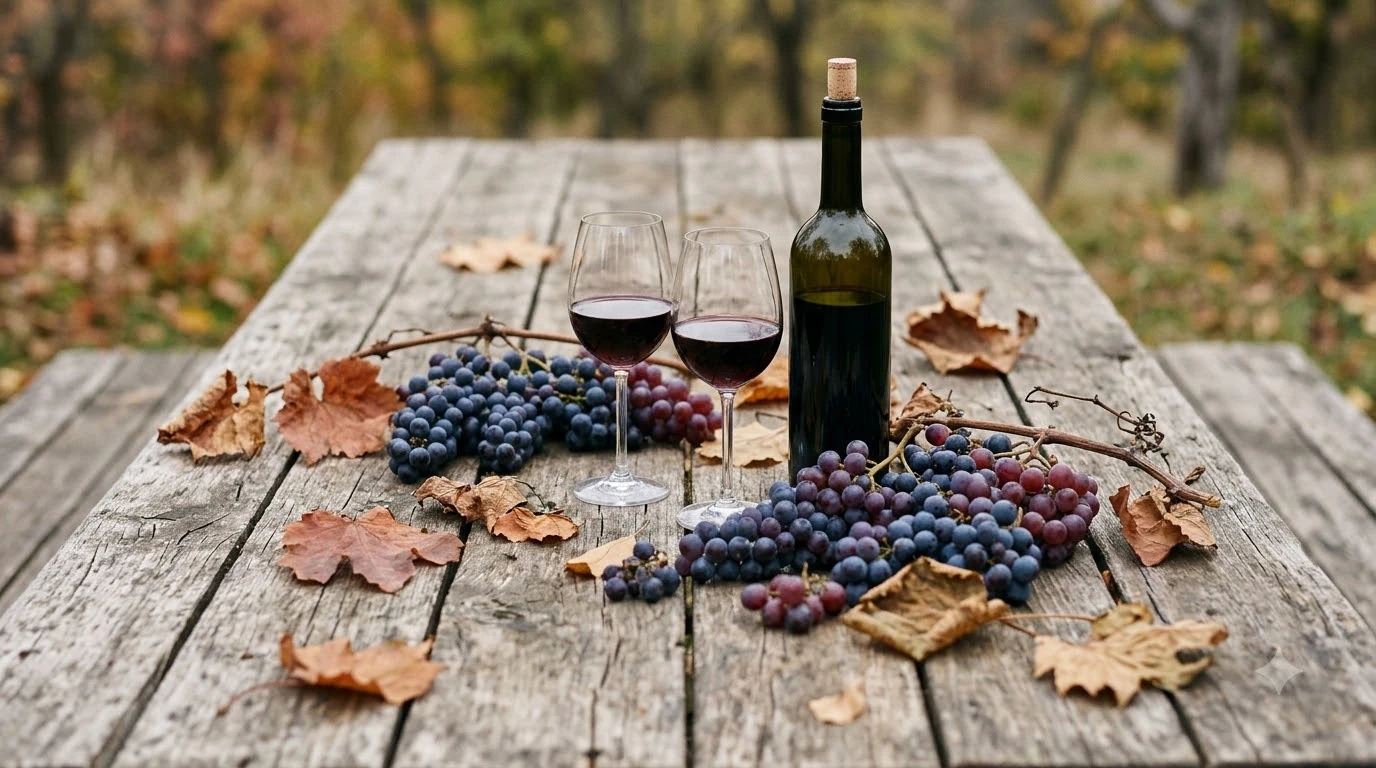
The term corvina color refers to the contrast between the grape’s deep blue-violet skin and the ruby-red wine it can produce. The juice pressed from Corvina is much lighter than the berries suggest, while finished Valpolicella wines range from bright ruby to deeper ruby and garnet. The exact shade depends on the blend, extraction, grape-drying method and age.
Corvina is a cornerstone of red winemaking around Verona in Italy’s Veneto region. Understanding its color means looking at three separate stages: the appearance of the fresh grape, the pigments extracted during fermentation and the changes that happen as the wine matures. Those distinctions help explain why a dark-looking berry does not automatically make an opaque, nearly black wine.
Corvina Berries Have Dark Skins and Lighter Juice
Corvina grapes are blue-violet to deep purple, but their freshly pressed juice is comparatively pale and crimson. This skin-and-juice difference explains the grape’s color: much of the red pigment is held in the skin, so the shade of the finished wine depends on how winemakers bring those pigments into contact with the juice.
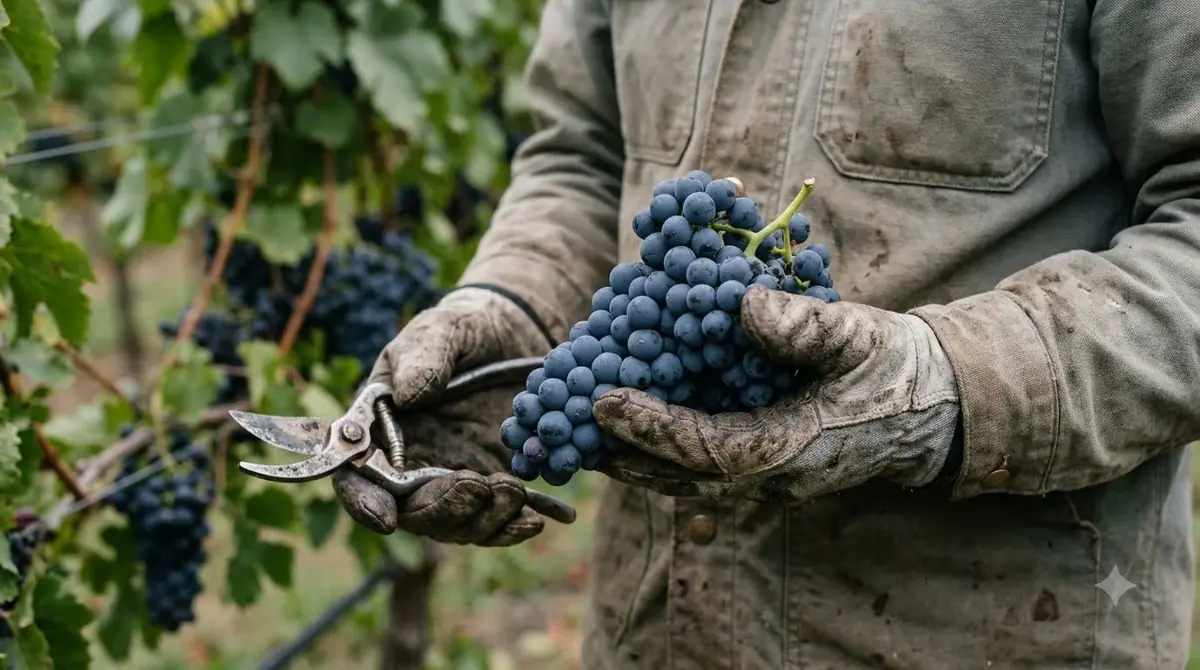
Wine Enthusiast’s Corvina profile describes the berries as deep purple, small and tightly packed, with relatively thick skins. The same profile notes that the juice is lightly pigmented and crimson rather than as dark as the berry itself. A consistent bloom gives the grapes a matte, powdery cast, so a bunch may look dusky blue or violet in the vineyard instead of glossy black. The skin color can also appear different under direct sun, shade or a layer of natural bloom.
Ca’ Rugate, a Valpolicella producer, describes Corvina’s skin as medium blue-violet and its bunches as medium-sized, compact and often winged. The eye sees a whole cluster, not a single berry: compact bunches create a dense field of dark skins, while the juice remains light until fermentation and maceration extract color. The cultivar’s name is also commonly linked to the Italian word for crow, a reference to the dark appearance of the grapes, although that explanation is generally presented as a likely origin rather than a proven botanical fact. For a shopper, the practical distinction is simple. A bottle labeled Corvina or Valpolicella should be judged by the wine in the glass, not by an assumption that a dark grape must produce an inky red. Corvina can provide color-bearing compounds and still make a wine that looks clear, vivid and ruby-toned when held against a white background.
The Finished Wine Usually Shows Ruby, Not Black
In the glass, Corvina-based wine is most often described in the ruby-red family, with garnet tones appearing as some wines age. The basic Valpolicella style is typically a clear ruby red, while richer and longer-aged expressions can look darker or shift toward garnet without becoming opaque.
The UVIVE Valpolicella overview characterizes Valpolicella as ruby red, tending toward garnet with age. The same source describes Amarone and Recioto as deep ruby red, also capable of developing garnet tones as they mature. These are useful reference points: ruby is the main color family, and garnet is a common sign of development rather than evidence that the wine has come from a different grape.
Color terms are descriptions, not laboratory measurements. Two wines from the same appellation can look different because of the proportion of Corvina, Corvinone and Rondinella, the amount of skin contact, the condition and ripeness of the fruit, and the producer’s approach to extraction. A young wine may show a brighter red rim and a more translucent center; a concentrated or older wine may look deeper at the center and more garnet around the edge. It is also useful to separate intensity from hue. Intensity describes how dark or pale the wine appears, while hue describes whether the red leans toward purple, ruby, garnet or brick. Corvina’s signature wines are red, but their color can move across that range as the wine is made and aged. Comparing those terms is more helpful than asking whether Corvina is simply a dark or light grape.
Valpolicella Styles Create Different Color Impressions
Corvina appears in several wines from the Verona area, and the style on the label is a strong clue to the wine’s likely appearance. Fresh Valpolicella is generally the lightest and most direct expression, while Ripasso, Amarone and Recioto use additional production steps that change concentration, texture and the way color is perceived. The table summarizes typical color language and selected production figures published by UVIVE; the descriptions are visual cues, not guarantees for every vintage or producer.
| Wine style | Typical color description | Useful number or process |
|---|---|---|
| Valpolicella DOC | Ruby red; garnet can emerge with age | 11% minimum total alcohol by volume |
| Valpolicella Superiore | Ruby, with garnet notes possible as it matures | At least 1 year of aging |
| Amarone della Valpolicella DOCG | Deep ruby, tending toward garnet with age | At least 2 years of aging before release |
| Amarone Riserva | Deep ruby, with mature garnet tones | At least 4 years of aging before release |
| Recioto della Valpolicella DOCG | Deep ruby, tending toward garnet with age | Grape withering can last 50–120 days |
Valpolicella DOC is made through classic red-wine production and a relatively short maturation. It is intended to retain freshness and a lively, youthful character, which is why ruby is a better expectation than black cherry or purple-black. Superiore uses selected grapes and must undergo at least a year of aging; that additional time can bring a more settled appearance and, with bottle age, garnet at the rim.
Ripasso is a separate step rather than simply a darker version of Valpolicella. UVIVE explains that the base wine is macerated with the grape skins and other marc left from the production of Recioto or Amarone. That contact changes the wine’s structure and extract, making it rounder and more concentrated. Its visual depth can vary by producer, so the method is a better clue to its weight than a promise of a particular shade.
Amarone and Recioto are made from dried grapes and have a deeper style profile. Amarone is dry, while Recioto retains sweetness; both are commonly described as deep ruby and may develop garnet tones. Taste a fresh Valpolicella beside an Amarone from the same area: the grape family is familiar, but the different fruit preparation and maturation can make the wines look and feel quite distinct.
Appassimento Concentrates Color Along With Flavor
Appassimento is the drying of selected grapes after harvest, and it is central to the production of Amarone and Recioto. The berries lose water as they rest, so the remaining juice and grape compounds become more concentrated before fermentation begins.
UVIVE describes the Amarone harvest as taking place between the final 10 days of September and the first week of October, followed by a withering period of about 100 days. This is not a brief pause: the fruit is selected to be sound and ripe enough to withstand a prolonged drying phase. The thick skins associated with Corvina make the grape useful for this technique, a point also noted in Wine Enthusiast’s varietal profile.
Drying changes the ratio of water to the fruit’s other components. It concentrates sugars, acids, flavor compounds and phenolic material, but it does not mean the finished wine is automatically sweeter or darker in a simple one-to-one way. Amarone ferments to a dry wine, whereas Recioto is made as a sweet red; the choice of fermentation and the residual sugar help shape the final style. Both can look deep ruby because the fruit is concentrated, but the result still depends on cellar decisions and maturation.
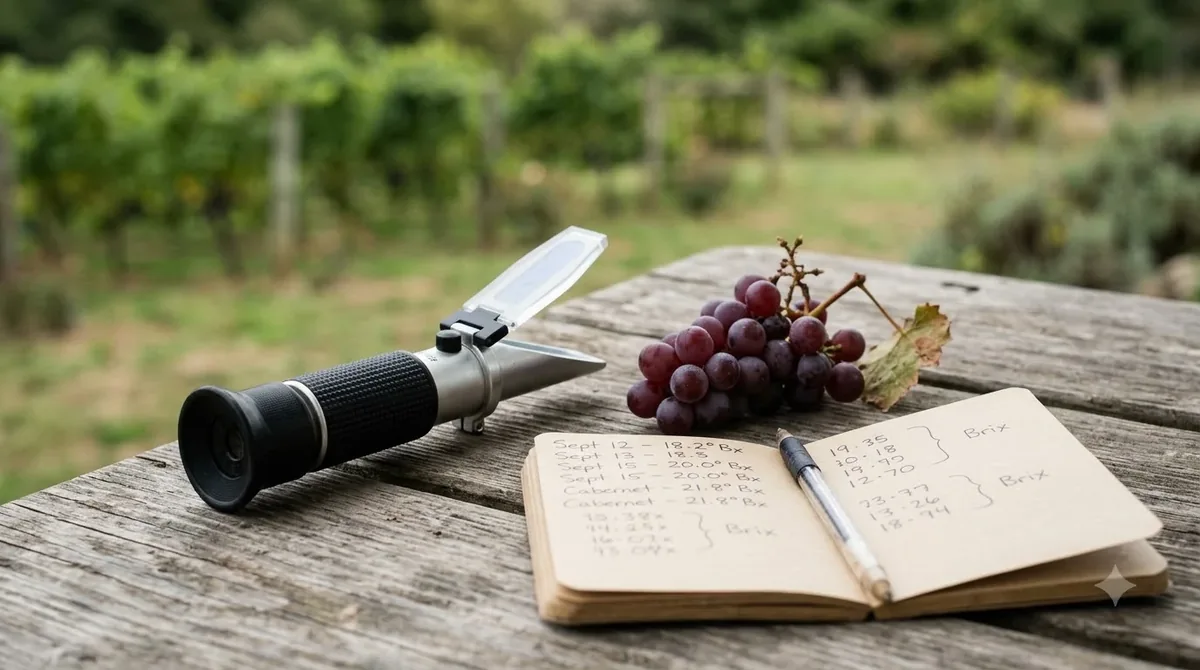
Skin contact is another part of the color equation. During red fermentation, pigments from the skins move into the must, and the duration and intensity of extraction influence the final shade. A winemaker balances color extraction with tannin and texture, rather than trying to extract every possible compound. The result can be saturated ruby with a clear rim, not necessarily the dense, opaque appearance associated with some other red grapes. Appassimento also explains why Amarone’s color can feel richer even when its hue remains within the ruby-to-garnet range. Dried cherry, plum and spice aromas add a sense of depth, and a fuller palate can make the wine seem darker than a light-bodied red. In other words, the visual color and the wine’s overall impression reinforce each other, but they are not identical measures.
Acidity and Cherry Character Matter More Than Darkness
Corvina’s identity is not based on dark color alone. The grape is valued for fresh acidity and a cherry-led profile, with bitter almond often appearing as a supporting note; those traits can remain clear in both lighter Valpolicella and richer dried-grape styles.
Wine Enthusiast describes Corvina as high in acidity, relatively low in tannin and often mild in flavor with a hint of bitter almond. The producer Ca’ Rugate also identifies cherry and plum as characteristic fruit notes. These descriptions help explain why Corvina wines can feel energetic and aromatic even when their color is not especially opaque. A vivid ruby wine may have plenty of flavor without looking heavy.
Blending also shapes the result. Corvina is often combined with other local varieties rather than bottled alone, and the different grapes contribute distinct features. UVIVE highlights Corvina for its coloring substances, concentration and capacity to adapt to drying, while its regional overview identifies Rondinella as a variety that can contribute color. The blend proportions and the producer’s choices therefore influence the final appearance as well as the balance of fruit, acidity and structure.
Ca’ Rugate provides concrete examples on its Valpolicella page: its Rio Albo Valpolicella and Campo Bastiglia Ripasso list 45% Corvina, 40% Corvinone and 15% Rondinella, while its Punta 470 Amarone lists 45% Corvina, 40% Corvinone and 15% Rondinella as well. Those examples show that a wine’s style is not explained by Corvina alone. The same broad grape proportions can be used across different winemaking paths, and the process changes the finished wine’s concentration and texture. For readers comparing wine varieties, Corvina should not be judged by the same visual expectations used for deeply pigmented grapes. A pale ruby Pinot Noir can also carry high acidity and fragrant red fruit, while the color of pinot grigio color is a different question because Pinot Grigio is generally made as a white wine. The useful first step is to identify the grape and style, then interpret the color alongside acidity, tannin and body.
How to Read Corvina Color in the Glass
A quick visual check works best in neutral light, with the glass tilted over a white surface. Look at the center for depth, then follow the wine to the rim for clues about hue; this makes it easier to distinguish a bright ruby young red from a garnet-toned bottle with more time in the cellar.
Start by noting clarity and intensity separately. A clear, translucent ruby wine is not necessarily weak, flawed or lacking flavor. Corvina can have a dark skin and lightly pigmented juice, and the final wine’s body can come from concentration, blending and aging rather than from an almost-black color. A pale edge may be normal in a fresh red, while a more orange or brick-toned rim can develop as red wine ages. Serving temperature affects how the wine feels, though it does not change its underlying pigment. A lighter red is generally served around 55–60°F, while a fuller red is better around 60–65°F. Valpolicella that emphasizes freshness can be served slightly cool, whereas a fuller Amarone can be served closer to the full-red range. Very warm serving temperatures can make alcohol seem more prominent and blur the freshness that helps define Corvina.
Tip: Compare two styles side by side: pour a fresh Valpolicella and an Amarone into clear glasses, place both over a white sheet of paper and tilt them under the same light. Look for ruby at the center, garnet at the rim and differences in transparency before judging which wine is darker.
Use the same approach when comparing red, white, rosé and sparkling wines. The color vocabulary changes by category, and the visual range of cava color is not a useful yardstick for a still red made from Corvina. Likewise, a sweet aromatic white such as Moscato has its own color cues; the guide to moscato color can help explain why grape variety and winemaking style need to be considered together. A bright ruby Valpolicella may be exactly right for a fresh, food-friendly red, while a deep ruby Amarone is expected to have greater concentration and a more mature profile. For a wider overview of red, white, rosé and sparkling categories, use the site’s Wine by Type reference as a starting point.
Frequently Asked Questions
Is Corvina the same grape as Corvinone?
No. They were once treated as closely related names, but DNA testing established that Corvina and Corvinone are distinct grape varieties. Corvinone berries are larger, and the variety ripens later than Corvina.
What are the other names for Corvina?
Corvina is also known as Corvina Veronese and Cruina. These names can appear in grape references and wine descriptions, particularly when the variety is discussed in connection with the Verona area.
Does Corvina grow anywhere outside Italy?
Yes, but plantings outside Italy are exceptionally limited. Wine Enthusiast identifies Argentina as another country where the variety is grown, while Veneto remains its principal home.
Is Corvina an early-ripening grape?
No. Corvina is a late-ripening variety. Its first buds do not produce fruit, a feature that helps explain the use of pergola training in vineyards where growers want to encourage productive shoots.
Where does the name Recioto come from?
The name is traced to the local dialect term “recie,” which refers to the loose, mature grape clusters selected for the wine. The term points to a traditional selection practice in Valpolicella rather than the name of a grape variety.
Corvina’s dark blue-violet berries and lighter crimson juice explain why its wines are usually ruby rather than inky black. Look at the wine style, production method and age together, and the shift from fresh Valpolicella to deep-ruby Amarone becomes much easier to understand. The color is a useful starting point, but the grape’s acidity, cherry fruit and regional character complete the picture.
More in Wine Types & Grapes
 What Does Ruby Port Taste Like? Flavor Notes, Styles, and Serving TipsUpdated Nov 21, 2026
 What Does Ribolla Gialla Taste Like? Crisp White and Amber Styles ExplainedUpdated Nov 21, 2026
 What Does Semillon Taste Like? Flavor Profile, Styles & PairingsUpdated Nov 21, 2026
 What Does Scuppernong Taste Like? Flavor, Styles, and Pairing GuideUpdated Nov 21, 2026
 What Does Saperavi Taste Like? Flavors, Styles, and Pairing GuideUpdated Nov 21, 2026
 What Does Natural Wine Taste Like? Flavors, Styles, and Serving TipsUpdated Nov 21, 2026