

We may earn a commission when you buy through links on this page, at no extra cost to you. Learn more.
Corvina wine is a red made mainly from the Corvina grape in Italy’s Veneto region, where it is the main variety in Valpolicella and Amarone. Fresh-style Corvina wines are light and tart with red cherry and herbal notes. Wines made from partially dried grapes are richer and more intense. Wine Folly gives a typical alcohol range of 13.5 to 15% ABV, with Amarone running higher at 15 to 16%, and a serving temperature of 12 to 15°C (55 to 60°F).
Most American drinkers meet Corvina without realizing it, usually on a label that says Valpolicella or Amarone. The grape is one of the defining red varieties of northeastern Italy, and it shows up in wines ranging from simple, everyday reds to some of the most powerful wines in the country. This guide explains what Corvina tastes like, the main styles, and how to choose and serve a bottle.
What Corvina Tastes Like
Corvina has a bright, savory personality. Wine Folly lists tart cherry, cinnamon, chocolate, white pepper, and green almond among its flavors, which gives the grape a spiced edge that many red wines lack. Fresh-grape wines show red cherry, plum, and herbal notes on the palate.
The Wine Folly profile of Corvina notes that fresh-grape wines have low tannin and medium-high acidity. That combination makes them lively and easy to pair with food, even though the flavors are serious.
Where Corvina Grows
Corvina is overwhelmingly an Italian grape. Wine Folly’s 2016 figures put the planted area at roughly 6,222 hectares, which accounts for almost all of the world’s Corvina vines. Small plantings exist in South America and Canada, but the grape’s identity is tied to Veneto.
In Veneto, the grape appears in three main appellations. Valpolicella DOC covers fresh, light-bodied, easy-drinking reds. Amarone della Valpolicella DOCG covers bold wines made from partially dried grapes. Recioto della Valpolicella DOCG covers sweet reds from the same drying process. The region’s Ripasso style sits in between, made by refermenting Valpolicella with leftover Amarone skins.
Valpolicella, Ripasso, and Amarone
Valpolicella is the everyday style. It is fresh and fruity, with enough acidity to suit a wide range of dishes. Most bottles are ready to drink soon after release, and they are a good choice for a casual dinner.
Ripasso is a step up. The extra contact with Amarone skins adds color, body, and tannin, so the wine feels fuller while keeping much of Valpolicella’s freshness. It is often a good middle ground for shoppers who want more structure without paying for a full Amarone. The name comes from the Italian word for “re-passed,” a reference to the wine being run over the skins a second time.
When you read a Ripasso label, look for the producer’s description of how the wine was made. Some estates use more Amarone skins than others, so two bottles with the same name can taste quite different.
Amarone is the richest version. Its grapes are dried before pressing, which concentrates sugar and flavor. Wine Folly describes the tannins as high and grippy, with a hint of sweetness and notes of spice, chocolate, leather, and earth. Amarone is powerful and long-lived, and it is meant for special meals rather than everyday drinking.
| Style | Body and tannin | Typical alcohol | Good with |
|---|---|---|---|
| Valpolicella | Light, low tannin, fresh acidity | 13.5 to 15% ABV | Pizza, antipasti, red pasta sauce |
| Ripasso | Fuller, more tannin and color | Varies by producer | Roast meats, hearty pasta |
| Amarone | Full, high and grippy tannin | 15 to 16% ABV | Grilled mushrooms, steak, lamb stew |
How to Serve Corvina
Serving temperature matters for Corvina. Wine Folly recommends 12 to 15°C (55 to 60°F), which is cooler than many Italian reds served at room temperature. At that range, the fresh fruit and acidity stay lively, and the wine feels balanced rather than heavy.
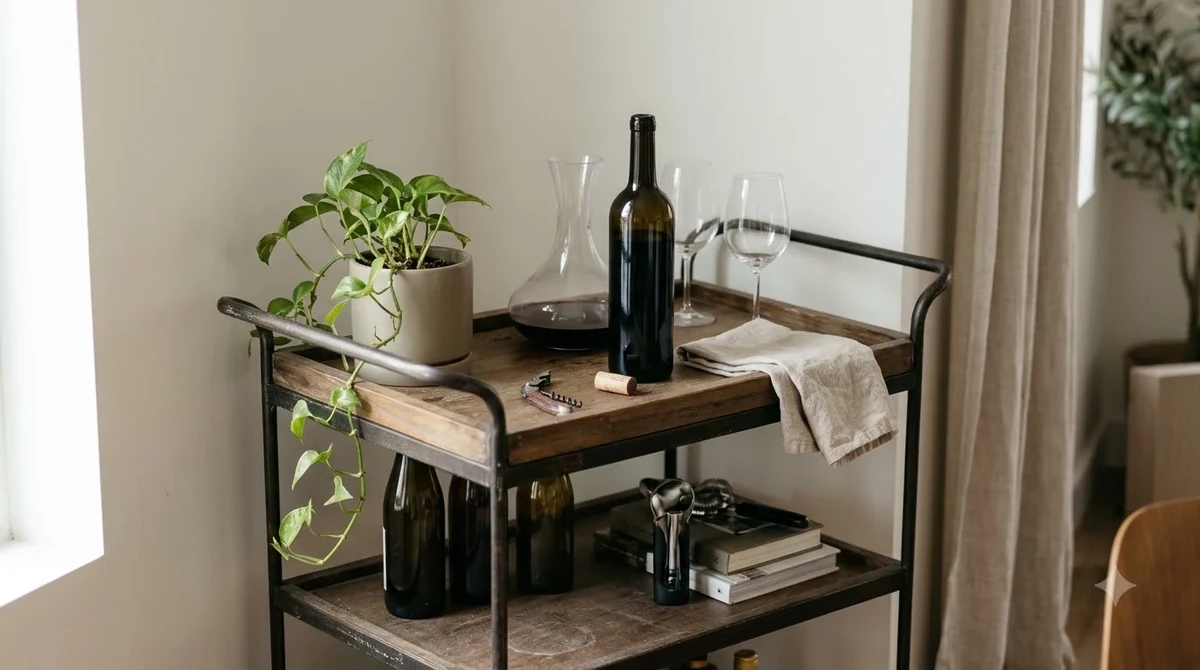
Valpolicella rarely needs decanting. Amarone benefits from a rest in a decanter for 30 minutes to an hour, which softens the tannin and opens the aromas. A large red wine glass with a generous bowl will show the wine’s spice and fruit well.
Tip: If an Amarone tastes harsh when first opened, give it time in the decanter before you judge it. The structure often settles into a smoother wine.
Food Pairings for Corvina
Valpolicella suits the foods of its home region. Pizza, antipasti, bruschetta, and red pasta sauces all work, because the wine’s acidity matches tomato and cured meats. A simple plate of cheese and cured salami is a good match as well.
Amarone calls for richer food. Wine Folly suggests flame-grilled porcini mushrooms, a medium-rare T-bone steak, and rich lamb stew. The wine’s intensity needs dishes with fat and savory depth to balance its tannins.

How to Choose a Corvina Bottle
Start by reading the label for the appellation. A bottle labeled Valpolicella will be the lightest and freshest of the family, while Ripasso and Amarone will be fuller. The producer’s name matters too, since styles vary widely between estates even within the same appellation.
Think about the meal. For a weeknight dinner or a crowd, Valpolicella is a sensible choice. For a special dinner with a rich main course, Amarone or Ripasso will give you more to talk about. If you are unsure, ask the shop staff which style suits the food you plan to cook.
Also consider the age of the bottle. Valpolicella is usually best within a few years of its vintage, while Amarone can develop for much longer. A reliable producer note will tell you whether a particular bottle is meant to be opened now or saved.
Corvina and Brunello di Montalcino
Corvina often gets compared with other Italian reds because it shares a Mediterranean character and food-friendly acidity. Tuscany’s Brunello di Montalcino is made from Sangiovese, which has more firm tannin and a different flavor, but both wines reward a bottle with dinner. Tasting the two side by side is a good way to see how Italian regions express red fruit in different ways.
For a home dinner, a simple comparison works well. Pour a Valpolicella and a Ripasso from the same producer, if you can find both, and taste them with the same plate of pasta. The difference in body and tannin will show quickly, and you will learn which style you prefer.
Frequently Asked Questions
What is Corvina wine?
Corvina is a red grape from Italy’s Veneto region. It is the main grape in Valpolicella, Amarone, and Ripasso, and it is known for tart cherry, spice, and herbal notes.
Is Corvina a dry wine?
Most Corvina wines are dry. Recioto della Valpolicella is a notable exception, and it is sweet. Amarone is dry but can taste rich and slightly sweet because its grapes are partially dried.
Should Corvina be chilled?
A light chill helps. Wine Folly suggests serving Corvina at 12 to 15°C (55 to 60°F), which keeps the fresh fruit and acidity lively.
What is the difference between Valpolicella and Amarone?
Valpolicella is made from fresh grapes and is light and fruity. Amarone is made from partially dried grapes, so it is richer, more intense, and higher in alcohol, typically 15 to 16% ABV.
Corvina is a versatile grape that covers everything from easy weeknight reds to powerful wines for special meals. Start with a Valpolicella to learn the house style, then move up to Ripasso or Amarone when you want more depth, and keep notes on what you enjoy so the next bottle is an easier choice. For more on Italian reds and other varieties, visit our guide to wine by type.
More in Wine Types & Grapes
 Zinfandel Sugar Content: Dry Red vs. White Zinfandel GramsUpdated Nov 21, 2026
 Best Zinfandel Substitute Options for Sipping and CookingUpdated Nov 21, 2026
 Zweigelt Food Pairing: Best Dishes, Cheeses, and Serving TipsUpdated Nov 21, 2026
 Zinfandel Tannins Explained: How Structure Shapes Every BottleUpdated Nov 21, 2026
 Zinfandel Sweetness Level: Dry Red vs. Sweet White Zin ExplainedUpdated Nov 21, 2026
 Xinomavro Food Pairing: Best Dishes, Styles, and Serving TipsUpdated Nov 21, 2026