

We may earn a commission when you buy through links on this page, at no extra cost to you. Learn more.
Brazil wine country is centered on Serra Gaúcha in southern Rio Grande do Sul, with distinctive wine regions extending from the São Francisco Valley in the Northeast to the highlands of Santa Catarina and Minas Gerais. Brazil is particularly recognized for its sparkling wines, including fresh traditional-method bottlings and aromatic Moscatel styles. Its vineyards also produce Merlot, Cabernet Sauvignon, Chardonnay, Pinot Noir, Syrah, and other varieties. Understanding the country’s contrasting climates and regional identities makes it easier to discover Brazilian wines worth exploring.
Brazil may be better known internationally for coffee, football, and tropical landscapes than for wine, but its winemaking tradition is substantial. Southern vineyards have developed recognizable sparkling and still wine styles, while innovative producers in northeastern Brazil have demonstrated that quality grapes can grow under very different climatic conditions. For American wine enthusiasts, Brazil offers an opportunity to explore a South American wine culture that does not simply imitate Argentina or Chile.
Understanding Brazil’s Wine Geography and History
Brazilian wine production is defined by geographical diversity rather than a single dominant climate. Southern vineyards experience relatively temperate conditions, while northeastern vineyards use irrigation and vineyard management techniques to produce grapes in a tropical semi-arid environment.
The country’s wine industry is concentrated in Rio Grande do Sul, the southernmost state, particularly around Serra Gaúcha. This area became an important center of viticulture through European immigration, established agricultural communities, and generations of vineyard development. Italian heritage remains particularly visible in the region’s food, architecture, grape varieties, and wine traditions.
Brazil’s wine identity is also shaped by the development of modern winemaking technology. Producers have invested in fermentation control, vineyard management, and sparkling wine production. These improvements have helped establish a broader range of styles, from approachable aromatic whites to structured reds and bottle-fermented sparkling wines.
Geographical indications provide another important part of the country’s wine identity. They identify wines associated with defined growing areas and establish production requirements that distinguish regional products. Brazil uses two principal classifications: Indicação de Procedência (IP) and Denominação de Origem (DO). A DO generally establishes more specific requirements concerning the relationship between the wine and its geographical origin.
The Wines of Brazil industry organization identifies several geographically protected wine-producing areas, including Vale dos Vinhedos, Pinto Bandeira, Altos de Pinto Bandeira, and Vale do São Francisco. These classifications help consumers understand where grapes originate and why wines from different parts of Brazil can have noticeably different characteristics.
Brazil also has an unusual geographical advantage: it can produce wine under both southern temperate conditions and tropical growing conditions. This distinction makes the country particularly interesting for anyone studying how climate, altitude, irrigation, grape selection, and harvest scheduling influence wine styles.
Serra Gaúcha and Vale dos Vinhedos: The Southern Wine Heartland
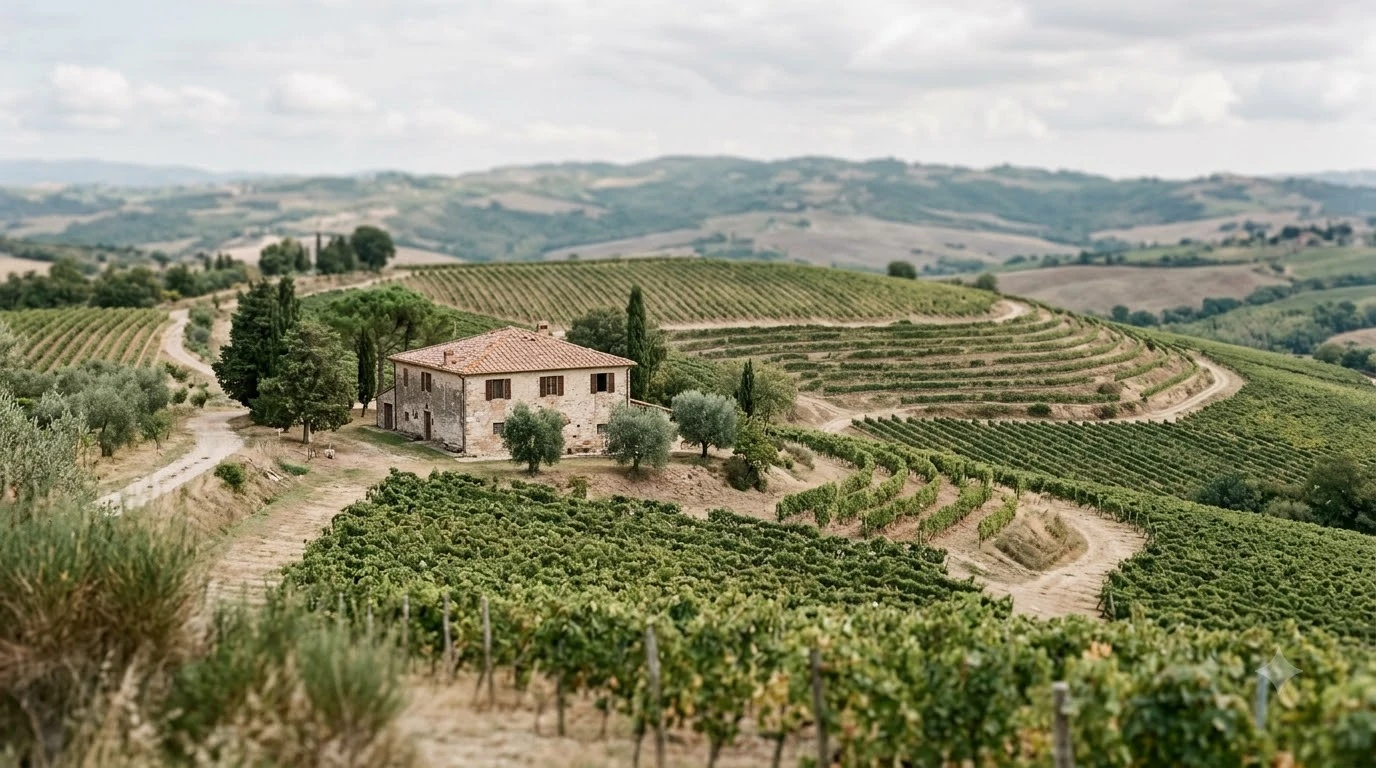
Serra Gaúcha is the most important starting point for exploring Brazilian wine, particularly around Bento Gonçalves, Garibaldi, and nearby communities. Its combination of established wineries, regional food traditions, and sparkling wine expertise makes it the country’s best-known wine tourism destination.
The landscape features rolling hills, vineyard-covered slopes, and communities with strong Italian cultural influences. The region’s elevation and climate help preserve freshness in grapes used for sparkling wine. According to Decanter, vineyards in the southern Brazilian sparkling wine area are situated approximately 300 to 800 meters above sea level, with cool ocean breezes influencing growing conditions.
Vale dos Vinhedos is one of the best-known wine areas within Serra Gaúcha. Its vineyards and wineries are associated with the municipalities of Bento Gonçalves, Garibaldi, and Monte Belo do Sul. The region is especially important for understanding Brazil’s geographical indication system and the development of higher-quality regional wines.
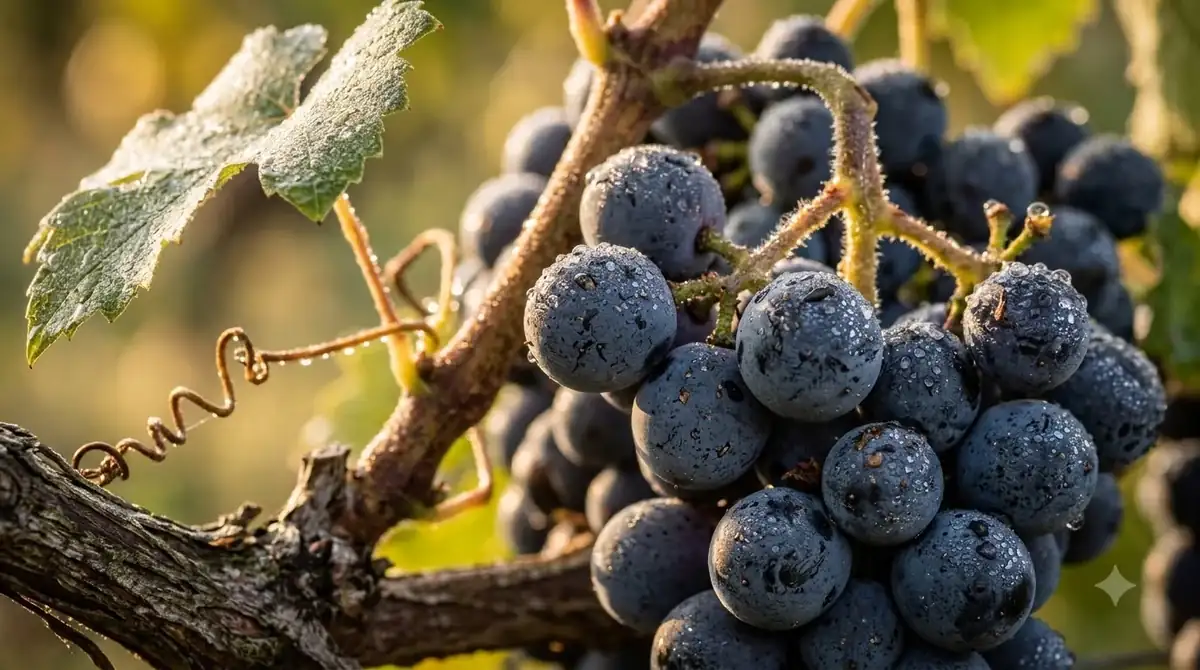
Merlot is an important red variety in Vale dos Vinhedos, producing wines that can show ripe plum, cherry, spice, and moderate tannin. Cabernet Sauvignon is another important grape, while Chardonnay contributes to both still and sparkling wine production. Pinot Noir is particularly relevant to sparkling blends, where its fruit character and structure complement Chardonnay.
Pinto Bandeira and traditional-method sparkling wine
Pinto Bandeira deserves particular attention from sparkling wine enthusiasts. The area has developed a strong identity around traditional-method production, in which the second fermentation takes place inside the bottle. This technique creates a different texture and aromatic profile from sparkling wines produced through the tank-based Charmat method.
Cave Geisse is one of the recognized producers associated with Pinto Bandeira. Founded by Chilean winemaker Mario Geisse in 1979, the winery demonstrates the potential of Brazilian vineyards for more complex sparkling wines. Chardonnay and Pinot Noir are particularly important to this style, and extended lees aging can contribute notes of bread, biscuit, and toasted nuts.
Other established names in the wider Serra Gaúcha wine scene include Miolo, Salton, Aurora, Peterlongo, and Valduga. Their portfolios illustrate the diversity of the southern industry, including sparkling wines, aromatic whites, and red wines intended for everyday enjoyment or longer cellaring.
Chandon Brazil also has a significant place in the region’s modern history. Its arrival in Garibaldi in 1973 helped strengthen the country’s sparkling wine industry and encouraged further investment in production techniques and vineyard development.
Brazil’s Other Important Wine Regions
Brazilian viticulture extends beyond Serra Gaúcha, with important wine-growing areas in Santa Catarina, the southern borderlands, Minas Gerais, and northeastern Brazil. These regions demonstrate how altitude, temperature, rainfall, and irrigation can produce very different wine styles within one country.
Campanha Gaúcha lies in the southern part of Rio Grande do Sul, closer to the borders with Uruguay and Argentina. Its landscape is generally more open and less mountainous than Serra Gaúcha. Cabernet Sauvignon, Merlot, and other red varieties are important to the area’s identity, while its warmer and relatively drier conditions offer opportunities for producing ripe red wines.
Serra do Sudeste is another southern Brazilian wine area. Its rolling terrain and varied elevations provide opportunities for both red and white varieties. The region is part of the wider development of premium Brazilian wine outside the traditional Serra Gaúcha center.
Planalto Catarinense in Santa Catarina is associated with high-altitude viticulture. Cooler temperatures and significant differences between daytime and nighttime conditions can help preserve grape acidity. Chardonnay, Pinot Noir, and other varieties benefit from these conditions, particularly when producers seek freshness and aromatic definition.
Campos de Cima da Serra is another high-altitude growing area in southern Brazil. Its vineyards offer a different growing environment from the warmer valleys farther south. The combination of elevation and cooler conditions can help extend grape development and preserve natural acidity.
South of Minas Gerais represents a different approach to Brazilian viticulture. Some producers use winter or dry-season harvesting techniques, allowing vineyard management to be adapted to local seasonal rainfall patterns. These wines are sometimes described as winter wines because their production cycle differs from the conventional southern hemisphere harvest calendar.
Vale do São Francisco is perhaps the most unusual of these regions. Located in northeastern Brazil, it spans areas of Pernambuco and Bahia along the São Francisco River. Its tropical semi-arid climate, high solar radiation, and access to irrigation make year-round vineyard management possible.
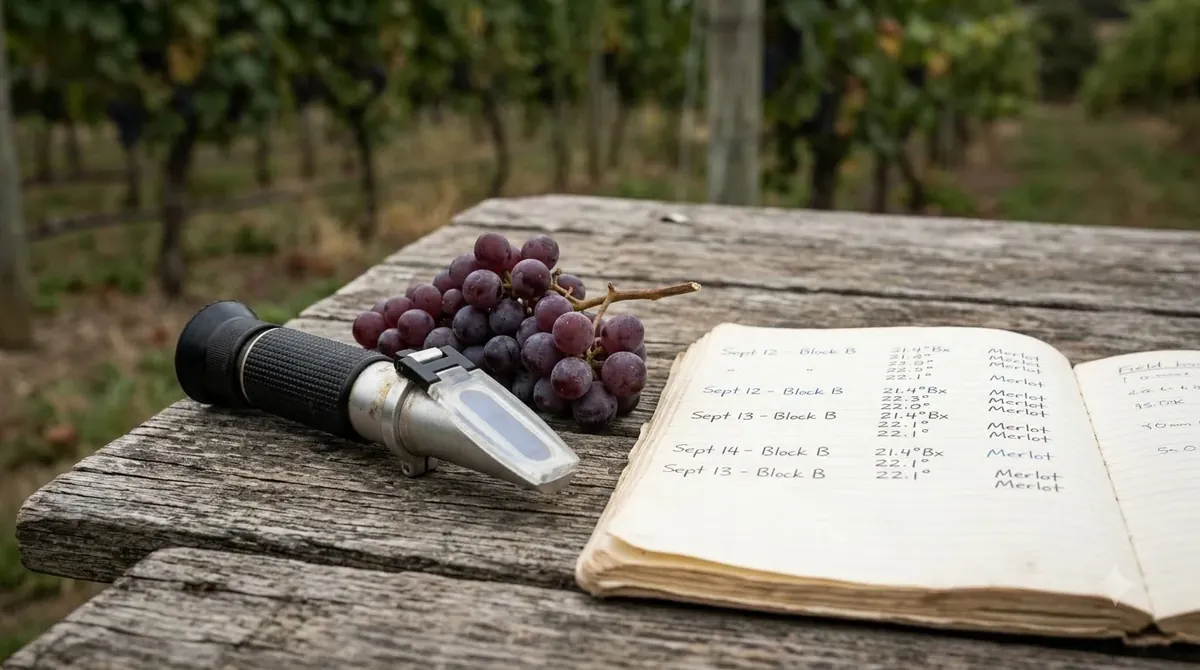
According to research published in the journal Beverages on sparkling wines from the São Francisco Valley, vineyard conditions in this region allow a vine to produce two harvests annually. This is a major difference from traditional temperate vineyards, which generally follow one principal annual growing cycle.
Chapada Diamantina in Bahia is another emerging northeastern wine area. Its altitude and particular growing conditions distinguish it from the hotter vineyards of the São Francisco Valley. Research on Brazilian viticulture has identified potential for varieties including Chardonnay, Pinot Noir, and Viognier in this broader northeastern wine-growing environment.
Brazilian Grapes and the Wines They Produce
Brazil grows a wide range of wine grapes, but a relatively small group is particularly useful for understanding the country’s signature styles. Merlot, Cabernet Sauvignon, Chardonnay, Pinot Noir, and Moscato are among the most recognizable varieties, while Syrah and Chenin Blanc are important to tropical wine production.
Red wine drinkers should begin with Merlot. Brazilian Merlot can offer ripe plum, red cherry, blackberry, and gentle spice, with medium tannin and a softer structure than many Cabernet Sauvignon wines. It is a useful introduction for people who enjoy approachable reds with moderate acidity and balanced fruit.
Cabernet Sauvignon is another important red grape. It generally produces wines with darker fruit, more noticeable tannin, and a firmer structure. In southern Brazil, its character depends on growing conditions and vineyard management, so examples can range from relatively approachable to more concentrated styles.
Pinot Noir is particularly important in sparkling wine production, although it is also used for still wines. Its relatively delicate tannin, red-fruit character, and natural acidity make it suitable for blending with Chardonnay. Brazilian sparkling wines made from these grapes can offer fresh citrus, apple, strawberry, and subtle yeasty notes.
Chardonnay is one of the country’s most versatile white grapes. It can produce fresh, citrus-driven still wines, fuller styles with greater texture, and sparkling wine base wines. The differences between regions and production methods can be substantial, so the grape name alone does not determine the final style.
Moscato Bianco is associated with aromatic and often gently sweet sparkling wines. These wines commonly show floral aromas, peach, orange blossom, and fresh grape character. They are a particularly accessible choice for people who enjoy sweeter sparkling wines or fruit-forward aperitif styles.
Syrah and Chenin Blanc deserve attention for a different reason: their adaptation to the São Francisco Valley. Syrah can produce red and rosé wines with ripe fruit and spice, while Chenin Blanc provides freshness and versatility for white and sparkling wines.
The following table summarizes useful starting points for understanding the main grape varieties and their typical Brazilian expressions.
| Grape | Wine Style | Typical Characteristics | Useful Food Pairing |
|---|---|---|---|
| Merlot | Red | Plum, cherry, medium tannin | Roasted chicken and pork |
| Cabernet Sauvignon | Red | Dark fruit, firm tannin | Grilled beef |
| Pinot Noir | Red and sparkling | Red berries, moderate acidity | Salmon and mushrooms |
| Chardonnay | White and sparkling | Apple, citrus, medium acidity | Seafood and poultry |
| Moscato Bianco | Sweet and sparkling | Floral aromas, peach, grape | Fruit desserts |
| Syrah | Red and rosé | Dark berries, pepper, spice | Barbecue and lamb |
| Chenin Blanc | White and sparkling | Apple, citrus, fresh acidity | Grilled fish and salads |
| Glera | Sparkling | Fresh fruit, citrus, light texture | Appetizers and seafood |
These are general style descriptions rather than guarantees about every bottle. Climate, harvest timing, winemaking decisions, and maturation can all influence the final wine. For a broader introduction to grape-growing areas and their regional differences, explore our guide to Wine Regions.
Brazilian Sparkling Wine, Still Wine, and Regional Styles
Sparkling wine is one of Brazil’s strongest categories, particularly in Serra Gaúcha and Pinto Bandeira. The country produces both tank-fermented sparkling wines and more complex traditional-method examples, giving consumers several different options depending on their preferences.
The Charmat method is widely used for Brazilian sparkling wine. In this process, the second fermentation occurs in a pressurized tank rather than in individual bottles. It is particularly effective for preserving the fresh fruit and floral aromas associated with Moscato and other aromatic grape varieties.
Traditional-method sparkling wine follows a different production process. The second fermentation takes place inside the bottle, and the wine remains in contact with yeast lees before disgorgement. This can contribute finer texture and additional aromas of bread, pastry, and toasted nuts.
Brazilian sparkling wines are available in several sweetness categories. Brut and Extra Brut are common dry choices, while Moscatel sparkling wines are usually fruitier and sweeter. For American consumers accustomed to Champagne, Cava, or Prosecco, the production method and sweetness designation are useful starting points when selecting a Brazilian bottle.
The São Francisco Valley offers another perspective on sparkling wine production. Its warm climate supports a different growing schedule, and producers use varieties including Chenin Blanc, Verdejo, Sauvignon Blanc, Viognier, Syrah, and Tempranillo. The resulting wines can include white and rosé sparkling styles as well as aromatic Moscatel wines.
Scientific research has also examined the potential of traditional-method sparkling wine from the tropical region. One study analyzed experimental wines made with Chenin Blanc and Syrah grapes and identified 33 volatile compounds. The wines spent six months aging on their lees, demonstrating the technical possibilities of sparkling wine production beyond the traditional southern vineyards.
Still wines offer a similarly varied picture. Southern Brazil is a good starting point for Merlot, Cabernet Sauvignon, Chardonnay, and Pinot Noir. The São Francisco Valley provides an opportunity to discover tropical Syrah and Chenin Blanc, while high-altitude areas offer fresh whites and structured reds influenced by cooler growing conditions.
There is also a place for aromatic and lightly sweet wines in the Brazilian market. Moscato-based wines are particularly suitable for informal gatherings, while dry Chardonnay and Cabernet Sauvignon provide familiar styles for people who prefer conventional international grape varieties.
Visiting Brazilian Wine Country and Planning a Winery Trip
For most international visitors, Serra Gaúcha is the most practical introduction to Brazilian wine tourism. Its concentration of wineries, established tasting experiences, regional restaurants, and scenic vineyard landscapes makes it easier to organize a trip around wine.
Bento Gonçalves is a useful base for exploring Vale dos Vinhedos. Visitors can arrange winery appointments, explore local restaurants, and spend time learning about the region’s winemaking history. Garibaldi is another important stop, especially for people interested in sparkling wine production and the historical development of the industry.
A visit to Pinto Bandeira can add another dimension to the trip. The area is particularly interesting for travelers who want to understand traditional-method sparkling wine. Tastings can provide opportunities to compare Chardonnay and Pinot Noir blends, examine the influence of lees aging, and understand why some Brazilian sparkling wines have more complex textures than fresh tank-fermented examples.
Wine tourism in Serra Gaúcha is also closely connected to regional food culture. Italian-influenced dishes, local cheeses, grilled meats, breads, and pasta feature prominently in the area. Combining winery visits with regional meals provides a better understanding of why certain wines have developed alongside particular local foods.
The São Francisco Valley requires a different travel approach. Petrolina in Pernambuco and Juazeiro in Bahia are important reference cities for exploring the region. The area offers an unusual opportunity to see vineyards operating under semi-arid conditions and to learn how irrigation, pruning, and scheduled harvesting support wine production.
Visitors interested in the São Francisco Valley should plan their winery visits in advance. Distances between attractions, local transport arrangements, and the hot climate can make advance planning especially useful. A guided experience can also provide context about tropical viticulture that may not be obvious from simply visiting a tasting room.
High-altitude wine regions in Santa Catarina and other southern states appeal to travelers looking for cooler vineyard landscapes. These areas may require more specific travel arrangements than the established Serra Gaúcha routes, but they can offer a different perspective on Brazil’s growing wine culture.
Travelers interested in American wine regions may find useful comparisons with Yadkin Valley wine country, where regional identity and vineyard conditions also influence the wines. Those planning a domestic comparison can also explore Hill Country vineyards to see how a warm-climate American region approaches grape growing and wine tourism.
Tip: Schedule winery tastings ahead of time, especially for smaller producers and traditional-method sparkling wine specialists. If visiting Serra Gaúcha, allow enough time for both Bento Gonçalves and Garibaldi rather than trying to fit several winery appointments into a single rushed afternoon.
How to Choose, Serve, and Pair Brazilian Wines
Choosing Brazilian wine is easier when you begin with the style you already enjoy. Fans of Champagne and traditional sparkling wine should look toward Pinto Bandeira, while Prosecco drinkers may appreciate fresh Charmat-method examples from Serra Gaúcha. People who prefer aromatic sweetness can begin with Moscatel sparkling wine.
For red wine drinkers, Merlot offers a relatively soft introduction to Brazilian still wines. Cabernet Sauvignon is a better choice for people who enjoy firmer tannins and darker fruit. Syrah from northeastern Brazil is particularly interesting for those who want to explore a tropical expression of the variety.
Serving temperature makes a noticeable difference to the wine’s aromas and structure. Sparkling wines generally show well at 40–50°F, while light whites and rosés are best served around 45–50°F. Fuller-bodied whites benefit from slightly warmer service at 50–55°F.
For reds, lighter Pinot Noir is generally most enjoyable at 55–60°F. Fuller-bodied Merlot, Cabernet Sauvignon, and Syrah can be served around 60–65°F. Avoid serving red wine excessively warm, since higher temperatures can make alcohol seem more prominent and reduce the impression of freshness.
Food pairing should account for sweetness, acidity, tannin, and the intensity of the dish. A dry Brazilian sparkling wine is a versatile partner for seafood, fried appetizers, and salty snacks. Its acidity and bubbles can refresh the palate between bites, while its relatively light body makes it suitable for a range of dishes.
Chardonnay pairs well with roasted chicken, grilled fish, and creamy pasta, particularly when the wine has enough body to match the dish. Chenin Blanc can work with seafood, fresh salads, and dishes featuring citrus-based sauces because its acidity complements those flavors.
Merlot is a natural partner for grilled pork, roast chicken, and mushroom dishes. Cabernet Sauvignon generally works better with richer beef dishes because protein, fat, and salt soften the perception of tannin. Syrah can complement grilled lamb, barbecue, and spiced meats, although very hot chili dishes can make alcoholic and tannic wines seem more intense.
Moscatel sparkling wine is particularly useful with fruit-based desserts and pastries. A basic pairing rule is to choose a wine at least as sweet as the dessert. Otherwise, the wine may taste thin or overly acidic alongside the food.
Once a bottle has been opened, storage also matters. Refrigerate still wines and consume them within approximately three to five days for the best freshness. Sparkling wines generally retain their best character for one to three days when properly sealed and refrigerated.
For a broader understanding of how Brazilian wine fits into international wine styles, compare regional examples with wines from Pennsylvania wine country. Comparing different climates, grape selections, and production methods can help explain why two wines made from the same variety may taste very different.
Frequently Asked Questions
Is Brazil one of the world’s major wine-exporting countries?
Brazil has a substantial domestic wine market, and much of its production is consumed within the country. International recognition has grown particularly around sparkling wines, but exports remain less prominent than those of major South American exporters such as Argentina and Chile. This makes Brazilian bottles interesting discoveries in specialist wine shops.
What does the Brazilian wine term vinho de inverno mean?
Vinho de inverno translates as winter wine and refers to a production approach used in certain Brazilian growing areas. Producers manage the vineyard cycle so that grapes can ripen and be harvested during the dry winter season. This approach helps reduce some of the challenges associated with summer rainfall during the harvest period.
Does Brazil produce organic and biodynamic wines?
Yes, Brazilian wineries include producers working with organic and other environmentally focused vineyard practices. Certification requirements and production methods vary between wineries, so these terms should be evaluated individually. Some producers also emphasize reduced chemical inputs, vineyard biodiversity, and more careful resource management.
What is the difference between IP and DO on Brazilian wine labels?
IP identifies a wine’s geographical indication of origin and links it to a recognized production area. DO is a more restrictive designation that includes additional requirements connecting the wine’s characteristics to its defined origin. Both classifications help communicate regional identity and provide consumers with information about geographical provenance.
Are Brazilian wines made exclusively from European grape varieties?
No. Brazilian vineyards also grow American and hybrid grape varieties, particularly in regions with challenging humidity and disease pressure. Isabella and Concord are examples associated with Brazilian grape-growing traditions and fresh-grape or wine production. Their presence reflects a broader agricultural history than the international Vitis vinifera varieties commonly associated with premium wine production.
Brazil wine country offers a distinctive combination of traditional southern winemaking, internationally competitive sparkling wines, and innovative tropical viticulture. Start with Serra Gaúcha and Pinto Bandeira to discover the country’s established wine identity, then explore the São Francisco Valley to see how Brazilian producers approach a completely different growing environment. Together, these regions make Brazil one of the more intriguing wine destinations in South America.
More in Wine Regions
 Willcox Wine Trail: Discover Arizona’s High-Elevation Wine CountryUpdated Nov 20, 2026
 Yakima Valley Wine Region: Find the Best Styles to TryUpdated Nov 20, 2026
 Vosne Romanee Wine Tasting: Identify Aromas and Choose Better PairingsUpdated Nov 20, 2026
 Yakima Valley Wine Festival: Find the Best Seasonal Wine EventsUpdated Nov 20, 2026
 Wales Vineyards: Discover Cool-Climate Wines and Where to VisitUpdated Nov 20, 2026
 Yountville Wine Festival: Discover Napa Wines and Local FoodUpdated Nov 20, 2026