

We may earn a commission when you buy through links on this page, at no extra cost to you. Learn more.
Comparing moscato vs pinot noir comes down to sweet, low-alcohol aromatic refreshment versus dry, high-acid red wine complexity. Classic Moscato is a lightly sparkling, sweet white wine made from Muscat grapes with 5 to 6 percent alcohol by volume, while Pinot Noir is a dry, light- to medium-bodied red wine with 12 to 15 percent alcohol and silky tannins. Moscato shines chilled alongside spicy dishes and fruit desserts, whereas Pinot Noir belongs at cellar temperature next to roasted poultry, salmon, and earthy mushroom plates.
Shoppers often cross-shop these two bottles because both feel lighter and more approachable on the palate than heavy, mouth-drying reds like Cabernet Sauvignon. Beyond their approachable textures, however, Moscato and Pinot Noir sit at opposite ends of the wine spectrum in grape color, fermentation style, sweetness, and table role. Understanding how each wine is made makes choosing between them simple for any meal or gathering.
Moscato vs Pinot Noir at a Glance
Moscato and Pinot Noir differ in nearly every measurable winemaking trait, from residual sugar and alcohol strength to ideal serving temperature. A side-by-side look at standard benchmarks highlights why one functions best as an aperitif or dessert partner while the other anchors savory dinner courses.
| Attribute | Moscato (Classic Frizzante) | Pinot Noir (Dry Red) |
|---|---|---|
| Primary Grape Variety | Muscat Blanc à Petits Grains | Pinot Noir |
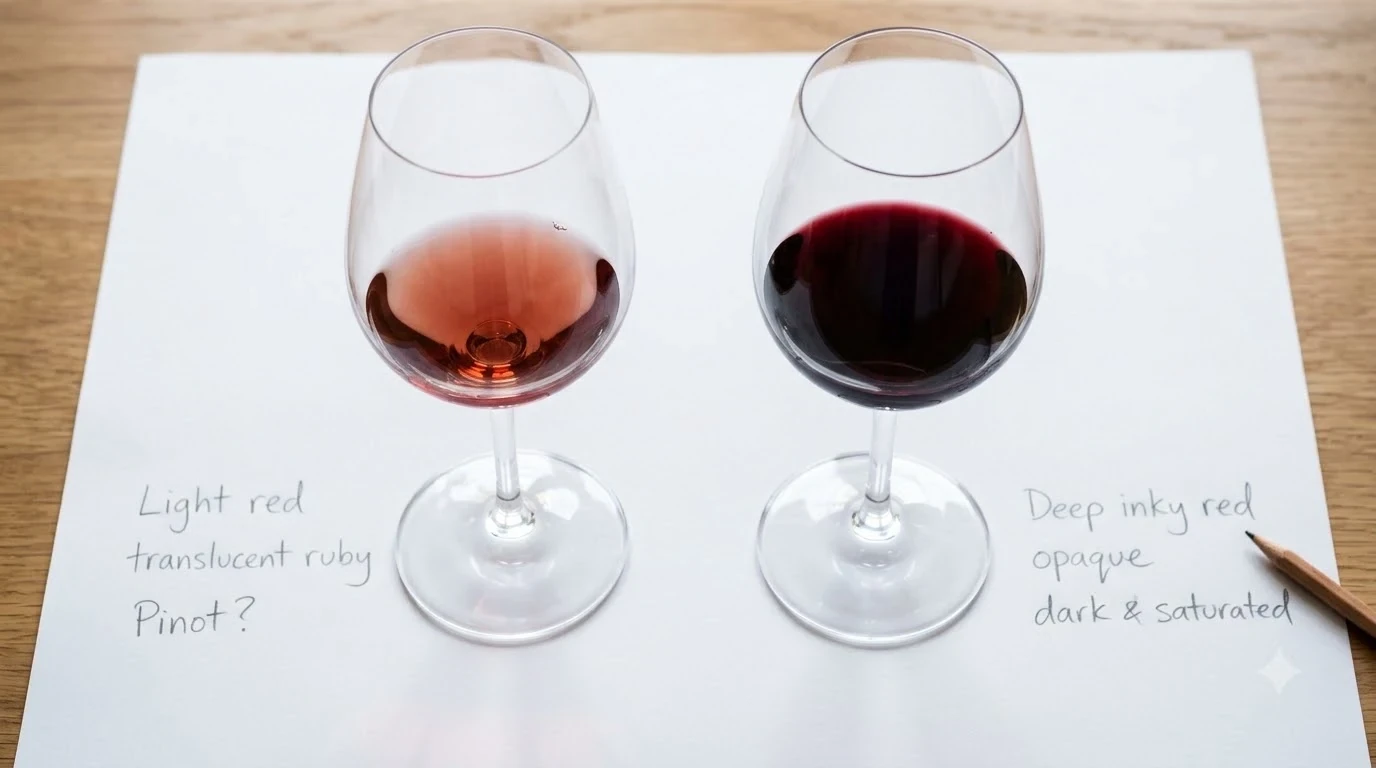
| Typical Wine Color | Pale straw to light gold (occasionally pink or red) | Translucent ruby to light garnet |
| Sweetness Level | Sweet (typically 120 to 130 g/L residual sugar) | Dry (under 4 g/L residual sugar) |
| Alcohol by Volume (ABV) | 5% to 6% (up to 12% in dry still styles) | 12% to 15% |
| Acidity Level | Low to medium (balanced by spritz in sparkling versions) | High |
| Tannin Level | None (white wine vinification) | Low to medium, silky |
| Body and Texture | Light, gently fizzy, buoyant | Light to medium, smooth, velvety |
| Ideal Serving Temperature | 43°F to 50°F | 55°F to 65°F |
| Opened Fridge Life | 1 to 3 days (sparkling); 3 to 5 days (still) | 3 to 5 days |
The widest gap between the two bottles is how fermentation handles natural grape sugar. Winemakers halt fermentation early for classic Italian Moscato d’Asti, leaving unfermented grape sugar in the bottle and capping alcohol around 5 to 6 percent, according to Wine Enthusiast. Pinot Noir producers ferment nearly all grape sugars into alcohol, creating a dry red wine with roughly double to triple the alcohol content per 5-ounce pour.
Body and mouthfeel also set distinct expectations before the first sip. Moscato delivers an immediate wave of floral perfume and gentle carbonation that feels weightless on the tongue. Pinot Noir relies on brisk natural acidity and subtle, fine-grained tannins from its thin black skins to give structure to savory meals without weighing down the palate.
Grape Origins and Core Styles
Moscato is the Italian name for the ancient Muscat grape family, while Pinot Noir is a single thin-skinned black grape native to eastern France. Although both varieties have centuries-old European roots, each has evolved into distinct regional expressions across global wine regions.
Muscat Grapes and Moscato Expressions
Moscato wines originate from the sprawling Muscat family, led by white-skinned Muscat Blanc à Petits Grains alongside Muscat of Alexandria and Muscat Ottonel. Winemaker Stefano Chiarlo of Michele Chiarlo notes that Muscat Blanc has grown in Piedmont, Italy for centuries, with official records dating back to 13th-century statues in the town of Canelli. While Piedmont’s semi-sparkling Moscato d’Asti defines the benchmark sweet style, producers in Sicily, Spain, California, and Oregon also craft still sweet versions, bone-dry racy whites, skin-contact orange wines, and brandy-fortified dessert bottles like Muscat de Beaumes-de-Venise in France’s Rhône Valley.
Red-skinned mutations such as Moscato di Scanzo and Moscato Rosa del Trentino exist in northern Italy, and many American wineries blend a splash of red wine into white Muscat to create pink Moscato. Even so, over 90 percent of bottles labeled Moscato on American retail shelves are white, sweet, and lightly effervescent.
Pinot Noir and Cool-Climate Terroir
Pinot Noir takes its name from the French words for pine and black, describing its tight, pine-cone-shaped grape clusters and dark skins. Cistercian monks cultivated the grape in Burgundy, France, where limestone slopes in the Côte d’Or still produce the benchmark single-varietal reds. Because Pinot Noir has thin skins and compact bunches that trap moisture, growers call it the heartbreak grape due to its susceptibility to rot, sunburn, and frost.
Cool to moderate growing regions preserve Pinot Noir’s signature bright acidity and delicate aromatics. According to VinePair, Sonoma’s foggy Russian River Valley accounts for one-fifth of California’s Pinot Noir plantings, while Oregon’s Willamette Valley sits at the same latitude as Burgundy and benefits from cooling Pacific breezes. Other major hubs include Germany—where the grape is labeled Spätburgunder—and New Zealand’s South Island. Beyond still red wine, Pinot Noir is also a foundational grape in Champagne, where plantings exceed those in Burgundy, and a popular base for crisp dry rosé.
Sweetness, Acidity, and Alcohol Compared
Sweetness, acidity, and alcohol create the structural skeleton of any wine, and Moscato and Pinot Noir balance these three elements in opposite ways. Classic Moscato pairs pronounced residual sugar with lower acidity and minimal alcohol, whereas Pinot Noir combines bone-dry fermentation with high acidity and moderate-to-high alcohol.
In classic Moscato d’Asti, chilled fermentation stops once alcohol reaches 5 to 6 percent ABV, leaving natural grape sugars intact to coat the palate with nectar-like sweetness. Because Moscato naturally carries low to medium acidity compared to crisp whites like Sauvignon Blanc, producers rely on gentle dissolved carbon dioxide—known as frizzante pressure—to lift the sweetness and keep the finish from tasting syrupy. Still sweet Moscatos without bubbles can reach 10 to 12 percent ABV and feel noticeably richer and rounder on the midpalate.
Pinot Noir sits firmly in the dry category, meaning yeasts convert virtually all grape sugar into ethanol during fermentation. Cooler regions such as Burgundy, Alsace, and Germany typically yield Pinot Noir between 12 and 13.5 percent ABV with snappy, mouthwatering acidity. Warmer regions like California’s Central Coast or Australia’s Yarra Valley push ripeness further, producing bottles between 13.5 and 15 percent ABV with riper fruit and softer perceived tartness. Readers comparing light-bodied reds can see how Pinot Noir stacks up against a riper, higher-alcohol red in our grenache vs pinot noir breakdown.
Tip: Check the alcohol percentage printed on the front or back label before buying Moscato. Bottles around 5% to 6% ABV are almost always sweet and lightly fizzy, while bottles listing 11% to 13% ABV are usually still and either off-dry or completely dry.
Aroma, Flavor Profile, and Tannin
Moscato bursts with unmistakable floral and orchard-fruit perfume driven by natural aroma compounds in the grape skin, whereas Pinot Noir layers red berries with savory earth, spice, and silky tannins. Tasting them side by side reveals how grape chemistry shapes every note in the glass.
Muscat grapes are rich in natural aromatic terpenes such as linalool, which give Moscato an immediate, unmistakable bouquet even from across a table. Classic sweet and frizzante styles smell of orange blossom, honeysuckle, white peach, Mandarin orange, and ripe pear, often accented by fresh sage or lychee. Dry versions of Muscat from Alsace, Spain, or California trade honeyed weight for Meyer lemon zest, crushed wet stone, and fresh jasmine, though they retain the grape’s signature floral lift.
Pinot Noir builds its sensory appeal through delicate red fruit and savory secondary notes rather than overt floral sweetness. Cool-climate bottles from Burgundy or Oregon deliver tart cranberry, red cherry, wild strawberry, and rose petal backed by earthy undertones of forest floor, damp leaves, and button mushroom. Warmer-climate expressions from Sonoma or Central Otago lean toward black cherry, ripe raspberry, cola spice, and subtle vanilla or clove when aged in French oak barrels.
Tannin marks the final textural divide between the two wines. Moscato is pressed off its skins before fermentation—except in rare skin-contact orange styles—leaving zero astringency or grip on the gums. Pinot Noir ferments on its dark skins to extract ruby pigment and low-to-medium tannins that feel fine and velvety rather than grippy, especially compared to the firmer structure detailed in our nebbiolo vs pinot noir comparison.
Food Pairing: Spicy Dishes and Desserts vs Savory Mains
Moscato pairs best with fiery chili-spiced dishes, salty cured snacks, and fruit desserts, while Pinot Noir excels alongside roasted poultry, fatty fish, and earthy mushroom-driven mains. Matching each wine’s sugar, acidity, and tannin to the plate prevents flavor clashes at the table.
Chili heat is amplified by high alcohol and astringent tannin, which makes sweet, 5.5 percent ABV Moscato d’Asti a top match for spicy Thai curries, Sichuan stir-fries, and buffalo-style appetizers. Residual sugar cools capsaicin burn on the tongue while gentle bubbles scrub rich sauces between bites. For dessert, wine generally works best when it is at least as sweet as the dish so the wine does not taste thin or bitter. Moscato pairs naturally with fresh peach cobbler, lemon tart, berry pavlova, and aged blue cheese, where salt balances the grape’s honeyed fruit.
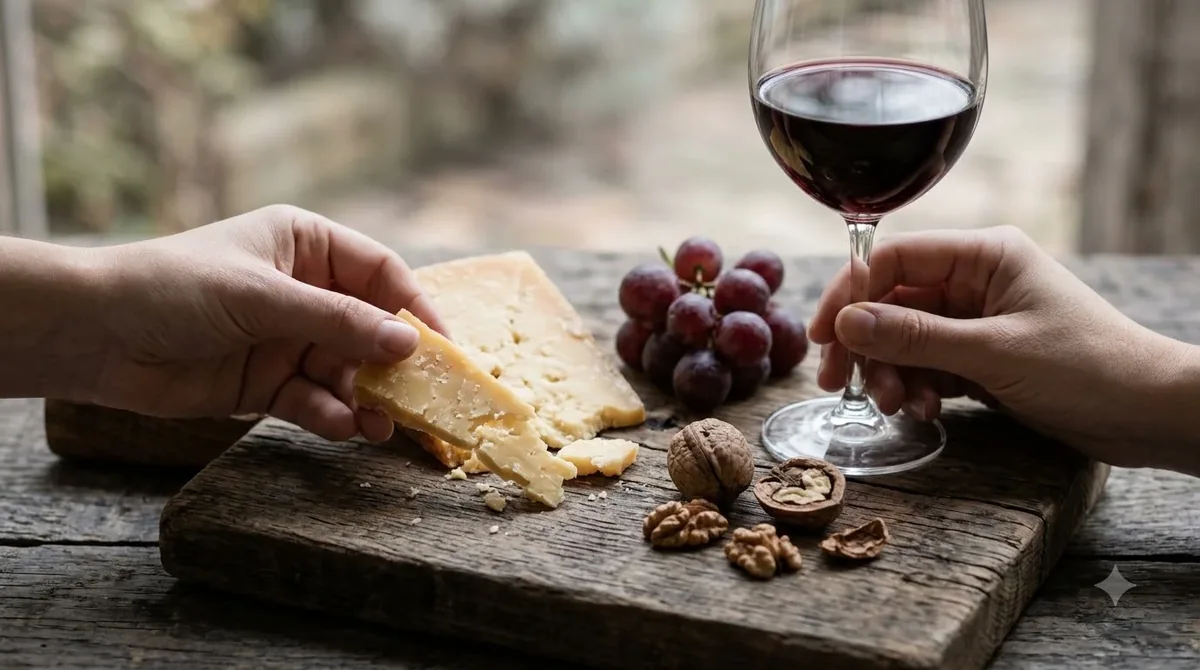
Pinot Noir earns its reputation as a versatile dinner red because its high acidity cuts through richness while its low-to-medium tannins avoid overwhelming delicate proteins. Oily fish clashes with heavily tannic reds, yet Pinot Noir’s soft texture and bright cherry acidity complement cedar-plank salmon, seared ahi tuna, and roasted duck breast. Earthy flavors in cool-climate Pinot Noir from Burgundy or Oregon also mirror roasted cremini mushrooms, truffle risotto, herb-crusted pork tenderloin, and Gruyère cheese. Readers deciding between a crisp white and a light red for lighter seafood or salads can compare structural differences in the pinot noir vs sauvignon blanc guide.
Serving Temperature, Glassware, and Storage
Moscato tastes crispest well chilled between 43°F and 50°F, whereas Pinot Noir shows its full aromatic range at cool cellar temperature between 55°F and 65°F. Proper chilling, glass shape, and post-opening storage preserve the delicate aromatics that define both varieties.
Serving Moscato too warm makes its residual sugar taste cloying and flattens its gentle carbonation. Two hours in a standard kitchen refrigerator brings a 750 ml bottle—which holds roughly five 5-ounce pours—into the ideal 43°F to 50°F window. A tulip-shaped white wine glass or sparkling flute concentrates Moscato’s orange blossom and peach aromas while directing bubbles toward the center of the palate. Once opened, recork sparkling Moscato with a sparkling wine stopper and refrigerate it for 1 to 3 days; still Moscato keeps well in the fridge for 3 to 5 days.
Pinot Noir loses perfume if served too warm at 72°F room temperature, where alcohol overshadows delicate red fruit. Placing a bottle in the refrigerator for 20 to 30 minutes before dinner drops it to 55°F to 60°F for lighter styles from Germany or Burgundy, and 60°F to 65°F for fuller bottles from Sonoma or Central Otago. A wide-bowled Burgundy glass captures Pinot Noir’s rose, cranberry, and forest-floor aromatics and softens acidity on the midpalate. Young, fuller-bodied Pinot Noir benefits from 30 minutes in a decanter, and leftover wine lasts 3 to 5 days sealed in the refrigerator. Unopened bottles of both wines store best on their sides in a dark space near 55°F.
How to Choose Between Moscato and Pinot Noir
Choosing between Moscato and Pinot Noir depends on the menu, alcohol preference, and whether guests prefer sweet fruit refreshment or dry savory complexity. A quick check of occasion and palate preferences points directly to the right bottle.
- Pick Moscato for sweet-tooth drinkers and brunch or dessert service: Its 5 to 6 percent ABV allows casual daytime or multi-glass enjoyment without heavy alcohol warmth, and its peach and honeysuckle notes welcome newcomers to wine.
- Pick Moscato for spicy takeout and salty appetizers: Dishes loaded with jalapeño, bird’s eye chili, or salty prosciutto need sweetness and bubbles rather than dry tannin.
- Pick Pinot Noir for savory dinner courses: Roasted chicken, grilled salmon, pork tenderloin, and mushroom dishes require dry, high-acid structure that sweet wine cannot provide.
- Pick Pinot Noir for aging potential and regional nuance: Quality Burgundy, Willamette Valley, and Sonoma bottles develop savory complexity over 5 to 15 years in cellar conditions, whereas classic Moscato is crafted for immediate freshness within 1 to 2 years of vintage.
Hosts planning a multi-course meal or mixed-preference party can easily serve both bottles in sequence. Pouring chilled Moscato d’Asti with spicy starters or alongside fruit dessert while reserving dry Pinot Noir for the main course covers both ends of the flavor spectrum. Additional head-to-head style breakdowns are available in the Wine vs Wine section.
Frequently Asked Questions
Is Moscato always sweet and sparkling?
No, Moscato is a family of wines rather than a single sweet recipe. While Italian Moscato d’Asti is lightly sparkling and sweet, producers in Alsace, California, and Spain also craft completely dry still Moscato wines, and Australia’s Rutherglen region produces rich, barrel-aged fortified Muscat dessert wines.
Can Pinot Noir ever be sweet or sparkling?
Still red Pinot Noir is typically fermented dry, though some mass-market bottles retain noticeable residual sugar for a softer finish. Pinot Noir is also a major grape in sparkling wine production, used in white Blanc de Noirs Champagne and sparkling rosé across France, California, and England.
Which wine has more calories, Moscato or Pinot Noir?
According to standard wine nutrition estimates, a 5-ounce pour of sweet Moscato d’Asti at 5.5 percent ABV typically contains around 120 calories, coming mostly from unfermented grape sugar rather than ethanol. According to USDA nutrient data for table red wine, a 5-ounce glass of dry Pinot Noir contains roughly 120 to 125 calories, coming almost entirely from alcohol rather than sugar.
What is pink Moscato and how does it compare to Pinot Noir rosé?
Pink Moscato is typically a sweet white Muscat base blended with a small splash of red wine such as Merlot or Zinfandel for color and berry aroma, keeping alcohol low. Pinot Noir rosé is fermented dry from brief contact with black Pinot Noir skins, offering crisp strawberry and citrus notes.
Why is Pinot Noir usually more expensive than Moscato?
Pinot Noir is a low-yielding, thin-skinned grape vulnerable to rot, frost, and sunburn, which increases vineyard labor and crop loss, and top bottles are often aged in French oak barrels for 10 to 18 months. Moscato grapes grow reliably in warm Mediterranean climates and go from stainless-steel tank to bottle within a few months of harvest.
Moscato and Pinot Noir occupy completely different roles in a well-stocked wine rack, with one delivering low-alcohol floral sweetness and the other offering dry, high-acid red wine elegance. Matching Moscato to spicy foods, fruit desserts, and daytime pours while saving Pinot Noir for savory roasts and salmon ensures every bottle opens at its best.
More in Wine vs Wine
 Chenin Blanc vs Pinot Gris: Acidity, Body, and Pairing DifferencesUpdated Nov 20, 2026
 Chianti vs Lambrusco: How Tuscany and Emilia-Romagna Reds CompareUpdated Nov 20, 2026
 Chianti vs Primitivo: Key Differences in Taste, Body, and PairingUpdated Nov 20, 2026
 Chianti vs Rioja: Key Differences in Taste, Aging, and PairingUpdated Nov 20, 2026
 Chianti vs Shiraz: How Acidity, Body, and Food Pairings CompareUpdated Nov 20, 2026
 Chianti vs Syrah: Key Differences in Taste, Body, and Food PairingUpdated Nov 20, 2026