

We may earn a commission when you buy through links on this page, at no extra cost to you. Learn more.
ARIEL white wine is a premium alcohol-removed California wine made by J. Lohr, available as Chardonnay and Sauvignon Blanc, with less than 0.5% alcohol by volume. The Chardonnay features tropical fruit, ripe apple, butterscotch, and toasted oak, while the Sauvignon Blanc emphasizes lime, kiwi, passion fruit, and fresh herbs. Both varieties begin as fermented wines before undergoing alcohol removal, offering recognizable grape characteristics in a lower-alcohol format.
Choosing an alcohol-removed wine does not mean giving up every characteristic associated with traditional winemaking. ARIEL uses conventional fermentation and aging before removing most of the alcohol, preserving some of the aromas and flavors developed during production. Understanding its white wine varieties, production process, nutritional information, and serving recommendations makes it easier to decide which bottle suits your preferences and meals.
What Is ARIEL White Wine?
ARIEL is an established American alcohol-removed wine brand produced by J. Lohr Vineyards & Wines. Its commercial debut dates to 1985, and its wines begin as fermented grape wines before undergoing a separate alcohol-removal process.
The brand takes its name from Ariel, the magical spirit in William Shakespeare’s play The Tempest. This literary reference has become part of the brand’s identity, distinguishing its packaging and marketing from many conventional wine labels.
ARIEL grapes are grown on J. Lohr’s sustainably farmed estate vineyards in Monterey County and Paso Robles, California. These two California growing areas provide the agricultural foundation for the brand. J. Lohr uses its winemaking facilities to ferment and age the wines before applying its alcohol-removal process.
The portfolio includes three principal varieties: Sauvignon Blanc, Chardonnay, and Cabernet Sauvignon. The first two are white wines, while Cabernet Sauvignon provides a red alternative. This selection allows consumers to choose between different grape characteristics rather than treating all alcohol-removed wines as interchangeable beverages.
The distinction between alcohol-removed wine and a completely alcohol-free drink matters. ARIEL’s white wines contain less than 0.5% alcohol by volume. This is a very low concentration, but it is not the same as a guaranteed 0.0% ABV product.
People looking for a beverage with absolutely no alcohol should pay attention to this distinction. The term alcohol-removed describes the production process, whereas the numerical ABV indicates the amount remaining in the finished wine. ARIEL belongs to the alcohol-removed category rather than the strictly zero-alcohol category.
The brand has also received recognition in traditional wine competitions. According to its producer, ARIEL earned a Gold Medal at the Los Angeles Commercial Wine & Spirits competition against wines containing alcohol. This recognition forms part of the brand’s history, although awards cannot guarantee that every consumer will enjoy its particular style.
For more information about its varieties, nutritional details, and producer background, the official ARIEL Vineyards website provides product descriptions and additional information about the range.
Chardonnay and Sauvignon Blanc: Two Different White Wine Styles
ARIEL Chardonnay and ARIEL Sauvignon Blanc offer noticeably different white wine experiences. Chardonnay emphasizes ripe fruit and oak-inspired richness, while Sauvignon Blanc focuses on citrus, tropical fruit, and herbal freshness.
ARIEL Chardonnay is the richer of the two white varieties. The producer describes aromas and flavors of tropical fruit, ripe apple, butterscotch, and toasted oak. These characteristics create a rounded profile associated with oak-influenced California Chardonnay.
Its combination of fruit and oak makes Chardonnay particularly useful for consumers who enjoy fuller white wines. Ripe apple and tropical fruit provide the main fruit expression, while butterscotch contributes a creamy association and toasted oak adds another layer of flavor.
Chardonnay can work especially well with meals featuring butter, cream, or richer seafood preparations. It is a natural starting point for someone who normally chooses California Chardonnay rather than sharply citrus-driven white wines.
ARIEL Sauvignon Blanc takes a lighter, fresher direction. The producer identifies lime, kiwi, passion fruit, and fresh herbs as its defining characteristics. These flavors create a brighter impression than the apple, butterscotch, and toasted oak notes found in the Chardonnay.
Sauvignon Blanc generally has higher acidity than Chardonnay. That quality makes it a useful companion for seafood, vegetables, salads, and dishes with citrus-based sauces. ARIEL’s Sauvignon Blanc description emphasizes fruit and herbs rather than oak, making it particularly suitable for meals where freshness matters more than richness.
The nutritional and flavor differences can be summarized as follows:
| Characteristic | ARIEL Chardonnay | ARIEL Sauvignon Blanc |
|---|---|---|
| Grape variety | Chardonnay-based blend | Sauvignon Blanc |
| Alcohol content | Less than 0.5% ABV | Less than 0.5% ABV |
| Calories per 5 oz. | 33 | 21 |
| Carbohydrates per 5 oz. | 9 grams | 7 grams |
| Main fruit notes | Tropical fruit and ripe apple | Lime, kiwi, and passion fruit |
| Additional characteristics | Butterscotch and toasted oak | Fresh herbs |
| General style | Richer and rounder | Brighter and fresher |
These nutritional figures come from the producer’s published product information and refer to a 5-ounce serving. The Chardonnay has 12 more calories and 2 additional grams of carbohydrates per serving than the Sauvignon Blanc.
One detail about the Chardonnay deserves attention: its production outline identifies a blend containing 93% Chardonnay, 5% White Riesling, and 2% Sauvignon Blanc. Although the wine is marketed as Chardonnay, its final composition includes small proportions of two other white grape varieties.
For someone choosing between the two, the meal and preferred flavor profile are useful starting points. Select Chardonnay for creamy pasta, richer seafood, or dishes featuring butter. Choose Sauvignon Blanc for fresh salads, citrus-seasoned vegetables, and lighter seafood preparations.
How J. Lohr Removes Alcohol From ARIEL Wine
ARIEL begins with conventional fermentation and maturation before undergoing alcohol removal. J. Lohr identifies reverse osmosis as the technique used to remove alcohol while retaining the wine’s recognizable flavor characteristics.
Traditional winemaking starts when yeast converts grape sugars into alcohol and carbon dioxide during fermentation. This process also produces aromatic compounds that contribute to the wine’s eventual character. After fermentation, winemakers may use stainless steel tanks, oak barrels, or a combination of vessels to develop the desired style.
ARIEL follows this general winemaking foundation. Its producer explains that the wines are fermented and aged before alcohol is gently removed through a proprietary process. The result is a wine with less than 0.5% alcohol by volume.
For Chardonnay, the production details provide additional insight. The wine is cold-fermented in stainless steel cooperage and small oak barrels. Once fermentation is complete, the wine is blended and undergoes further aging before the alcohol-removal stage.
The producer’s Chardonnay production outline identifies the final composition as 93% Chardonnay, 5% White Riesling, and 2% Sauvignon Blanc. This blend provides a more precise picture of the wine than the front-label grape designation alone.
Understanding reverse osmosis
Reverse osmosis is a separation technique that uses pressure to move liquid through a selective membrane. In alcohol-removed winemaking, this process helps separate components of the wine so that alcohol can be removed while other components are retained or recombined.
Alcohol contributes more than an intoxicating effect to conventional wine. It also influences body, texture, aroma release, and the perception of warmth. Removing most of it can therefore change the overall drinking experience, even when the original wine has been carefully fermented and aged.
This explains why alcohol-removed wines can differ considerably from one another. The grape variety, original fermentation, oak treatment, and removal process all influence the final result. A Chardonnay with ripe fruit and oak character will not necessarily resemble a Sauvignon Blanc with citrus and herbal notes.
J. Lohr describes reverse osmosis as a patented technique developed for its alcohol-removed wine program. Its explanation of the process and updated brand identity is available in this J. Lohr announcement about ARIEL winemaking.
Tip: Look at the alcohol percentage rather than relying only on terms such as non-alcoholic or alcohol-free. ARIEL specifies less than 0.5% ABV, which means its wines are alcohol-removed but are not necessarily 0.0% beverages.
The timing of alcohol removal also matters. For ARIEL Chardonnay, the producer specifies that the alcohol is removed shortly before bottling. This means the wine has already undergone fermentation, blending, and additional aging before the final processing stage.
ARIEL’s history demonstrates that alcohol-removed wine is not a new category. Its commercial production began in 1985, making it an established participant in a segment that has continued to develop as consumers seek alternatives to conventional wine.
Flavor, Aroma, and What to Expect in the Glass
ARIEL white wines retain identifiable grape and winemaking characteristics, although their reduced alcohol content means they may not feel exactly like conventional white wines. Chardonnay offers a rounder fruit-and-oak profile, while Sauvignon Blanc provides a fresher citrus-and-herb expression.
Begin with ARIEL Chardonnay if you prefer wines with ripe fruit and a richer aromatic profile. Its tropical fruit and apple notes provide the main fruit impression. Butterscotch contributes a creamy association, while toasted oak supplies a subtle woody dimension.
These characteristics make Chardonnay more appropriate for people who normally enjoy California Chardonnay than for drinkers seeking an extremely crisp, mineral-driven white wine. It is particularly appealing as a dinner-table option because its flavor profile can complement foods with butter, cream, and richer textures.
Sauvignon Blanc presents a different combination. Lime provides a citrus impression, kiwi adds a distinctive tart fruit note, and passion fruit contributes tropical character. Fresh herbs round out the aromatic profile and make the wine particularly suitable for dishes with parsley, basil, cilantro, or other green herbs.
Neither style should automatically be considered sweeter simply because its alcohol has been removed. Fruit aromas and perceived sweetness are not the same thing. Ripe apple, tropical fruit, and butterscotch can create a soft impression without necessarily making a wine taste like a sweet fruit beverage.
Texture is another consideration. Conventional wine contains alcohol, which contributes to the perception of weight and warmth. Alcohol-removed wine can consequently feel different in the mouth, and consumers accustomed to full-strength Chardonnay may notice a lighter or less persistent finish.
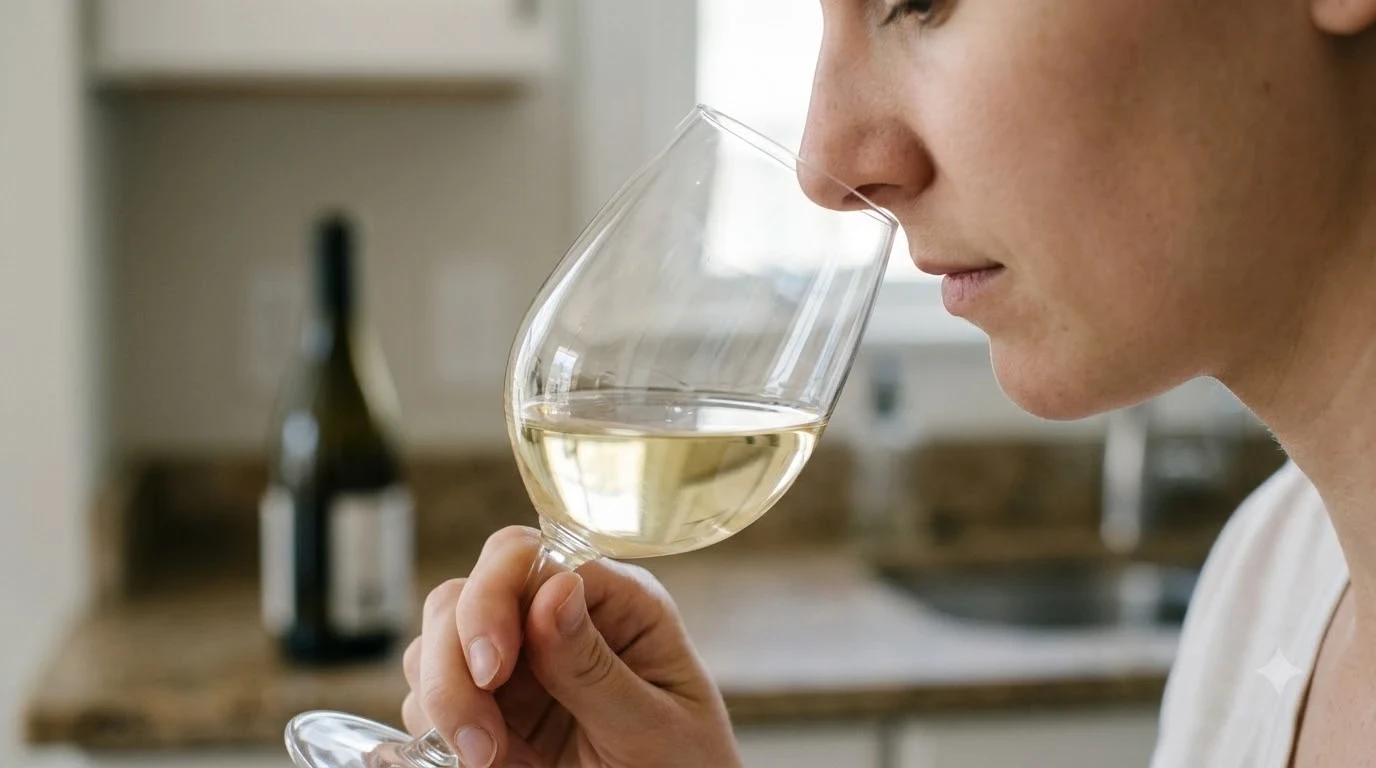
Temperature also influences the aromas and structure perceived in the glass. Excessive chilling can suppress delicate fruit aromas, while serving a white wine too warm can make its freshness less apparent. The right temperature gives each style a better opportunity to express its defining characteristics.
For a side-by-side comparison, pour both wines into separate white wine glasses and serve them at appropriate temperatures. Start with Sauvignon Blanc to appreciate its citrus and herbal profile before moving to the richer Chardonnay. This simple comparison makes the grape differences easier to identify.
Serving Temperature, Glassware, and Storage
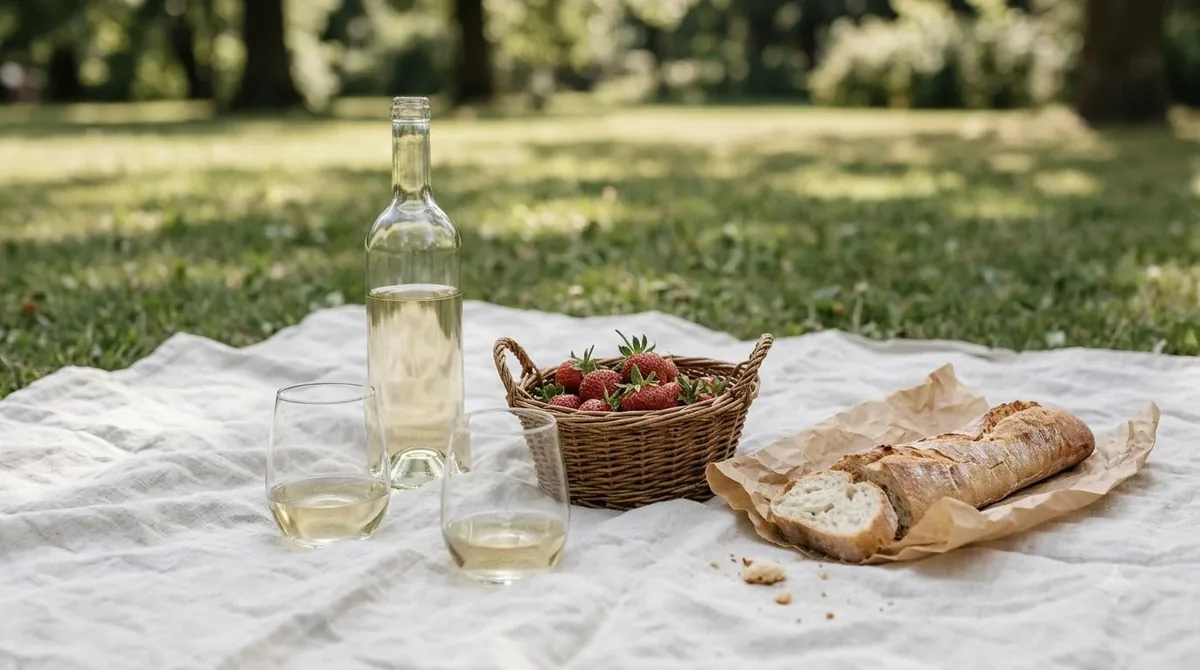
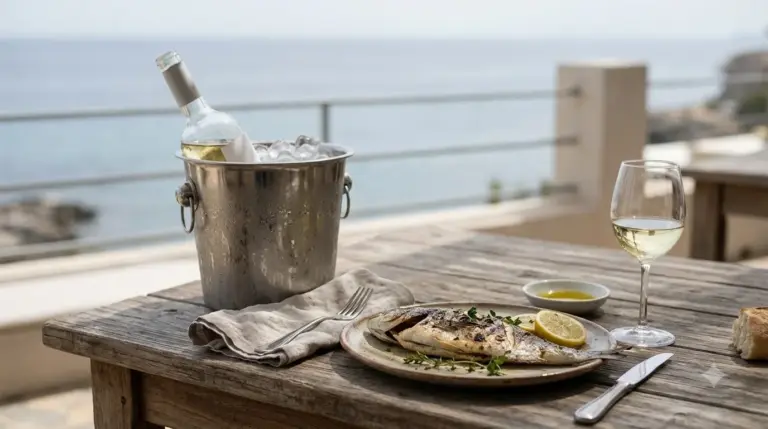
Serve ARIEL Sauvignon Blanc at approximately 45–50 degrees Fahrenheit and ARIEL Chardonnay at approximately 50–55 degrees Fahrenheit. These temperatures provide a useful starting point for enjoying the wines without suppressing their aromas through excessive chilling.
Sauvignon Blanc belongs to the light white wine category for serving purposes. A temperature around 45–50 F helps maintain its fresh citrus character and makes the wine refreshing alongside lighter dishes. If it comes directly from a very cold refrigerator, allow it to warm slightly before pouring.
Chardonnay benefits from slightly warmer service. A range of 50–55 F allows its ripe apple, tropical fruit, and toasted oak characteristics to become more apparent. Serving it too cold can make the aromatic profile seem less expressive.
Standard white wine glasses are suitable for both varieties. A glass with a moderately narrow opening helps direct aromas toward the nose while providing enough room to swirl the wine. There is no requirement for specialized glassware designed exclusively for alcohol-removed wines.
How much should you pour?
A standard wine serving is approximately 5 ounces. A conventional 750 ml bottle contains about five such servings, making that measurement a useful reference for planning a dinner or gathering. The same volume calculation works for ARIEL bottles, although the amount actually poured will depend on the occasion.
For a tasting, smaller pours can help compare the Chardonnay and Sauvignon Blanc without filling the glass. Leave sufficient space for swirling and smelling the wine. This is especially useful when exploring the different fruit and oak characteristics of the two varieties.
Storing an opened bottle
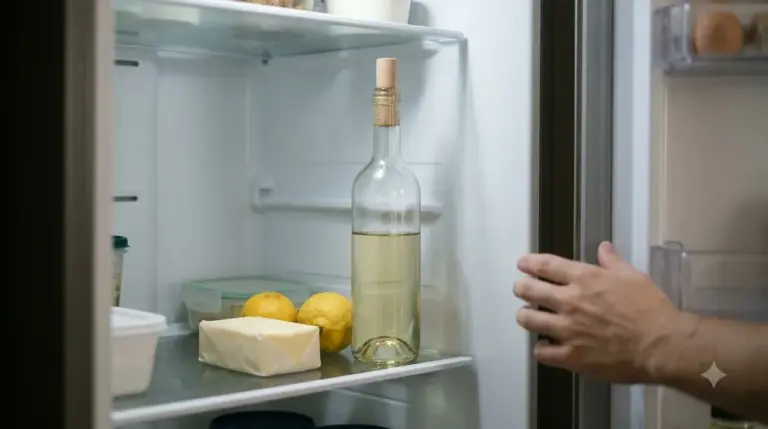
Refrigerate an opened bottle of ARIEL white wine and aim to enjoy it within approximately 3–5 days for the best chance of retaining its original freshness. The producer’s Chardonnay production outline specifically recommends enjoying that wine within five days of opening.
Close the bottle securely between servings and avoid leaving it on a kitchen counter for extended periods. Oxygen exposure gradually changes wine after opening. Fruit aromas can become less expressive, and the flavor may become flatter or less balanced.
Refrigeration slows these changes, although it does not stop them completely. For an unopened bottle, choose a cool, dark location away from direct sunlight and strong temperature fluctuations.
A storage temperature near 55 F is a useful general target for wine. If the bottle has a natural cork closure and is intended for longer-term storage, keeping it on its side helps maintain cork contact with the wine.
Best Food Pairings for ARIEL Chardonnay and Sauvignon Blanc
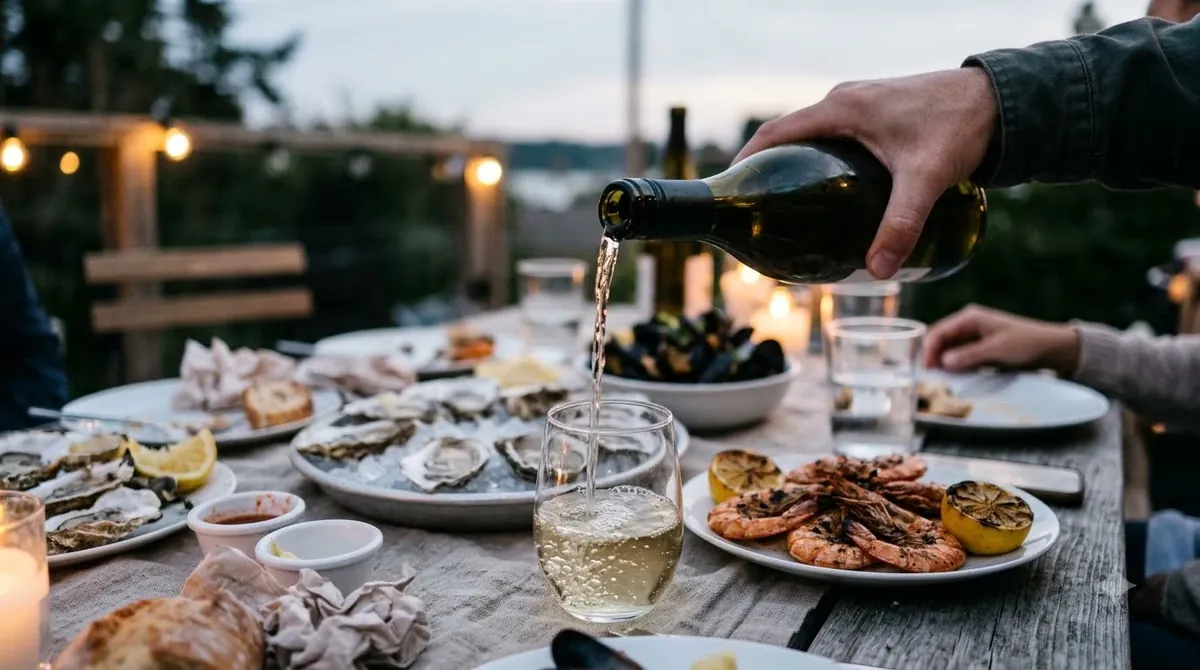
ARIEL Chardonnay works especially well with creamy pasta, seafood, veal, and duck, while Sauvignon Blanc is a natural match for lighter seafood, salads, vegetables, and herb-based dishes. The most successful pairing considers both the wine’s flavor profile and the weight of the food.
Chardonnay has the richer aromatic profile of the two white varieties. Its apple, tropical fruit, butterscotch, and toasted oak characteristics make it a good partner for foods with creamy or buttery elements. The texture of the dish can complement the wine’s fuller style.
Pairing ARIEL Chardonnay
Consider these combinations:
- Creamy pasta: Fettuccine Alfredo, mushroom cream sauce, and pasta with Parmesan offer richness that complements Chardonnay’s oak and butterscotch characteristics.
- Seafood: Baked cod with butter, scallops, and grilled shrimp can work well with the wine’s ripe fruit profile.
- Veal: Lightly seasoned veal with a cream or mushroom sauce offers enough richness to match Chardonnay’s rounder character.
- Duck: Roast duck with apple or mild fruit-based accompaniments can complement the wine’s ripe fruit notes.
- Soft cheeses: Mild Brie and creamy cheeses provide a gentle contrast without overwhelming the wine.
Avoid automatically pairing every Chardonnay with heavily seasoned food. Extremely spicy dishes can make the wine’s flavors seem less expressive. Dishes with balanced seasoning and moderate richness generally provide a more harmonious combination.
Pairing ARIEL Sauvignon Blanc
Sauvignon Blanc’s citrus and herbal character makes it particularly flexible with fresh ingredients. Its brighter profile can cut through some oily or creamy food textures while matching green herbs and citrus-based sauces.
- Grilled shrimp: A squeeze of lemon and fresh parsley reinforces the wine’s citrus and herbal notes.
- White fish: Steamed cod or grilled sole with light seasoning provides a delicate match.
- Salads: Mixed greens, cucumber, asparagus, and citrus vinaigrette complement Sauvignon Blanc’s freshness.
- Goat cheese: Fresh goat cheese has a tangy character that pairs naturally with Sauvignon Blanc’s bright profile.
- Vegetable dishes: Grilled zucchini, green beans, and herb-roasted vegetables are useful choices.
Food acidity is particularly important. A highly acidic dressing or citrus sauce can make a low-acid wine seem flat. Sauvignon Blanc generally has higher acidity than Chardonnay, so it is often the better choice for dishes featuring lemon, vinegar, or sharp vinaigrettes.
Salt and fat can also influence how food and wine interact. Salt can soften the perception of tannin in conventional red wines, while richer ingredients can make a wine feel less sharp. Although tannin is not a major consideration with these white ARIEL varieties, the balance between acidity, richness, and seasoning remains useful.
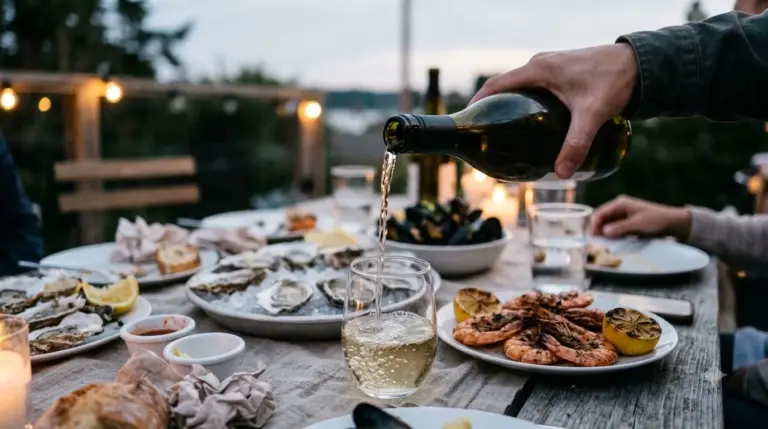
For a mixed gathering serving seafood, creamy pasta, and fresh salads, offering both white varieties provides flexibility. Guests who prefer richer flavors can choose Chardonnay, while those who favor citrus and herbal freshness can select Sauvignon Blanc.
Choosing Between ARIEL White Wine and Other ARIEL Bottles
The best ARIEL bottle depends on whether you prefer a lighter white wine, a richer white wine, or a red wine with dark-fruit characteristics. The brand’s principal varieties provide different flavor profiles while sharing the same general alcohol-removed approach.
For white wine drinkers, Chardonnay is the logical choice if you normally reach for fuller California whites. Its ripe apple, tropical fruit, butterscotch, and toasted oak profile makes it more suitable for richer meals. Sauvignon Blanc is a better starting point if you generally prefer crisp, aromatic whites with citrus and herbal notes.
People interested in the brand’s other styles can explore ARIEL dealcoholized wine for a broader look at its alcohol-removed range. This provides context for how the brand approaches both red and white varieties rather than focusing exclusively on Chardonnay.
The red option is ARIEL Cabernet Sauvignon. Its producer describes black currant, cherry, blueberry, and chocolate characteristics, with soft tannins and a dry finish. These qualities make it quite different from the two white wines and more appropriate for people who enjoy dark-fruited red wine styles.
Readers who want to compare the red variety can also explore ARIEL red wine. Comparing the wines by grape variety is more useful than assuming that every alcohol-removed bottle has the same flavor, body, or food-pairing possibilities.
The producer’s connection with California winemaking is another point of interest. J. Lohr’s broader portfolio includes conventional wines alongside ARIEL, and its identity is relevant to understanding the brand’s production background. For additional information about another established wine producer, see Baron Philippe de Rothschild wine as a separate point of comparison within the wider wine-brand category.
ARIEL’s sustainability credentials also contribute to its brand identity. The producer identifies its wines as certified sustainable and describes its estate vineyards as sustainably farmed. These credentials provide additional information about its production background, although sustainability and flavor preference are separate considerations.
A wine should still be selected according to its style, quality, and suitability for the occasion. Consumers interested in comparing producers and labels can explore the broader Wine Brands resource for more information about different wineries and their selections.
Frequently Asked Questions
Is ARIEL white wine suitable for cooking?
Yes, ARIEL Chardonnay can be incorporated into sauces and other cooked dishes that benefit from white wine flavor. Its apple and oak characteristics can complement cream-based sauces, mushroom preparations, and seafood dishes. Cooking does not guarantee that every trace of alcohol disappears, so the finished dish should not be assumed to contain zero alcohol.
Does ARIEL Chardonnay contain only Chardonnay grapes?
No. The producer’s Chardonnay production outline identifies a blend of 93% Chardonnay, 5% White Riesling, and 2% Sauvignon Blanc. Chardonnay remains the dominant grape, but the additional varieties contribute to the final composition. This blend is a useful distinction for consumers comparing the wine with single-variety Chardonnay bottles.
Is ARIEL white wine made with organic grapes?
ARIEL identifies its wines as certified sustainable, but sustainable certification and organic certification are different designations. A sustainable vineyard program does not automatically establish that the grapes were certified organic. Consumers specifically seeking certified organic wine should look for the appropriate organic certification on the bottle or official product documentation.
Can ARIEL white wine be used in a wine spritzer?
Yes, ARIEL Chardonnay can be mixed with sparkling water to create a simple spritzer. The producer also publishes a Chardonnay Spritz mocktail recipe, providing a brand-specific starting point. A chilled glass, sparkling water, and a citrus garnish can create a refreshing variation without requiring complicated preparation.
Does ARIEL have a history of wine competition recognition?
Yes. ARIEL’s producer reports that the brand received a Gold Medal at the Los Angeles Commercial Wine & Spirits competition in a competition that included wines containing alcohol. This recognition is part of the brand’s history and reflects its early presence in the alcohol-removed wine category. The award is not a guarantee of individual preference or a substitute for evaluating the wine’s flavor.
ARIEL white wine provides two distinct California white wine styles for people looking for fermented wine with most of its alcohol removed. Choose Chardonnay for ripe fruit, butterscotch, and toasted oak, or Sauvignon Blanc for lime, kiwi, passion fruit, and fresh herbs. Serve each at the appropriate temperature, pair it with food that complements its flavor profile, and remember that both varieties contain less than 0.5% ABV rather than necessarily being completely alcohol-free.
More in Wine Brands
 Juan Gil Wine Review: Choose the Right Spanish Red for Your TableUpdated Nov 21, 2026
 Joseph Drouhin Wine Price: Compare Bottles by Region and QualityUpdated Nov 21, 2026
 Klinker Brick Wine Review: Find the Right Lodi WineUpdated Nov 21, 2026
 Kirkland Signature Wine Price: Compare Bottles and Find Better ValueUpdated Nov 21, 2026
 Is Segura Viudas Brut Good? A Crisp Cava Worth PouringUpdated Nov 21, 2026
 Jordan Wine Review: How to Choose the Right BottleUpdated Nov 21, 2026