

We may earn a commission when you buy through links on this page, at no extra cost to you. Learn more.
Shiraz with lamb is one of the most dependable red wine pairings, because the wine’s ripe dark fruit and peppery spice match the richness and herbs of the meat. The fat in lamb softens the grip of tannin, so a full-bodied shiraz tastes smoother and more balanced with each bite. The strongest matches are slow-roasted shoulder or leg, grilled chops and spiced rack, served at about 60 to 65 F. Cooler-climate bottles and sauces built on fresh mint or herbs call for a slightly different approach, covered below.
Few red wine pairings get as much attention as shiraz and lamb, and the reason is practical rather than sentimental. Lamb has a delicate texture but a rich, fatty finish, so it needs a red with enough structure to stand up to the meat without flattening it. Shiraz is the name used in Australia for the grape known as Syrah in France, and warmer-climate versions usually supply the fruit, spice and tannin that lamb asks for. The sections below cover how to match the wine to the cut, the sauce and the serving style, so the pairing works at the table rather than only on paper.
Why Shiraz Suits the Flavor of Lamb
Lamb sits between delicate and rich, and shiraz has enough fruit and grip to match both sides of that balance.
Master sommelier Kathrine Larsen-Robert MS, quoted in Decanter’s lamb pairing guide, describes the meat as having quite a delicate texture yet being rich and fatty. She recommends wines with good acid structure to cut through that richness. Acidity refreshes the palate after each bite, while the ripe fruit in a shiraz keeps pace with the fat instead of being overwhelmed by it. That combination explains why the pairing holds up across so many different lamb dishes.
The fat in the meat also changes how the wine feels. Salt and fat soften tannin, and Decanter reports on a study in the Journal of Agricultural and Food Chemistry showing that lipids in foods like meat interact with tannins to reduce astringency. A shiraz that tastes grippy on its own often feels rounder beside a plate of roast lamb, which is why firmly structured bottles tend to work better here than thin, light reds.
Spice and age round out the picture. Wine Folly notes that lamb is more delicate in flavor than most beef, so bold reds with smoother tannin work better than heavy, grippy ones. Decanter’s guidance ties the choice of wine to how full the meat’s flavor is, and a youthful, bold red can swamp the lighter, tender meat of very young lamb. A shiraz with some bottle age and depth suits lamb that has more flavor and texture, such as a roast shoulder or leg.
Matching Shiraz to the Cut of Lamb
The cut decides how full the wine should be, so a slow-cooked shoulder calls for a different bottle than a rack or a grilled chop.
Slow-Roasted Leg and Shoulder
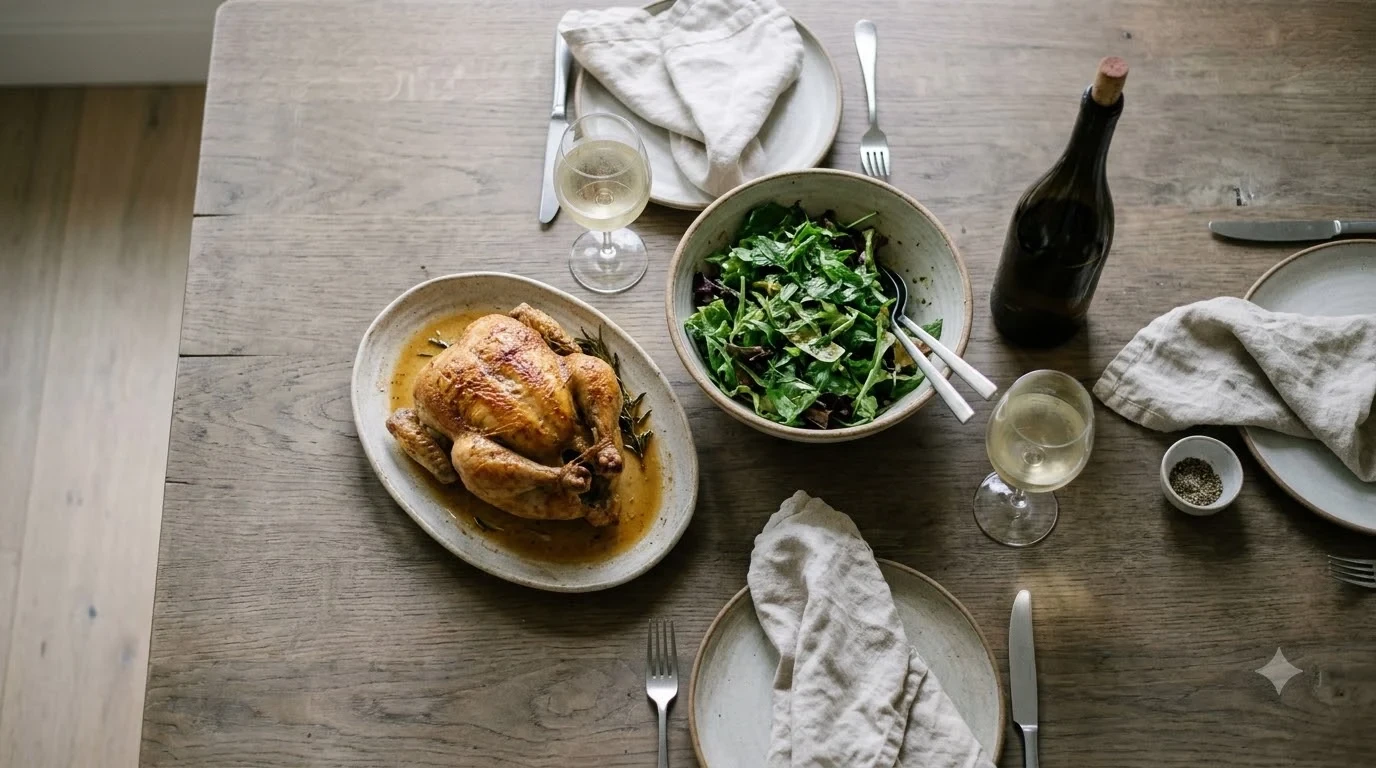
Slow-roasted lamb is the classic shiraz dinner. A leg or shoulder cooked low and slow until it pulls apart develops sweet, concentrated edges, and those edges meet the ripe fruit and warm spice of a Barossa-style shiraz. Fiona Beckett of Matching Food & Wine has made the point that Australian shiraz is typically sweeter and riper than European-style syrah, which is exactly the profile a rich shoulder needs. Roasted potatoes, garlic and rosemary sit comfortably beside a bottle like this, so the wine and the plate reinforce each other rather than competing.
Rack of Lamb and Grilled Chops
A rack or chop is a firmer, fuller cut because it sits close to the bone, and Decanter’s experts take that into account. Larsen-Robert has said a rack has a fuller flavor for that reason and suggested a wine with fuller structure, such as a Pauillac from Bordeaux’s Left Bank. For individual chops she favored a juicy red with strong tannic structure, such as Barolo or Barbaresco, and that points shiraz toward a bottle with real body rather than a light, early-drinking style.
Grilled chops also gain from a little char. Wine Folly lists Syrah/Shiraz among the bold reds that complement steaks, chops and barbecue, and explains that high tannin acts as a palate cleanser against fatty meat. Keep the oak in check, though, because a heavily oaked bottle can overpower the delicate flavor of the lamb. For more on this cut, see what wine goes with rack of lamb.
Choosing a Shiraz by Region and Style
Where a shiraz is grown shapes its weight and flavor, and that difference matters when lamb is on the plate.
Fiona Beckett describes Barossa and McLaren Vale shiraz as big, lush, sweet and ripe, the style most people associate with Australian red and a natural partner for grilled or barbecued beef. Hunter Valley shiraz tends to be more savory and suits venison, while Western Australian shiraz is made in a more elegant style, almost like a red Bordeaux. That elegance is why she points to restrained Western Australian bottles for roast or grilled lamb.
For a rich slow-roasted shoulder with caramelized edges, a Barossa bottle with fruit depth can hold its own, because the wine has enough sweetness to meet the savory glaze on the meat. For a lighter roast with fresh herbs, lemon or a simple garlic and olive oil finish, a Western Australian shiraz gives more lift and less weight, which keeps the meal from feeling heavy by the second glass. Cooks who season gently will usually find that a restrained bottle keeps the flavors in balance, while a very ripe Barossa can push subtle seasoning into the background. Both styles are valid, and the right choice depends on how much weight the rest of the dish already carries.
Region is a better guide than the grape name alone. A bottle from a warmer region usually shows riper fruit and more sweetness, while one from a cooler site tends to show more acidity and a leaner frame. The region line on the back label tells you which direction to lean before you buy. For a broader view of how shiraz matches meat and sides, see the shiraz food pairing overview.
Sauces and Seasonings That Change the Match
Sauce often matters more than the cut, because lamb takes on the flavor of whatever it is served with.
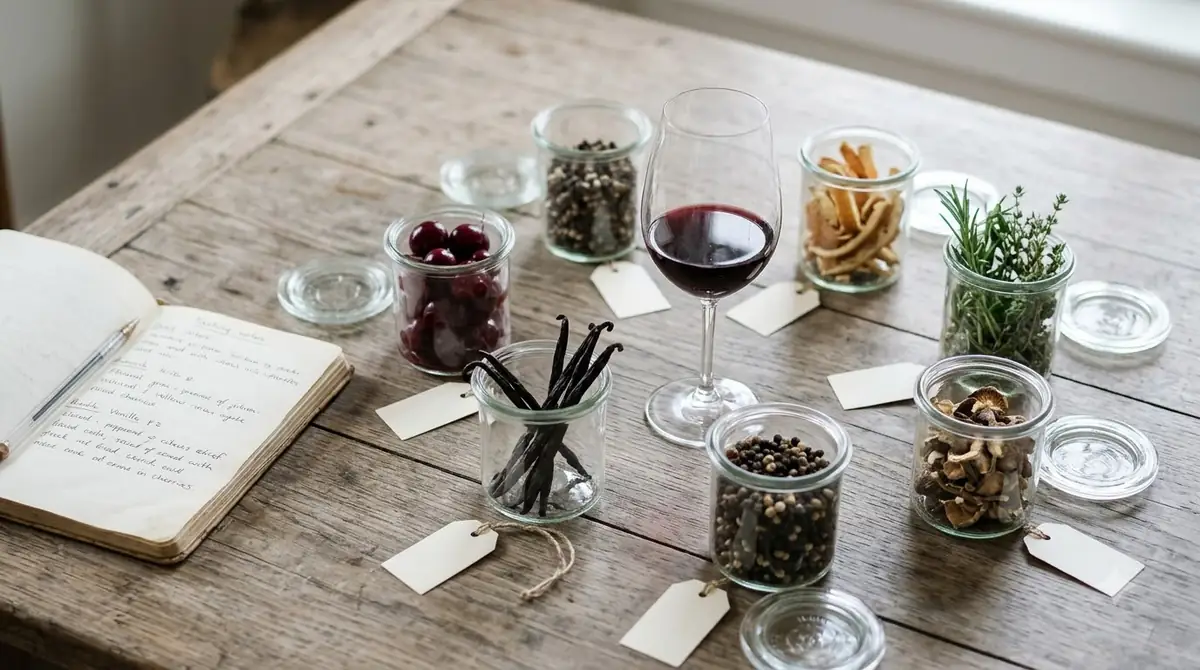
Wine Folly makes the same point in its sauce-based guide: lamb absorbs the flavor of its sauce, so the sauce should steer the choice of wine. Tangy sauces, including sweet barbecue and pomegranate molasses, suit Australian shiraz, because the wine’s sweet fruit matches the sharpness of the glaze. Peppercorn sauces pair with peppery wines, and shiraz is one of the wines it names. Wine Folly’s full guide to pairing wine with lamb and red meat covers the other sauce families in more detail.
Green sauces need more care. Mint sauce, chimichurri and garlic-rosemary sauces call for fruity bold reds with well-integrated tannins, which is why a restrained shiraz usually works better than a heavily oaked bottle. When the dish uses a lot of raw garlic and onion, Wine Folly recommends a medium red with higher acidity to cut through the sharp allium flavor. If you plan to serve a big, ripe shiraz with the dish, keep the raw aromatics light so they do not clash with the wine’s fruit.
Tomato-based sauces, such as a lamb ragù or a plum-tomato braise, need acidity to match the fruit. Wine Folly suggests medium-bodied reds with ample acidity for dishes like these, so a bold shiraz works here only when it is in its lighter, more savory style. Brown sauces such as bordelaise or demi-glace point the other way, toward earthy bold reds, where a structured shiraz sits comfortably beside the meat. Spice needs its own caution. Alcohol and tannin amplify chili heat, so a moderately spiced lamb dish is a far better match for shiraz than a fiery one.
Tip: Mint jelly and sharp chimichurri can overpower a ripe shiraz, so serve sauces on the side and pair a small bite with the wine before dressing the whole plate.
Serving Temperature, Decanting and Pour Size
A few small choices about temperature, decanting and pour size can make the same bottle feel fuller, fresher or flatter.
Serve full reds such as shiraz at about 60 to 65 F, and lighter reds such as pinot noir at 55 to 60 F. The table below sums up the starting points for the three styles that come up most often with lamb.
| Red style | Typical tannin | Serve at | Lamb match |
|---|---|---|---|
| Full shiraz or syrah | Medium-plus to high | 60 to 65 F | Slow-roasted shoulder, grilled chops |
| Cabernet Sauvignon | High | 60 to 65 F | Roast lamb cooked medium to well done |
| Pinot Noir | Low to medium | 55 to 60 F | Young lamb served pink |
Served too warm, a high-alcohol shiraz can taste hot and heavy and blur its fruit, so a short time in a cool room before pouring keeps the aromas clearer. Store bottles on their side near 55 F, which keeps corks moist if a bottle will sit for weeks.
Young, full shiraz benefits from decanting for about 30 to 60 minutes before the meal, which opens the aromas and softens the tannin. Older bottles with sediment need gentler handling, so decant them shortly before serving rather than hours ahead. If the lamb is resting, that gap is a convenient time to decant, and the timing usually works out without extra effort. Plan on roughly five pours of 5 ounces from each 750 ml bottle, and allow about one bottle for every two to three guests at a substantial lamb dinner.
When Another Red Makes More Sense
Shiraz is a strong default, but a few lamb dishes suit a different red better.
Very young lamb served pink is the main case where shiraz can overwhelm. Decanter’s experts note that a youthful, bold red can swamp lighter, tender meat, and for pink lamb the better direction is Pinot Noir. For more on that match, see pinot noir with lamb. Larsen-Robert also suggests a Pinot Noir with plenty of acidity and fruit sweetness for a slow-cooked shoulder, since that acidity cuts through a rich sauce.
Cabernet Sauvignon is the other classic alternative. Decanter describes Cabernet-driven wines as a classic match for roast lamb served medium or well done, bringing cassis fruit, tannic structure and acidity to the table. Shiraz covers similar ground with a riper, spicier profile, so the choice often comes down to whether the meal leans toward cassis fruit and firm tannin or toward pepper and dark fruit.
Lighter reds also have a place. Wine Folly suggests lighter reds for lean meats served closer to raw form and names Lamb Gyros among those dishes, so a Gamay or Cinsault may suit a lightly cooked preparation better than a full shiraz. Keep shiraz as the default for most lamb dinners, and move to another red when the dish is very light, the lamb is very young, or the sauce is built on large amounts of fresh herb and raw garlic. For a wider view of grape-to-dish matching, the Grape x Food guide is a useful reference when you plan a menu around several bottles.
Frequently Asked Questions
The questions below cover the most common doubts about matching shiraz with lamb.
Does shiraz go with lamb?
Yes, shiraz is one of the most reliable reds for lamb in both roast and grilled forms. Decanter notes that herbaceous garrigue notes on some Syrah/Shiraz or Grenache wines can add depth to dishes seasoned with thyme, rosemary and sage. That makes shiraz a natural partner for herb-led or Mediterranean-style lamb.
Can a white wine work with lamb?
Yes, although white wine is a different style of pairing. Decanter’s Fiona Beckett suggests Assyrtiko or Greco di Tufo with grilled lamb marinated in garlic and herbs, and she also pairs Tavel rosé with grilled lamb. Those choices work best when the marinade is the main flavor and the meal is lighter.
Which other reds pair well with lamb?
Wine Folly names Malbec, Petite Sirah, Touriga Nacional and Petit Verdot as reds that work well with lamb, and each brings a different balance of fruit and tannin. Decanter describes a good-value Nero di Troia from Puglia as mid-weight with grippy tannins and a perfect match for beef or lamb. Both are useful alternatives when you want a change from shiraz.
Does spicy lamb change the wine choice?
It does. Decanter’s Fiona Beckett suggests a youngish crianza or reserva Rioja with rogan josh lamb curry, and Wine Folly lists Indian lamb curry among the dishes that suit medium-bodied reds. Keep the heat moderate when serving shiraz, because alcohol and tannin amplify chili heat and can make a very hot dish harsh.
How long does leftover shiraz keep?
An opened still red such as shiraz generally keeps three to five days when stored in the fridge. That window makes leftover lamb sandwiches or a cold lamb salad a practical next-day meal with the same bottle. Re-cork the wine tightly and keep it cold, because heat speeds the decline in its fruit.
Shiraz with lamb works best when you match the wine to the cut, the sauce and the serving temperature rather than to the grape name alone. Start with a slow-roasted shoulder or a grilled chop served at about 60 to 65 F, then adjust for sauce and spice. Keep the bottle’s style aligned with the weight of the meal, and the pairing will hold up whether the dinner is simple or elaborate.
More in Food & Wine Pairing
 Risotto With White Wine Recipe: Make a Creamy Dinner at HomeUpdated Nov 20, 2026
 Wassail With Wine Recipe for a Festive Spiced Holiday DrinkUpdated Nov 20, 2026
 Spritz Veneziano Recipe: Make a Classic Venetian Aperitivo at HomeUpdated Nov 20, 2026
 Summer Wine Punch Recipe for Easy Homemade EntertainingUpdated Nov 20, 2026
 Bishop Recipe: How to Make a Bright, Citrus-Forward Red Wine CocktailUpdated Nov 20, 2026
 Wine Cupcakes Recipe: Bake Rich Chocolate Cupcakes at HomeUpdated Nov 20, 2026