

We may earn a commission when you buy through links on this page, at no extra cost to you. Learn more.
shiraz food pairing works best with grilled or roasted beef, lamb, barbecue, and other richly flavored dishes that can stand up to its ripe fruit, pepper, and firm tannins. A lighter, fresher Shiraz can also suit pork, duck, mushrooms, and savory vegetable dishes. The useful starting point is to match the wine’s weight and intensity to the whole plate, including its sauce and cooking method.
Shiraz is a versatile red, but it is not a one-style wine. Some bottles are plush and full-bodied, with blackberry and dark plum; others are more medium-bodied, peppery, and savory. Choose the pairing by the wine in your glass and the finished dish rather than by the grape name alone.
How Shiraz’s Tannin, Alcohol and Fruit Shape a Meal
Shiraz is generally dry, with ripe dark-fruit flavors, noticeable tannin, and a medium- to full-bodied frame. Many warm-climate examples also carry generous alcohol, while cooler-region wines can feel fresher and more savory. Those elements explain why Shiraz usually performs better beside food with some richness, browning, smoke, or concentrated flavor than beside delicate dishes.
Ripe blackberry, blueberry, plum, black pepper, and sometimes notes of smoked meat or baking spice are common reference points. Fruit-forward aromas do not mean the wine is sweet: fermentation usually converts most grape sugar into alcohol, so a Shiraz that smells like jam can still taste dry. That distinction matters with sauces. A moderate amount of sweet barbecue glaze may complement a ripe wine, but a very sugary sauce can make a dry, tannic red seem hard and less fruity.
Tannin is the drying, grippy sensation that can make the mouth feel firmer after a sip. Protein, salt, and fat in foods such as steak, lamb, sausage, and aged cheese soften the impression of tannin, which is one reason these matches are reliable. A dish does not need to be heavy, however: grilled mushrooms or eggplant have browned, savory flavors that can give a medium-bodied Shiraz a satisfying partner without adding meat.
Steak, Lamb and Barbecue: Classic Shiraz Matches
Steak, lamb, and smoked barbecue are natural partners for fuller Shiraz because char, browned meat, seasoning, and fat meet the wine’s dark fruit and structure. For a first pairing, serve a ripe Australian Shiraz with grilled ribeye, lamb chops, or slow-cooked beef; for a leaner, more savory bottle, try roast lamb or a less heavily sauced steak.
For steak, the crust is as important as the cut. A hard sear on sirloin, strip steak, or ribeye creates roasted flavors that echo the wine’s spice and oak notes. Season simply with salt, black pepper, and rosemary, then serve a full-bodied Shiraz at 60–65°F. The meat’s fat helps soften the tannin, while the wine’s intensity keeps pace with the char. Very delicate preparations, such as rare beef carpaccio with a light citrus dressing, are less dependable because they offer little richness to balance a powerful red.
Lamb shoulder, grilled chops, and roast leg are equally convincing. Rosemary, thyme, garlic, and cracked pepper suit Shiraz’s savory side, while slow roasting gives the meat a tender texture and concentrated juices. For barbecue, match the style of sauce to the wine: peppery dry rubs and savory tomato-based sauces are usually easier than a sticky, very sweet glaze. Brisket, beef short ribs, and grilled sausages also work, especially when the wine has enough body to stand up to smoke and rendered fat.
Pork, Duck and Sausages: Match the Cut to the Wine
Pork and duck can be excellent Shiraz partners, but the preparation should set the intensity. A medium-bodied, peppery Shiraz suits roast pork, grilled sausages, or duck with herbs; a richer, higher-alcohol bottle is better alongside slow-braised pork shoulder or duck legs with browned skin.
For pork, think about seasoning and sauce before choosing the bottle. Grilled pork chops with fennel seed, garlic, and black pepper can pair neatly with a savory Shiraz, while pulled pork with a sweet barbecue sauce calls for a riper, fruit-forward style. Pork tenderloin is leaner and more delicate, so use a restrained marinade and avoid scorching the outside or adding a very sweet glaze. A lighter Hunter Valley-style Shiraz, with its medium body and savory red-fruit character, can be more comfortable here than a dense, heavily oaked red.
Duck has enough flavor and fat to meet Shiraz’s tannin, particularly when roasted or seared until the skin is crisp. Try duck breast with a pepper rub, roast duck with thyme, or duck legs with lentils. Fruit sauces can work when they are tart and restrained rather than syrupy. Sausages are a practical match because their salt, fat, herbs, and browned casings echo the wine’s savory notes; fennel, garlic, and black pepper are especially compatible seasonings.
Mushrooms, Eggplant and Aged Cheese for Meat-Free Plates
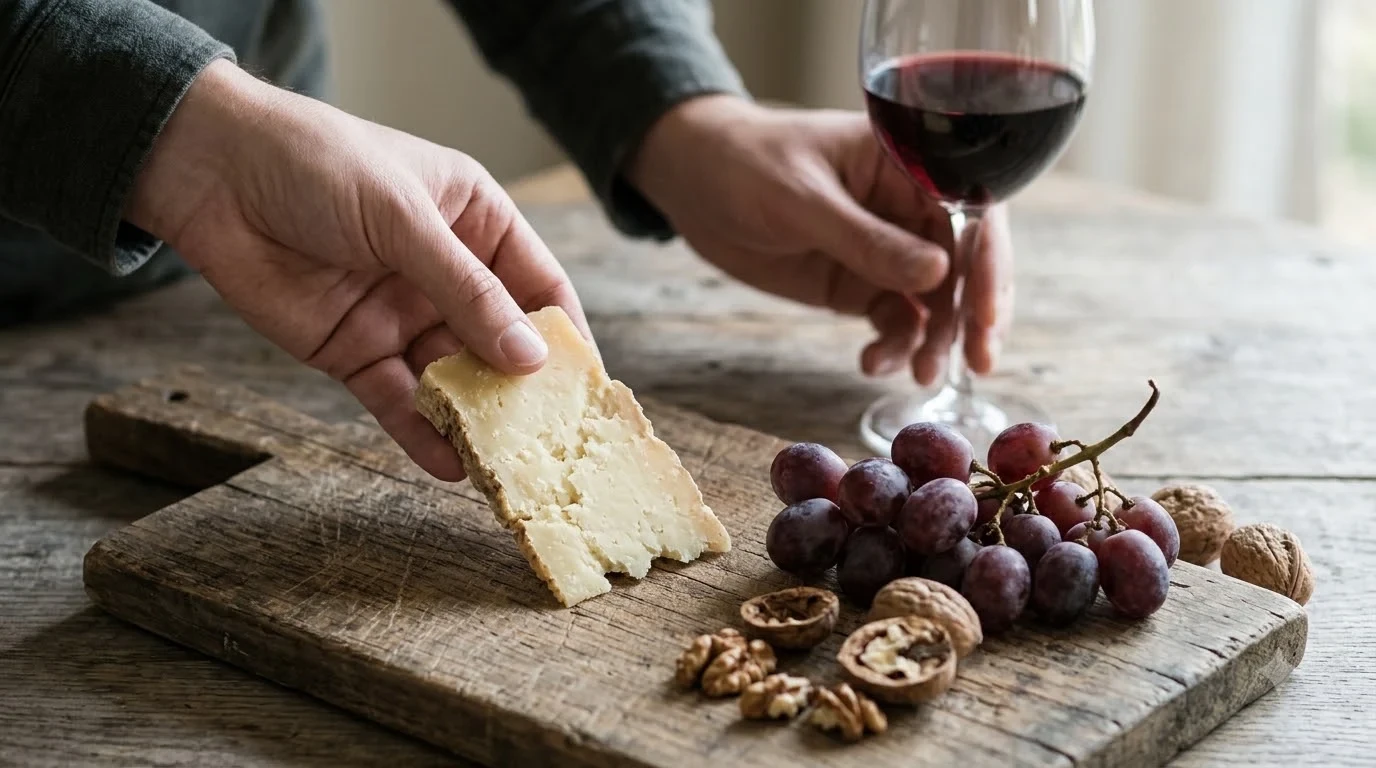
Shiraz does not require red meat: mushrooms, grilled eggplant, lentils, and firm aged cheeses can provide the savory depth and texture that a structured red needs. The most reliable meat-free plates emphasize browning, umami, herbs, and a little richness rather than delicate greens or sharp vinegar.
Portobello mushrooms are a particularly useful match. Roast or grill them until their edges brown, then add thyme, garlic, olive oil, and a modest amount of balsamic or red-wine reduction. Mushroom risotto with porcini, grilled king oyster mushrooms, and mushroom-stuffed peppers also work with medium-bodied or savory Shiraz. Keep acidic additions measured: a strongly sour dressing can make a wine seem flatter, so serve a lemon wedge on the side rather than soaking the dish in citrus.
Eggplant has a soft, almost meaty texture when roasted or grilled, and its browned skin and creamy interior can stand up to a ripe Shiraz. Try charred eggplant with cumin and smoked paprika, eggplant Parmesan with a not-too-sweet tomato sauce, or a lentil and roasted-vegetable bake. Tomato brings useful acidity, but a highly acidic preparation needs a wine with equal or greater freshness; a jammy, low-acid style may taste heavy beside a sharply sour tomato sauce. For cheese, choose aged cheddar, Gouda, Gruyère, or a firm sheep’s-milk cheese. Salt and fat soften tannin, while mature, savory flavors meet the wine’s intensity.
Sweet Barbecue Sauce, Chiles and Other Seasonings
Seasoning can make or break an otherwise sensible pairing. Salt, smoke, browned spices, and moderate sweetness often complement Shiraz, while sharp acidity and intense chile heat can exaggerate rough edges or make the alcohol feel hotter.
For barbecue, distinguish a dry spice rub from a sweet finishing sauce. Black pepper, cumin, coriander, smoked paprika, garlic, and rosemary usually fit the wine’s savory profile. A fruit-forward Shiraz can handle a moderate brush of tomato-based sauce, but if the glaze is very sweet, the wine may taste dry and bitter by comparison. You can keep the match balanced by serving the sauce on the side, reducing the amount of brown sugar or honey, or choosing a plush, ripe wine rather than a lean, austere style.
Chili heat needs more care. Alcohol and tannin can amplify the sensation of hot peppers, so a high-alcohol, firmly tannic Shiraz is rarely the easiest partner for fiery Sichuan dishes, very hot wings, or intensely spicy curries. If the meal has moderate warmth, include cooling or rich elements such as yogurt, beans, rice, roasted vegetables, or cheese, and choose a softer, lower-alcohol Shiraz. For strongly acidic dishes, match the food’s acidity with a wine that has at least as much freshness; for oily fish, choose a different style because tannic reds can clash with the fish’s oiliness. A crisp white such as Albariño may be a better direction for seafood, as explained in this Albariño food pairing guide.
Regional Styles, Serving Temperatures and Storage
Australian Shiraz varies by region, so the label can help set expectations. Barossa Valley and McLaren Vale often produce fuller, riper wines, while Hunter Valley examples are commonly more medium-bodied and savory; Eden Valley and Clare Valley offer additional expressions shaped by elevation, warm days, and cool nights.
Wine Australia describes Barossa Shiraz as full-bodied and richly textured, with blackberry, pepper, and spice, while McLaren Vale examples often show blueberry and chocolate character. The Hunter Valley tends toward medium-bodied wines with red-fruit and savory notes. These are regional tendencies, not guarantees: producer choices, harvest conditions, blending, and oak use also affect the finished wine. Wine Australia also notes that Shiraz may be bottled on its own or blended with Grenache and Mourvèdre in a GSM blend, or with Cabernet Sauvignon. Read the Wine Australia Shiraz overview for more on regional expressions and winemaking choices.
Use the bottle’s weight to guide the plate. A bold Barossa Shiraz suits grilled beef, lamb shoulder, brisket, and aged cheddar; a fresher, medium-bodied Hunter Valley style can work with pork, duck, mushrooms, or sausage. If you enjoy structured Italian reds, compare the way body and tannin meet rich dishes with the suggestions in this Amarone food pairing article. For tomato-forward meals, a brighter red with more pronounced acidity may be a better fit; this Barbera food pairing guide offers a useful contrast.
| Serving detail | Practical guidance | Why it helps |
|---|---|---|
| Serving temperature | 60–65°F | Keeps a full-bodied red fresh without muting its aromas |
| Quick chill | About 15 minutes in the refrigerator | Takes the edge off a warm bottle before serving |
| Pour size | 5 ounces | Leaves room in the glass for swirling and aromas |
| Bottle size | 750 milliliters; about 5 standard pours | Helps estimate servings for dinner |
| Decanting | 30–60 minutes for a young, full-bodied red | Gives a structured wine time to open up |
| Home storage | Near 55°F, away from heat and light | Reduces damaging temperature swings |
Tip: If your Shiraz tastes hot or heavy, cool it for 10–15 minutes before pouring and serve it with food that has protein, salt, or fat. If the food is very spicy or sharply acidic, adjust the dish or choose a fresher, softer wine instead of trying to make a powerful Shiraz fit every plate.
Serve Shiraz slightly cool rather than warm from a heated room. A 60–65°F range is a useful target; a bottle at room temperature in a warm kitchen may benefit from around 15 minutes in the refrigerator. Use a large-bowled red-wine glass and pour about 5 ounces, leaving space to swirl. A young, concentrated bottle may benefit from 30–60 minutes in a decanter, particularly if its tannins feel firm at first. The Wine Enthusiast Syrah and Shiraz overview also recommends a slight chill for this style. Store unopened bottles away from direct sunlight and large temperature changes; a cool, stable space near 55°F is a useful target. For traditional cork closures, keep bottles on their sides so the cork stays in contact with the wine. Once opened, recork the bottle and refrigerate it; most still wines are best enjoyed within 3–5 days. Bring the remaining wine back toward serving temperature before pouring again.
Frequently Asked Questions
These five quick answers cover common decisions, from whether Shiraz is sweet to what to pour with a meal. A standard 5-ounce pour served around 60–65°F is a useful baseline, but regional style and the seasoning on the plate still matter.
Is Shiraz a sweet wine?
Most Shiraz is made in a dry style, even when its aroma suggests blackberry jam, blueberry, or ripe plum. A small amount of residual sugar can remain in some bottlings, but ripe fruit character alone does not mean the wine is sweet. Read the producer’s description for the particular bottling if sweetness is important to the pairing.
Are Shiraz and Syrah made from the same grape?
Yes. Shiraz and Syrah are two names for the same grape variety, not separate grapes. The choice of name often signals a regional or stylistic tradition, although producers do not follow one universal naming rule. The grape has deep roots in France’s Northern Rhône, including appellations such as Hermitage and Côte-Rôtie.
Can Shiraz age in the bottle?
Some concentrated Shiraz can develop for many years, especially bottles with firm structure, good fruit concentration, and balanced acidity. Age-worthy examples are not limited to one price or regional category, so producer track record and vintage conditions matter. As the wine matures, primary fruit can give way to more savory notes such as leather, dried herbs, and tobacco.
Should Shiraz be decanted every time?
No. Decanting is optional, and many approachable Shiraz wines are ready to pour after opening. A young, concentrated bottle may benefit from 30–60 minutes of air, while an older bottle with sediment may need careful decanting to separate the clear wine from the deposit. Taste a small pour first and decide whether the wine seems closed or overly firm.
What should I serve if guests prefer a lighter red?
Consider Pinot Noir or a lighter-bodied, fresher Shiraz from a cooler growing area rather than a dense, high-alcohol example. Pinot Noir generally has lower-to-medium tannin and higher acidity, making it a better fit for dishes such as roast chicken, salmon with a non-oily preparation, or mushroom pasta. For a tomato-based meal, Barbera can also offer a bright, food-friendly alternative.
The best Shiraz pairing is the one that balances the wine’s body with the dish’s richness, seasoning, and sauce. Start with steak, lamb, barbecue, mushrooms, or aged cheese, then adjust the bottle and preparation to suit the meal. When the food is delicate, very spicy, or strongly acidic, choose a lighter or fresher wine rather than forcing a powerful Shiraz match.
More in Food & Wine Pairing
 Risotto With White Wine Recipe: Make a Creamy Dinner at HomeUpdated Nov 20, 2026
 Wassail With Wine Recipe for a Festive Spiced Holiday DrinkUpdated Nov 20, 2026
 Spritz Veneziano Recipe: Make a Classic Venetian Aperitivo at HomeUpdated Nov 20, 2026
 Summer Wine Punch Recipe for Easy Homemade EntertainingUpdated Nov 20, 2026
 Bishop Recipe: How to Make a Bright, Citrus-Forward Red Wine CocktailUpdated Nov 20, 2026
 Wine Cupcakes Recipe: Bake Rich Chocolate Cupcakes at HomeUpdated Nov 20, 2026