

We may earn a commission when you buy through links on this page, at no extra cost to you. Learn more.
Pinot Noir with lamb is an excellent pairing, particularly when the meat is served pink, grilled lightly, or slow-cooked with herbs. Pinot Noir’s bright acidity balances lamb’s natural richness, while its low to medium tannins complement the meat without overwhelming its delicate flavor. Choose a fruit-forward bottle for slow-roasted shoulder, an earthy Burgundy for herb-seasoned chops, or a balanced Oregon Pinot Noir for a traditional roast.
Lamb is often associated with powerful red wines such as Cabernet Sauvignon, Syrah, and Bordeaux blends. However, a lighter red can make an equally satisfying companion, especially when the preparation emphasizes tender meat, fresh herbs, and restrained seasoning. Pinot Noir offers a combination of red-fruit flavors, freshness, and savory character that makes it particularly adaptable to different lamb dishes. The best match depends on the cut, cooking method, sauce, and intensity of the finished meal.
Why Pinot Noir Works So Well With Lamb
Pinot Noir complements lamb because it combines refreshing acidity, restrained tannins, and enough fruit concentration to stand alongside savory meat. Its lighter structure allows the flavor of tender lamb to remain central rather than making the meal feel excessively heavy.
Lamb contains natural fat and has a distinctive savory flavor, but it is not necessarily as forceful as beef or heavily seasoned game. A young lamb chop or pink roast leg can have a relatively delicate texture. A full-bodied, heavily tannic red might dominate these qualities, whereas Pinot Noir provides a more balanced contrast.
Acidity is particularly important. Lamb fat can make a meal feel rich after several bites, while the freshness of Pinot Noir helps reset the palate. This is one reason wine professionals often recommend considering acidity and body rather than simply choosing the biggest red wine available. Master sommelier Kathrine Larsen-Robert, quoted by Decanter, emphasizes the importance of acidity and matching the wine’s body to the particular cut of lamb.
Pinot Noir also brings flavors that naturally complement lamb. Depending on its origin and winemaking style, a bottle may show red cherry, raspberry, cranberry, strawberry, mushroom, dried herbs, earth, or baking spice. These characteristics work alongside the roasted and savory notes that develop when lamb is browned or cooked slowly.
Another advantage is moderate tannin. Tannins create the drying sensation associated with red wine, and lamb’s fat can soften that sensation. Pinot Noir generally has less tannin than Cabernet Sauvignon or Syrah, so it provides structure without making a relatively delicate dish feel overly firm.
There are exceptions. A deeply roasted shoulder with concentrated sauce has more intensity than a simply grilled loin chop. The wine should reflect that difference. A lighter, fragrant Pinot Noir may suit a tender spring lamb dish, while a riper, more concentrated example is a better choice for a rich braise.
For readers exploring other meat pairings, the same principles explain why Pinot Noir with chicken can be successful. Both dishes benefit from a red wine that offers freshness and savory complexity without excessive tannin.
Choosing Pinot Noir for Different Lamb Cuts
The cut of lamb is one of the most useful starting points for choosing a bottle. Lamb chops, rack, leg, and shoulder differ in fat content, texture, and flavor concentration, so each benefits from a slightly different Pinot Noir style.
Lamb chops: Grilled or pan-seared chops are excellent with medium-bodied Pinot Noir. The browned exterior creates savory, caramelized flavors, while the tender interior retains the meat’s natural sweetness. Look for cherry and raspberry fruit, lively acidity, and enough concentration to complement the browned surface. Burgundy, Oregon, and Marlborough are useful regions to explore.
Rack of lamb: Rack is tender, relatively rich, and often prepared with rosemary, thyme, garlic, or mustard. Its fat and concentrated flavor can support a more structured Pinot Noir than a very delicate preparation. Choose a bottle with clear fruit, moderate tannins, and some savory or earthy complexity. A concentrated Oregon Pinot Noir or a fuller New Zealand example can work particularly well.
Roast leg of lamb: A pink-centered roast leg generally suits a balanced, medium-bodied Pinot Noir. The wine should have enough fruit to complement the roasted exterior without overwhelming the tender center. For rosemary and garlic seasoning, seek out a bottle with earthy and herbal notes. If the meat is cooked longer and develops stronger roasted flavors, choose a riper style with greater concentration.
Slow-cooked lamb shoulder: Shoulder is fattier and develops a rich, soft texture during prolonged cooking. A fruit-forward Pinot Noir is preferable to an especially light, delicate bottle. New Zealand examples with ripe cherry and dark berry characteristics can provide the concentration needed for the meat and sauce. Decanter’s discussion of slow-cooked lamb shoulder highlights New Zealand Pinot Noir as an option because its fruit and acidity can complement the richness.
The following table provides a practical starting point for matching the cut, preparation, and wine style.
| Lamb preparation | Recommended Pinot Noir style | Flavor characteristics to seek |
|---|---|---|
| Grilled lamb chops | Medium-bodied, fresh | Cherry, raspberry, light spice |
| Rack of lamb | Medium-bodied, concentrated | Dark cherry, earth, savory herbs |
| Pink roast leg | Balanced, aromatic | Red fruit, dried herbs, fresh acidity |
| Slow-cooked shoulder | Riper, fruit-forward | Black cherry, plum, baking spice |
| Lamb shanks | Medium-bodied, generous fruit | Raspberry, mushroom, earthy spice |
| Spiced lamb tagine | Fruit-forward, supple | Cherry, cranberry, warm spice |
These are style recommendations rather than strict rules. A particularly concentrated Burgundy may suit a rich shoulder, while a fresh Oregon Pinot Noir may be excellent with grilled chops. The important point is to keep the wine’s intensity reasonably close to the intensity of the finished dish.
For a traditional roast dinner, the wine should complement both the lamb and the accompanying vegetables. For a heavily reduced sauce or an especially fatty shoulder, favor additional fruit concentration rather than relying on acidity alone. Berry flavors can complement browned meat, while earthy characteristics can connect the wine with mushrooms and herbs.
For another perspective on choosing a red wine for different lamb cuts, Berry Bros. & Rudd’s guide to pairing wines with lamb discusses rack, shoulder, and the role of fruit and savory character in the match.
Matching Rosemary, Garlic, Sauces, and Spices
Seasoning can change the ideal Pinot Noir more than the cut itself. Rosemary, thyme, garlic, mushrooms, and moderate spice generally work well with Pinot Noir, while very hot chili preparations can make its alcohol and tannins feel more pronounced.
Rosemary and thyme: These classic lamb herbs have savory, aromatic qualities that complement Pinot Noir’s earthy side. An Oregon Pinot Noir with mushroom, tea, or dried-herb characteristics can be especially appealing alongside a herb-crusted rack. Burgundy is another natural direction when the preparation is relatively restrained.
Garlic: Roasted garlic becomes sweeter and softer than raw garlic. That mellow character works well with the red-fruit flavors of Pinot Noir. For garlic-roasted leg of lamb, use a medium-bodied bottle with enough fruit to balance the meat and enough acidity to keep the combination fresh.
Mushrooms: Mushroom sauce is a particularly natural companion because earthy flavors can appear in both the wine and the food. Sautéed cremini mushrooms, porcini, or a modest mushroom reduction can reinforce the savory side of Pinot Noir. Avoid making the sauce excessively sweet or heavy, since that can obscure the wine’s more delicate aromas.
Mustard: Mustard-crusted lamb rack can work with Pinot Noir, but the strength of the mustard matters. Mild Dijon mustard and fresh herbs generally complement the wine better than an aggressively sharp mustard coating. A fruit-forward bottle helps maintain balance against the seasoning.
Red wine sauce: A restrained red wine reduction can reinforce the pairing by repeating some of the wine’s fruit and savory characteristics. Keep the sauce balanced rather than concentrating it until it becomes intensely salty or sweet. A little acidity helps preserve the fresh character of the finished meal.
Middle Eastern spices: Lamb with cumin, coriander, cinnamon, fennel, and cardamom can work with fruit-forward Pinot Noir. These aromatic spices complement the grape’s cherry, raspberry, and baking-spice notes. A useful example comes from Robert Sinskey Vineyards, whose published spiced lamb shoulder recipe combines chickpeas, garlic, onion, tomatoes, date molasses, and spices with a Pinot Noir pairing.
Chili heat requires more care. Alcohol and tannin can amplify the burning sensation of spicy food, so heavily chili-seasoned lamb is not the easiest match for a powerful red. Keep the chili moderate and choose a softer, fruit-forward Pinot Noir. For a very hot preparation, an aromatic wine with some residual sweetness may be more comfortable.
Tip: Season lamb with rosemary, thyme, garlic, and black pepper when serving a more restrained Pinot Noir. If the dish includes cumin, cinnamon, or dried fruit, choose a riper, fruit-forward bottle rather than a very delicate Burgundy.
Regional Pinot Noir Styles to Serve With Lamb
Pinot Noir changes considerably depending on where the grapes are grown and how the wine is made. Burgundy, Oregon, California, and New Zealand are useful starting points because they offer different combinations of fruit concentration, acidity, earthiness, and body.
Burgundy, France: Burgundy is the classic reference point for Pinot Noir. Many examples emphasize red cherry, raspberry, subtle earth, and fine structure rather than overtly ripe fruit. These qualities make Burgundy particularly attractive with pink lamb chops, a simply roasted rack, or leg of lamb seasoned with fresh herbs.
For lighter preparations, regional Burgundy can be a good choice because it is less likely to overwhelm the food. More concentrated village or premier cru wines can work with richer cuts, especially when the dish includes mushrooms or a savory reduction. The producer and vineyard matter, so not every Burgundy will have the same weight or intensity.
Willamette Valley, Oregon: Oregon is an excellent American option for lamb. The Willamette Valley Wineries Association describes regional Pinot Noir through characteristics including red and black fruit, mushroom, baking spice, herbal notes, bright acidity, and moderately fine tannins. That combination gives the wines flexibility with both roasted meat and earthy accompaniments.
Individual areas also show different characteristics. Yamhill-Carlton can display fennel, mushroom, and anise, while Eola-Amity Hills can show blackberry, cinnamon, and bay leaf. These distinctions provide useful clues when selecting a bottle for herb-seasoned lamb.
California: California Pinot Noir covers a broad range of styles. Cooler coastal areas can produce wines with fresh acidity, red-fruit character, and restrained structure, while warmer locations may produce riper fruit and a fuller impression. For lamb, choose a wine with enough freshness to balance the meat rather than one dominated by heavy oak and sweetness.
A fruit-forward California Pinot Noir can be especially good with roast shoulder, grilled chops, or lamb accompanied by a rich reduction. Its cherry and plum characteristics can stand up to stronger roasted flavors. Robert Sinskey’s Three Amigos Vineyard Pinot Noir from Los Carneros, for example, is described with red-fruit, floral, and earthy characteristics, alongside mouthwatering acidity and integrated tannins.
New Zealand: New Zealand Pinot Noir is another excellent option, particularly for slow-cooked lamb. Marlborough examples can show bright red fruit and earthy detail, while Central Otago wines may provide more concentrated fruit and structure. Riper styles are particularly useful when the dish contains a rich sauce or deeply caramelized meat.
Decanter discusses Felton Road Block 3 Pinot Noir from Central Otago as an example of a wine with fruit concentration and acidity suited to slow-cooked lamb shoulder. Its pairing discussion explains why a bottle with both ripe fruit and freshness can work better than simply choosing the lightest Pinot Noir available. Read Decanter’s recommendations for wine with lamb for further examples of how cut and preparation influence wine choice.
For more information on the grape’s regional differences and food compatibility, explore our Grape x Food resource.
Choosing Side Dishes for Pinot Noir and Lamb
The side dishes should reinforce the pairing rather than introduce flavors that make the wine seem thin, harsh, or excessively acidic. Mushrooms, roasted root vegetables, potatoes, chickpeas, and moderate amounts of cheese are useful choices with Pinot Noir and lamb.
Roasted potatoes: Crispy potatoes provide a satisfying contrast to tender lamb and help absorb savory cooking juices. Their mild flavor allows the wine’s cherry, raspberry, and earthy characteristics to remain noticeable. Garlic and rosemary can tie the potatoes to the seasoning used on the meat.
Roasted carrots and parsnips: These vegetables contribute natural sweetness and earthy notes. They are particularly suitable with a fruit-forward Pinot Noir because the wine’s acidity keeps the combination from feeling too rich. Avoid adding excessive honey or sugar, since a very sweet side dish can make a dry wine seem sour.
Mushroom dishes: Sautéed mushrooms, mushroom gratin, and mushroom risotto complement the earthy qualities found in many Pinot Noir wines. A small portion of mushroom sauce alongside roast lamb can create a connection between the wine, meat, and vegetables.
Chickpeas and lentils: These ingredients work especially well with braised lamb shoulder. Their soft texture absorbs savory juices, while herbs and spices can echo the flavors of the wine. A preparation with cumin, coriander, and garlic is particularly appealing with a ripe, aromatic Pinot Noir.
Leafy greens: Spinach, kale, and other greens can balance a rich lamb dish. Cook them with moderate seasoning and avoid excessive bitterness. A lemon dressing or lightly acidic vinaigrette can also refresh the meal, although the wine should have enough acidity to keep pace with the dressing.
Cheese: Mild cheeses can accompany lamb dishes or appear in a small starter course. Salt and fat can soften tannin, which helps explain why some savory cheese preparations work with red wine. Strong blue cheese is less predictable because its intensity can dominate the relatively delicate character of Pinot Noir.
Consider the entire menu rather than evaluating each ingredient separately. A lamb rack with rosemary potatoes and mushrooms is likely to suit a savory Oregon Pinot Noir. A slow-cooked shoulder with chickpeas and spiced vegetables calls for a riper bottle with more concentrated fruit.
Other meals can follow similar principles. For example, Pinot Noir with pasta works particularly well when the sauce includes mushrooms, tomato, or other savory ingredients that complement the wine’s acidity and fruit.
Serving Pinot Noir With Lamb at the Right Temperature
Serving temperature affects the way Pinot Noir expresses fruit, acidity, and tannin. A slightly cool serving temperature keeps the wine fresh and aromatic, while an excessively warm bottle can make alcohol more noticeable and reduce the impression of freshness.
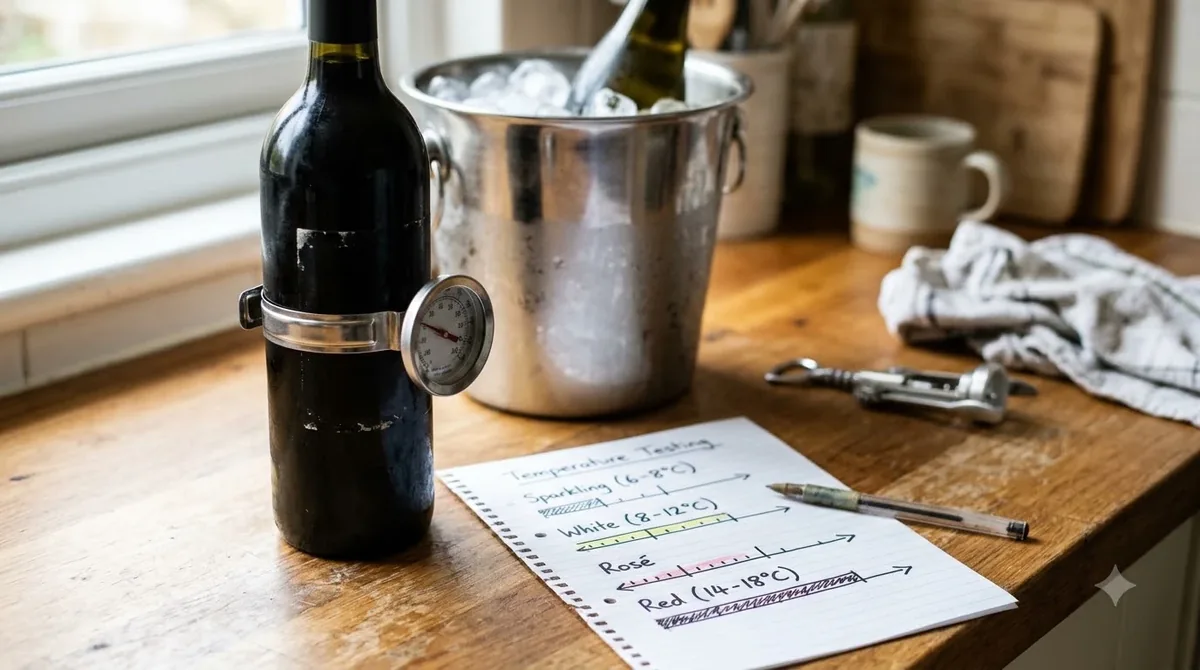
For most light- to medium-bodied Pinot Noir, aim for approximately 55 to 60 degrees F. This is cooler than typical room temperature in many homes, so a short period in the refrigerator before dinner can help. Avoid serving the wine very cold, because excessive chilling can suppress its aromas and make its structure seem harder.
Fuller Pinot Noir can be served toward the upper end of that range, especially with a rich roast or braised shoulder. More delicate Burgundy may show its aromas particularly well at the cooler end. Allow the wine to warm gradually in the glass rather than placing the bottle near a stove or other heat source.
Glassware also matters. A large-bowled red wine glass gives Pinot Noir room to release its aromatic characteristics. This is helpful for wines with delicate notes of cherry, raspberry, mushroom, rose, and spice. A narrow glass can make it harder to appreciate the more subtle details.
Pour approximately 5 ounces per glass. A standard 750 ml bottle provides about five such servings, making it a practical amount for a small dinner. If the meal includes several courses, consider smaller pours so guests can enjoy the wine throughout the meal.
Decanting is not always necessary. Young, aromatic Pinot Noir often needs only a little time in the glass. A particularly concentrated bottle may benefit from 15 to 30 minutes of exposure to air, but extended decanting is rarely required for a delicate example. Older bottles should be handled more carefully because prolonged exposure to air can diminish their aromas.
Storage before the meal is equally important. Keep unopened bottles on their sides in a cool, stable location near 55 degrees F, away from direct sunlight and temperature fluctuations. After opening, replace the cork and refrigerate the remaining still wine. Most opened still wines are best enjoyed within 3 to 5 days, although their freshness and aroma will gradually change.
If the menu also includes pizza or another casual course, Pinot Noir can carry through the meal when the toppings and sauces are not excessively spicy. Our guide to Pinot Noir with pizza explains how to make that combination work.
Frequently Asked Questions
Is Pinot Noir a traditional wine choice for Easter lamb?
Yes. Pinot Noir is one of several established red wine options for spring lamb, although Cabernet Sauvignon, Rioja, and Syrah are also popular. A lightly seasoned roast leg served pink is a particularly suitable occasion for a fresh, medium-bodied Pinot Noir. The wine’s red-fruit character can also complement spring vegetables such as asparagus and peas when they are prepared without overly acidic sauces.
Can Pinot Noir pair with lamb cooked over an open fire?
Yes, especially when the lamb develops a moderate char rather than a heavily blackened crust. A concentrated Pinot Noir with ripe cherry, plum, and savory spice can complement smoky aromas. If the lamb has pronounced barbecue seasoning or a very sweet glaze, a fuller red such as Syrah may provide a closer match.
Does older Pinot Noir work with lamb?
Older Pinot Noir can be an interesting match because bottle development may introduce mushroom, dried leaves, leather, tea, and forest-floor characteristics. These savory notes can complement slow-roasted lamb and earthy accompaniments. However, older wine may have less fresh fruit and a more delicate structure, so avoid pairing a fragile bottle with an intensely spiced or heavily reduced sauce.
Can rosé made from Pinot Noir accompany lamb?
Yes. A dry, sufficiently structured Pinot Noir rosé can accompany grilled lamb, especially when served with fresh herbs, vegetables, and a light vinaigrette. Its acidity makes it useful for warmer-weather meals, while the red-fruit aromas maintain a connection to the meat. Choose a more substantial rosé rather than an extremely delicate, light-bodied style for richer cuts.
Should I choose Pinot Noir or Pinotage for lamb?
These are different grapes with distinct wine styles. Pinot Noir is generally lighter in body, with higher acidity and lower to medium tannins, while Pinotage often produces a fuller, more concentrated red with darker fruit and firmer structure. Pinot Noir is particularly suitable for tender lamb chops and pink roast leg, whereas a fuller Pinotage may be more appropriate for smoky grilled lamb or richly seasoned shoulder.
Pinot Noir is a versatile choice for lamb because its acidity, red-fruit flavors, and moderate tannins complement the meat without overpowering it. Start with a fresh Burgundy or Oregon Pinot Noir for chops and roast leg, and choose a riper New Zealand or California example for slow-cooked shoulder. Match the wine to the cut, seasoning, and sauce, and the pairing can work beautifully from a simple weeknight dinner to a special roast.
More in Food & Wine Pairing
 Risotto With White Wine Recipe: Make a Creamy Dinner at HomeUpdated Nov 20, 2026
 Wassail With Wine Recipe for a Festive Spiced Holiday DrinkUpdated Nov 20, 2026
 Spritz Veneziano Recipe: Make a Classic Venetian Aperitivo at HomeUpdated Nov 20, 2026
 Summer Wine Punch Recipe for Easy Homemade EntertainingUpdated Nov 20, 2026
 Bishop Recipe: How to Make a Bright, Citrus-Forward Red Wine CocktailUpdated Nov 20, 2026
 Wine Cupcakes Recipe: Bake Rich Chocolate Cupcakes at HomeUpdated Nov 20, 2026