

We may earn a commission when you buy through links on this page, at no extra cost to you. Learn more.
Chenin blanc vs sauvignon blanc: chenin blanc has high acidity but a fuller, more textured body and wide range from bone-dry to sweet, while sauvignon blanc is typically crisp and aromatic, with green, citrus, or tropical notes and a dry style in most bottles. Both are popular white grapes, and both can taste bright and fresh, which is why they are often confused on a shop shelf. The differences show up most clearly in texture, sweetness range, and aroma.
If you have ever stood in front of a wine shelf wondering which white to buy, this comparison will help. It explains how the two grapes differ in acidity, body, flavor, and sweetness, where each one is grown, how to serve them, and which foods suit each style. The goal is to help you choose the bottle that fits your meal and your taste.
How the two grapes differ at a glance
Chenin blanc and sauvignon blanc share a bright, lively character, but they reach it in different ways. Sauvignon blanc leans on aroma and a crisp, zesty finish. Chenin blanc offers similar acidity but adds weight and a richer mouthfeel, which makes it feel more like a textured white than a sharp one.
The easiest way to keep them apart is to remember the core pattern. Sauvignon blanc is usually dry and aromatic. Chenin blanc is more varied, and it can be dry, off-dry, sweet, or sparkling, depending on the producer and region.
| Trait | Chenin blanc | Sauvignon blanc |
|---|---|---|
| Acidity | High | High, often described as racy |
| Body | Medium to full, textured | Light to medium, crisp |
| Typical style | Dry, off-dry, sweet, or sparkling | Mostly dry |
| Core flavors | Quince, yellow apple, pear, honey | Grass, gooseberry, citrus, passion fruit |
| Serving temperature | About 45 to 55 F (7 to 12 C) | About 45 to 55 F (7 to 12 C) |
Tip: If the label says only “white” and you want something crisp and herbal, sauvignon blanc is the safer guess. If you want a wine with more body, check for chenin blanc or a Loire label.
Acidity and body
According to Wine Folly’s chenin blanc guide, the grape has high acidity in every style it makes. The same guide describes chenin as combining the acidity people associate with riesling and the body and texture often associated with chardonnay. That combination is what gives chenin its distinctive weight on the palate.
Sauvignon blanc is also high in acidity, and the acid is the main reason it feels so refreshing. Wine Folly describes that acidity as racy, which fits the way the wine snaps across the palate. Sauvignon blanc generally feels lighter and more streamlined, so the contrast with chenin is mostly about texture rather than sharpness.
Flavor profiles compared
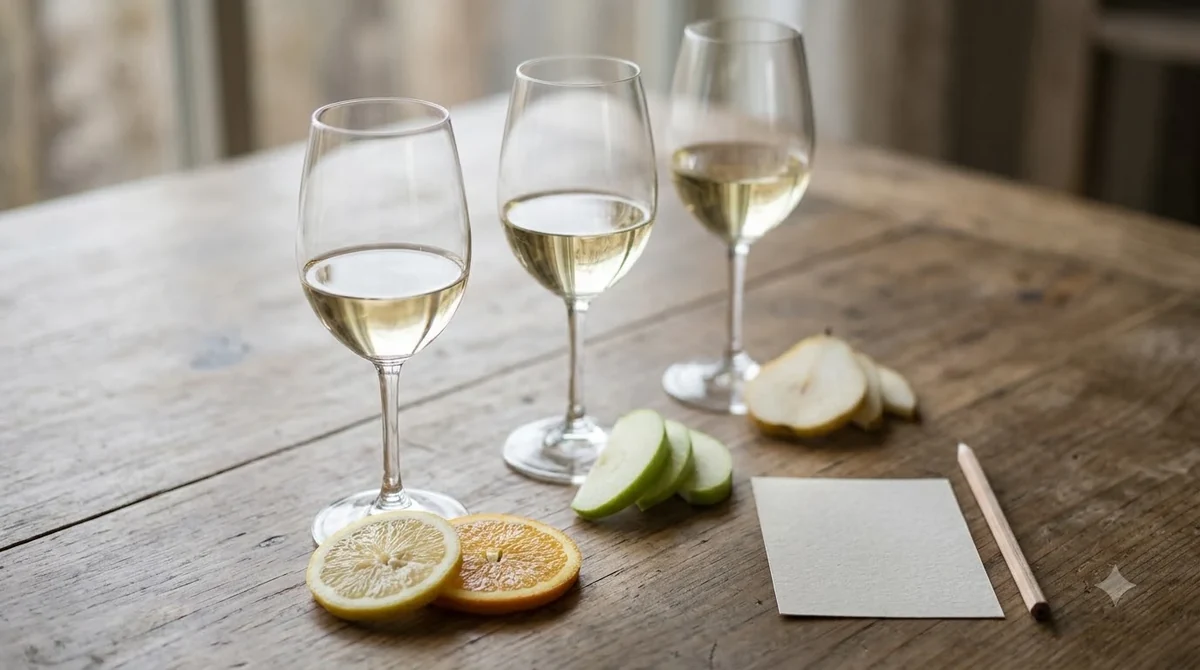
Chenin blanc tends toward orchard fruit and gentle floral notes. Wine Folly lists quince, yellow apple, pear, chamomile, and honey as typical flavors. Later-picked or botrytis-affected wines add pineapple, orange peel, apricot, and honeycomb, which is why sweet chenin can taste so rich.
Sauvignon blanc is the more aromatic of the two. Wine Folly describes a green and herbal side, with freshly cut grass, peas, asparagus, and bell pepper, a result of aromatic compounds in the grape. Citrus notes such as grapefruit, lime, and gooseberry sit alongside, and in warmer regions the wine often shows passion fruit, mango, and honeydew.
The practical takeaway is that chenin tastes like fruit and honey with a soft, rounded finish, while sauvignon blanc tastes like herbs and citrus with a sharp, clean finish. Both are refreshing, but they feel different in the glass.
Sweetness and style range
Here is where the two grapes differ most. Sauvignon blanc is mostly made dry, and the sweetness level is usually low. Chenin blanc is far more flexible. Wine Folly’s overview covers dry Loire and South African wines, demi-sec Vouvray, sweet botrytis wines such as Quarts de Chaume and Coteaux du Layon, and sparkling styles such as Cremant de Loire and Cap Classique.
That range matters when you shop. If you want a dry wine, both grapes can work, but chenin gives you more options if you later want something sweet. A bottle labeled demi-sec or sweet from the Loire is almost always chenin, while a crisp, grassy white is almost always sauvignon blanc.
Reading the back label helps more than the grape name alone. Many producers add a sweetness scale or words such as “dry,” “off-dry,” or “sweet,” and the producer’s tasting note will usually say whether the wine leans toward fruit or herbs. A short look at that text can save a disappointing bottle, especially when a sweet chenin is placed next to a dry sauvignon blanc on the same shelf.
Where each grape grows
Chenin blanc comes from the Loire Valley in France, which is its historic home. Today South Africa is the largest planter by Wine Folly’s count, with France a close second. The Loire is the place to look for classic dry and sweet styles, while South African bottles often show a richer, more oaked character.
Sauvignon blanc has roots in the Loire as well, where Sancerre and Pouilly-Fume are the best-known appellations. Wine Folly points to Marlborough in New Zealand as the hallmark region for the modern, aromatic style. In Bordeaux, the grape is a minor player, usually blended with semillon in dry whites from Pessac-Leognan and Graves.
How to serve each style
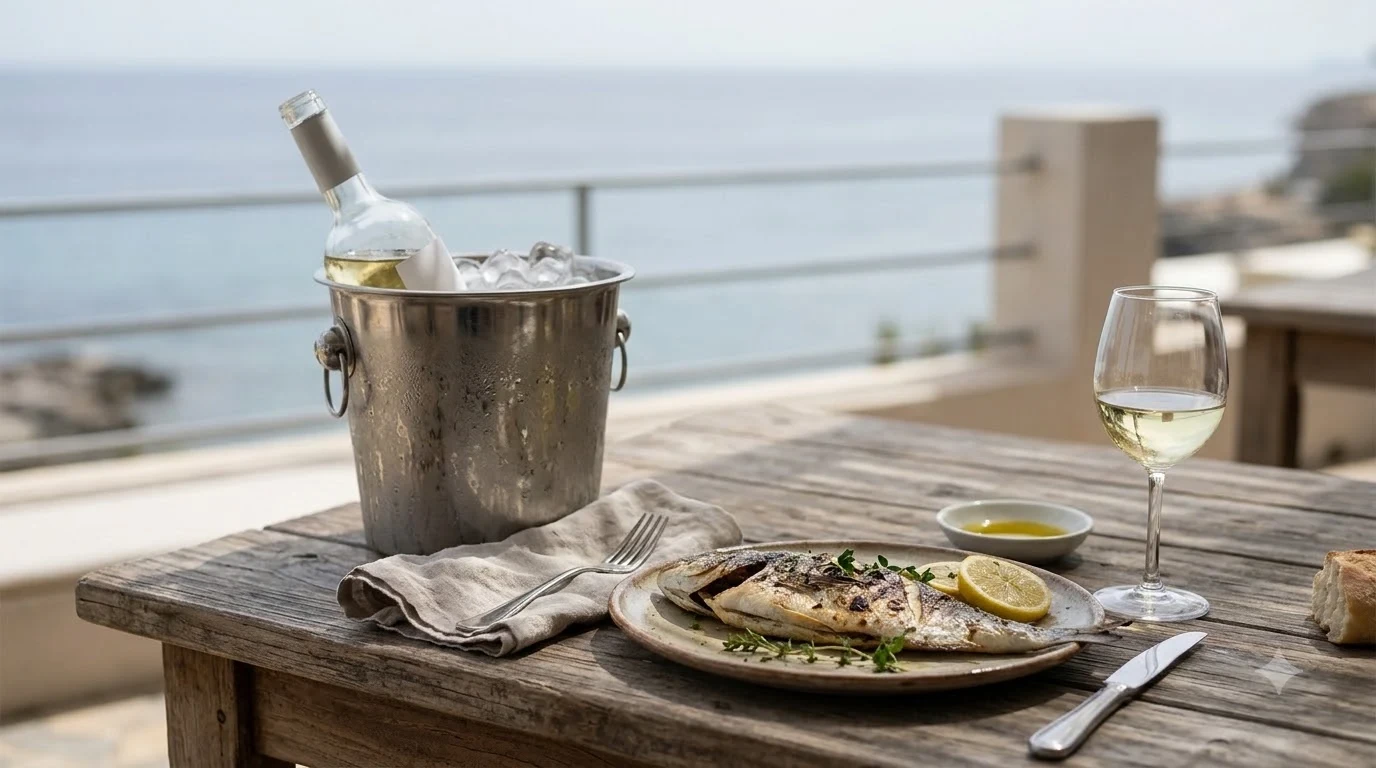
Both grapes are best served cold. Wine Folly suggests about 45 to 55 F (7 to 12 C) for each, which keeps the acidity lively. Chenin’s oaked versions can be served a little warmer, similar to chardonnay, because the texture benefits from it. Sauvignon blanc is usually best cold and fresh, since the aromas are the main attraction.
A standard white wine glass works well for both. Decanting is rarely needed for either grape, since the wines are meant to be enjoyed young and bright. Keep the bottle chilled between pours, especially in warm weather.
Food pairings for each
Chenin blanc fits a wider range of dishes. Wine Folly lists sweet-and-sour dishes, Southeast Asian cuisine, and pork belly with apples as good matches for richer styles. Oaked versions pair with roast chicken or turkey, and sparkling chenin works as an aperitif with salted nuts.
Sauvignon blanc suits herb-forward dishes. Wine Folly suggests chicken, tofu, and fish, along with feta, chevre, and warm goat cheese. Mint, dill, and basil bring out the wine’s herbal notes, and Thai or Vietnamese dishes with fresh herbs are a natural choice.
Frequently Asked Questions
Is chenin blanc sweeter than sauvignon blanc?
It can be. Sauvignon blanc is usually made dry, while chenin blanc spans dry, off-dry, sweet, and sparkling styles. A dry chenin and a dry sauvignon blanc will taste quite different, but sweetness is more common in chenin.
Which is better for a beginner?
Either can work. Sauvignon blanc is a good start if you like crisp, aromatic whites. Chenin blanc is a good start if you prefer a rounder texture or want to explore sweet and sparkling styles later.
Can I substitute one for the other in cooking?
Often yes, in light sauces and seafood dishes. Use a dry bottle of either grape, and check whether the recipe calls for a sweet or dry wine, since chenin’s sweeter styles can change the final flavor.
Do both grapes age well?
Chenin blanc generally ages better, and Wine Folly notes that many Loire styles can age for a decade or more. Sauvignon blanc is usually best within a few years of its vintage, though some richer examples can keep longer.
Both grapes are rewarding, and choosing between them comes down to the style you want. For a broader look at how white and red wines compare, read the Wine vs Wine guide, or compare other popular pairs such as moscato vs prosecco for a sweet and sparkling contrast. Pour a glass of each and taste them side by side to see how different two high-acid whites can be.
More in Wine vs Wine
 Nero d’Avola vs Pinot Noir: Taste, Body, and Pairing DifferencesUpdated Nov 21, 2026
 Chenin Blanc vs Pinot Blanc: Key Differences in Taste, Acidity, and PairingsUpdated Nov 21, 2026
 Chardonnay vs Shiraz: Key Differences in Taste, Serving, and PairingUpdated Nov 21, 2026
 Chardonnay vs Verdejo: How Spain’s Crisp White Compares to the World’s ChameleonUpdated Nov 21, 2026
 Chardonnay vs Sancerre: Key Differences in Taste, Grapes, and PairingUpdated Nov 21, 2026
 Chardonnay vs Malbec: Key Differences in Taste, Body, and PairingUpdated Nov 21, 2026