

We may earn a commission when you buy through links on this page, at no extra cost to you. Learn more.
The sonoma coast wine region is a cool-climate California appellation best known for Pinot Noir and Chardonnay shaped by Pacific fog, wind, and varied coastal elevations. Its Sonoma Coast AVA stretches from San Pablo Bay to the Mendocino County line, so it includes more than vineyards directly beside the ocean. Within that broad boundary, ridges, sheltered valleys, and wind corridors create distinct expressions of the same grapes. Understanding the appellations and label terms helps you choose a bottle with the style you want.
Sonoma Coast is one of the most varied names on a California wine label. Bottles can range from bright, savory wines grown in cold maritime sites to riper, rounder examples from warmer inland pockets. The geography, leading grapes, and subregions explain why the name covers such a wide spectrum.
What Defines the Sonoma Coast Wine Region?
The Sonoma Coast AVA is a large American Viticultural Area in western Sonoma County, running from San Pablo Bay north to the Mendocino County border. Recognized in 1987, it is Sonoma County’s largest AVA by area, according to Decanter, and covers much more than the immediate oceanfront.
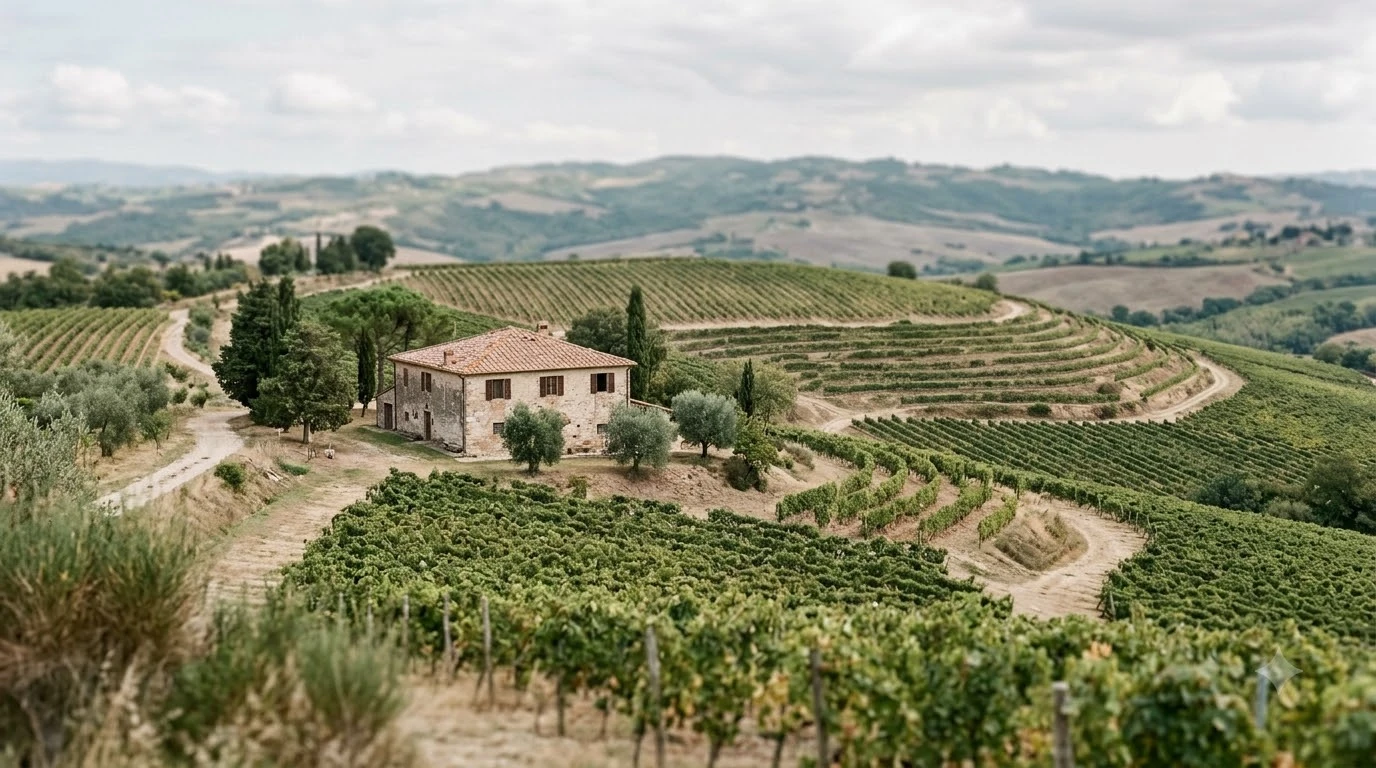
Its boundaries include rugged ridges a few miles from the Pacific, sheltered valleys, rolling hills, and southern sites near San Pablo Bay. The ocean is the shared influence, but its effect varies with distance, elevation, slope, and exposure. A vineyard above the fog can receive more direct sunlight than a nearby valley floor, while an exposed ridge may face stronger wind and colder air.
An AVA is a federally recognized grape-growing region whose boundaries reflect geographic features relevant to viticulture. It identifies where grapes were grown; it does not guarantee a particular grape, winemaking method, quality level, or flavor. The name “Sonoma Coast” is therefore a geographic starting point, not a single recipe. More specific names such as West Sonoma Coast and Fort Ross-Seaview identify narrower growing areas within the broader coastal landscape.
Pacific Climate, Fog, Rain, and Elevation
Pacific air is the main climatic influence, but the coast is not uniformly cold or fog-covered. Fog, ocean wind, rainfall, and elevation interact to affect the pace of ripening and the acidity retained in the grapes.
In the northern reaches, vineyards often sit on high ridges just a few miles inland. Fog may blanket lower ground while ridge-top vines remain in sunlight. That contrast gives growers a way to combine cool air with enough warmth for grapes to mature. A sheltered site in Freestone, for example, can receive sun when fog lifts, while exposed slopes may stay cooler and windier.
Rainfall is substantial. Sonoma County Winegrowers describes the Sonoma Coast AVA as receiving more than twice the annual rainfall of inland neighbors, yet many vineyards ripen grapes because they sit above the fog line or occupy favorable slopes. Wet winters make drainage and site selection important: a well-drained hillside behaves differently from a low parcel that retains water.
Elevation intensifies these contrasts. West Sonoma Coast vineyards range from about 400 to 1,800 feet, and Sonoma County Winegrowers reports that the area can be at least 10 degrees cooler than the broader Sonoma Coast AVA. Farther south, the Petaluma Gap channels Pacific air through an opening in the coastal range toward San Pablo Bay. Strong wind and fog can delay ripening and help preserve acidity, while also requiring careful canopy management in exposed blocks.
In the glass, these conditions often register as freshness and structure rather than simple lightness. Pinot Noir can combine lively acidity with concentrated fruit, and Chardonnay can show citrus or orchard-fruit character with a firm finish. A cool site does not automatically make a thin wine; the best locations can deliver depth alongside freshness.
Appellations and Coastal Subregions
The broad Sonoma Coast AVA contains smaller appellations and recognizable vineyard areas. West Sonoma Coast, Fort Ross-Seaview, and Petaluma Gap are three of the most useful names for understanding the region’s range.
West Sonoma Coast is the far-western maritime zone, with steep terrain, cold ocean air, and persistent fog. Local regional descriptions divide it into three areas from north to south: Annapolis, Fort Ross-Seaview, and Freestone-Occidental. Pinot Noir and Chardonnay dominate, with Syrah also represented. Its cool conditions are associated with pronounced acidity, moderate alcohol, and focused fruit flavors.
Fort Ross-Seaview occupies rugged coastal hills above Fort Ross State Historic Park, between Jenner and the Sea Ranch area. Many vineyards sit at higher elevations despite their proximity to the Pacific, and can rise above the fog belt. Pinot Noir and Chardonnay are the principal grapes. Petaluma Gap lies farther south, where a natural opening in the coastal mountains funnels cool air inland; its wind-influenced vineyards are known for later ripening and naturally lively acidity. Freestone and Occidental are familiar place names associated with cool coastal-influenced vineyards, though a place name on a label is not always the same thing as an AVA designation.
| Area or appellation | Useful figures | What they indicate |
|---|---|---|
| Sonoma Coast AVA | 4,725 vineyard acres; established 1987 | The broad appellation runs from San Pablo Bay to Mendocino County. |
| West Sonoma Coast AVA | 400–1,800 feet in vineyard elevation; 1,028 vineyard acres | Steep, cold maritime ridges create a distinct coastal expression. |
| Fort Ross-Seaview AVA | 555 vineyard acres; 5 wineries | High coastal ridges can sit above the fog despite their proximity to the Pacific. |
| Petaluma Gap AVA | 4,000 vineyard acres; daily temperature swings of 40–50 degrees | A wind corridor promotes later ripening and helps preserve acidity. |
These figures describe different geographic levels and are not meant to be added together. Fort Ross-Seaview sits within the West Sonoma Coast area described by regional sources, while Petaluma Gap is another separately designated AVA in the wider coastal landscape. The acreage and winery counts in the table follow Sonoma County Winegrowers’ regional overview.
For a practical comparison, taste a Pinot Noir labeled Sonoma Coast beside one labeled West Sonoma Coast or Fort Ross-Seaview. Keep the grape and vintage similar. The contrast can make differences in exposure, ripeness, and acidity easier to recognize than memorizing appellation boundaries alone.
The Grapes That Define the Coast
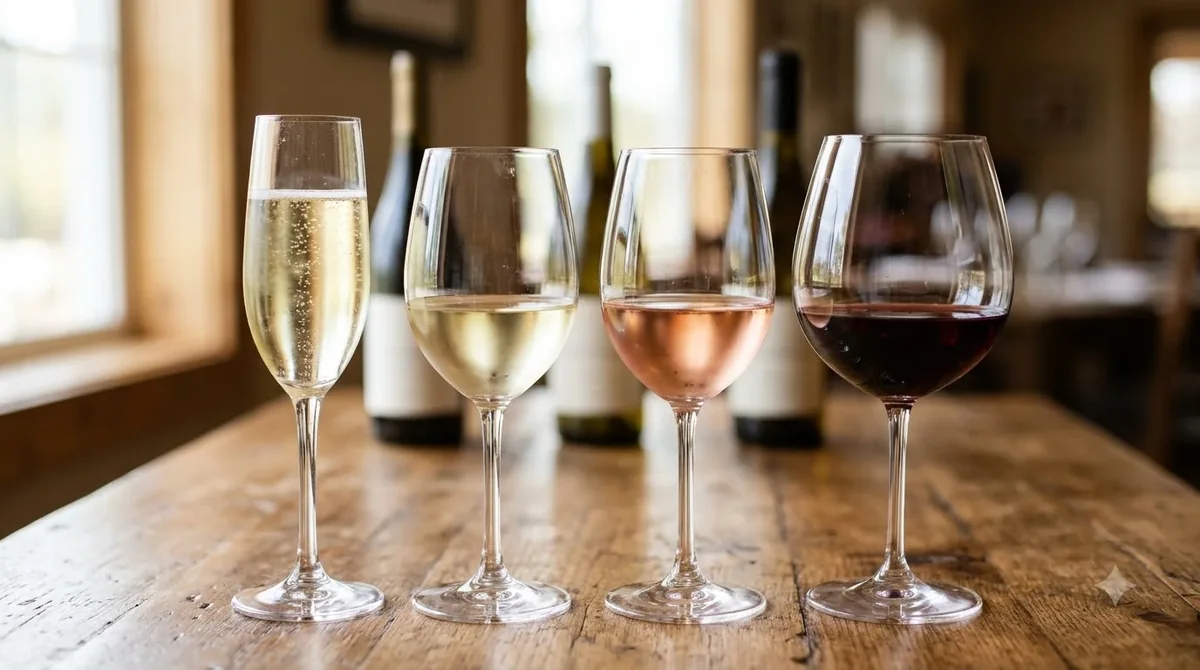
Pinot Noir and Chardonnay are the signature varieties of Sonoma Coast, with Syrah an important supporting grape. All three can develop flavor through a long, cool growing season while retaining natural acidity.
Pinot Noir is the region’s leading red-wine reference point. Depending on the site and winemaking, it can show red cherry, cranberry, raspberry, rose, tea, forest floor, or savory spice. Cooler sites often emphasize tart red fruit, floral notes, and a taut finish; warmer or more sheltered vineyards may give darker fruit and a broader palate. Pinot Noir generally has low-to-medium tannin and high acidity, so it tends to feel energetic rather than heavily structured.
Chardonnay ranges from citrus-driven and crisp to rounded and barrel-influenced. Cooler bottlings may lean toward lemon, green apple, and tangerine, while riper wines can show pear, baked apple, cream, toast, or baking spice. The grape has medium acidity, so site and cellar choices affect its freshness. Stainless steel or neutral vessels can preserve bright fruit; barrel fermentation, lees contact, and malolactic fermentation can build texture.
Syrah offers a more structured red style, with possible notes of blackberry, plum, violet, black pepper, olive, and smoke. It generally has more tannin than Pinot Noir and can pair with richer food. Other varieties appear in smaller quantities, but Pinot Noir, Chardonnay, and Syrah remain the most useful grapes to start with when exploring the appellation.
How Sonoma Coast Wines Taste and Age
Most Sonoma Coast wines are dry, and freshness is a recurring feature, but there is no single house style. Vineyard position, vintage conditions, grape variety, and cellar choices all influence the final wine.
In Pinot Noir, look for a balance of red or dark berries, acidity, and fine-grained tannin. Some wines are light on their feet, with cranberry, sour cherry, tea, and subtle earth; others are denser, with black cherry, plum, and spice. A West Sonoma Coast or Fort Ross-Seaview label suggests a more specific origin, but it does not automatically mean the wine will be delicate or powerful.
Chardonnay spans a similarly broad range. Stainless-steel or neutral-oak examples can emphasize citrus, tart apple, and a lean finish. Barrel-fermented versions may bring baked pear, vanilla, toast, and a creamier mouthfeel. For a crisp style, seek descriptions that emphasize citrus, acidity, or restrained oak; for a richer style, terms such as barrel-fermented or lees-aged can be useful clues.
Vintage variation matters in a region shaped by fog, wind, and a long harvest window. A cooler season can preserve bright acidity and produce restrained fruit, while a warmer season may give more generous ripeness. Well-made Pinot Noir and Chardonnay can develop with bottle age, gaining savory, earthy, or dried-flower complexity, but not every bottling is intended for long cellaring. A fresh, lighter example can be enjoyed young rather than held simply because it carries the Sonoma Coast name.
Buying, Serving, and Pairing Sonoma Coast Bottles
Choose a bottle by starting with the grape and texture you enjoy, then use the appellation and producer to narrow the style. A broad Sonoma Coast label is a useful entry point; a smaller AVA or vineyard designation can help when you want a more specific expression of the coast.
For a first red, choose Pinot Noir if you like cherry fruit, fresh acidity, and moderate tannin. Look to Syrah for a fuller red with darker fruit and more structure. Chardonnay is the flexible white-wine starting point: stainless-steel or lightly oaked versions emphasize citrus and crispness, while barrel-fermented examples are generally rounder. Serve light-bodied Pinot Noir at 55–60°F and richer Chardonnay at 50–55°F; lighter whites are best around 45–50°F. If a young, fuller red seems closed, 30–60 minutes of decanting can help, though most Pinot Noir needs little aeration.
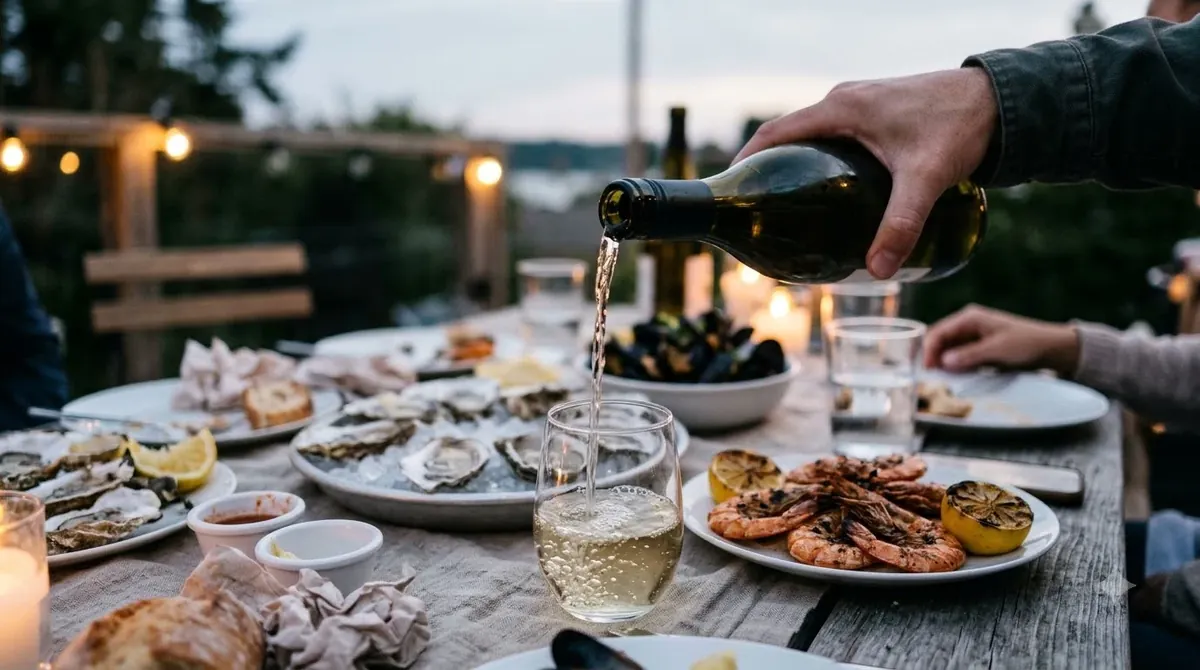
Pair Pinot Noir with roast chicken, duck, pork tenderloin, mushrooms, salmon, and grilled vegetables. Chardonnay works with crab, scallops, halibut, roast poultry, creamy pasta, and lemon-butter sauces; match a leaner style with shellfish and a fuller wine with richer preparations. Syrah suits grilled lamb, beef, sausages, lentils, and dishes with black pepper or smoke. Avoid pairing tannic reds with oily fish, which can create a metallic impression. Salt and fat soften tannin, while acidic sauces call for a wine with equal or higher acidity; choose a wine at least as sweet as the dessert. Chili heat is amplified by alcohol and tannin, so a high-alcohol Syrah may be a poor match for very spicy food.
Tip: For a useful home tasting, pour 5 ounces each of two Sonoma Coast wines at their recommended temperatures. Compare the same grape from a broad Sonoma Coast bottling and a West Sonoma Coast bottling, then note fruit, acidity, body, and finish before reading the producer’s details.
A standard 750-milliliter bottle holds about five 5-ounce pours. Refrigerate opened still wine and aim to finish it within 3–5 days. Store unopened bottles on their sides in a cool, dark place near 55°F, away from direct light and large temperature swings. For more local detail, consult the Sonoma County guide to the Sonoma Coast AVA and the Winegrowers’ Sonoma County terroir overview. To plan a visit, see the sonoma coast wine tasting guide; readers interested in other cool-climate alpine regions can compare the Savoie wine region and the Switzerland wine region.
Frequently Asked Questions
These answers add a few historical and visitor details to the regional overview.
Where were Sonoma County’s first wine grapes planted?
Sonoma County Tourism dates the first wine-grape planting in the county to 1817, at the Russian-American Company’s fur-trading outpost at Fort Ross. That early planting predates the modern coastal wine industry by well over a century.
Why was Riesling planted in the Fort Ross area?
Regional history identifies sheep rancher Mick Bohan as planting Riesling in 1973 as a cash crop when wool prices were low. That episode is a reminder that the coast’s agricultural history is not limited to today’s best-known Pinot Noir and Chardonnay.
Is Pinotage grown in Sonoma Coast?
Yes. Fort Ross Vineyard has Pinotage plantings attributed to South African expatriates, making it an uncommon local variety beside the more familiar coastal grapes. Pinotage is most closely associated with South Africa.
Where can visitors taste wine connected with the coastal region?
Fort Ross Vineyard, Winery & Tasting Room in Jenner is a visitor-facing option with coastal views. Flowers also operates the House of Flowers tasting space near downtown Healdsburg, offering another way to explore wines connected with western Sonoma County.
What local food is especially associated with the Sonoma Coast?
The coastal fishing area is known for Dungeness crab, a natural partner for bright Sonoma Coast Chardonnay. Crab’s sweetness and delicate texture suit wines with fresh acidity and restrained oak.
The Sonoma Coast is best understood as a family of growing conditions rather than one uniform style. Start with Pinot Noir or Chardonnay, then compare the broad AVA with a more specific coastal appellation to discover the balance of fruit, acidity, and texture you prefer.
More in Wine Regions
 Willcox Wine Trail: Discover Arizona’s High-Elevation Wine CountryUpdated Nov 20, 2026
 Yakima Valley Wine Region: Find the Best Styles to TryUpdated Nov 20, 2026
 Vosne Romanee Wine Tasting: Identify Aromas and Choose Better PairingsUpdated Nov 20, 2026
 Yakima Valley Wine Festival: Find the Best Seasonal Wine EventsUpdated Nov 20, 2026
 Wales Vineyards: Discover Cool-Climate Wines and Where to VisitUpdated Nov 20, 2026
 Yountville Wine Festival: Discover Napa Wines and Local FoodUpdated Nov 20, 2026