

We may earn a commission when you buy through links on this page, at no extra cost to you. Learn more.
Sonoma coast wine tasting introduces visitors to some of California’s most distinctive cool-climate Pinot Noir, Chardonnay, and Syrah, produced in vineyards influenced by Pacific Ocean fog, coastal winds, and varied mountain terrain. The experience combines vineyard-focused wines, scenic tasting rooms, and a remarkable range of expressions from places such as Freestone, Annapolis, Fort Ross, and Petaluma Gap. Visitors can explore the region through dedicated coastal wineries or tasting rooms in nearby towns such as Sebastopol and Bodega Bay. Understanding the geography and principal grape varieties makes it easier to select wineries and recognize what makes each wine different.
Sonoma County is known for its diversity, but the coastal vineyards deserve particular attention from anyone interested in wines with freshness, acidity, restrained fruit, and a strong sense of place. The Sonoma Coast American Viticultural Area (AVA) covers a broad geographical area, and its wines do not all come from vineyards immediately beside the ocean. Some grow on exposed mountain ridges, while others benefit from sheltered valleys and marine air moving inland. A successful visit involves understanding these differences, choosing tasting rooms carefully, and allowing enough time to appreciate individual vineyard expressions.
Understanding the Sonoma Coast Wine Region
The Sonoma Coast AVA is a large and geographically varied appellation where Pacific Ocean conditions influence grape growing and wine style. Its recognition in 1987 established an important identity for cool-climate Sonoma County wines, particularly Pinot Noir and Chardonnay.
The appellation stretches across much of Sonoma County, extending from the northern coastal areas toward San Pablo Bay in the south. According to Sonoma County Tourism, the original Sonoma Coast AVA encompasses approximately 2,000 vineyard acres and fewer than 10 wineries operating within its boundaries, excluding producers associated with overlapping appellations. This distinction helps explain why the number of wineries using the Sonoma Coast designation can seem surprisingly small compared with the broader Sonoma County wine industry.
One important detail is that Sonoma Coast is not a single compact valley. Its geographical footprint includes several distinct growing environments, and some vineyards belong to more than one recognized wine appellation. The Russian River Valley and Carneros overlap portions of the larger Sonoma Coast designation. Consequently, a bottle labeled Sonoma Coast does not necessarily represent the same conditions as one from a vineyard immediately overlooking the Pacific.
The region’s Pacific influence is especially important. Ocean air moderates temperatures, while fog can cover lower elevations during the afternoon. Higher vineyards may receive more direct sunlight because they rise above the fog layer. This combination allows grapes to develop flavor while retaining acidity, a characteristic that makes the region particularly appealing to Pinot Noir and Chardonnay enthusiasts.
The Sonoma Coast is also part of a larger collection of Sonoma County growing areas. The county contains 19 official AVAs, including Russian River Valley, Dry Creek Valley, Alexander Valley, and Carneros. Each has different geographical characteristics and grape-growing conditions. Readers comparing several destinations can explore our Wine Regions resource to understand how American appellations influence the wines they encounter.
For visitors, the practical lesson is to investigate the vineyard origin of individual wines rather than treating the entire appellation as one uniform style. A Pinot Noir from an exposed coastal ridge can taste quite different from one grown in a warmer, more sheltered location, even when both carry the Sonoma Coast designation. The Sonoma Coast AVA overview from Sonoma County Tourism provides additional geographical context, including the area’s leading grapes and notable growing locations.
Coastal Climate, Vineyards, and Distinctive Subregions
Pacific fog, strong winds, elevation, and changing soil conditions are the principal environmental influences behind Sonoma Coast wines. Understanding these factors helps explain why two vineyards separated by relatively short distances can produce noticeably different wines.
The northern coastal reaches contain steep hillsides and exposed ridges. Vineyards in areas such as Annapolis and Fort Ross experience substantial marine influence, although elevation can place some vines above the thickest fog. The combination of cool air and adequate sunshine creates challenging growing conditions, particularly for grapes that need sufficient time to ripen.
Freestone provides a different environment. This sheltered area contains rolling countryside and hillside vineyards that can receive sunshine when fog clears. Its geographical position and local conditions help produce wines that retain freshness while developing more concentrated fruit character than some extremely exposed coastal sites.
Petaluma Gap is another important location. A natural opening in the coastal mountains allows Pacific winds to move inland through Petaluma toward San Pablo Bay. These winds influence vineyard temperatures and grape development. Petaluma Gap received its own AVA designation in December 2017, distinguishing its particular growing conditions within the broader Sonoma County landscape.
The West Sonoma Coast AVA provides another useful geographical distinction. Established in 2022, it recognizes a collection of rugged coastal growing areas that include Annapolis, Fort Ross-Seaview, and Freestone-Occidental. The designation helps identify wines originating from particularly cool and maritime-influenced locations.
According to Sonoma County Winegrowers, West Sonoma Coast vineyards can reach elevations between approximately 400 and 1,800 feet. These slopes, ridges, and changing exposures create substantial differences in sunlight, fog exposure, and growing conditions. The broader Sonoma County vineyard landscape ranges from sea level to approximately 2,600 feet, demonstrating how much elevation can influence wine style across the county.
Soil diversity adds another layer. Sonoma County Winegrowers identifies 11 major geological formation types and 31 soil series across the county. Coastal vineyards therefore do not share one universal soil profile. Weathered rock, clay-rich soils, and other geological materials influence drainage and vine development, contributing to differences between vineyard sites.
These conditions explain why wine enthusiasts often seek bottles identified with individual vineyards or smaller appellations. A producer working with several coastal sites can offer a particularly useful comparison of how elevation, exposure, and soil influence Pinot Noir and Chardonnay. The Sonoma County Winegrowers terroir guide provides further information about the county’s 19 AVAs, elevation differences, soil formations, and marine influences.
Which Wines to Taste: Pinot Noir, Chardonnay, and Syrah
Pinot Noir and Chardonnay should be the priorities during a first Sonoma Coast visit, with Syrah providing an interesting third perspective. These grapes respond particularly well to the region’s cool conditions and offer a useful introduction to its range of wine styles.
Pinot Noir
Pinot Noir is the signature red grape of the Sonoma Coast. It generally produces wines with red cherry, raspberry, strawberry, and cranberry flavors, sometimes accompanied by earthy notes, dried herbs, forest-floor character, or gentle spice. Cooler sites often emphasize freshness and aromatic detail rather than heavy, ripe fruit.
Acidity is an important feature. Pinot Noir generally has high acidity and low-to-medium tannin, making it more flexible with food than many powerful red wines. Coastal examples can feel particularly lively, especially when served at an appropriate temperature.
Expect variation between producers. Some use whole-cluster fermentation or more substantial oak aging, while others emphasize delicate fruit and restrained extraction. Vineyard-designated wines are particularly useful for comparing these choices because they allow tasters to examine individual growing sites rather than only a general regional blend.
Chardonnay
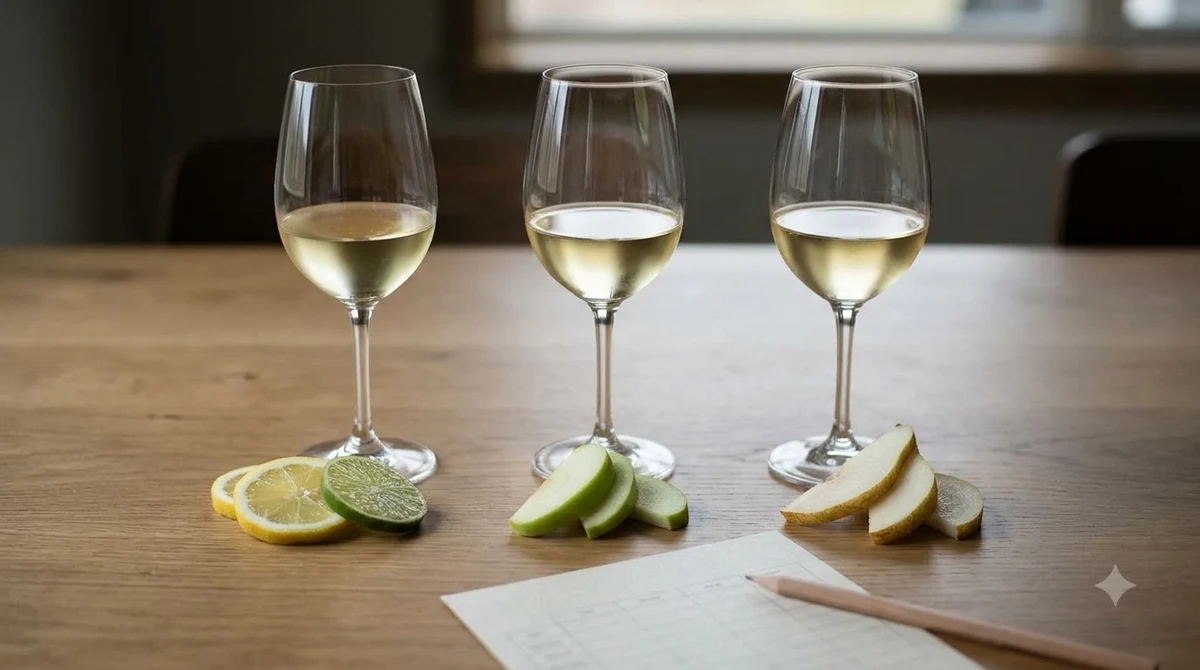
Chardonnay is the leading white-wine companion to coastal Pinot Noir. Its flavors can include lemon, green apple, pear, citrus peel, and stone fruit. Depending on ripeness, fermentation, and oak treatment, the wine may be lean and mineral in character or richer with creamy textures and toasted notes.
Cooler growing conditions help preserve acidity, providing balance to Chardonnay’s natural fruit richness. Some producers ferment or age their wines in oak barrels, while others favor stainless steel or restrained oak influence. Malolactic fermentation can also contribute buttery or creamy characteristics.
For a useful tasting comparison, try two Chardonnays from different vineyard locations or with different oak treatments. Pay attention to acidity, texture, fruit intensity, and the length of the finish rather than assuming that every coastal Chardonnay should taste the same.
Syrah
Syrah deserves attention because coastal conditions can give it a distinctive combination of savory character and fresh fruit. Common aromas include blackberry, black pepper, violet, smoked meat, and herbs. Cooler sites may produce a more restrained expression than warmer California growing areas.
Syrah generally has medium-plus to high tannin, so its texture can feel firmer than Pinot Noir. Its dark fruit and savory qualities make it especially interesting alongside grilled lamb, roasted mushrooms, and dishes with herbs.
The following table summarizes useful characteristics to compare during a tasting.
| Wine | Typical acidity | Tannin | Common characteristics | Serving temperature |
|---|---|---|---|---|
| Pinot Noir | High | Low-medium | Red cherry, raspberry, earth, herbs | 55-60 F |
| Chardonnay | Medium | Very low | Apple, citrus, pear, stone fruit | 50-55 F |
| Syrah | Medium-high | Medium-plus to high | Blackberry, pepper, violet, savory notes | 60-65 F |
| Rosé | Medium-high | Low | Strawberry, citrus, melon | 45-50 F |
These are general style expectations rather than guarantees for every bottle. Winemaking decisions, harvest conditions, vineyard exposure, and aging methods all influence the finished wine. A tasting that includes at least two Pinot Noirs and two Chardonnays offers a particularly useful introduction to the region.
Best Wineries and Tasting Rooms to Visit
The most rewarding tasting rooms are those that provide access to identifiable coastal vineyard wines and explain their differences. Sebastopol, Bodega Bay, Fort Ross, and other nearby communities provide several options, although the actual tasting-room locations do not always coincide with the vineyards.
Dutton-Goldfield Winery
Dutton-Goldfield in Sebastopol is a useful starting point for visitors interested in cool-climate Pinot Noir and Chardonnay. The winery works with fruit from coastal-influenced vineyards, including McDougall Vineyard above the Gualala River and Redwood Ridge in the Annapolis area.
Comparing wines from these two locations can help visitors understand how elevation, exposure, and fog influence Pinot Noir. The winery emphasizes freshness and restraint, making its portfolio particularly relevant to tasters who prefer balanced wines rather than heavily extracted reds.
Red Car Wine
Red Car Wine operates a winery and tasting room in Sebastopol. Its coastal portfolio includes Pinot Noir, Chardonnay, and Syrah, offering visitors a chance to explore three different grape varieties from marine-influenced vineyards.
The producer uses native yeasts and gentle winemaking practices, with a focus on expressing coastal fruit. Its tasting room offers an accessible opportunity to compare these wines without having to travel to the more remote vineyard areas. Reservations are available, and walk-ins are also welcome according to the Sonoma County Tourism itinerary.
Freeman Winery
Freeman Winery is another Sebastopol destination specializing in Pinot Noir and Chardonnay. Its vineyard relationships emphasize cooler locations influenced by the Pacific Ocean.
The winery focuses on balance and refinement rather than excessive ripeness. Private tours and tastings are available by appointment, Monday through Saturday, making it a good option for visitors who prefer a more personal introduction to coastal wines.
Littorai Wines
Littorai Wines is particularly interesting for visitors seeking a more detailed examination of vineyard farming. The estate in the western Sonoma Coast area overlooks approximately 30 acres of rolling hills, and the winery is associated with cool-climate Pinot Noir and Chardonnay.
Private tours and tastings are available by appointment, Monday through Saturday. Its limited-production approach makes advance planning important, particularly for visitors hoping to explore specific vineyard-designated wines.
Sonoma Coast Vineyards
Sonoma Coast Vineyards in Bodega Bay offers one of the region’s most distinctive tasting settings. Its tasting room overlooks the water, providing a direct connection to the coastal landscape that influences its wines.
The winery focuses on Pinot Noir and Chardonnay, including wines identified with individual vineyard sites or blocks. Its tasting experience includes four wines, and visitors can also arrange a picnic overlooking the bay. This combination makes it an appealing choice for travelers who want both coastal scenery and wine education.
Fort Ross Vineyards
Fort Ross Vineyards offers another opportunity to taste wines in a dramatic coastal setting. Its tasting room sits among the hills of Fort Ross and provides ocean views.
The estate portfolio includes Chardonnay, Pinot Noir, reserve Pinot Noir, a Pinot Noir assemblage, and Pinotage. The winery also offers 90-minute food-and-wine-pairing experiences from Friday through Tuesday by reservation. Guests should arrange their visit in advance because the estate does not accommodate visitors without reservations.
Peay Vineyards
Peay Vineyards works with grapes from rugged coastal vineyards in the Annapolis area. Its vineyards occupy an unusual landscape of higher ground and misty slopes, producing wines associated with the cooler reaches of Sonoma County.
The winery and tasting room are located away from the coast because of the difficult access to the vineyard area. Reservations are generally required at least 48 hours in advance, and availability can be limited during the September-to-early-November harvest period.
For a broader comparison of regional destinations, readers can also explore our central coast wine tasting guide. It provides useful context for understanding how Sonoma’s northern coastal climate differs from the wine-growing conditions found farther south in California.
Planning a Sonoma Coast Wine Tasting Trip
A successful Sonoma Coast visit depends on realistic scheduling, reservations, transportation, and choosing wineries that are geographically compatible. The coastal landscape is extensive, and driving between distant tasting rooms can take longer than visitors expect.
Start by choosing a general area rather than attempting to cover the entire appellation in one day. Sebastopol is a practical base for visiting Dutton-Goldfield, Red Car, Freeman, and Littorai. Bodega Bay provides a different experience for visitors interested in coastal views and Sonoma Coast Vineyards. Fort Ross and Annapolis require more careful planning because their roads and vineyard locations are relatively remote.
Two or three winery visits make a sensible daily target. This allows enough time to taste thoughtfully, ask questions, enjoy lunch, and travel between destinations without rushing. A fourth stop may be possible when wineries are close together, but a longer itinerary can reduce the opportunity to compare individual wines carefully.
Reservations are particularly important for smaller estates and appointment-only experiences. Before leaving, confirm opening days, tasting availability, group-size restrictions, and the type of wines included. Some tasting rooms welcome walk-ins, while others organize structured seated experiences that require advance arrangements.
Weather deserves attention throughout the year. Coastal fog and wind can make conditions cooler than expected, even when inland Sonoma County is sunny. Bring a light jacket, comfortable walking shoes, and appropriate clothing for outdoor vineyard visits. Harvest generally takes place from late summer into fall, although exact timing depends on grape variety, vineyard conditions, and the season.
Transportation should be arranged before the first tasting. Designated drivers, private transportation, or organized wine tours allow visitors to enjoy their appointments responsibly. Avoid planning a route that requires repeated long drives across unfamiliar coastal roads after several tastings.
Tip: Plan your day around two or three nearby wineries, reserve appointment-only tastings before traveling, and leave at least 60-90 minutes for each winery experience. Add driving time separately, especially when visiting Fort Ross or Annapolis.
Food and water are also important parts of a comfortable visit. Eat a proper meal before tasting, and arrange lunch between appointments rather than relying entirely on small tasting-room snacks. If a winery offers food pairings, ask about the format and duration when making the reservation.
Visitors interested in comparing different California growing areas can also read our Willcox wine tasting guide. Willcox, Arizona, offers a contrasting high-desert environment, illustrating how climate and elevation create very different wine styles within the United States.
Food Pairings and Wine Tasting Techniques
Food pairing is a valuable way to understand the structure of Sonoma Coast wines. The region’s fresh Pinot Noir and Chardonnay are particularly versatile at the table, while Syrah works well with richer dishes and stronger flavors.
For Pinot Noir, consider roast chicken, grilled salmon, duck, pork tenderloin, or mushroom dishes. Its relatively low-to-medium tannin and high acidity allow it to work with foods that can overwhelm heavier reds. Mushroom risotto is especially useful because the savory flavors complement earthy Pinot Noir characteristics without requiring a powerful wine.
Chardonnay offers several pairing possibilities. Unoaked or lightly oaked examples work well with oysters, grilled shrimp, white fish, and fresh salads with citrus dressing. Richer barrel-aged examples can accompany roast chicken, lobster, creamy pasta, and dishes with butter-based sauces.
Syrah generally performs best with more substantial food. Grilled lamb, beef short ribs, roasted vegetables, and herb-seasoned sausages provide enough flavor and texture to balance its firmer tannins. Salt and fat soften tannin, which helps explain why rich meat dishes often work well with structured reds.
Acidity deserves particular attention. Foods with strong acidity, including tomato sauces and citrus-based dressings, generally need a wine with equal or greater acidity. A crisp coastal Chardonnay or fresh Pinot Noir can therefore be a better match than a softer, low-acid wine.
Be cautious with spicy dishes. Chili heat can become more pronounced alongside wines with substantial alcohol and tannin. For particularly spicy meals, a lighter-bodied wine with refreshing acidity and modest alcohol is often a better choice. Oily fish can also clash with strongly tannic reds, so Pinot Noir or Chardonnay is generally a more appropriate direction.
Serving temperatures and tasting order
Serving temperature has a substantial effect on how a wine smells and tastes. Chilling white wine too much can suppress its aromas, while serving red wine too warm can make alcohol seem more prominent and reduce its freshness.
For a tasting focused on Sonoma Coast wines, use these practical temperature ranges:
- Chardonnay: 50-55 F.
- Pinot Noir: 55-60 F.
- Syrah: 60-65 F.
- Rosé: 45-50 F.
- Sparkling wine: 40-50 F.
Begin with sparkling wine or lighter whites if they are included, followed by Chardonnay, Pinot Noir, and then Syrah. This sequence moves from lighter to more structured wines and helps prevent powerful flavors from overwhelming delicate examples.
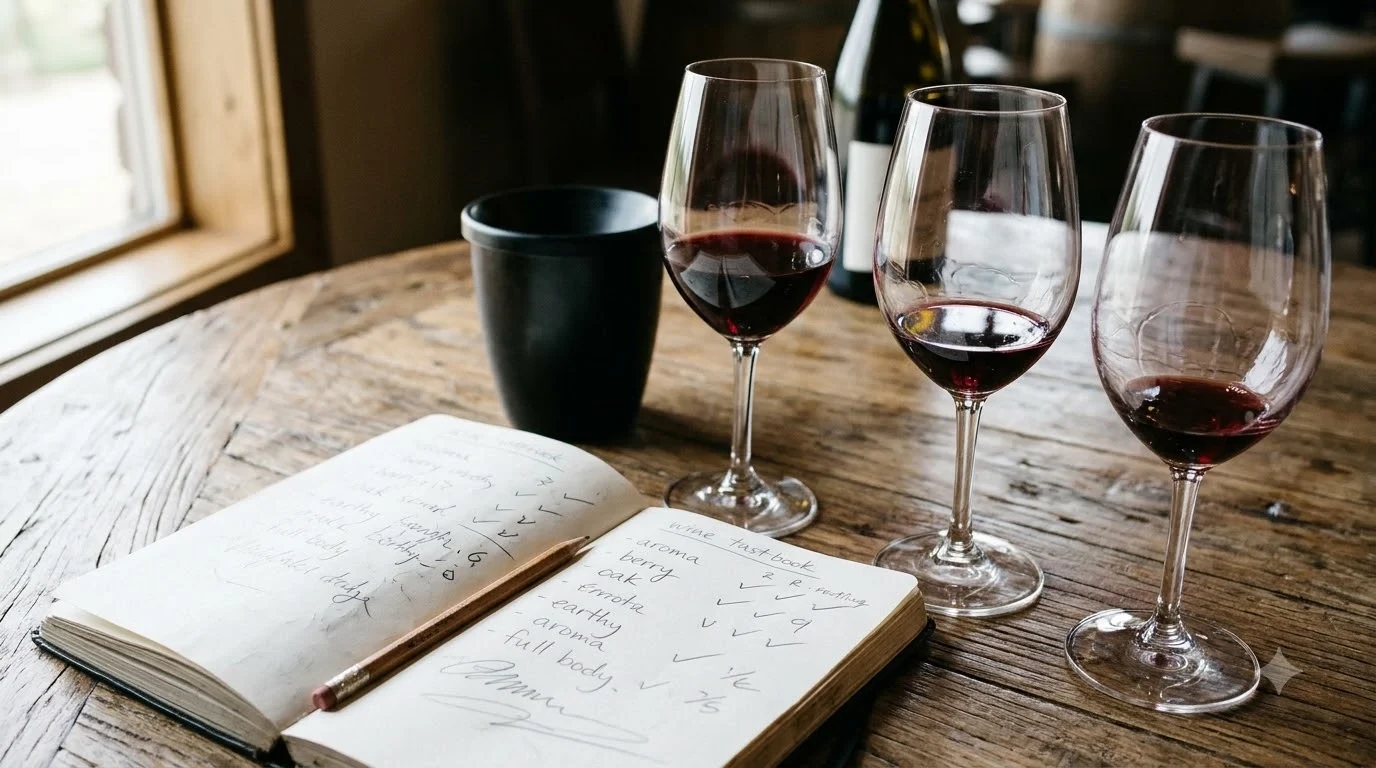
When comparing two wines, use the same tasting method for each. Examine the color, smell the wine before tasting, take a small sip, and consider its acidity, body, tannin, fruit character, and finish. Notice whether the wine changes as it sits in the glass for several minutes.
A standard tasting pour is approximately 5 ounces, and a 750-milliliter bottle contains about five such glasses. Tasting-room pours may be smaller, particularly when several wines are included in a flight. Spitting is perfectly acceptable during a formal tasting and makes it easier to assess more wines without consuming every sample.
Take short notes about vineyard names, grape varieties, and winemaking methods. If you particularly enjoy one Pinot Noir, record whether it came from Annapolis, Fort Ross, Freestone, or another named site. Those details can make future bottle selections much more rewarding.
Buying, Storing, and Enjoying Sonoma Coast Wines
Choosing bottles after a tasting is easier when you understand the differences between regional blends and vineyard-designated wines. Sonoma Coast bottlings provide a broad introduction, while smaller geographical designations and vineyard names offer more specific information about where the grapes were grown.
For Pinot Noir, consider whether you prefer bright red fruit, earthy complexity, or a richer style with more oak influence. A bottle from a particularly cool coastal vineyard may emphasize acidity and delicate fruit, while a warmer or more sheltered site may produce fuller flavors. Neither approach is automatically superior; the important consideration is matching the style to your preferences.
Chardonnay buyers should pay attention to the balance between fruit, acidity, and oak. If you enjoy citrus and crisp apple, look for examples with restrained oak treatment. If you prefer a richer texture, explore wines that have undergone barrel fermentation or malolactic fermentation.
Syrah offers another option for buyers who enjoy darker fruit and savory flavors. Compare coastal examples with those from warmer Sonoma County areas to understand how growing conditions influence ripeness, alcohol, and tannin.
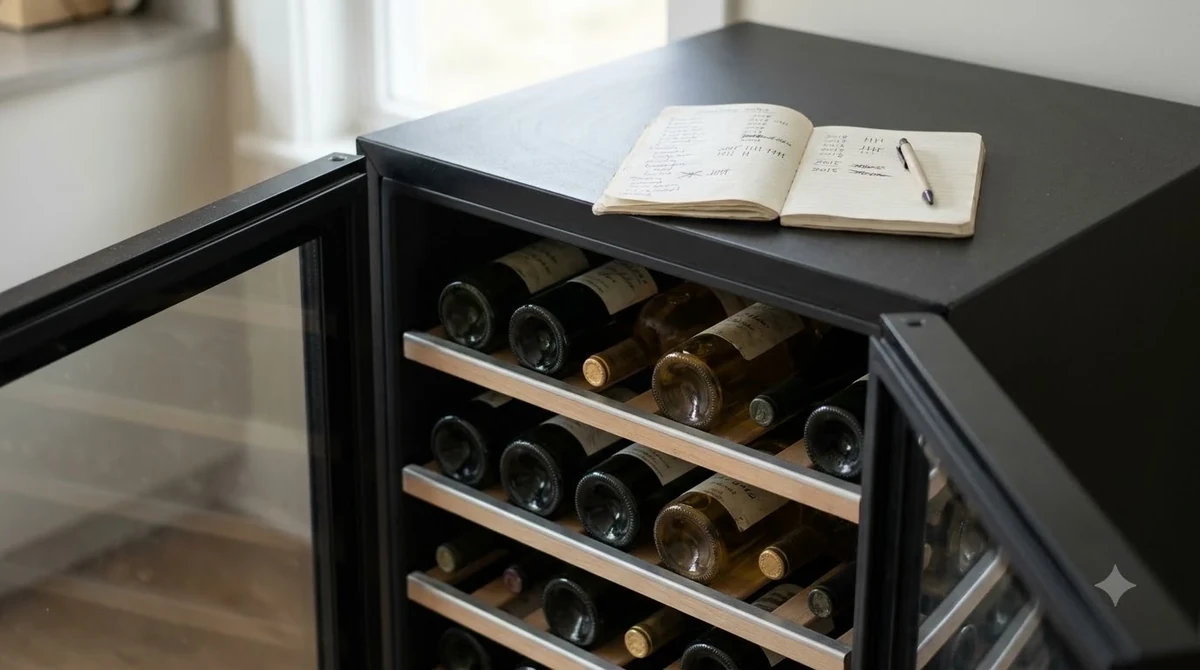
Storage conditions are important for preserving wine quality. Keep unopened bottles in a cool, dark place near 55 F, with minimal temperature fluctuations. Bottles sealed with natural cork are generally stored on their sides to keep the cork from drying out. Avoid locations exposed to direct sunlight, strong vibration, or repeated heating and cooling.
Once opened, most still wines remain enjoyable for approximately three to five days when refrigerated and properly sealed. Sparkling wines generally retain their best qualities for one to three days with an appropriate sparkling-wine stopper. These are practical guidelines rather than guarantees, since wine condition and storage methods vary.
Young, full-bodied red wines may benefit from 30-60 minutes of decanting before serving. Most delicate Pinot Noir does not require extended aeration, although a short period in a decanter can help some bottles open up. Older bottles should be handled more carefully because extended exposure to oxygen can reduce their freshness.
Sonoma Coast wines are also useful for comparing vintages and producers. When purchasing several bottles, consider selecting the same grape from different vineyards or the same producer from different years. This approach provides a better understanding of how site conditions and seasonal differences influence the finished wine.
Above all, use tasting-room visits as an opportunity to discover the styles you enjoy rather than concentrating exclusively on famous labels. The region’s diversity means that smaller producers and less familiar vineyard names can offer particularly interesting discoveries.
Frequently Asked Questions
Is Sonoma Coast wine tasting suitable for beginners?
Yes. Pinot Noir and Chardonnay provide accessible introductions because their fruit, acidity, and texture are relatively easy to compare. Many tasting rooms also offer guided flights that explain grape varieties, vineyard origins, and winemaking choices. Visitors can ask for a flight arranged from lighter to fuller-bodied wines.
Is Sonoma Coast the same as West Sonoma Coast?
No. Sonoma Coast is the broader AVA established in 1987, while West Sonoma Coast is a separate, more geographically specific AVA established in 2022. The West Sonoma Coast designation identifies a collection of particularly cool, western coastal growing areas. Fort Ross-Seaview, Annapolis, and Freestone-Occidental are important geographical components of this designation.
Can visitors taste Sonoma Coast wines without driving to the ocean?
Yes. Many producers grow grapes on coastal vineyards but operate their wineries and tasting rooms farther inland. Sebastopol and Healdsburg are examples of towns where visitors can find producers offering wines from coastal vineyard sites. This arrangement allows wineries to process grapes closer to their production facilities while maintaining relationships with remote vineyards.
What is the difference between a vineyard-designated Pinot Noir and a regional bottling?
A vineyard-designated Pinot Noir identifies a particular vineyard as the source of its grapes, whereas a regional bottling can combine fruit from multiple locations. A vineyard designation provides a more specific indication of grape origin and can help collectors compare individual sites across different vintages. Single-vineyard wines can also reveal differences in slope orientation, elevation, and vineyard management.
Does Sonoma Coast produce sparkling wine?
Yes. Pinot Noir and Chardonnay grown in cool coastal conditions can also contribute to sparkling wine production. Blanc de Blancs is made from white grapes, typically Chardonnay, while Blanc de Noirs is produced from red grapes such as Pinot Noir. Traditional-method sparkling wines undergo their second fermentation in the bottle.
Sonoma Coast wine tasting offers a rewarding introduction to California’s cool-climate wine culture, with distinctive Pinot Noir, Chardonnay, and Syrah shaped by ocean air, elevation, and vineyard diversity. Whether visiting Sebastopol, Bodega Bay, Fort Ross, or Annapolis, plan a focused itinerary and allow time to compare individual vineyard expressions. The most memorable discoveries often come from understanding the connection between a wine’s origin, its growing conditions, and the style in your glass.
More in Wine Regions
 Willcox Wine Trail: Discover Arizona’s High-Elevation Wine CountryUpdated Nov 20, 2026
 Yakima Valley Wine Region: Find the Best Styles to TryUpdated Nov 20, 2026
 Vosne Romanee Wine Tasting: Identify Aromas and Choose Better PairingsUpdated Nov 20, 2026
 Yakima Valley Wine Festival: Find the Best Seasonal Wine EventsUpdated Nov 20, 2026
 Wales Vineyards: Discover Cool-Climate Wines and Where to VisitUpdated Nov 20, 2026
 Yountville Wine Festival: Discover Napa Wines and Local FoodUpdated Nov 20, 2026