

We may earn a commission when you buy through links on this page, at no extra cost to you. Learn more.
central coast wine tasting is best approached as a region-by-region exploration of California’s Pacific corridor, from cool-climate Monterey and Santa Barbara to the warmer red-wine country around Paso Robles. The area is broad rather than uniform, so a focused visit works better than trying to cover every county in one trip. Choose one cluster of tasting rooms and allow time to connect the wine with the landscape.
California’s Central Coast offers crisp Chardonnay and Pinot Noir near the water, structured Cabernet Sauvignon and Rhône-style reds farther inland, and smaller pockets where other grapes thrive. The best itinerary is not the one with the most stops; it is the one that leaves time to compare wines, eat well, and enjoy the scenery.
Understanding the Central Coast’s Scale and Wine Labels
The Central Coast is a large American Viticultural Area (AVA), not one town or compact tasting district. Wine Enthusiast describes it as a 250-mile corridor from San Francisco Bay to Santa Barbara County, responsible for about 15 percent of California wine production.
The corridor includes Monterey, the Santa Lucia Highlands, Paso Robles, San Luis Obispo County, and Santa Barbara County. Coastal sites receive fog and cooling breezes; inland areas have hotter afternoons that help Cabernet Sauvignon, Zinfandel, and Rhône varieties ripen. A broad Central Coast label can cover a different style from a specific AVA designation.
Compare place names on the bottle: Monterey, Santa Lucia Highlands, Edna Valley, Paso Robles, Santa Maria Valley, and Sta. Rita Hills identify more specific origins. For a refresher on American Viticultural Areas and regional labels, see our guide to Wine Regions. Grape, vintage, producer, and vineyard site add further detail.
| Area | Reported regional figures | What the numbers tell visitors |
|---|---|---|
| Paso Robles | More than 40,000 vineyard acres; 200-plus wineries | A large area with several tasting-room clusters |
| Santa Maria Valley | About 7,500 vineyard acres; 16 vineyards on a 30-mile Foxen Canyon Wine Trail | A defined route for comparing local styles |
| Santa Barbara County | 265-plus wineries; 7 AVAs; more than 75 grape varieties | A wide selection of producers and wine styles |
| San Luis Obispo wine trail | About 50 wineries over roughly 70 miles of Highway 101 | A corridor best divided into smaller outings |
These figures describe different geographic units, not a direct ranking: Paso Robles is an appellation, Santa Maria’s acreage belongs to one AVA, and the Santa Barbara totals cover a county. Choose a base and visit nearby tasting rooms rather than driving the entire Central Coast in one day.
Monterey and the Santa Lucia Highlands: Cool-Climate Wines
Monterey is a strong choice for visitors who prefer bright acidity, coastal freshness, Chardonnay, and Pinot Noir. The county has nine distinct AVAs and about 38,500 vineyard acres, with the Salinas Valley and Santa Lucia mountain range creating varied exposures and growing conditions.
The Monterey AVA is large and diverse, so a more specific origin matters. Cooler northern areas receive ocean air and fog that help preserve acidity in Chardonnay, Riesling, and Pinot Noir. Farther south and inland, warmer conditions support Cabernet Sauvignon, Merlot, Syrah, Petite Sirah, and Zinfandel. Compare a coastal white with a fuller red from a warmer site, then ask where the fruit was grown.
The Santa Lucia Highlands is especially associated with Pinot Noir and Chardonnay. Vineyards sit on terraces above the Salinas Valley, where morning fog and afternoon winds from Monterey Bay help extend the growing season. River Road and the Monterey Wine Trail connect vineyard estates and tasting rooms, while Carmel Valley offers hillside vineyards and warmer sites above the fog line.
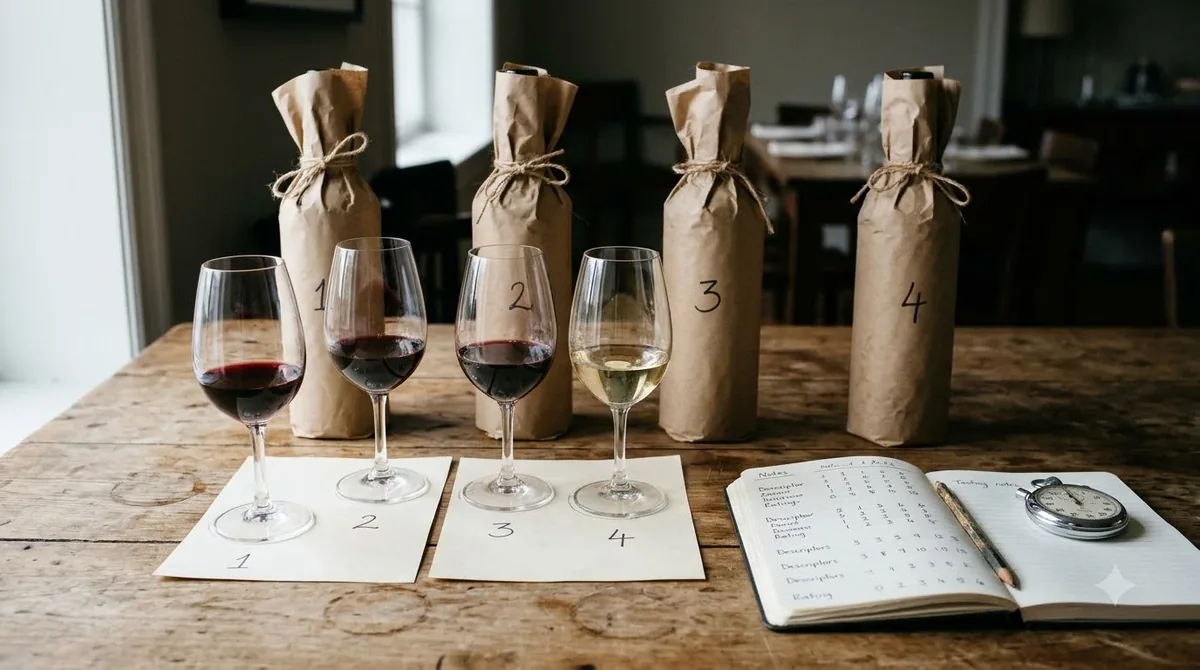
For a focused flight, compare leaner Chardonnay with a barrel-fermented version, then taste Pinot Noir from two sites. Note red-fruit character, acidity, and tannin. If you enjoy cool-climate Pinot Noir from Sonoma, a Sonoma Coast wine tasting comparison can clarify what Monterey’s fog and wind contribute.
Paso Robles: Rhône Varieties, Cabernet, and Zinfandel
Paso Robles provides a warmer, broader style, with more than 40,000 vineyard acres, over 200 wineries, and more than 60 grape varieties. Its long growing season and marked day-to-night temperature swings help develop ripe fruit while retaining freshness.
The Paso Robles AVA lies inland from the Santa Lucia coastal mountains in northern San Luis Obispo County. The Paso Robles Wine Country Alliance describes an appellation about 35 miles east to west and 25 miles north to south, with its western boundary roughly six miles from the Pacific. Rolling hills, canyons, river bottoms, and mountain slopes create varied exposures. More than 30 soil series occur in the AVA, including weathered granite, volcanic material, and marine sedimentary formations.
Syrah, Grenache, Mourvèdre, and other Rhône grapes are natural choices for a first flight, especially when comparing a single-variety wine with a GSM-style blend. Cabernet Sauvignon and Zinfandel are also important, alongside Merlot, Viognier, and Roussanne. Try a white Rhône variety such as Viognier or Roussanne first, move to Grenache or a blend, and finish with Syrah or Cabernet Sauvignon so richer reds do not overwhelm lighter wines.
Subdistricts help explain variation. The Paso Robles AVA includes named areas such as Adelaida, Templeton Gap, and Willow Creek, with differences in elevation, slopes, and soils. Ask whether a wine comes from a western hillside, an inland valley, or a named district. The alliance’s geography and climate overview explains the area’s topography and soil diversity. For another warm-climate comparison, see Willcox wine tasting in Arizona; different grapes and climates still make elevation, temperature swings, and vineyard origin useful points of comparison.
San Luis Obispo County: Edna Valley and the Coastal AVAs
San Luis Obispo County bridges the cooler coastal styles farther north and Paso Robles’ warmer inland wines. Edna Valley, Arroyo Grande Valley, and the SLO Coast area bring ocean influence into the glass, with Chardonnay and Pinot Noir important in cooler sites.
Edna Valley’s coastal setting favors fresh acidity and clear fruit. Chardonnay may show citrus and orchard fruit, with restrained oak; Pinot Noir can lean toward red cherry, cranberry, and savory notes. These grapes are useful for comparing vintages and producers because both varieties reveal site and winemaking choices without relying on heavy tannin.
Arroyo Grande Valley and the wider SLO Coast add variation in exposure, elevation, and distance from the water. Ask whether a wine comes from a cool, marine-facing vineyard or a warmer inland location. The SLO Sustainable Wine Trail links about 50 wineries along roughly 70 miles of Highway 101 through the San Luis Obispo and Paso Robles areas, so choose one section instead of treating the whole corridor as a compact district.
For a comparison flight, taste Edna Valley Chardonnay beside Santa Maria Valley Chardonnay, then compare coastal Pinot Noir with a bottle from a warmer site. Notice acidity, fruit ripeness, body, and oak. Brisk whites work well with seafood, salads with vinaigrette, and goat cheese; richer Chardonnay can suit roast chicken or creamy dishes.
Santa Barbara County: Seven AVAs and a Wide Range of Styles
Santa Barbara County is one of the Central Coast’s most varied areas because its valleys run east to west, allowing cool Pacific air to move inland. The county has 7 AVAs, more than 265 wineries, and more than 75 grape varieties, with Chardonnay, Pinot Noir, and Syrah among the leading plantings.
Santa Maria Valley, at the county’s northern end, is known for cool-climate Chardonnay and Pinot Noir, with Syrah and Pinot Blanc also represented. Its foggy, windy conditions and varied soils help preserve freshness. The Foxen Canyon Wine Trail connects Santa Maria Valley with Los Olivos along a 30-mile road and includes 16 vineyards, making it a natural choice for a route-based day.
Farther south, the Santa Ynez Valley runs from the cool coast toward warmer inland areas. The western end suits Pinot Noir, while Cabernet Sauvignon and Merlot do better in warmer eastern sites; Rhône grapes such as Syrah, Grenache, Mourvèdre, Roussanne, and Viognier also thrive there. This east-west gradient makes Santa Barbara a good place to taste related grapes across different microclimates.
How the Santa Barbara AVAs differ
The seven AVAs are Santa Maria Valley, Santa Ynez Valley, Sta. Rita Hills, Ballard Canyon, Los Olivos District, Happy Canyon of Santa Barbara, and Alisos Canyon. Sta. Rita Hills is a useful focus for cool-climate Pinot Noir and Chardonnay; Ballard Canyon is associated with Syrah; and warmer Happy Canyon supports Bordeaux varieties such as Cabernet Sauvignon and Sauvignon Blanc. Los Olivos District and Alisos Canyon add further variety to the county’s map.
Santa Barbara offers vineyard-focused tasting rooms around Buellton, Los Olivos, Lompoc, and Santa Maria, as well as an urban option in the city’s Funk Zone, where tasting rooms sit near galleries and restaurants. City tasting rooms suit a shorter outing; a vineyard itinerary takes more planning but gives a clearer view of the county’s geography.
Planning a Better Tasting Day: Pacing, Service, and Food
A good tasting day is built around a few well-chosen stops, not a race to visit as many rooms as possible. Two or three appointments in one cluster leave time to ask questions, eat, compare notes, and enjoy the scenery.
Choose a theme before you book: coastal Chardonnay, Pinot Noir across AVAs, Rhône blends in Paso Robles, or western versus eastern Santa Ynez Valley. Confirm tasting hours, reservation rules, group limits, outdoor seating, and food options. Some rooms welcome walk-ins; others use appointments or seated flights. Tasting fees and formats vary, so confirm details before setting out.
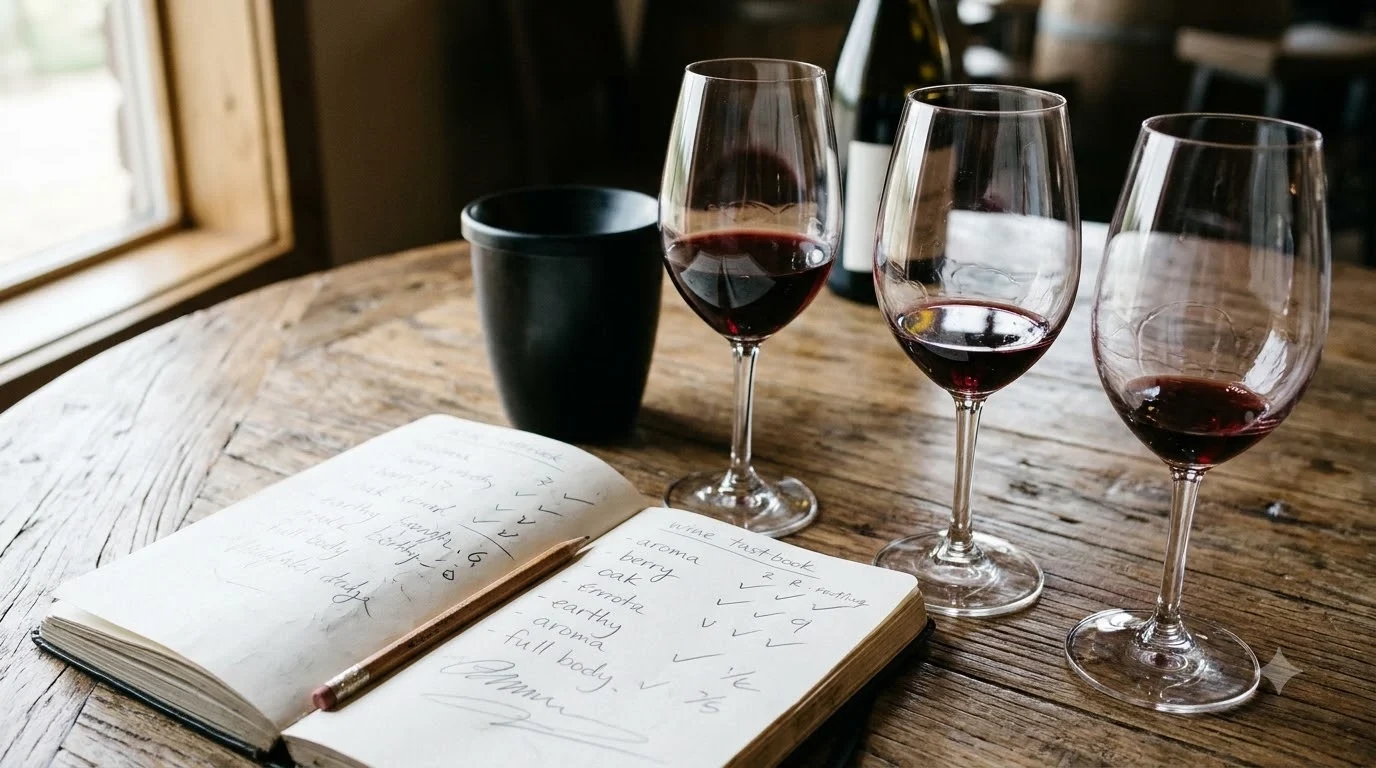
For each wine, note the grape, AVA, vintage, alcohol level, and use of stainless steel or oak. Smell first, then consider acidity, tannin, body, fruit, and finish; simple notes such as crisp or broad, light or full, and soft or structured are enough. Ask how afternoon wind affects ripening or why the winemaker chose neutral oak. Keep pours moderate and alternate wine with water and food: a standard pour is about 5 ounces, and a 750-milliliter bottle holds roughly five such glasses. Use a dump bucket and arrange a designated driver or tour service rather than driving after drinking.
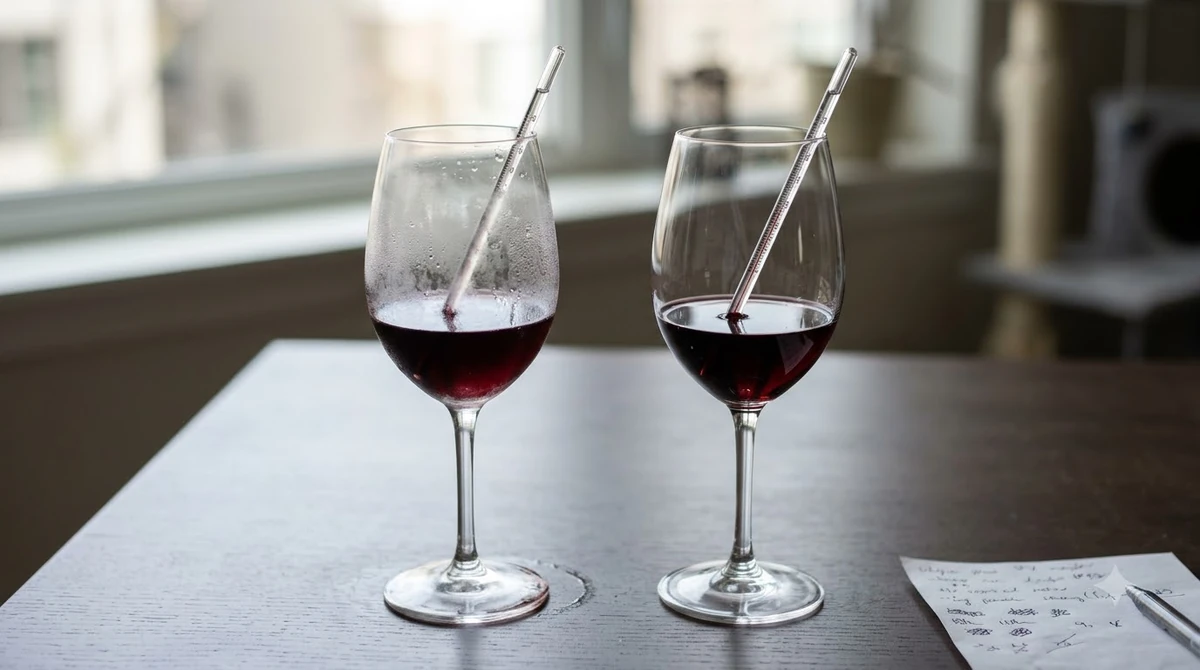
Temperature and food change how a wine feels. Serve sparkling at 40–50°F, light whites and rosé at 45–50°F, fuller whites at 50–55°F, light reds at 55–60°F, and fuller reds at 60–65°F. Salty or fatty foods soften tannin in Cabernet Sauvignon or Syrah; acidic dishes need wine with equal or higher acidity, and dessert wine should be at least as sweet as the dessert. Chili heat can feel stronger beside high-alcohol or tannic wines, while oily fish can clash with tannic reds. Try Santa Maria-style tri-tip with a medium- to full-bodied red, grilled vegetables with a coastal white, or seafood with bright Chardonnay or Sauvignon Blanc. Plan around geography: Foxen Canyon is 30 miles, the SLO corridor spans roughly 70 miles, and Paso Robles covers a broad area, so choose one base and leave time between appointments.
Tip: Before leaving a tasting room, write down the wine name, vintage, AVA, and one memorable flavor or texture. That note makes it easier to compare bottles and remember which producer you want to revisit.
Frequently Asked Questions
Santa Barbara County has 7 AVAs and a 30-mile Foxen Canyon Wine Trail, so travel and timing matter as much as the tasting list. Use these details to choose a season and arrange a visit, then confirm plans directly with each winery.
Do large groups need reservations at Central Coast wineries?
Many Santa Barbara County wineries require reservations for groups of six or eight people and larger, depending on the property. Some also offer dedicated vineyard or production tours by advance reservation. Contact each stop before building a group itinerary so the tasting format and arrival time are clear.
How far are Santa Barbara’s vineyards from the city?
The Santa Barbara Vintners Association estimates about a 45-minute drive over the Santa Ynez Mountains to reach valley vineyards by Route 154 or Highway 101. Santa Maria Valley is a little over an hour from the city, while Lompoc is about 20 minutes east of Buellton. City tasting rooms are a practical alternative when a longer vineyard drive does not fit the day.
What is happening in the vineyards during winter?
January and February are dormant-season months in Santa Barbara County, when vineyard crews prune the vines. The rows can look bare, but winter is an important stage in preparing vines for the next growing cycle. Visitors interested in vineyard work may enjoy seeing how much winegrowing happens before spring growth begins.
When is harvest season on the Central Coast?
In Santa Maria Valley, August and September are highlighted as peak months for grape harvesting and winemaking activity. Timing varies by grape, site, and weather, so early-ripening varieties may be picked before later ones. Harvest visits can be lively, but winery schedules may be affected by production demands.
Are Central Coast tasting rooms open on major holidays?
Santa Barbara County Vintners notes that wineries are generally closed on Thanksgiving Day, Christmas Day, New Year’s Day, and Easter Sunday. Hours at individual tasting rooms can differ around holiday weekends as well. Contact the specific winery before making a special trip.
Central Coast wine tasting is most rewarding when you choose a clear regional focus and give each stop enough time to tell its story. Whether the day centers on Monterey Pinot Noir, Paso Robles Rhône blends, or Santa Barbara County AVAs, the wines make more sense when connected to the coast, hills, and valleys where the grapes grew.
More in Wine Regions
 Willcox Wine Trail: Discover Arizona’s High-Elevation Wine CountryUpdated Nov 20, 2026
 Yakima Valley Wine Region: Find the Best Styles to TryUpdated Nov 20, 2026
 Vosne Romanee Wine Tasting: Identify Aromas and Choose Better PairingsUpdated Nov 20, 2026
 Yakima Valley Wine Festival: Find the Best Seasonal Wine EventsUpdated Nov 20, 2026
 Wales Vineyards: Discover Cool-Climate Wines and Where to VisitUpdated Nov 20, 2026
 Yountville Wine Festival: Discover Napa Wines and Local FoodUpdated Nov 20, 2026