

We may earn a commission when you buy through links on this page, at no extra cost to you. Learn more.
Sonoma Coast wine comes from a cool, wet stretch of Sonoma County that runs from the Pacific shoreline inland toward San Pablo Bay. The American Viticultural Area was established in 1987 and covers a wide range of microclimates, so vineyards can sit a few miles apart and still produce very different wines. The region is best known for cool-climate Pinot Noir and Chardonnay, though many other grapes are planted there too.
This guide covers where the Sonoma Coast is, how its cool climate and rainfall shape the vines, which grapes do well there, and how to choose and serve a bottle. It is written for readers who know a little about wine and want a clear picture of this California region.
Where the Sonoma Coast wine region is
The Sonoma Coast AVA lies inside Sonoma County in California. It covers mostly the Pacific coastline and extends inland from San Pablo Bay to the Mendocino County border. Towns in or partly inside the appellation include Cotati, Fort Ross, Petaluma, Rohnert Park, and Sebastopol, along with parts of Healdsburg, Santa Rosa, and Sonoma.
The appellation is large. It covers roughly 480,000 acres, but only a small share of that land is planted, which means the region still has plenty of open ground. The Petaluma Gap is included within its borders, and the area is often discussed alongside neighboring appellations such as Russian River Valley and Sonoma Valley.
Climate and terroir along the coast
The defining feature of the region is its cool climate combined with relatively high rainfall compared with other parts of Sonoma County. The appellation contains a wide range of microclimates, and that variety is one reason producers describe it as a patchwork rather than a single uniform zone.
Vineyards closer to the ocean tend to experience cooler days and longer growing seasons, while sites further inland can be warmer and drier. The plant hardiness zones in the area run from 9a to 10b, which is mild enough for a wide range of grapes but still cool enough to slow ripening. That slower pace is what gives many Sonoma Coast wines their bright acidity and aromatic lift.
Because the ocean moderates the air, growers can usually count on cooler nights even in warm months. That steady temperature helps preserve the freshness that cool-climate wines are known for, and it is the main reason the coast suits grapes that struggle in hotter spots.
Grapes grown on the Sonoma Coast
The region supports a long list of varieties. The main grapes include Pinot Noir, Chardonnay, Pinot Gris, Sauvignon Blanc, Gewürztraminer, Viognier, Syrah, Zinfandel, Merlot, and both Cabernet Sauvignon and Cabernet Franc. Pinot Noir and Chardonnay tend to get the most attention because the cool conditions suit their slow, even ripening.
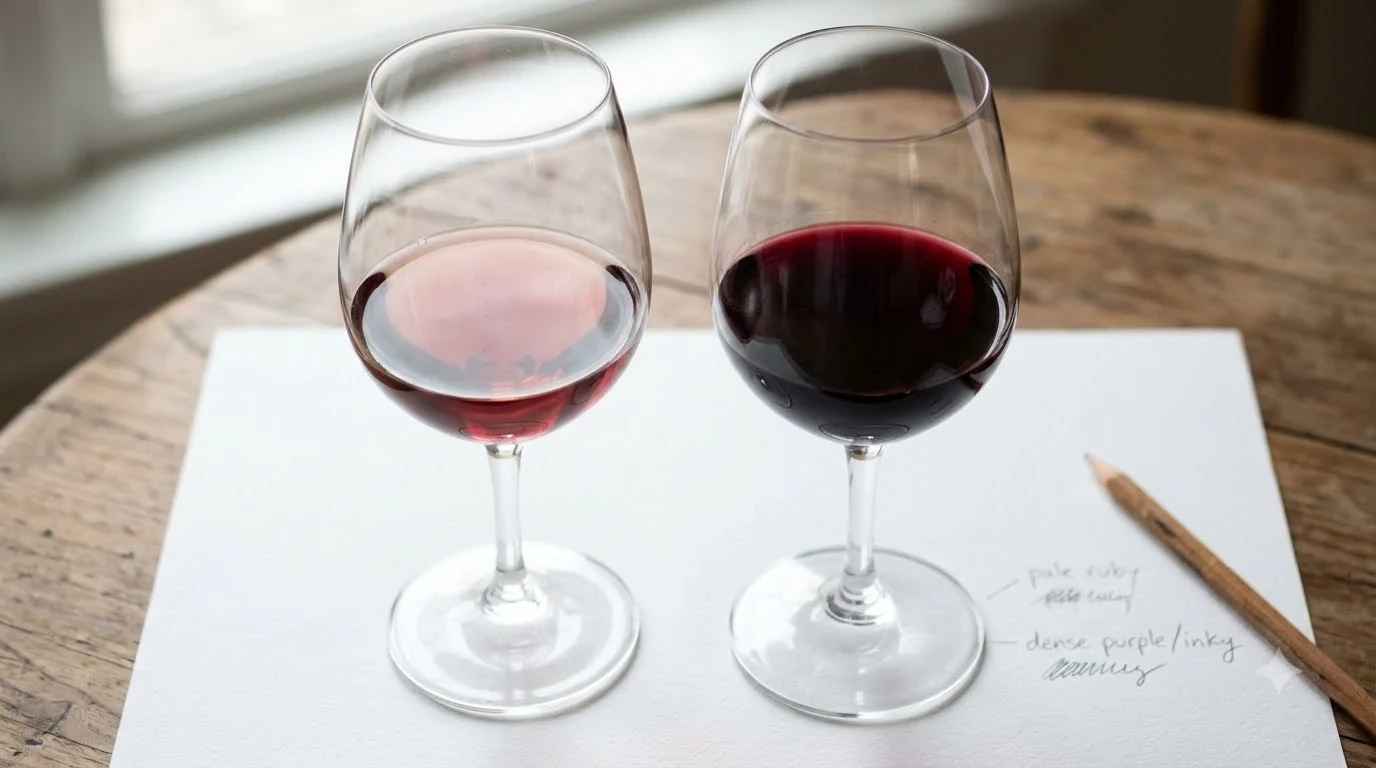
Pinot Noir from cool sites is generally lighter in color than warm-climate versions and shows red fruit, earth, and spice. Wine Folly’s Pinot Noir profile describes the variety as preferring “intermediate climates with long, cool growing seasons,” which describes the Sonoma Coast well. Chardonnay from the same sites can carry crisp orchard fruit and a fresh finish, depending on how much oak the winemaker uses.
Growers often choose their rootstocks, clones, and planting density with the coast in mind, so the vines can ripen slowly and keep their natural acidity. That attention to detail is one reason the region’s better producers can offer wines with a clear sense of place at a wide range of styles.
| Style | Typical grapes | What to expect |
|---|---|---|
| Cool-climate red | Pinot Noir | Red fruit, earthy notes, bright acidity |
| Fresh white | Chardonnay, Sauvignon Blanc | Crisp fruit, lively acidity, fresh finish |
| Aromatic white | Gewürztraminer, Viognier | Floral aromas, stone fruit, richer texture |
| Structured red | Syrah, Zinfandel, Cabernet Franc | Darker fruit, spice, firmer tannin |
History of the appellation
Winemaking on the Sonoma Coast has a long history. Russian settlers may have planted Vitis vinifera vines near Fort Ross as early as 1817, and the vines were reported bearing fruit in 1823. By the 1880s, wine was being made commercially in several western Sonoma County locations. Phylloxera and Prohibition later wiped out most of the industry, and the region had to rebuild.
The modern appellation was established on June 10, 1987, according to the Sonoma Coast AVA entry, and the area has since added subregions of its own. Fort Ross-Seaview was recognized in December 2011, and West Sonoma Coast was established in 2023. Those additions show how producers keep refining the way they describe their sites.
How to serve and pair Sonoma Coast wine
Pinot Noir from the coast is usually best served slightly cooler than room temperature. Wine Folly suggests serving it at 55 to 60 degrees Fahrenheit in an aroma collector glass, and notes that many young bottles benefit from about 30 minutes of decanting. The same source says most bottles evolve over five to ten years, which is useful if you have a bottle you want to age.
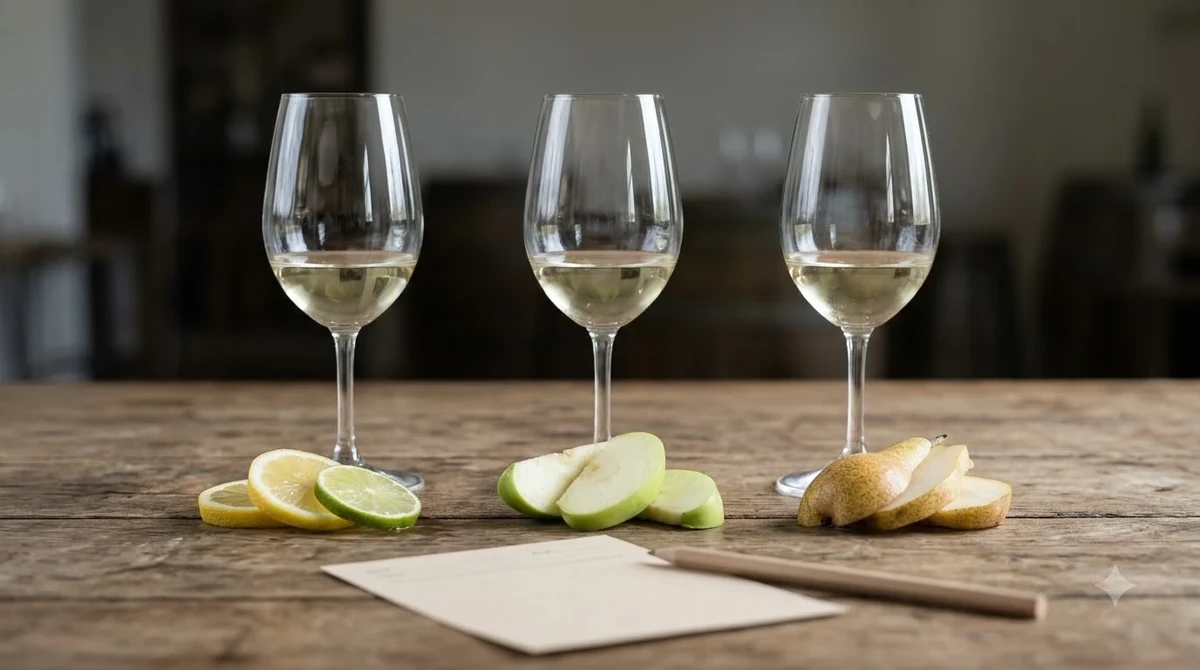
The region’s food matches are broad. Pinot Noir is versatile enough for salmon and rich enough for duck, and it works well with earthy dishes built around mushrooms. Chardonnay with a clean, lightly oaked style pairs with roast chicken, creamy pasta, and fresh seafood. A crisp Sauvignon Blanc from the coast is a natural partner for goat cheese and herbs.
How to choose a bottle from the coast
Read the label for the appellation. If it says Sonoma Coast, the grapes came from the coast, and the producer has chosen to highlight the region. Many wineries also name the vineyard or subregion, such as Fort Ross-Seaview or Petaluma Gap, which can help you find a style you like.
Think about the grape first and the style second. A bottle of Pinot Noir from the coast will taste different from one made in a warmer part of Sonoma County, and it can be a good choice if you prefer lighter, more aromatic reds. Producers often describe the coastal style as more restrained than the riper wines of inland valleys. If you want a bolder, richer wine, a Syrah or Cabernet Franc from the region may suit you better. Asking a shop or tasting room staff member about the vineyard site is also a good way to narrow your choice.
For a bigger comparison, the Douro region of Portugal offers a very different set of reds shaped by its own hot, dry landscape. You can read a full overview in our Douro wine guide, and find more regional background in the Wine Regions section.
Frequently Asked Questions
Where is the Sonoma Coast wine region?
The Sonoma Coast AVA is in Sonoma County, California. It covers mostly the Pacific coastline and extends inland from San Pablo Bay to the Mendocino County border.
What is the best grape to try from the Sonoma Coast?
Pinot Noir and Chardonnay are the region’s signature grapes, because the cool, long growing season suits their slow ripening. Pinot Noir is a good starting point if you like lighter, aromatic reds.
Why is the Sonoma Coast so cool?
The appellation sits along the Pacific coast and has a cool climate with relatively high rainfall compared with other parts of Sonoma County. Its microclimates vary, but many vineyards get a long, cool growing season.
When was the Sonoma Coast appellation established?
The Sonoma Coast AVA was established on June 10, 1987. It has since gained subregions, including Fort Ross-Seaview, recognized in 2011, and West Sonoma Coast, established in 2023.
Sonoma Coast wine rewards a slow, curious approach. Start with a Pinot Noir or Chardonnay, pay attention to how the cool-climate freshness shows up in the glass, and then compare a few bottles from different subregions. Each one tells you a little more about how the coastline shapes what ends up in the bottle.
More in Wine Regions
 Willcox Wine Trail: Discover Arizona’s High-Elevation Wine CountryUpdated Nov 20, 2026
 Yakima Valley Wine Region: Find the Best Styles to TryUpdated Nov 20, 2026
 Vosne Romanee Wine Tasting: Identify Aromas and Choose Better PairingsUpdated Nov 20, 2026
 Yakima Valley Wine Festival: Find the Best Seasonal Wine EventsUpdated Nov 20, 2026
 Wales Vineyards: Discover Cool-Climate Wines and Where to VisitUpdated Nov 20, 2026
 Yountville Wine Festival: Discover Napa Wines and Local FoodUpdated Nov 20, 2026