

We may earn a commission when you buy through links on this page, at no extra cost to you. Learn more.
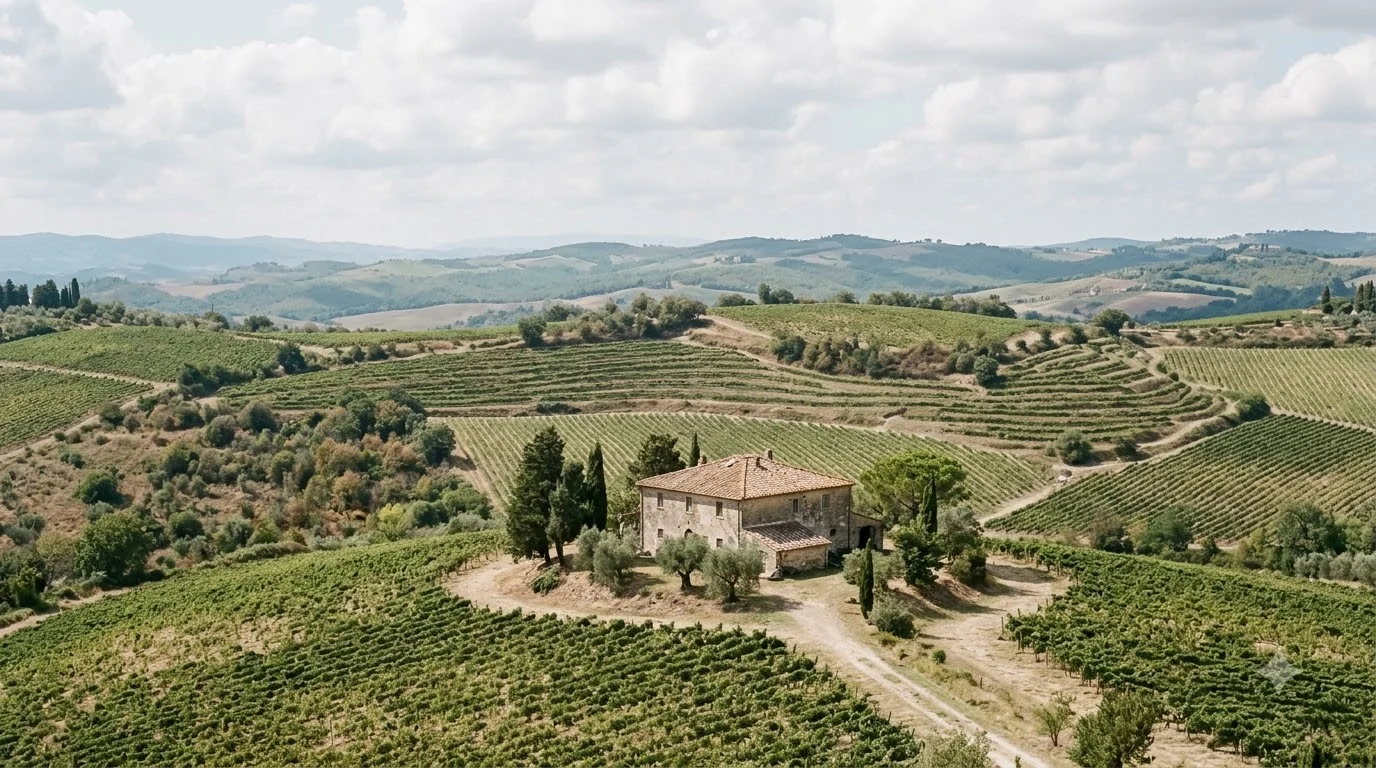
The switzerland wine region is divided into six distinct areas, each shaped by its climate, landscape, and signature grapes. Valais and Vaud lead the country’s production, while Ticino is known for Merlot and German-speaking Switzerland for Pinot Noir. Chasselas, Pinot Noir, Gamay, and Merlot together account for about two-thirds of Swiss vineyard area.
Swiss wine is often harder to find abroad than its French, Italian, or Spanish neighbors, but the country offers a remarkably varied collection of bottles in a compact area. This overview explains the six regions, their defining grapes, common Swiss wine names, and what to serve with the wines once you find them.
Six Regions, One Compact Wine Country
Switzerland groups its vineyards into six wine regions: Valais, Vaud, Geneva, Ticino, the Three Lakes, and German-speaking Switzerland. Across 26 cantons, more than 2,500 winegrowers cultivate about 14,569 hectares and produce close to 100 million liters of wine a year, according to Swiss Wine Promotion.
The six-region system is a useful starting point, not a claim that every vineyard shares the same conditions. The Alps, the Jura, Lake Geneva, Lake Neuchâtel, and the southern slopes toward Italy create sharp differences in exposure, rainfall, elevation, and growing season. Even neighboring villages can produce different expressions of the same grape, which is why local place names matter. The figures below show the approximate share of national vineyard surface assigned to each region by Swiss Wine Promotion; percentages are rounded.
| Wine region | Approx. share of vineyard area | Grapes to recognize |
|---|---|---|
| Valais | 32% | Pinot Noir, Chasselas, Petite Arvine, Cornalin |
| Vaud | 26% | Chasselas, Pinot Noir, Gamay |
| German-speaking Switzerland | 18% | Pinot Noir, Müller-Thurgau, Räuschling |
| Geneva | 9% | Gamay, Chasselas, Pinot Noir |
| Ticino | 8% | Merlot, Chardonnay |
| Three Lakes | 6% | Pinot Noir, Chasselas, Chardonnay |
Swiss Wine Promotion records 62 wine AOCs within the country’s 26 cantons. AOC is the French abbreviation for protected designation of origin; on a Swiss label, it connects a wine with a defined place and local production rules. The regional rules and permitted grapes are not identical everywhere, so a bottle’s origin can tell you as much as its grape name. The scale of the industry also helps explain why many Swiss wines remain unfamiliar abroad: Switzerland’s domestic market absorbs most production, and Switzerland Tourism says only about 1% is exported.
Valais and Vaud: Alpine Slopes and Lake Geneva
Valais is the largest Swiss wine region, accounting for almost one-third of the country’s vineyard surface, while Vaud is the best-known home of Chasselas. Their contrasting landscapes offer a useful introduction to Swiss wine: sunny, steep Rhône Valley sites in Valais and lake-influenced terraces and hillsides in Vaud.
Valais follows the upper Rhône through a long, dry Alpine valley. Swiss Wine Promotion describes about 650 millimeters of annual rainfall and roughly 2,500 hours of sunshine, conditions that help late-ripening grapes mature. Vineyards climb to around 1,100 meters at Visperterminen, and terraces are common where slopes are too steep for broad plantings. The region represents about 32% of Swiss vineyard area and has 55 grape varieties in cultivation. Start with Fendant, the Valais name for Chasselas, for an understated white with floral, citrus, or mineral notes. Petite Arvine is more distinctive and often combines lively acidity with grapefruit, floral character, and a saline finish; Heida, also called Païen and made from Savagnin Blanc, can offer citrus and ripe-fruit aromas with more body. For reds, look for Cornalin and Humagne Rouge alongside Pinot Noir and Syrah.
Vaud lies around Lake Geneva and extends toward Lake Neuchâtel. It covers more than 3,782 hectares, with Chasselas making up about 59% of its plantings and white grapes accounting for roughly 65% of vineyard surface, according to Swiss Wine Promotion. Village names such as Féchy, Yvorne, and Dézaley can be more prominent than the grape name because local identity is central to the region’s labeling tradition. Lavaux is Vaud’s dramatic, terraced lakeside zone between Lausanne and Montreux. Its approximately 800 hectares of vineyards have been listed as a UNESCO World Heritage Site since 2007. Reflected lake light and warmth stored by dry-stone walls contribute to a distinctive growing environment; Chasselas from Lavaux often emphasizes freshness, subtle fruit, and a stony impression. For another Alpine wine culture across the French border, the Savoie wine region offers a useful comparison, though its grapes and appellations differ.
Geneva, Three Lakes, and German-Speaking Switzerland
The other three regions show how much variety fits within Switzerland’s borders. Geneva combines urban and rural vineyards, the Three Lakes region is known for Pinot Noir and a distinctive rosé, and German-speaking Switzerland is strongly associated with Pinot Noir and Müller-Thurgau.
Geneva’s vineyards sit close to the city and are influenced by Lake Geneva, the Rhône, the Jura, and the Pre-Alps. Swiss Wine Promotion lists 47 grape varieties for the region, with Gamay representing about 21% of plantings and Chasselas about 19%. Gamay is the leading red grape, while Chardonnay, Sauvignon Blanc, Merlot, and Gamaret add range. The region has one AOC and 22 AOC Premier Cru designations. The Three Lakes region takes its identity from Lake Neuchâtel, Lake Biel, and Lake Murten. Neuchâtel is associated with Pinot Noir, Chasselas, and Œil-de-Perdrix, a pale, fruity rosé made from Pinot Noir; the region also produces Chardonnay and sparkling wine. Vully, on Lake Murten, is notable for local white-wine names such as Freiburger and Traminer, associated with Freisamer and Gewürztraminer respectively.
German-speaking Switzerland brings together 16 wine-growing cantons, including Zurich, Schaffhausen, Aargau, and Graubünden. Around half of its vineyard area is planted with Pinot Noir, known locally as Blauburgunder. Müller-Thurgau, often called Riesling-Sylvaner in Switzerland, is the principal white variety and accounts for about 25% of the area. Räuschling, Pinot Gris, and Gewürztraminer are other names to recognize, especially when looking beyond the region’s best-known reds. Graubünden’s Bündner Herrschaft is a particularly useful name for Pinot Noir seekers; its wines show how a cool-climate region can produce fragrance, fine structure, and freshness rather than relying on weight or high alcohol.
Ticino and the Grapes That Define Swiss Wine
Ticino is Switzerland’s southernmost major wine region and the clearest expression of its Italian-speaking wine culture. Nearly 80% of its vineyard area is planted with Merlot, making it a natural destination for drinkers who want to explore Swiss red wine rather than begin with Chasselas.
The region sits on the southern side of the Alps, where abundant sunshine, rainfall, and maritime influences shape the growing conditions. Swiss Wine Promotion reports that Merlot accounts for 76% of Ticino’s vineyard plantings, with Chardonnay and Sauvignon Blanc among the smaller white-grape plantings. Merlot appears in both red and white forms: Merlot Bianco is made as a white wine and offers a different way to encounter the region’s signature grape. Ticino has two broad vineyard areas: Sopraceneri in the north, with steep sites in the Maggia, Leventina, and Blenio valleys, and Sottoceneri farther south. Granite and slate soils and cooler Alpine influence can give northern Merlot a lighter, fresher profile. The region has one AOC, and its red wines range from approachable, fruit-led examples to more structured bottles suited to richer food.
Across the country, four grapes dominate the broad picture: Pinot Noir, Chasselas, Gamay, and Merlot together cover about 66% of Swiss vineyard area. Swiss Wine Promotion records 252 grape varieties in the country, of which 168 are registered by the Federal Statistical Office in one or more cantonal AOCs. The remaining range includes indigenous or locally important varieties such as Petite Arvine, Amigne, Cornalin, Humagne Rouge, Gamaret, Garanoir, and Räuschling. Chasselas deserves particular attention because it is not simply a neutral white grape. In a cool site it can be light, subtle, and crisp; in a sunnier or mineral-influenced location, it can develop broader texture and a more pronounced savory or stony character. The grape accounts for about 24% of Swiss vineyard area. For a fuller list of local and international varieties, consult the official Swiss grape variety overview.
Swiss Appellations, Labels, and Buying Clues
Swiss wine labels can lead with a canton, an appellation, a village, or a grape, depending on local custom. Learning a handful of regional names makes it easier to identify a wine’s style before opening the bottle.
In Vaud, a label may feature a place such as Féchy, Yvorne, or Dézaley rather than putting Chasselas in the largest type. In Valais, Fendant means Chasselas, while Heida and Païen refer to white wine made from Savagnin Blanc. In German-speaking Switzerland, Blauburgunder identifies Pinot Noir. These local terms are practical clues to grape and origin. For a red wine, start with the region: Pinot Noir is widespread in Valais, Vaud, the Three Lakes, and German-speaking Switzerland, while Ticino points strongly toward Merlot. Geneva and Valais offer Gamay, Syrah, and local red varieties, including Gamaret and Cornalin.
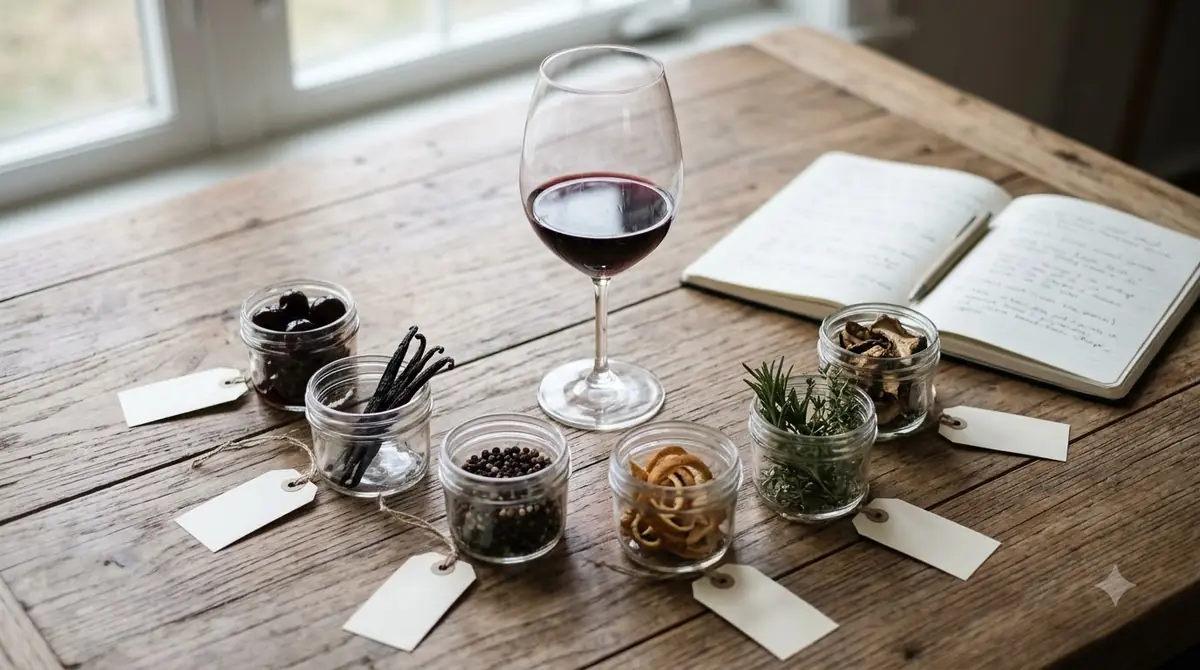
When choosing a white, Chasselas is the classic introduction, particularly from Vaud or Valais. Petite Arvine is a good choice for a more aromatic, high-acid white with a savory edge; Heida offers a fuller impression; and Müller-Thurgau can be a fresh, fragrant option from the German-speaking region. A sparkling wine or Œil-de-Perdrix rosé from the Three Lakes region broadens a tasting without moving far from the country’s best-known grapes. For a first exploration, buy two wines with a clear contrast: a Chasselas from Vaud and a Pinot Noir from Graubünden, or a Petite Arvine from Valais and a Merlot from Ticino. Then compare them side by side rather than judging the country from one bottle. The six regions are easier to understand when differences in grape, altitude, and lake or mountain influence are tasted directly. The official Swiss wine region overview is a useful reference for matching a regional name to its geography. The Wine Regions library provides a wider framework for comparing appellations and local wine styles.
Serving Temperatures and Food Pairings
Swiss wines work best when serving temperature and food match their structure. Keep delicate whites cool but not icy, give fuller reds a little air, and use the wine’s acidity, tannin, and body to guide the plate.
Serve Chasselas, Petite Arvine, and other light whites at about 45–50°F. That range keeps freshness intact while allowing subtle floral, citrus, and mineral notes to show. Fuller whites, including richer Heida or Chardonnay, are more expressive around 50–55°F. Chill sparkling wines to 40–50°F, and serve rosé around 45–50°F. For red wines, a lighter Pinot Noir or Gamay is best around 55–60°F, while a fuller Merlot, Syrah, or structured Cornalin is usually more comfortable around 60–65°F. A bottle served too warm can seem heavy and alcoholic; one served too cold can feel muted and more tannic. If a young, full-bodied red seems closed, give it 30–60 minutes in a decanter before serving.
Chasselas is a natural match for Swiss cheese, raclette, fondue, freshwater fish, and simple vegetable dishes. Its freshness cuts through melted cheese without overwhelming the flavor. Petite Arvine also works with shellfish, grilled fish, and goat cheese because its acidity and savory finish can stand up to salty foods. For dishes with lemon or vinegar, choose a wine with equal or higher acidity so the food does not make the wine taste flat. Pinot Noir and Gamay pair well with roast chicken, duck, mushroom dishes, charcuterie, and pork. Ticino Merlot works with grilled sausages, braised beef, polenta, and roasted vegetables; a more structured example can stand up to a rich beef stew. Salt and fat soften tannin, so aged cheese or a fatty cut can make a firmer red feel rounder.
For spicy food, be cautious with higher-alcohol or tannic reds because chili heat can make both alcohol and tannin seem more aggressive. A fresh white or lightly chilled rosé is often easier with chili-seasoned dishes. Avoid pairing a heavily tannic red with oily fish; choose Chasselas, Petite Arvine, or another crisp white instead. For dessert, choose a wine at least as sweet as the dish, or the wine may taste sour and thin. As a practical serving guide, pour about 5 ounces per glass; a standard 750-milliliter bottle provides roughly five glasses. Store unopened bottles on their sides in a cool, stable place near 55°F, away from strong light and temperature swings. Once opened, refrigerate still wines and aim to finish them within 3–5 days; sparkling wine generally holds for 1–3 days with a proper sparkling-wine stopper.
Tip: Taste a Swiss white at 45–50°F and the same wine a few degrees warmer before deciding which temperature suits it. Small changes can reveal more texture and aroma without changing the wine itself.
Frequently Asked Questions
These quick answers cover a few Swiss wine details that are easy to miss when focusing only on the six regional styles.
Do all 26 Swiss cantons grow wine grapes?
Yes. Switzerland Tourism states that wine is cultivated in all 26 cantons, even though vineyard scale differs widely from one canton to another. The national six-region system groups these local areas into larger geographic identities.
How long has Switzerland made wine?
Switzerland’s winemaking history reaches back to the Roman era. The country’s modern regional identities developed over a much longer period, shaped by local communities, languages, and the distinct conditions of Alpine valleys and lake shores.
Where is Switzerland’s smallest vineyard?
The tiny vineyard at Saillon is in Valais and consists of just three vines across 1.6 square meters. Switzerland Tourism notes that it has been owned by the Dalai Lama since 1999.
How high are the vineyards at Visperterminen?
Switzerland Tourism describes the vineyard below Visperterminen as sitting between 650 and 1,150 meters above sea level. That range helps explain why Valais can produce distinctive wines from high-altitude sites as well as warmer valley locations.
What makes the Vully appellation unusual?
Vully is one of the few Swiss AOCs that crosses a cantonal boundary: its vineyards lie in both Vaud and Fribourg. Its location near Lake Murten gives the area a character distinct from the better-known Vaud vineyards around Lake Geneva.
Switzerland’s wines are best approached region by region: begin with Chasselas from Vaud, Pinot Noir from German-speaking Switzerland, Petite Arvine from Valais, or Merlot from Ticino. Those four starting points reveal how strongly Swiss wine reflects its mountains, lakes, and local traditions.
More in Wine Regions
 Willcox Wine Trail: Discover Arizona’s High-Elevation Wine CountryUpdated Nov 20, 2026
 Yakima Valley Wine Region: Find the Best Styles to TryUpdated Nov 20, 2026
 Vosne Romanee Wine Tasting: Identify Aromas and Choose Better PairingsUpdated Nov 20, 2026
 Yakima Valley Wine Festival: Find the Best Seasonal Wine EventsUpdated Nov 20, 2026
 Wales Vineyards: Discover Cool-Climate Wines and Where to VisitUpdated Nov 20, 2026
 Yountville Wine Festival: Discover Napa Wines and Local FoodUpdated Nov 20, 2026