

We may earn a commission when you buy through links on this page, at no extra cost to you. Learn more.
The beaune wine region is a celebrated part of Burgundy in eastern France, producing elegant Pinot Noir reds and distinctive Chardonnay whites across a remarkable collection of village, Premier Cru, and Grand Cru vineyards. Centered on the historic town of Beaune, this area includes famous wine villages such as Pommard, Volnay, Meursault, and Puligny-Montrachet. Its limestone-rich soils, varied vineyard exposures, and carefully defined appellations help explain why wines from neighboring vineyards can have noticeably different personalities.
For wine lovers, Beaune offers an excellent introduction to Burgundy’s relationship between grape variety, vineyard location, and winemaking tradition. Whether you prefer delicate red Burgundy, textured white Chardonnay, or prestigious vineyard-designated bottles, understanding the area’s geography and classification makes choosing a bottle considerably easier. Here is what to know about its wines, leading villages, vineyard hierarchy, and food pairings.
Where the Beaune Wine Region Is Located
The Beaune wine region sits in the Côte de Beaune, the southern portion of Burgundy’s celebrated Côte d’Or wine district. Its vineyards extend approximately 20 kilometers from Ladoix-Serrigny in the north to the hillsides of Maranges in the south, following a narrow band of slopes with favorable sunlight and growing conditions.
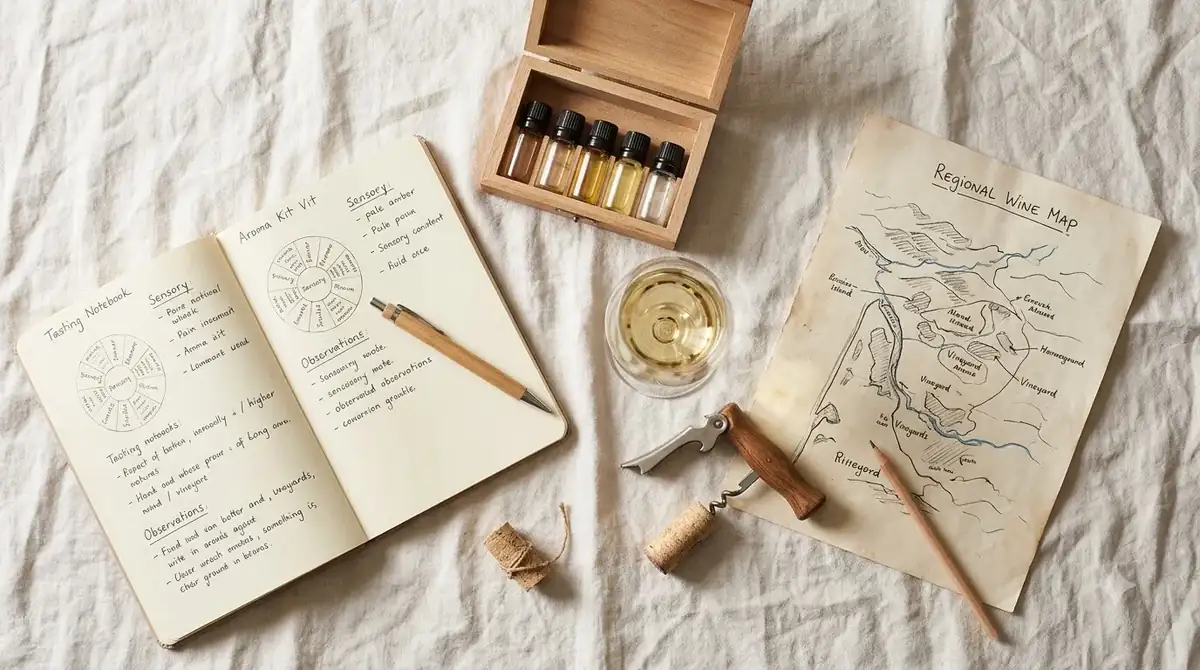
Beaune is both the name of an important wine-producing commune and a historic town that serves as a central reference point for exploring Burgundy. The wider Côte de Beaune includes numerous neighboring villages, each with its own appellation boundaries, vineyard sites, and recognizable wine styles. This distinction matters because a bottle labeled Beaune does not necessarily represent the same geographical area as one labeled Côte de Beaune or Côte de Beaune-Villages.
The Côte de Beaune is one of Burgundy’s five principal winegrowing areas. The others are Chablis and the Grand Auxerrois, Côte de Nuits, Côte Chalonnaise, and Mâconnais. Together, these districts form a wine-producing landscape that stretches nearly 300 kilometers from northern to southern Burgundy.
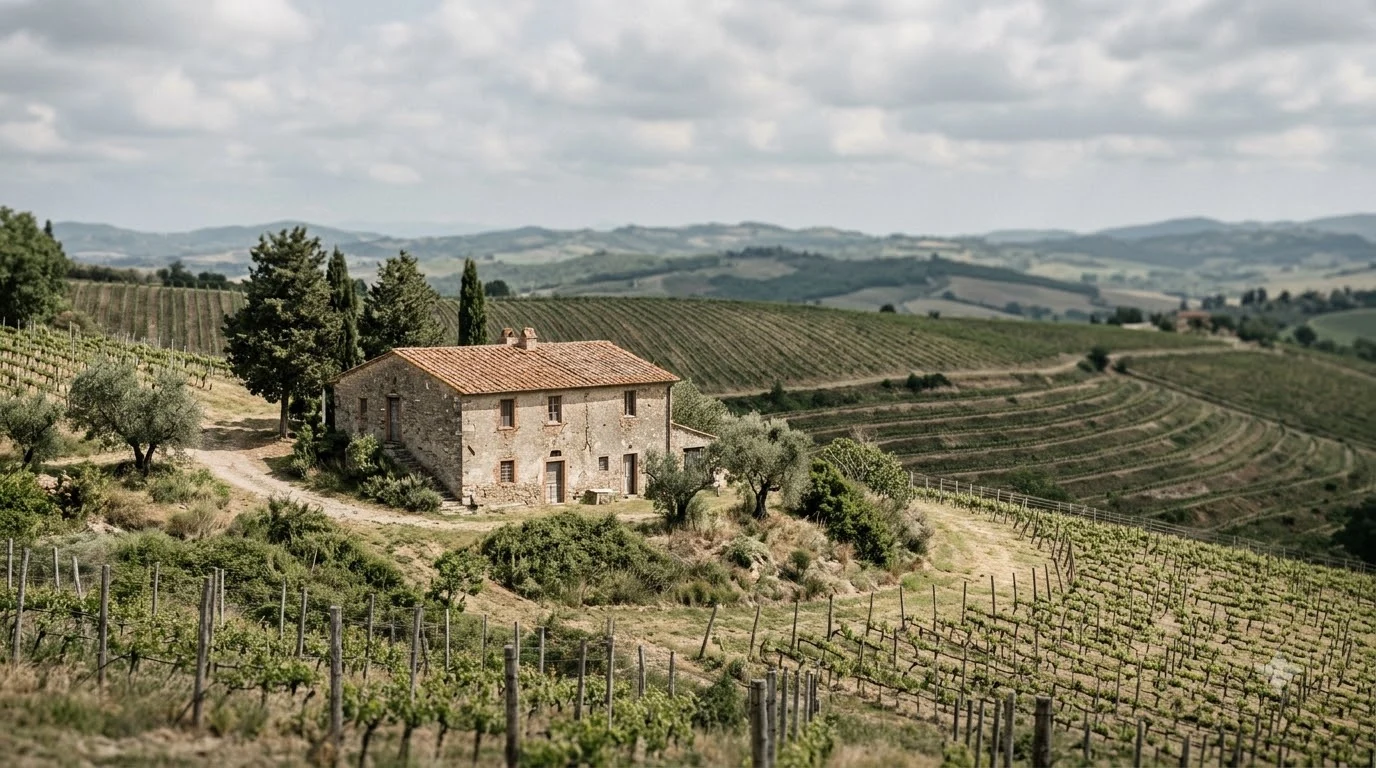
Unlike a large, uninterrupted vineyard region, the Côte de Beaune consists of relatively narrow slopes and individual vineyard parcels. The main vineyards generally face the morning sun, while the terrain changes in elevation, soil composition, and exposure over short distances. These variations are central to the character of the wines.
The town of Beaune is also an important destination for wine history. Its historic cellars, wine merchants, tasting rooms, and the famous Hospices de Beaune make it a natural starting point for visitors interested in Burgundy’s traditions.
Travelers exploring other distinctive French wine districts can also compare the region with the Savoie wine region, where alpine geography and different grape varieties create a very different expression of French wine.
Pinot Noir, Chardonnay, and the Character of Beaune Wines
Pinot Noir and Chardonnay define the Beaune wine region, producing reds and whites that express the differences between vineyard sites. Pinot Noir is responsible for the region’s elegant, aromatic reds, while Chardonnay produces everything from fresh, mineral-driven whites to concentrated, complex wines with considerable aging potential.
Pinot Noir: The Red Wines of Beaune
Pinot Noir is the principal red grape of the Côte de Beaune. It is a relatively delicate variety, with thin skins and a sensitivity to growing conditions that makes vineyard location particularly important. Its natural acidity and low-to-medium tannin levels help create wines with freshness, fragrance, and a relatively refined structure.
Typical Beaune Pinot Noir aromas include red cherry, raspberry, strawberry, cranberry, and red currant. Depending on the village, vineyard, vintage, and winemaking approach, additional notes may include violet, dried herbs, forest floor, earth, mushroom, and baking spices.
Young wines often emphasize bright red fruit and lively acidity. With bottle age, more developed examples can reveal savory, earthy, and forest-like characteristics. The best bottles combine fruit concentration with enough acidity and structure to develop additional complexity over time.
Not every Beaune red is intended for long-term cellaring. Regional and village wines can provide enjoyable drinking relatively early, while many Premier Cru and Grand Cru examples have greater aging potential.
Chardonnay: The White Wines of Beaune
Chardonnay is equally important, especially in the southern villages around Meursault, Puligny-Montrachet, and Chassagne-Montrachet. The variety adapts particularly well to Burgundy’s limestone and marl soils, producing dry whites with a balance of fruit, acidity, and texture.
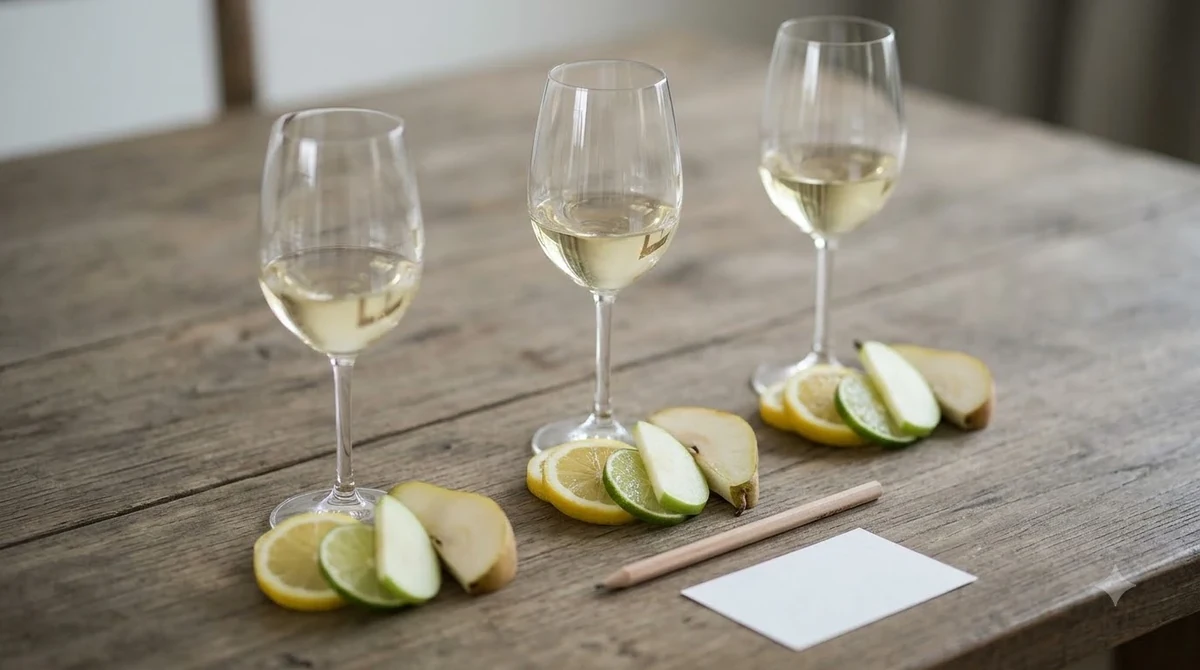
Common aromas include lemon, green apple, pear, white peach, and citrus blossom. More developed wines may show hazelnut, toasted bread, butter, honey, and subtle spice, depending on maturity, fermentation, and aging choices.
Some producers use oak barrels to add texture and secondary aromas, while others favor a more restrained approach that emphasizes freshness and vineyard character. Neither style automatically indicates higher quality. The best choice depends on personal preference and the intended food pairing.
For a broader understanding of Burgundy’s grape varieties and wine styles, the official Bourgogne Wines overview of the Côte de Beaune explains how the region’s leading appellations are distributed across its vineyards.
Terroir, Climate, and the Importance of Vineyard Soils
The Beaune wine region is famous for its varied terroir, a combination of soil, elevation, slope, exposure, climate, and vineyard location. These factors help explain why two wines made from the same grape variety can taste substantially different even when their vineyards are separated by only a short distance.
The Côte de Beaune’s continental climate generally brings warm summers and the possibility of dry autumn weather, although conditions vary between vintages. Spring frost, summer heat, rainfall, and harvest conditions can influence grape development and the final balance of a wine.
Sunlight is another important factor. Many of the region’s vineyard slopes face east or southeast, receiving morning sunshine that helps vines develop and ripen grapes. The narrow vineyard belt also creates noticeable differences between individual slopes and elevations.
Understanding the Limestone and Clay Soils
Limestone is an important component of Burgundy’s geological landscape. However, the Côte de Beaune does not have one uniform soil type. Different vineyard locations contain varying proportions of limestone, clay, marl, gravel, sand, and other geological deposits.
Higher vineyard sites may have relatively shallow, stony limestone soils. Mid-slope areas can contain red gravel and iron-rich deposits, while lower sections may include deeper clay and limestone combinations. These differences influence drainage, water availability, and vine growth.
The specific Côte de Beaune appellation, which applies to vineyards within the commune of Beaune, occupies higher slopes of the Montagne de Beaune at approximately 300 to 370 meters above sea level. Its brown limestone and calcium-rich Jurassic soils provide a distinctive setting for Pinot Noir and Chardonnay.
The broader Beaune vineyard landscape also includes elevations of approximately 210 to 340 meters, with a generally southeast-facing slope. Individual Premier Cru sites vary in soil depth, drainage, and position, contributing to differences in their wines.
Tip: When comparing two Burgundy wines made from the same grape variety, pay attention to the village and vineyard name, not just the producer. A Pommard Pinot Noir and a Volnay Pinot Noir can have distinctly different structures even though both come from neighboring parts of the Côte de Beaune.
The Appellation Hierarchy and What Wine Labels Mean
Burgundy uses a geographical appellation hierarchy that helps identify the origin and classification of its wines. The four principal levels are regional, village, Premier Cru, and Grand Cru, with increasingly specific vineyard origins as the classification becomes more prestigious.
Understanding these categories is especially useful when shopping for Beaune wines because the name printed prominently on the label can communicate much more than the grape variety.
Regional Appellations
Regional appellations cover larger geographical areas and offer an accessible introduction to Burgundy. Examples include Bourgogne, Bourgogne Côte d’Or, and Bourgogne Hautes-Côtes de Beaune.
These wines can provide a useful way to explore Pinot Noir and Chardonnay without immediately focusing on individual village vineyards. Their styles vary depending on the exact appellation, producer, and vintage.
Village Appellations
Village wines are named after the commune where the grapes are grown. Examples from the Côte de Beaune include Beaune, Pommard, Volnay, Meursault, Savigny-lès-Beaune, and Saint-Aubin.
A village designation gives buyers more specific geographical information than a regional label. It also provides a useful starting point for understanding differences in wine style across Burgundy.
Premier Cru Appellations
Premier Cru wines come from designated vineyard sites within qualifying village appellations. The vineyard name may appear alongside the village name on the label, such as Beaune Premier Cru Les Grèves or Volnay Premier Cru Les Caillerets.
Beaune has 42 Premier Cru Climats, making it particularly interesting for exploring differences between individual vineyard parcels. Other important examples include Pommard’s Les Rugiens and Volnay’s Champans.
Grand Cru Appellations
Grand Cru is Burgundy’s highest vineyard classification. Unlike a system that awards status to an entire winery, Burgundy’s Grand Cru designation applies to specifically classified vineyard parcels known as Climats.
The Côte de Beaune is home to prestigious Grand Crus, including Corton, Corton-Charlemagne, and the five white Grand Cru vineyards associated with Montrachet: Montrachet, Chevalier-Montrachet, Bâtard-Montrachet, Bienvenues-Bâtard-Montrachet, and Criots-Bâtard-Montrachet.
The distinction between these classifications is geographical rather than simply a judgment about a particular producer. A skilled winemaker can produce an excellent village wine, while a Grand Cru designation indicates a specific recognized vineyard origin.
| Classification | Origin | Examples |
|---|---|---|
| Regional | Wider Burgundy area | Bourgogne, Bourgogne Côte d’Or |
| Village | Named commune | Beaune, Pommard, Volnay |
| Premier Cru | Designated vineyard within a village | Les Grèves, Les Rugiens |
| Grand Cru | Individually classified vineyard | Corton, Montrachet |
One additional labeling distinction deserves attention. Beaune, Côte de Beaune, and Côte de Beaune-Villages are not interchangeable terms. The Côte de Beaune appellation refers to a specific area within the commune of Beaune, whereas Côte de Beaune-Villages covers qualifying Pinot Noir wines from 14 villages. Understanding this difference prevents confusion when comparing bottles.
Famous Villages and Premier Cru Vineyards to Know
The Côte de Beaune contains several internationally recognized villages, each associated with particular wine styles and vineyard names. Pommard, Volnay, Beaune, Meursault, and Puligny-Montrachet are excellent starting points for understanding the area’s range.
Beaune
Beaune produces both red and white wines, although Pinot Noir dominates its vineyard landscape. The commune is especially important for its extensive Premier Cru holdings and its range of individual vineyard sites.
Recognizable Premier Cru names include Les Grèves, Les Bressandes, Les Cent Vignes, Les Marconnets, and Clos des Mouches. These vineyards occupy different positions along the hillside, and their soil composition and elevation contribute to differences in structure and aromatic expression.
Beaune wines are often approachable in their youth, although more structured Premier Cru examples can develop complexity with bottle age. Their combination of red fruit, freshness, and savory notes makes them useful choices for a wide range of meals.
Pommard
Pommard is particularly associated with structured Pinot Noir. Its reds commonly show dark cherry, blackberry, plum, earth, and spice, with firmer tannins than many wines from neighboring Volnay.
The appellation contains 28 Premier Cru Climats. Important names include Les Rugiens, Les Épenots, Les Pézerolles, and Les Charmots. Les Rugiens and Les Épenots are particularly recognizable vineyard names among Burgundy enthusiasts.
Pommard is a strong choice for people who enjoy red Burgundy with noticeable structure and concentration. Its firmer character makes it especially suitable for dishes involving roasted meats and savory sauces.
Volnay
Volnay is known for refined, aromatic Pinot Noir with a more delicate impression than many Pommard wines. Typical aromas include raspberry, cherry, violet, and subtle spice.
The appellation has 29 Premier Cru Climats, including Champans, Les Caillerets, and Clos des Chênes. These vineyard names frequently appear on bottles and help identify more specific origins within the village.
Volnay is an appealing option for drinkers who prefer red wines with fragrance, freshness, and softer tannins. It can be particularly enjoyable with roast chicken, duck, and mushroom dishes.
Meursault
Meursault is one of Burgundy’s most recognizable Chardonnay villages. Its dry white wines often combine ripe orchard fruit, citrus, hazelnut, and a broad, rounded texture.
Depending on the producer and vineyard, Meursault Chardonnay may show restrained oak influence or a more pronounced combination of creamy texture, toasted notes, and ripe fruit. Premier Cru sites such as Les Perrières and Les Charmes are among its familiar vineyard names.
Meursault is particularly attractive to drinkers who enjoy full-bodied Chardonnay with freshness and complexity rather than simple tropical fruit flavors.
Puligny-Montrachet and Chassagne-Montrachet
Puligny-Montrachet is celebrated for precise, elegant Chardonnay, often showing citrus, white flowers, orchard fruit, and mineral impressions. Its Grand Cru vineyards include Montrachet, Chevalier-Montrachet, and Bienvenues-Bâtard-Montrachet.
Chassagne-Montrachet produces both red and white wines, although its white Chardonnay is especially famous. Its Grand Cru holdings include Bâtard-Montrachet, Montrachet, and Criots-Bâtard-Montrachet.
These two villages demonstrate how the same grape variety can express different characteristics according to its precise vineyard location and winemaking choices.
Other Villages Worth Exploring
Savigny-lès-Beaune, Saint-Aubin, Saint-Romain, Santenay, and Pernand-Vergelesses provide further opportunities to explore the region. They can offer distinctive wines with excellent expressions of Burgundy’s traditional varieties.
For example, Saint-Romain produces both Pinot Noir and Chardonnay from vineyards situated at approximately 280 to nearly 400 meters above sea level. Its higher-altitude location and limestone, marl, and clay soils contribute to the character of its wines.
For a broader comparison of regional wine traditions outside France, the Switzerland wine region offers an interesting contrast in grape varieties, climate, and vineyard geography.
How to Choose, Serve, and Pair Beaune Wines
The best Beaune wine depends on the grape variety, vineyard classification, food, and personal preference. Pinot Noir is the natural choice for red Burgundy drinkers, while Chardonnay offers a wide range of white wine styles, from crisp and mineral to rounded and richly textured.
Choosing a Beaune Red
For a lighter, aromatic style, consider Volnay or a village-level Beaune Pinot Noir. These wines generally emphasize red fruit, freshness, and relatively refined tannins.
For a more structured red, Pommard is a natural starting point. Its firmer tannins and deeper fruit character make it particularly suitable for people who enjoy a more substantial Pinot Noir.
Savigny-lès-Beaune can also be an excellent choice. Its reds often combine cherry and floral aromas with a balanced tannic structure. Village and Premier Cru bottlings provide different levels of vineyard specificity.
Choosing a Beaune White
Meursault is an appealing option for those who prefer Chardonnay with a rounded texture and notes of orchard fruit, hazelnut, and subtle oak. Puligny-Montrachet is generally a better starting point for people who favor precision, citrus, and mineral freshness.
Saint-Aubin can provide another interesting expression of Burgundy Chardonnay, often combining freshness with attractive fruit and texture. The best choice depends on whether the meal calls for a richer white or a more refreshing style.
Serving Temperatures
Serving temperature makes a noticeable difference to the aromas, acidity, and structure of Burgundy wines. White wines served too warm can seem heavy, while reds served too cold may appear overly firm and muted.
Use these practical temperature ranges as starting points:
- Light and delicate Beaune Pinot Noir: 55–60°F.
- Fuller-bodied and structured Beaune Pinot Noir: 60–65°F.
- Fresh, lighter Beaune Chardonnay: 45–50°F.
- Fuller-bodied, oak-aged Beaune Chardonnay: 50–55°F.
Young, structured red wines may benefit from approximately 30–60 minutes of decanting, particularly when they seem tight immediately after opening. Older Pinot Noir requires more careful handling because extended exposure to oxygen can diminish delicate aromas.
Food Pairings for Beaune Pinot Noir
Pinot Noir’s moderate structure, freshness, and aromatic red fruit make it particularly versatile at the dinner table. It pairs naturally with roasted poultry, duck, pork, mushrooms, and dishes featuring herbs or earthy ingredients.
Consider these combinations:
- Volnay with roast chicken, thyme, and roasted potatoes.
- Beaune Pinot Noir with duck breast and cherry sauce.
- Pommard with roast beef or grilled lamb.
- Savigny-lès-Beaune with mushroom risotto.
- Premier Cru Beaune with roast pork and herbs.
For richer dishes, the acidity of Pinot Noir helps refresh the palate, while its relatively moderate tannins avoid overwhelming delicate ingredients. However, highly spicy dishes can make alcohol and tannin seem more pronounced, so heavily seasoned chili-based meals are generally less suitable.
Food Pairings for Beaune Chardonnay
Chardonnay is particularly versatile with seafood, poultry, cream sauces, and dishes featuring butter or mushrooms. Its acidity helps balance richness, while its texture complements foods with a creamy or savory character.
- Meursault with roast chicken in a cream sauce.
- Puligny-Montrachet with grilled scallops.
- Saint-Aubin with poached fish and lemon butter.
- Chassagne-Montrachet with lobster or shellfish risotto.
- Beaune Chardonnay with Comté or Gruyère cheese.
Acidity is particularly important when matching Chardonnay with citrus-based sauces. A dish with substantial lemon juice or vinegar needs a wine with sufficient acidity to maintain balance. Rich, buttery preparations generally work well with fuller-bodied Chardonnay.
Beaune Wine History, Hospices, and Vineyard Traditions
Beaune has a long connection with Burgundy’s wine trade, religious institutions, and vineyard culture. Its history includes medieval wine production, the development of recognizable appellations, and the continued importance of vineyard ownership and charitable wine traditions.
One important historical figure was Philippe the Bold, Duke of Burgundy. In 1395, he prohibited Gamay cultivation in his lands in favor of Pinot Noir, a decision that helped establish the grape’s historical importance in Burgundy.
The region’s wine reputation also grew through the influence of Burgundy’s dukes and religious communities. During the Middle Ages, wines from the Côte de Beaune were sometimes described collectively as Vin de Beaune, before the modern appellation system created more precise geographical distinctions.
The Hospices de Beaune
The Hospices de Beaune is one of the most recognizable institutions in the town. Founded by Nicolas Rolin and Guigone de Salins, the Hôtel-Dieu was established in 1443 as a charitable hospital serving people in need.
The institution developed an important vineyard estate through donations and inheritances beginning in 1471. This wine heritage eventually became associated with the famous Hospices de Beaune wine auction, a major annual event in Burgundy’s wine calendar.
The auction is notable because it sells wines produced from vineyards belonging to the charitable institution. Buyers purchase wines associated with individual vineyard origins and producers, and the event has become an important feature of Beaune’s international reputation.
Climats and Burgundy’s Vineyard Heritage
The word Climat has a specific meaning in Burgundy. It describes an individually identified vineyard parcel with its own recognized geographical characteristics, historical identity, and established boundaries.
These parcels are not simply generic vineyard blocks. Their names have developed over generations and are central to Burgundy’s understanding of wine origin. Les Grèves, Les Bressandes, Les Rugiens, and Les Caillerets are examples of familiar Climats within the Côte de Beaune.
The historic vineyards of Burgundy are recognized for their cultural significance, reflecting centuries of interaction between people, agricultural practices, geology, and landscape. This heritage helps explain why the exact vineyard name can be so important to Burgundy wine enthusiasts.
Visitors to Beaune can explore the region through vineyard routes, winery visits, historical buildings, and specialist wine tastings. The Route des Grands Crus is an especially useful way to understand how the principal villages and vineyards fit together geographically.
Frequently Asked Questions
Is Beaune the same as the Côte de Beaune?
No. Beaune is a specific commune and wine appellation within the larger Côte de Beaune district. The Côte de Beaune includes neighboring wine villages such as Pommard, Volnay, and Meursault, while the separate Côte de Beaune appellation refers to higher vineyard sites within the commune of Beaune itself.
What does the word Climat mean on a Burgundy wine label?
A Climat is an officially recognized individual vineyard parcel with a specific geographical identity and history. Burgundy has more than a thousand named Climats, and some have Premier Cru or Grand Cru status. The vineyard name can provide more precise information about a wine’s origin than its village designation alone.
Why is Beaune associated with an annual wine auction?
The Hospices de Beaune auction is connected to the historic charitable hospital’s vineyard estate. The sale traditionally takes place in November and features wines made from grapes grown on vineyards donated to the institution. It is an important fundraising and wine-trade event that attracts international attention.
Can Beaune wines be made from organically farmed grapes?
Yes. Producers in the Côte de Beaune use different vineyard management approaches, including certified organic and biodynamic farming. These practices are choices made by individual growers rather than requirements shared by every wine carrying a Beaune appellation. Certification and farming information can help identify producers following particular agricultural standards.
What is the difference between a Bourgogne and a Bourgogne Côte d’Or wine?
Bourgogne is a regional appellation covering a broad area of Burgundy, while Bourgogne Côte d’Or identifies wines originating from the more geographically specific Côte d’Or area. Both categories can provide useful introductions to Burgundy, but the more specific geographical designation helps narrow down the wine’s origin. Neither designation automatically indicates a particular producer’s quality or winemaking approach.
The Beaune wine region offers an exceptional introduction to Burgundy through its aromatic Pinot Noir, expressive Chardonnay, historic villages, and distinctive vineyard classifications. From the structured reds of Pommard to the celebrated whites of Meursault and Puligny-Montrachet, its wines reward exploration at every appellation level. Understanding the villages, Climats, and differences between vineyard designations makes it easier to discover bottles that suit your palate and the food on your table.
More in Wine Regions
 Willcox Wine Trail: Discover Arizona’s High-Elevation Wine CountryUpdated Nov 20, 2026
 Yakima Valley Wine Region: Find the Best Styles to TryUpdated Nov 20, 2026
 Vosne Romanee Wine Tasting: Identify Aromas and Choose Better PairingsUpdated Nov 20, 2026
 Yakima Valley Wine Festival: Find the Best Seasonal Wine EventsUpdated Nov 20, 2026
 Wales Vineyards: Discover Cool-Climate Wines and Where to VisitUpdated Nov 20, 2026
 Yountville Wine Festival: Discover Napa Wines and Local FoodUpdated Nov 20, 2026