

We may earn a commission when you buy through links on this page, at no extra cost to you. Learn more.
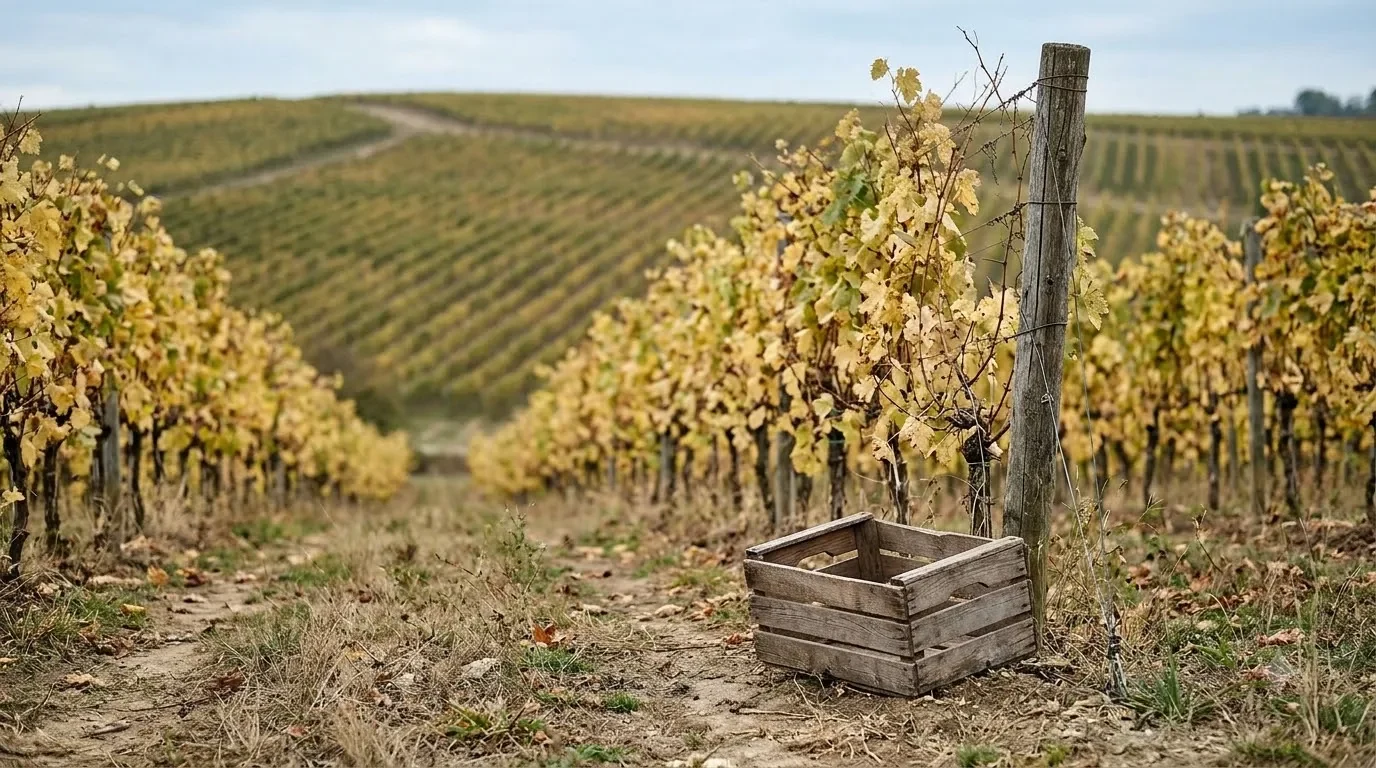
The Beaune vineyards are the Burgundy plots that surround the town of Beaune, in the Côte de Beaune section of the Côte-d’Or, and they are known for Pinot noir and Chardonnay grown on classified climats. Beaune itself is widely called the wine capital of Burgundy, and its historic center is home to many of the region’s major négociant houses. The vineyards around it range from village-level plots to Premier Cru sites, and the difference in soil and exposure shapes how each wine tastes.
This guide covers where the Beaune vineyards sit, how the climat system defines them, which grapes and styles dominate, and how the Hospices de Beaune fits into the story.
Beaune’s Place in Burgundy
Beaune is a town in eastern France, between Lyon and Dijon, and it sits at the center of one of the most closely studied wine regions in the world. It belongs to the Côte de Beaune, the southern half of the Côte d’Or escarpment, where vineyards climb the slopes above the flat plain. Neighboring wine villages such as Meursault and Puligny-Montrachet are well known for white wines, and the route north leads toward some of Burgundy’s most famous red villages.
The town’s role is commercial as well as agricultural. Many of Burgundy’s major négociants have their cellars in the historic center, a tradition that goes back to Roman times. That concentration means a single afternoon in Beaune can show you wines from dozens of vineyards, even though the vines themselves are spread across the surrounding hills.
The Climat System and Why It Matters
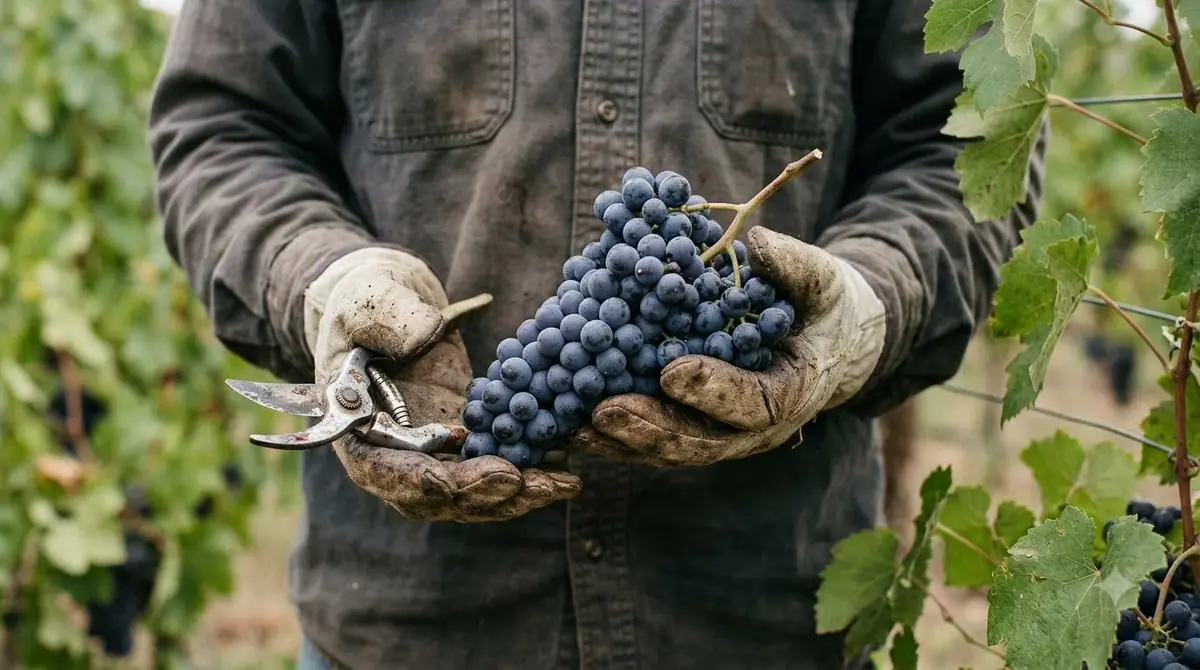
Burgundy does not organize its vineyards by estate name alone. It uses the climat, a named plot of vines with its own geological, hydrological, and geographic character. The Bourgogne wine region’s official website describes climats as the ultimate expression of Burgundy terroir, and UNESCO recognized them as a World Heritage site in 2015. The system is important for buyers because the name on the label often points to a specific plot rather than a broad area.
Within the Beaune vineyards, climats are grouped into classifications. Village wines come from named villages or from the Beaune appellation itself, while Premier Cru and Grand Cru designations mark a higher level of vineyard rank. The town of Beaune does not have a Grand Cru named after it, which means the most celebrated plots lie in neighboring villages. Still, many Beaune-area wines carry real depth and character, and the Premier Cru sites are where producers often show the greatest precision.
The Beaune appellation dates to 1936, and it is one of the older names in the wider Côte de Beaune. Learning a few climat names is one of the fastest ways to understand a label, because the name tells you the vineyard’s position, soil, and typical style.
Premier Cru and Village Vineyards Around Beaune
The vineyards around Beaune fall into several tiers. Village wines represent the broadest level and often give good value for everyday drinking. Premier Cru wines come from plots with a higher ranking, and they usually show more concentration and aging potential. Producers who work with several plots often label wines by the village and climat, so reading the full label matters.
A useful habit is to compare wines from the same grape at different levels. A village Pinot noir from Beaune will usually be lighter and more approachable than a Premier Cru from the same slope, and tasting the two side by side shows how the vineyard changes the wine. The same approach works for white wines, where differences in soil and exposure can change the balance between fruit, acidity, and minerality.
Because the region is so fragmented, many vineyards are owned by several producers, and one plot can appear on more than one label. Buying from producers who make wine from their own vines gives you more control over the source, but négociant wines remain an important part of the market and often offer a clear view of a range of climats.
Grape Varieties and Wine Styles
The Bourgogne region’s official website gives dedicated attention to Chardonnay, Pinot noir, Gamay, and Aligoté. Pinot noir and Chardonnay are the two varieties most associated with the Beaune vineyards, and they account for much of what visitors taste. Gamay is grown in the broader region for lighter, fruit-driven reds, while Aligoté offers a crisp, acidic white for everyday drinking.
| Variety | Typical character around Beaune | Good with |
|---|---|---|
| Pinot noir | Red fruit, silky texture, and a savory edge that changes with the climat | Roast poultry, mushrooms, and salmon |
| Chardonnay | White fruit, texture from barrel aging, and a mineral line in many sites | Creamy sauces, grilled fish, and soft cheeses |
| Gamay | Bright, fresh red fruit with lower tannin | Charcuterie and lighter bistro dishes |
| Aligoté | Crisp, high-acid white with a lean profile | Oysters, salads, and fresh cheeses |
Expect the reds to show more structure and the whites to carry more texture from oak. The exact style depends on the producer’s choices in the cellar, so the same grape can taste quite different from one bottle to the next. A younger wine from a fresh vintage often shows more fruit, while an older bottle reveals earthy and savory notes.
The Hospices de Beaune and Its Vineyards
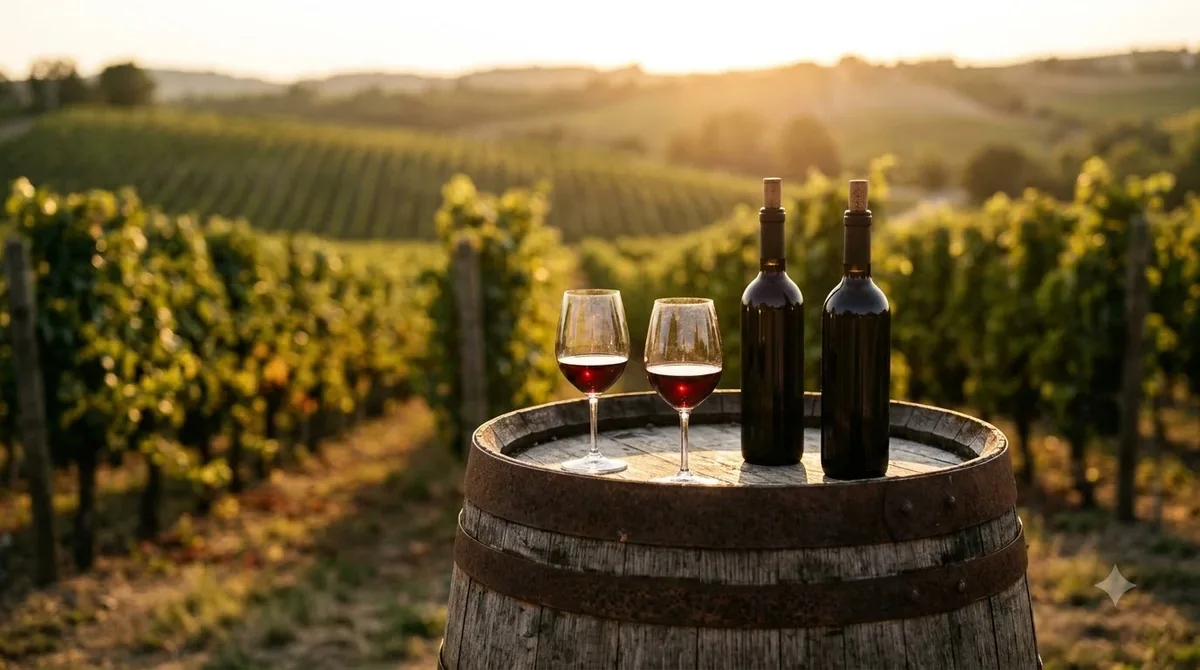
No discussion of the Beaune vineyards is complete without the Hospices de Beaune. The institution’s website dates its start to 1443, when Nicolas Rolin and Guigone de Salins founded the Hôtel-Dieu hospital. Today the Hospices operate two wine estates, the Hospices de Beaune and the Hospices de Nuits, which are managed independently and farm top Burgundy appellations.
The wines from these estates are sold each year at a charity auction, and the event is one of the best-known wine sales in the world. Because the estates hold plots across the Beaune area, the auction is also a useful snapshot of the region’s vineyards and vintage quality. Buyers and collectors follow it closely, and the wines are a useful reference point for anyone curious about the Beaune climats.
The Hôtel-Dieu itself is a historic monument in the town center, and visitors can see its courtyard and roofs as part of a walk through the old town. Its story ties the vineyards to charity and community, which is part of why Beaune wine feels rooted in local life.
Visiting and Buying Beaune Wine
The easiest way to explore the Beaune vineyards is on foot or by a short drive into the hills. The route des Grands Crus runs north and south of the town, passing through the villages that give Burgundy its reputation. Stopping at a cellar in the town center lets you taste a range of wines without driving between estates, and many cellars offer tastings by appointment.
When buying, read the label for the appellation and climat, and ask which vineyard the wine comes from. Vintage matters, so check whether the wine is from a strong year before you plan to age it. If you are shipping wine home, confirm the rules for your country and budget for shipping costs, which can be significant.
Tip: Ask for a comparison flight of village and Premier Cru wines from the same producer. The side-by-side tasting shows the value of vineyard classification faster than any description.
Frequently Asked Questions
Where are the Beaune vineyards located?
They lie around the town of Beaune in the Côte de Beaune, the southern part of the Côte d’Or in Burgundy, France. The town sits between Lyon and Dijon, and vineyards climb the slopes to the west of the historic center.
What grapes are grown in the Beaune vineyards?
Pinot noir and Chardonnay are the main varieties, and the Burgundy region also grows Gamay and Aligoté. Pinot noir gives the red wines, while Chardonnay makes the whites.
What is a climat in Burgundy?
A climat is a named vineyard plot with its own soil, drainage, and exposure. The system is central to Burgundy’s identity, and UNESCO recognized the climats as a World Heritage site in 2015.
Is there a Grand Cru in Beaune?
The town itself does not have a Grand Cru named for it, although the Beaune area includes many Premier Cru and village-level climats. Grand Cru sites lie in neighboring villages, so check the label to see the classification.
The Beaune vineyards reward patient exploration, whether you read a few labels at home or taste your way through the cellars in the historic center. Start with the village wines to learn the grapes, then move up to Premier Cru bottles to see how the climat changes the glass. For a broader look at how regions shape wine, explore the Wine Regions guide, or read more about the Beaune wine style.
More in Wine Regions
 Willcox Wine Trail: Discover Arizona’s High-Elevation Wine CountryUpdated Nov 20, 2026
 Yakima Valley Wine Region: Find the Best Styles to TryUpdated Nov 20, 2026
 Vosne Romanee Wine Tasting: Identify Aromas and Choose Better PairingsUpdated Nov 20, 2026
 Yakima Valley Wine Festival: Find the Best Seasonal Wine EventsUpdated Nov 20, 2026
 Wales Vineyards: Discover Cool-Climate Wines and Where to VisitUpdated Nov 20, 2026
 Yountville Wine Festival: Discover Napa Wines and Local FoodUpdated Nov 20, 2026