
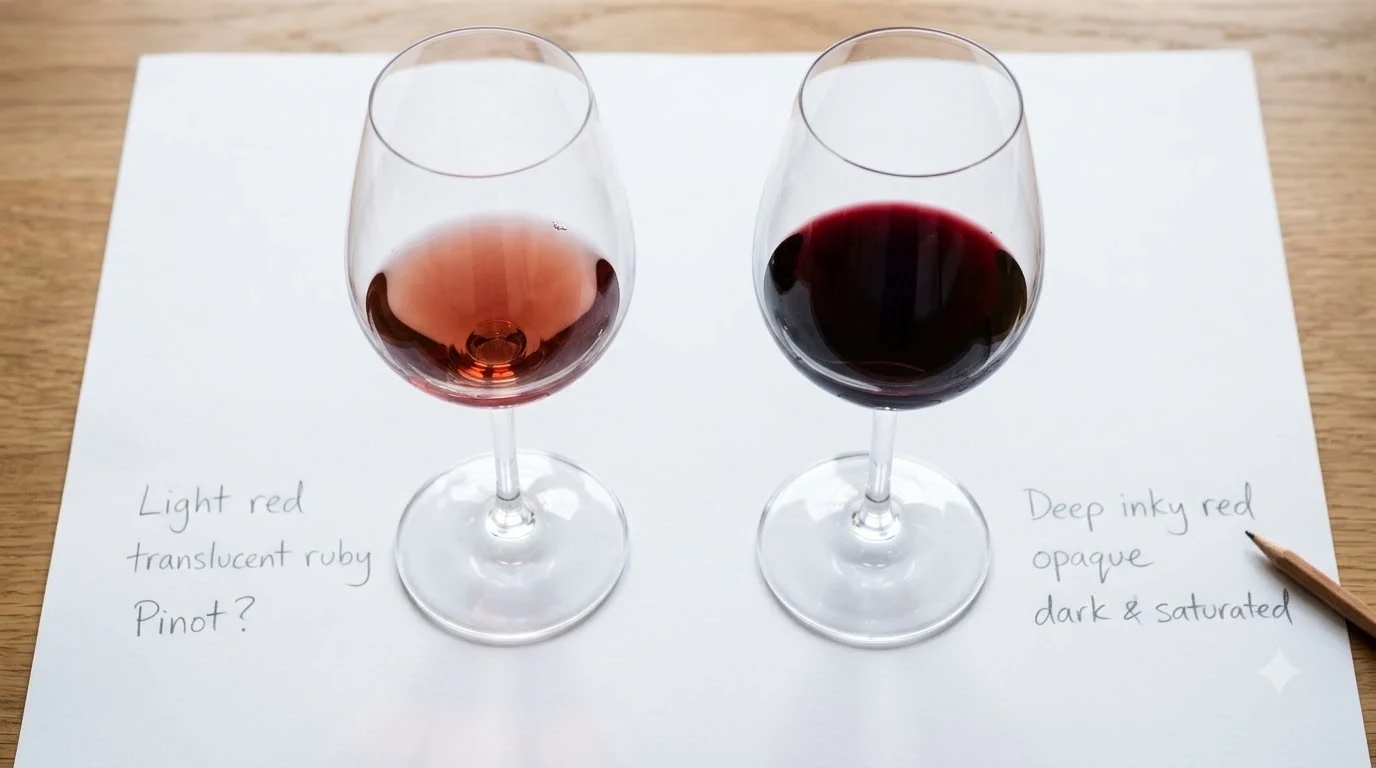

We may earn a commission when you buy through links on this page, at no extra cost to you. Learn more.
Beaune wine comes from the town of Beaune in the Côte de Beaune, the southern half of the Côte d’Or in Burgundy, France. The local Beaune appellation was created in 1936, and the town is often called the wine capital of Burgundy because so many merchant houses are based there. Beaune reds are mostly Pinot Noir, and the whites are mostly Chardonnay, with a style that tends toward elegance rather than heavy fruit.
If you have seen Beaune on a French wine list or a Burgundy shelf and wondered what it means, this guide explains where the wines come from, how the appellations work, what the grapes taste like, and how to buy and serve a bottle with confidence. The town is small, but it is one of the most important names in the region.
Where Beaune sits in Burgundy
Beaune is a town in eastern France, in the Côte-d’Or department of the Bourgogne-Franche-Comté region. It sits between Lyon and Dijon, and it is one of the main towns along the Côte de Beaune, the southern section of Burgundy’s famous slope of vineyards. The Côte de Beaune has a long history of growing Pinot Noir and Chardonnay, and it is the part of the Côte d’Or where many of the region’s wine businesses are based.
The town itself is a trade hub. Many of the major négociants, the merchant houses that buy grapes or wine from growers and sell under their own labels, have offices or cellars in Beaune. That is why the town carries the nickname wine capital of Burgundy, even though the vineyards around it are owned by many separate families.
What the Beaune appellation means on a label
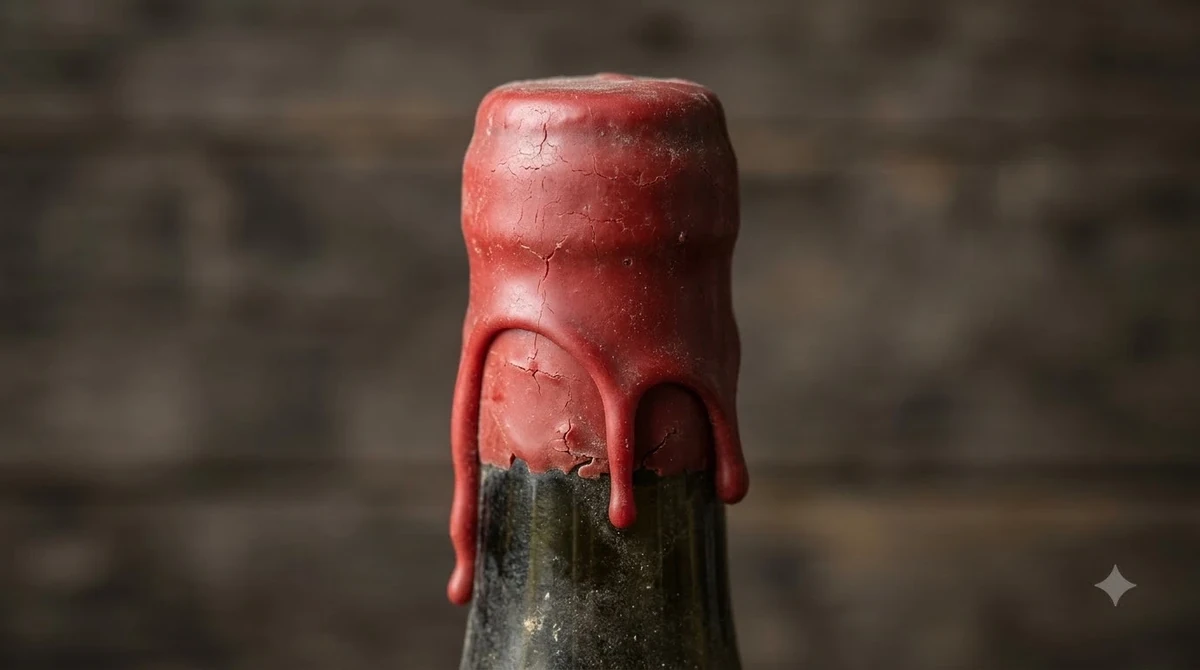
The Beaune AOC was created in 1936, and it covers wines made from vineyards around the town. Like other Burgundy appellations, it works on a tiered system. Village-level wines carry the name of the village and the appellation. Premier cru wines come from specific named vineyards that have been classified above village level. Grand cru wines are the highest tier, and Beaune itself has no Grand cru vineyard of its own.
That detail matters when you shop. A bottle labeled Beaune is a village-level wine from the appellation. A bottle labeled with a Premier Cru vineyard name next to Beaune is a step higher, and it usually costs more and shows more depth. Read the full label, because the vineyard name is the clue that tells you which tier you are buying.
Grape varieties and wine styles
Pinot Noir is the main red grape of the Beaune area, and the wines it makes are usually light to medium in body, with red cherry, raspberry and earthy notes. Good examples have fine tannins and a silky texture, and they are often described as elegant rather than powerful. The best ones can age for many years, developing savory, mushroom and forest-floor notes.
Chardonnay is the main white grape. Burgundy Chardonnay can range from crisp and mineral to rich and toasty, depending on how much oak the producer uses and how long the wine stays on its lees. For a broader view of Pinot Noir and Chardonnay across the whole region, the overview at VinePair’s Burgundy guide explains that the two grapes are the core of the region and that critics often rank Burgundy’s versions among the best in the world.
| Style | Typical character | Good with |
|---|---|---|
| Beaune red (Pinot Noir) | Red cherry, earth, fine tannin, silky texture | Roast chicken, mushroom dishes, duck |
| Beaune white (Chardonnay) | Citrus, orchard fruit, mineral or toasty notes | Poached fish, creamy sauces, soft cheese |
| Premier cru bottle | More depth and length, named vineyard character | Special meals, aged cheese, game birds |
Tip: Burgundy red is often a better match for a dinner table than a heavy Cabernet. If the food has herbs, mushrooms or a light sauce, Beaune Pinot Noir tends to fit well without overpowering the plate.
The Hospices de Beaune and its wine auction
No discussion of Beaune wine is complete without the Hospices de Beaune. The charity was founded in 1442 and owns vineyards that were donated over the centuries. Each year it holds a well-known charity wine auction, where its wines are sold to raise money for the hospital’s work. The auction draws buyers and visitors to the town every autumn, and it is one of the most closely watched events in the French wine calendar.
The Hospices wines are not an everyday bottle for most people, but the auction gives a useful view of how the town’s wine culture works. It shows how closely the Beaune name is tied to charity, tradition and the region’s merchant trade.
How to choose a Beaune bottle
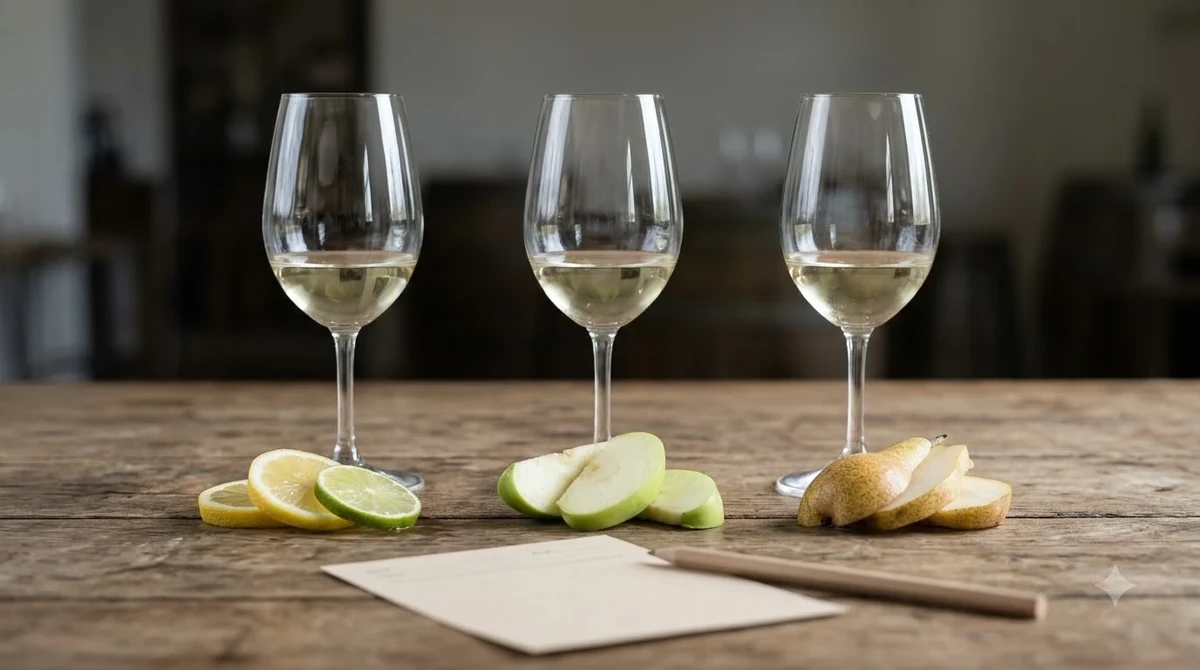
Start with the vintage and the producer. Burgundy is a region of many small growers, so the name on the label matters as much as the place. A reputable merchant or grower with a clear house style is a safer choice than an unfamiliar name, even if the bottle looks similar. Look for the producer’s note about the vineyard, the vintage and any oak treatment.
Next, look at the tier. Village-level Beaune is a good way to learn the style without spending too much. A premier cru from a named vineyard gives you a more precise taste of a single site. Compare two bottles from the same vintage, one village and one premier cru, to see the difference in structure and length.
Finally, think about how you plan to drink the wine. Young Pinot Noir is pleasant and bright, but better examples often need several years to show their full character. Ask the seller whether the bottle is ready to drink now or should be kept for a while.
How to serve and store Beaune wine
Serve Beaune reds slightly cooler than room temperature, so the fruit stays fresh and the acidity holds the wine together. Whites are best served chilled but not ice cold, which lets the aromas and texture come through. A standard tulip-shaped glass works well for both colors, because it concentrates the aromas without crowding the nose.
Store bottles on their side in a cool, dark, steady place. Burgundy is sensitive to heat and light, so avoid kitchen counters and cupboards near the stove. Once opened, a red can be recorked and kept in the fridge for a day or two, while a white will hold for a shorter time.
Visiting Beaune and the Côte de Beaune
Beaune is a compact town, and the historic center is easy to explore on foot. Many visitors plan a day around the Hospices, followed by a tasting at a producer in the nearby villages. Book ahead for the best producers, since many family estates run tastings by appointment. The town also holds regional wine events and tours, so check the local calendar before you travel.
If you want to compare what you find in Beaune with other wine regions and their wineries, the Beaune vineyards guide explores the vineyards around the town, and the Beaune wineries page covers the houses and estates you can visit. For a wider picture of how Burgundy fits into French and world wine, read our wine regions overview.
Common mistakes when buying Beaune wine
The first mistake is buying on the name alone. Beaune is a town and an appellation, and many bottles that sound close to it come from elsewhere in Burgundy. Check the label carefully, because the appellation tells you exactly where the grapes grew and how the wine is classed.
The second mistake is expecting every Pinot Noir to taste the same. Burgundy styles vary widely from one grower to the next, and a lighter bottle from a fine producer may be more rewarding than a heavier one from a less careful house. The third mistake is opening a young premier cru too soon, when the tannin and structure have not yet settled into balance.
Frequently Asked Questions
What is Beaune wine?
Beaune wine is made from vineyards around the town of Beaune in the Côte de Beaune, in Burgundy. The main reds are Pinot Noir and the main whites are Chardonnay, under the Beaune appellation created in 1936.
Is Beaune wine red or white?
Both. Beaune is best known for red Pinot Noir, but the appellation also produces white wines made from Chardonnay. The style and tier on the label tell you which to expect.
What does premier cru mean on a Beaune label?
Premier cru means the wine comes from a named vineyard classified above village level. It usually shows more depth and length than a village-level bottle, and the vineyard name appears on the label.
What are the Hospices de Beaune?
The Hospices de Beaune is a charity founded in 1442 that owns vineyards donated over the centuries. It holds an annual charity wine auction to raise money for its work, which is one of the best-known events in Burgundy.
Beaune is a good starting point if you want to understand Burgundy. Compare a village bottle with a premier cru, learn the names of the producers you like, and pay attention to vintage. Over time, the town’s wines will show you how a single place can produce a wide range of styles.
More in Wine Regions
 Willcox Wine Trail: Discover Arizona’s High-Elevation Wine CountryUpdated Nov 20, 2026
 Yakima Valley Wine Region: Find the Best Styles to TryUpdated Nov 20, 2026
 Vosne Romanee Wine Tasting: Identify Aromas and Choose Better PairingsUpdated Nov 20, 2026
 Yakima Valley Wine Festival: Find the Best Seasonal Wine EventsUpdated Nov 20, 2026
 Wales Vineyards: Discover Cool-Climate Wines and Where to VisitUpdated Nov 20, 2026
 Yountville Wine Festival: Discover Napa Wines and Local FoodUpdated Nov 20, 2026