

We may earn a commission when you buy through links on this page, at no extra cost to you. Learn more.
Pommard wine is a red Burgundy from the single village of Pommard in the Côte de Beaune, known for firm structure, dark fruit and long aging potential. The wines are red only, and they are typically built around Pinot Noir. If you want a Burgundy with more backbone than many other red Burgundies from the region, Pommard is a useful place to start.
This guide explains where Pommard sits on the Burgundy map, how its soils and climate shape the wine, and what the classification labels on a bottle actually mean. It also covers food pairings, serving temperature and practical buying tips for American shoppers.
What Is Pommard Wine?
Pommard wine is a protected Burgundy appellation that covers only the commune of Pommard. The French national authority for appellations, INAO, describes the appellation as red only and places it within the Côte de Beaune, the southern part of the Côte d’Or. That limited geography is part of its identity, because the wine has to come from inside a defined boundary.
Pommard sits south of the city of Beaune, at the outlet of a steep valley. According to INAO, the appellation includes 28 named vineyard sites, called climats in Burgundy, that are classified as premier cru. Those named sites are the key to understanding the wine, since many quality differences come from the vineyard rather than from the village name alone.
Pommard is often described as one of the more muscular wines of the Côte de Beaune. Wine writers frequently compare it with its neighbors, which tend to be lighter and more perfumed. If you enjoy a red Burgundy with noticeable tannin and grip, Pommard is worth exploring alongside the more elegant villages nearby.
Soil, Climate and the Pommard Terroir
Terroir is the idea that soil, slope, climate and exposure shape how a wine tastes. In Pommard, the combination of the valley opening and the surrounding slopes gives the vines a distinct growing setting. Burgundy as a whole relies on limestone and marl soils, and the same broad geology runs through much of the Côte de Beaune.
Reviewers at regional wine guides note that the subtle variation in soil and exposure creates clear differences between plots. Wine writers often say that the northern and southern parts of the commune produce different styles. According to INAO, the attack on the palate changes depending on whether the wine comes from the north or the south of the territory.
For you as a buyer, this means two bottles labeled Pommard can taste quite different. A wine from a famous premier cru climat may show more concentration and length, while a village-level bottle may be more approachable in youth. Climate varies from one vintage to the next, so the same producer can show a different balance from year to year.
Pinot Noir Grapes and Winemaking Styles
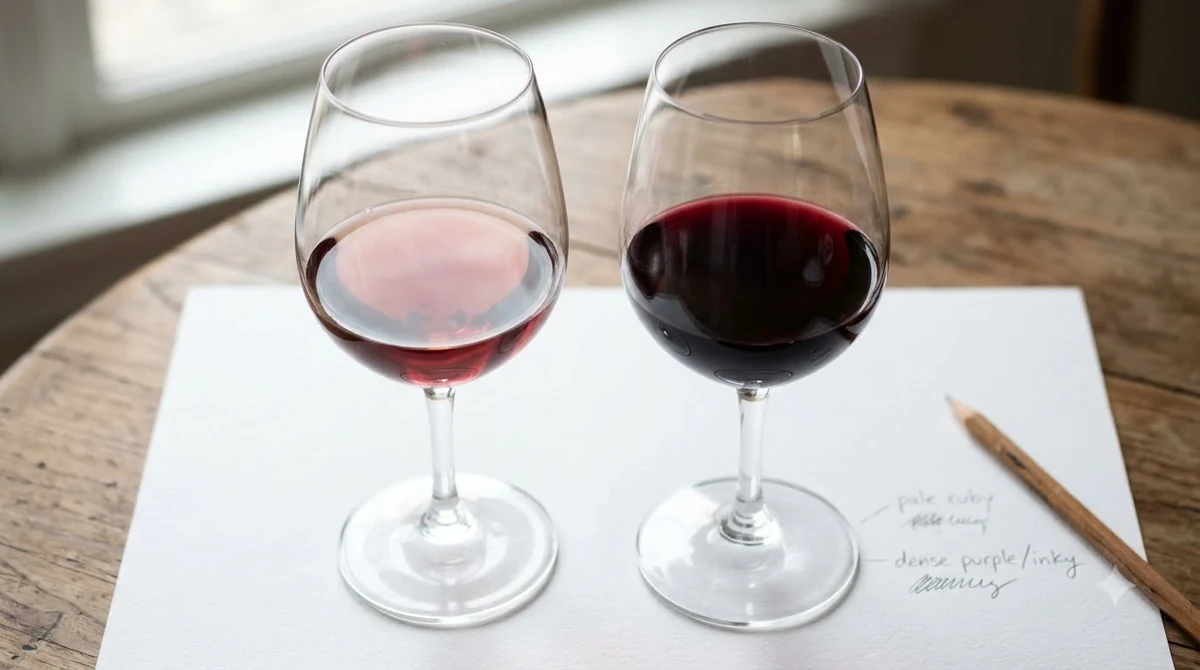
Pommard reds are made from Pinot Noir, the thin-skinned grape that defines red Burgundy. Pinot Noir usually gives lighter color than Cabernet Sauvignon, but it can produce wines with real depth when the vines are well sited and the yields are controlled. In Pommard, growers aim for structure as well as fruit.
INAO describes the wines as having a solid structure, softened by velvety texture and fruit that give the wine finesse and aging potential. Typical aromas named by the authority include blackberry, blueberry, redcurrant, cherry pit and ripe plum. Those notes can shift toward earthier or spicier character as a bottle develops with age.
Winemaking choices also shape the final wine. Oak aging adds vanilla, spice and texture, and the amount of new wood varies by producer. Some estates lean toward a firmer, more traditional style, while others prefer a rounder, more fruit-forward expression. Reading the producer’s description on the back label or website helps you tell which approach you are buying.
Premier Cru and Village Classifications Explained
Burgundy uses a layered system, and Pommard follows the same logic. Above the basic regional wines sit village appellations, and above those sit premier cru vineyards. The label on your bottle tells you which level you have, so it pays to read it carefully before you buy.
Wikipedia’s entry on the Côte de Beaune notes that individual village appellations come next, followed by the Premiers Crus. The same source explains that a single-vineyard premier cru label names the vineyard. A blend from several premier cru sites is labeled simply Premier Cru, without a vineyard name.
| Label you may see | What it generally means | What to check |
|---|---|---|
| Pommard (village) | Red wine from anywhere in the commune, under the village appellation | The producer and vintage, since quality varies |
| Pommard Premier Cru with a named climat | Wine from one specific premier cru vineyard | The vineyard name, which signals a more site-specific style |
| Premier Cru (blend) | A blend from several premier cru sites in the appellation | The producer’s notes on the blend and style |
Wikipedia also names Les Epenots and Les Rugiens as among the most notable Pommard premier cru vineyards. It reports that about 135 hectares of the commune is premier cru, which gives you a sense of how central those sites are to the appellation. When a label names one of these vineyards, you are usually looking at a wine with a clearer sense of place.
Classification does not guarantee a particular taste, so treat the level as a guide rather than a promise. Producer skill, vintage conditions and cellar practice all matter. Check the label for the appellation name and read the producer’s tasting notes before you assume a higher level means a better match for your palate.
How to Pair and Serve Pommard
Pommard’s firm tannins and savory character make it a good partner for hearty food. The wine can handle roasted meats and richer dishes better than many lighter reds. Its dark fruit notes also complement earthy ingredients such as mushrooms and root vegetables.
- Chill the bottle slightly before you open it. Many Burgundy lovers serve red Burgundy a little cooler than room temperature, so the fruit stays lively.
- Open a younger bottle about thirty minutes before serving, or decant it if the wine has sediment or feels tight.
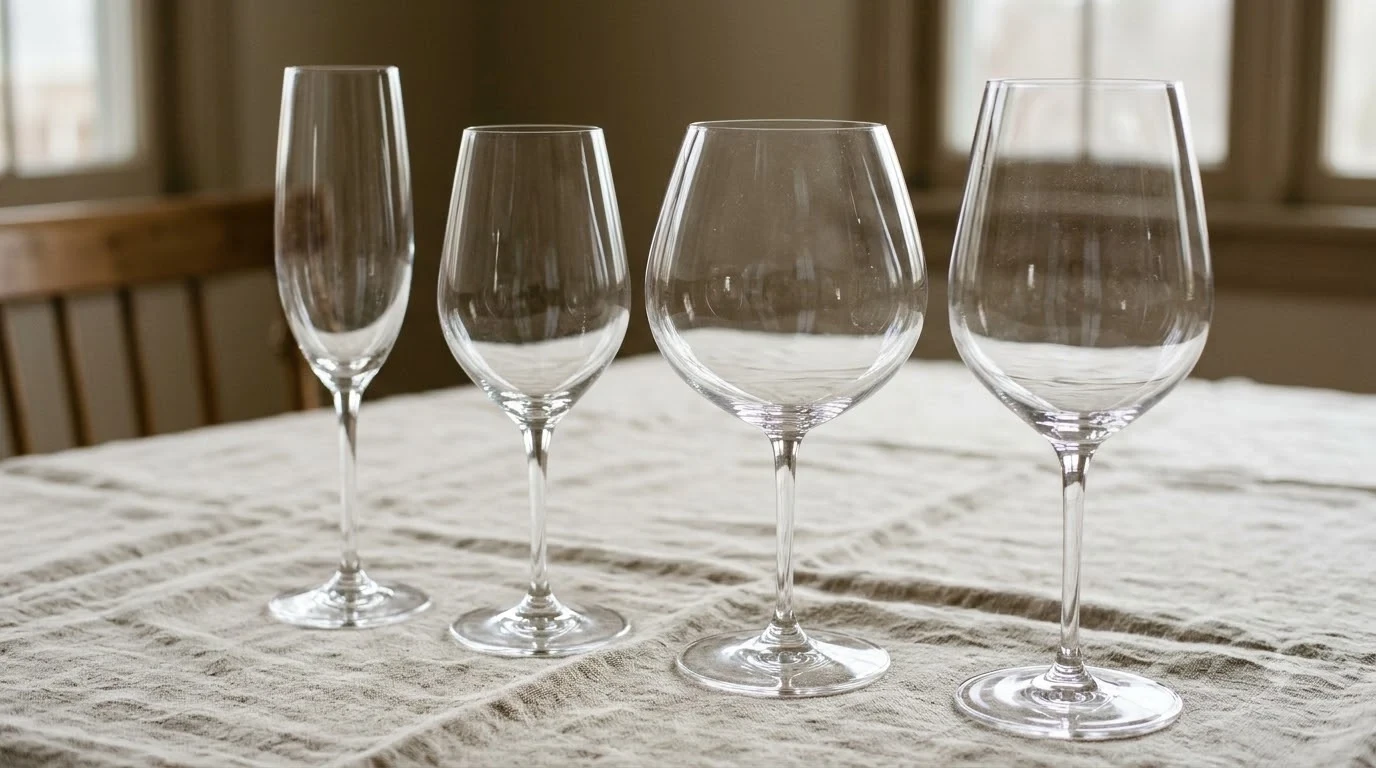
- Pour into a medium or large Burgundy glass so the aromas can open up.
- Start with a roast poultry or pork dish, then move to beef or mushroom-based plates as the wine warms slightly in the glass.
For pairing ideas, look for dishes that match the wine’s structure. Roasted duck, lamb with herbs, and braised beef work well with the firm tannins. A mushroom risotto or a wild mushroom tart brings out the earthy notes. Cheeses such as aged Comté or a mild Gruyère can also suit the wine, especially with a village-level bottle.
If you enjoy comparing French reds, the Cahors wine guide covers another firm, dark-fruited French red. It can help you see how Pinot Noir from Burgundy differs from a very different grape and style. Always drink responsibly, and pace your glasses with food.
How to Buy and Store Pommard
Start by deciding whether you want a village wine or a premier cru bottle. Village wines are often a good way to learn the style, while premier cru bottles give you a more specific sense of a vineyard. Check the vintage and the producer, and read any tasting notes from reputable wine publications before you commit to a case.
Storage matters because Burgundy reds need a stable environment to develop well. Keep bottles in a cool, dark place with steady temperature and humidity, away from kitchen heat and direct sunlight. The manufacturer or importer may offer specific guidance, and the bottle label or the producer’s website is the best place to check.
Producer names matter in Pommard, but this guide does not name individual estates because the sources here do not list them. When you shop, look for a producer whose notes describe the vineyard and the winemaking approach clearly. Retailers and wine shops can explain which Pommard bottles match your taste, and that conversation is often more useful than a general recommendation.
For broader context on how Burgundy fits into the wider wine world, the Wine Regions section explains how regions and appellations work together. You can also read the INAO product page for Pommard, which sets out the appellation’s official description. Learning the basic hierarchy will make it easier to compare Pommard with other red Burgundies.
Frequently Asked Questions
Is Pommard wine red or white?
Pommard is a red-only appellation. INAO describes the Pommard appellation as red Burgundy from the Côte de Beaune. If you see a white wine labeled with the Pommard name, check the label carefully, since the appellation rules describe the red style.
What does Pommard taste like?
Pommard is usually described as structured and firm, with dark fruit notes such as blackberry, blueberry and ripe plum. Many bottles also show redcurrant and cherry pit. Its tannins tend to be more noticeable than those of some neighboring Burgundy villages.
What is the difference between Pommard and Pommard Premier Cru?
A village Pommard can come from anywhere in the commune. A premier cru bottle comes from one of the named higher-rated vineyard sites. The premier cru label usually signals a more site-specific style, although quality still depends on the producer and vintage.
Should I decant Pommard before serving?
Decanting can help if a young bottle feels tight or if it has sediment. Older bottles often need gentle handling to avoid disturbing the sediment. Check the producer’s notes for guidance, and open a younger bottle a short time before you pour.
Pommard rewards curiosity because it shows how a single village can express Burgundy’s terroir in a firm, dark-fruited style. Start with a village bottle to learn the character, then try a premier cru label when you want more detail. Read the label and producer notes each time, and enjoy the wine with food.
More in Wine Regions
 Willcox Wine Trail: Discover Arizona’s High-Elevation Wine CountryUpdated Nov 20, 2026
 Yakima Valley Wine Region: Find the Best Styles to TryUpdated Nov 20, 2026
 Vosne Romanee Wine Tasting: Identify Aromas and Choose Better PairingsUpdated Nov 20, 2026
 Yakima Valley Wine Festival: Find the Best Seasonal Wine EventsUpdated Nov 20, 2026
 Wales Vineyards: Discover Cool-Climate Wines and Where to VisitUpdated Nov 20, 2026
 Yountville Wine Festival: Discover Napa Wines and Local FoodUpdated Nov 20, 2026