

We may earn a commission when you buy through links on this page, at no extra cost to you. Learn more.
Cahors wine is a dark, tannic red from the Lot valley in southwest France, made mostly from the Malbec grape. French appellation rules require at least 70 percent Malbec, with the rest usually Merlot or Tannat. The wines are known for deep color, firm structure and the ability to age well.
This guide explains what Cahors is, why it was once called black wine, how the Malbec grape shapes its style, and how American drinkers can choose, store and pair a bottle. It aims to give practical answers rather than a wine-class lecture.
What Is Cahors Wine?
Cahors is a protected appellation for red wine produced around the town of Cahors. The French authority that oversees appellations describes the wines as red only, with a dark and deep color, and mostly made from Malbec. You can read the regional rules on the INAO product page for Cahors.
The same area also produces white and rosé wines, but those are not sold under the Cahors name. According to the Cahors wine overview on Wikipedia, those lighter styles fall under a different regional label, so check the bottle before you buy.
The vineyards sit along the Lot river, which gives the region its name. The vines grow on gravel terraces formed by the river’s meanders, and the climate blends Atlantic influence with hot summers and wet winters. If you are comparing French regions more broadly, the cognac wine guide covers a very different product made from white wine.
The Malbec Grape and the Cahors Style
Malbec gives Cahors its inky color, firm tannins and dark fruit. In the region the grape is also called Auxerrois or Côt, and its character depends heavily on the limestone soils and the local growing methods.
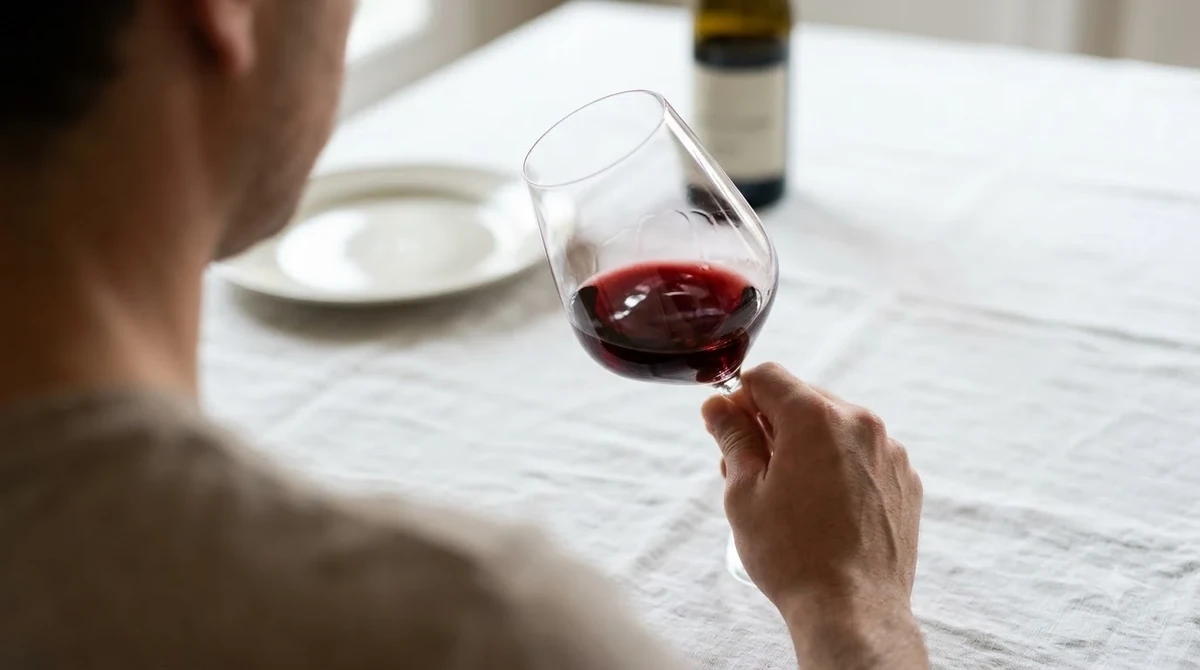
Malbec has a thick skin and needs more sun and heat to ripen than Cabernet Sauvignon or Merlot, according to general viticulture references. That makes the grape better suited to warm sites in southwest France. The limestone soils of Cahors are described as bringing out its darkest and most tannic side.
The INAO describes the aromas as intense red and black fruit, lifted by spice, violet and woody notes. Expect a wine with structure rather than softness. Younger bottles can taste grippy, and that grip is part of what makes the style suited to aging.
The blend rules are important when you read a label. Malbec must make up at least 70 percent of an AOC Cahors red, and the remainder is usually Merlot or Tannat. Merlot tends to add softness, while Tannat brings extra grip. Do not confuse the local Auxerrois with Auxerrois blanc, which is a different white grape.
History and the Black Wine Reputation
Cahors has a long winemaking history. Wikipedia notes that vines were planted in the area around the era of ancient Rome, and the wines built a strong reputation through the Middle Ages. Traders known as Cahorsins shipped the wine to England through Bordeaux in the 13th century.
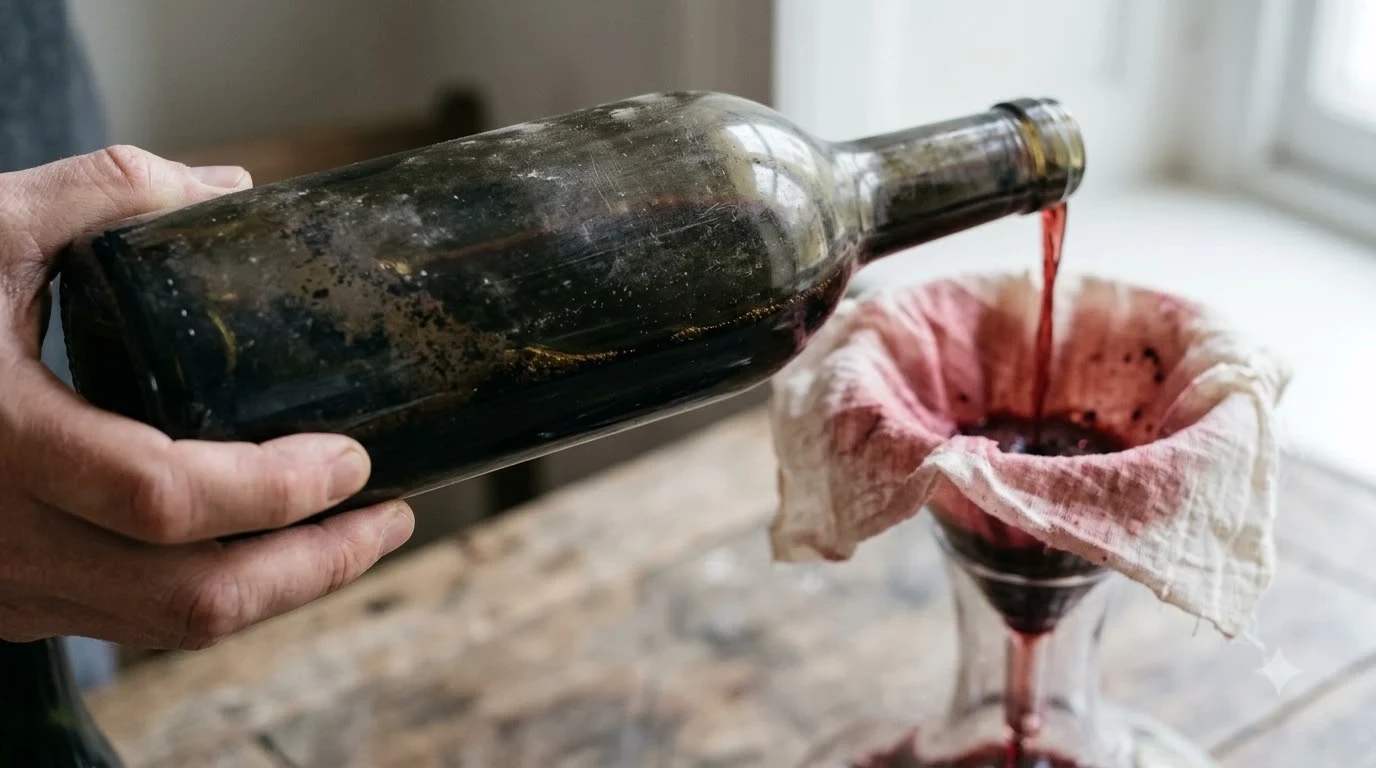
The name black wine came from the deep color and concentrated style that made Cahors stand out. Later, the same dark wine was sent from England to Russia. That trade helped spread the reputation of the region far beyond southwest France.
The region then faced serious setbacks. Phylloxera attacked the vineyards in the late 19th century, and the Wikipedia entry dates the damage in Cahors to 1883 to 1885. A severe frost in February 1956 destroyed almost all of the region’s vines. Replanting shifted the blend toward Malbec, and the AOC status followed in 1971.
Cahors Wine Styles, Aging and Buying Range
Most Cahors is a dry, full-bodied red, and the main differences come from age and blend. The table below sums up the common styles you will see on shelves. Prices change with vintage, producer and retailer, so check current listings rather than relying on a fixed figure.
| Style | What to expect | Practical note |
|---|---|---|
| Young, fruit-forward Cahors | Bright red and black fruit with firm tannins | Often easier to enjoy with simple, rich dishes |
| Aged Cahors | Softer edges, earthier and more savory notes | Needs proper storage and some patience |
| Malbec-rich blends | Malbec with Merlot or Tannat in the remainder | Blend details appear on the back label or producer notes |
| Price range | Varies widely by vintage and producer | Compare current shelf prices in your area |
Producers in the appellation are described as aging wines for a minimum of six months before release, according to the INAO. That is the floor, not the ceiling. Some bottles are made to develop for years in a cellar, while others are ready to drink soon after release.
Because styles differ, read the producer’s notes or ask a shop staff member which vintage suits your plans. A younger wine can be a practical choice for a weeknight meal, while a more structured bottle rewards a longer wait.
Food Pairings for Cahors Wine
Cahors pairs best with rich, savory dishes, because its firm tannins handle fat and grilled flavors well. Lighter, simpler food can work with younger bottles, but the wine tends to dominate delicate fish or salads.
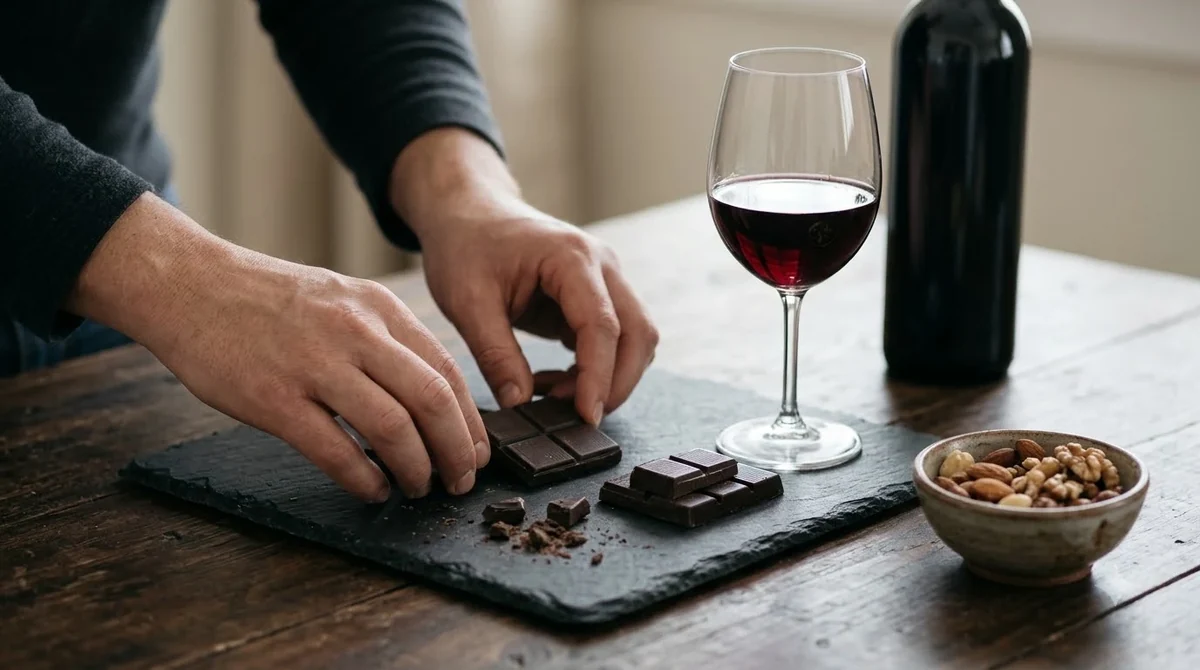
Roasted duck, lamb, grilled steak and slow-cooked pork are classic choices. Hearty stews with beans, mushrooms and herbs suit the earthy side of the style. The dark fruit and spice in the wine also complement roasted vegetables and smoky barbecue sauces.
Hard aged cheeses are a strong match, especially when the cheese is nutty and firm. Mushroom dishes bring out the savory notes that develop in older bottles. For a simple dinner, a young Cahors with a roast and a green vegetable side is a reliable pairing.
Serve the wine slightly cooler than room temperature rather than warm. Young bottles can benefit from a short decant, which softens the grip and opens the fruit. As with any red, drink responsibly and pace yourself with food.
How to Buy and Store Cahors in the US
Look for the Cahors name on the front label, and check that the bottle is a red. Availability in the US varies by state and by shop, so a specialty wine retailer or an online shop that ships legally in your state is often the easiest source.
- Confirm the label says Cahors and that the wine is red.
- Check the vintage and read any producer notes about aging.
- Ask a shop staff member which bottles suit your meal plans.
- Store the bottle on its side in a cool, dark place away from heat.
- Keep the temperature steady, since large swings can stress the wine.
- Open younger bottles closer to serving time, and decant them if they taste tight.
If you plan to age a bottle, a stable spot such as a closet on an inside wall works better than a kitchen counter. Avoid storing wine near the stove or on top of the refrigerator. Storage advice from the producer or the retailer is worth following.
Cahors Compared With Argentine Malbec
Cahors and Argentine Malbec share a grape but differ in climate, soil and texture. Cahors tends to be firmer and more tannic, while Mendoza Malbec is usually plush and fruit-forward. Knowing the difference helps you choose the right bottle for the mood.
| Feature | Cahors (France) | Argentine Malbec |
|---|---|---|
| Typical texture | Firm, grippy and dark | Plush, velvety and fruity |
| Main growing setting | Gravel terraces along the Lot river | Foothills of the Andes in Mendoza |
| Soil and climate | Limestone soils with Atlantic influence | High altitude with strong sun and cool nights |
| Required blend | At least 70 percent Malbec under AOC rules | Often bottled as a single-variety wine |
Malbec reached Argentina in 1868, when French agronomist Michel Pouget brought cuttings to the country, according to the Malbec entry on Wikipedia. Argentine clones have smaller berries, which contributes to the softer style. Argentine vintners have also pushed plantings to high altitudes, with Mendoza sites in the foothills of the Andes often between 800 and 1500 meters.
If you enjoy Cahors, Argentine Malbec is a useful next step for comparison. Start with a bottle from a cooler high-altitude site to see how the fruit and texture change. Then try a Cahors for contrast and notice how the tannins behave with food.
Frequently Asked Questions
What does Cahors wine taste like?
Cahors is a dark, firm red with flavors of black and red fruit, along with spice, violet and woody notes. Young bottles often feel grippy, while older ones soften and become more savory. The style is more structured than most entry-level red blends.
Why is Cahors called black wine?
The name refers to the deep, dark color of the wine, which was historically prized. Wine from the region was shipped to England and later to Russia. Today the nickname is mostly a historical reference rather than a formal category.
Is Cahors made from Malbec?
Yes, Malbec is the dominant grape. AOC rules require at least 70 percent Malbec, and producers may add Merlot or Tannat for the rest. Locally the grape is also called Auxerrois or Côt.
How should I store a bottle of Cahors?
Store the bottle in a cool, dark place with steady temperature, and keep it on its side if it has a cork. Avoid heat and direct sun. Check the producer’s notes for any specific aging guidance before you decide how long to keep it.
Cahors is a rewarding red for drinkers who enjoy structure and deep fruit. Start with a young bottle with a simple meal, then explore older vintages as you learn the style. For more background on French and other wine regions, visit the Wine Regions section.
More in Wine Regions
 Willcox Wine Trail: Discover Arizona’s High-Elevation Wine CountryUpdated Nov 20, 2026
 Yakima Valley Wine Region: Find the Best Styles to TryUpdated Nov 20, 2026
 Vosne Romanee Wine Tasting: Identify Aromas and Choose Better PairingsUpdated Nov 20, 2026
 Yakima Valley Wine Festival: Find the Best Seasonal Wine EventsUpdated Nov 20, 2026
 Wales Vineyards: Discover Cool-Climate Wines and Where to VisitUpdated Nov 20, 2026
 Yountville Wine Festival: Discover Napa Wines and Local FoodUpdated Nov 20, 2026