

We may earn a commission when you buy through links on this page, at no extra cost to you. Learn more.
Chardonnay is a dry white wine with flavors that can range from citrus and apple to ripe peach, butter, and toast, while Zinfandel is a black grape most often made into bold, berry-rich red wine, so chardonnay vs zinfandel comes down to color, texture, and the meal. Chardonnay usually has medium body and moderate acidity, while California Zinfandel commonly delivers fuller body, ripe berry fruit, peppery spice, and higher alcohol. Choose Chardonnay for fish, poultry, and creamy dishes; choose red Zinfandel for grilled meats, burgers, and barbecue. White Zinfandel is a rosé made from the same grape, not a white-wine version of Chardonnay.
Chardonnay and Zinfandel serve different purposes: one is a white grape shaped by climate and cellar treatment, the other a dark-skinned grape associated with California reds. Their flavors, structure, and regions make choosing for dinner more straightforward.
The Main Difference Between Chardonnay and Zinfandel
Chardonnay is a green-skinned white grape used for still and sparkling wines, whereas Zinfandel is a black-skinned grape best known as a red wine. That basic distinction affects color, body, flavor, and the dishes each wine tends to complement.
Chardonnay ranges from pale straw to gold. Cool-climate Chablis may be lean, citrusy, and apple- or flint-driven; warmer California or Australian examples can show peach, melon, pineapple, or mango. Oak can add vanilla, toast, and spice, while malolactic fermentation can create a creamier texture. Region and winemaking choices matter as much as the grape name.
Red Zinfandel is more overtly fruit-driven, with blackberry, raspberry, boysenberry, plum, or cherry alongside black pepper, clove, anise, or sweet spice. Many California bottlings are full-bodied and contain 14% to 16% ABV. Zinfandel also makes lighter reds and rosé; White Zinfandel is a pale, often slightly sweet rosé, not a white wine made from a white grape.
Start with the meal’s weight: Chardonnay usually suits fish, chicken, shellfish, and cream sauces, while red Zinfandel fits grilled meat, tomato pizza, sausages, and smoky flavors. Remember that an unoaked Chardonnay differs greatly from a buttery barrel-aged one, just as restrained Zinfandel differs from a ripe, high-alcohol bottling.
Flavor, Body, Acidity, Tannin, and Alcohol
Chardonnay tends to be medium-bodied with moderate acidity and little noticeable tannin, while red Zinfandel is usually medium- to full-bodied, fruit-forward, and warming from alcohol. The contrast is clearest between a crisp, unoaked Chardonnay and a ripe California Zinfandel at 14% to 16% ABV.
Think about Chardonnay through ripeness and oak. Chablis, Oregon’s Willamette Valley, and the Sonoma Coast often emphasize lemon, green apple, pear, and mineral notes. Warmer sites can show peach, melon, or tropical fruit, while oak contributes vanilla, toast, clove, and nutty flavors. Lees contact and malolactic fermentation can add creaminess. The Wine Enthusiast Chardonnay profile describes the range from citrus and flint to peach and tropical fruit.
Zinfandel ranges from fresh raspberry and red cherry to dense blackberry, plum, raisin, and jam, depending on ripeness and winemaking. Its clusters can contain berries at different stages of ripeness, so a wine may show both fresh and dried-fruit notes. Many California examples are rich and warm but not aggressively tannic; others have more grip and concentration. The Wine Enthusiast Zinfandel profile puts typical California alcohol at 14% to 16% ABV.
| Comparison point | Chardonnay | Red Zinfandel |
|---|---|---|
| Grape color | Green-skinned | Black-skinned |
| Usual wine color | White, pale gold | Ruby to deep purple-red |
| Common body | Medium; can be fuller with ripeness and oak | Medium to full |
| Acidity | Moderate; often brisker in cool sites | Variable; ripe styles can feel round |
| Typical California alcohol | Varies by region and ripeness | Often 14%–16% ABV |
| Suggested serving range | 45–55°F, adjusted for body | 60–65°F for full-bodied reds |
| Common flavors | Apple, citrus, peach, vanilla, toast | Blackberry, raspberry, plum, pepper, clove |
Alcohol changes how wine feels with food: a high-alcohol Zinfandel can intensify chili heat, as can a bold, high-alcohol Chardonnay. Most still Chardonnay and red Zinfandel are dry, so neither is ideal with a very sweet dessert; wine should be at least as sweet as the dessert. White Zinfandel may be semi-sweet and can suit fruit-forward desserts. For more side-by-side grape comparisons, browse these wine comparison articles.
Growing Regions and Winemaking Choices
Chardonnay’s identity changes between cool places such as Chablis and warmer California sites, while Zinfandel’s best-known homes include Lodi, Dry Creek Valley, Amador County, and Paso Robles. Both grapes adapt to different environments, but regional signatures help predict what you will find in the glass.
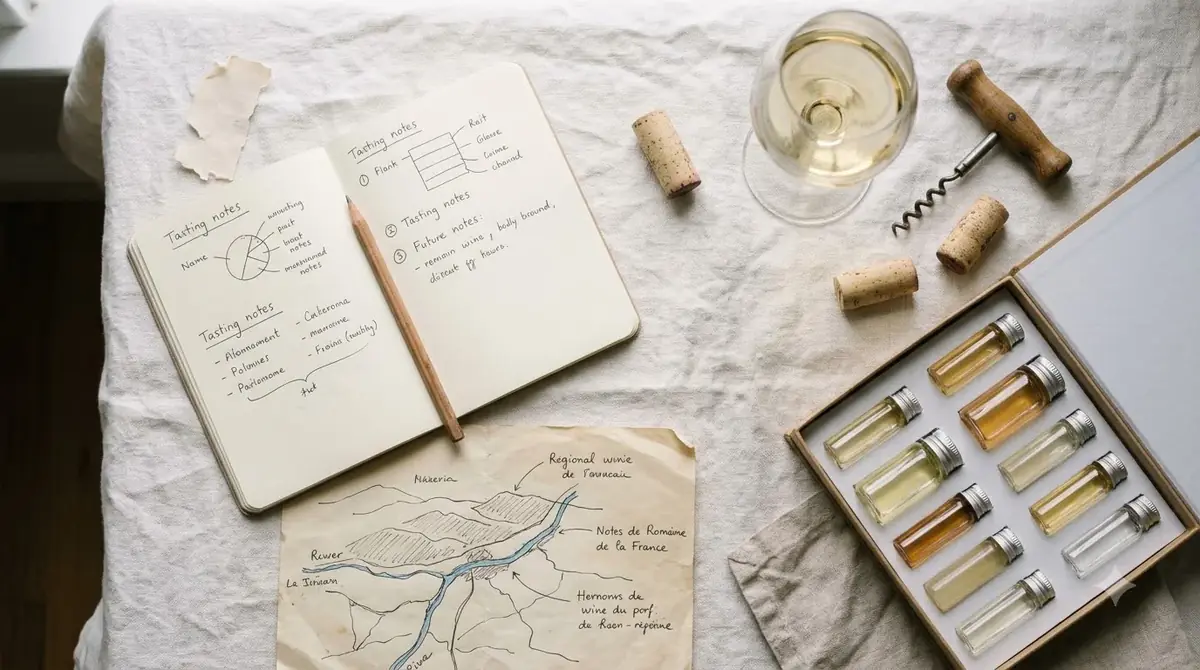
Burgundy is Chardonnay’s reference point, with several distinct styles within the region. Northern Chablis is known for dry, high-acid Chardonnay with citrus, apple, and flinty or stony character; many examples are made without obvious new-oak flavor. Farther south, the Côte de Beaune villages of Meursault, Puligny-Montrachet, and Chassagne-Montrachet can produce fuller, more textured wines, sometimes showing oak, hazelnut, or toast. The Mâconnais, including Pouilly-Fuissé, offers another point of comparison, with styles ranging from fresh to richer and more rounded.
In the United States, California is a major source of Chardonnay, with Napa Valley, Sonoma County, Monterey, and the Santa Lucia Highlands among the areas to recognize. Coastal sites such as the Sonoma Coast can give more restrained fruit and freshness, while warmer inland areas tend to create riper, more opulent profiles. Oregon’s Willamette Valley also makes Chardonnay with a cooler-climate emphasis. Internationally, Chardonnay appears in Australia, New Zealand, Chile, South Africa, and Champagne, where it is one of the permitted grapes for sparkling wine and the only grape in a blanc de blancs Champagne.
Zinfandel is strongly associated with California, where it was planted widely during the Gold Rush era and remains important in many counties. The Wine Institute lists San Joaquin, Sonoma, Madera, Fresno, and Amador among the leading counties for Zinfandel acreage, and says the grape grows in most of California’s 58 counties. Lodi can produce juicy, dark-fruited styles; Sonoma’s Dry Creek Valley is associated with lively berry fruit and complex old-vine bottlings; Amador County is known for ripe, powerful examples; and Paso Robles also produces generous Zinfandel. The Wine Institute’s California Zinfandel overview documents the grape’s statewide footprint and its berry-and-spice profile. Zinfandel is closely linked to Italy’s Primitivo and Croatia’s Tribidrag, also called Crljenak Kaštelanski. Primitivo from Puglia, including Primitivo di Manduria and Gioia del Colle, can be rich and dark-fruited. California Zinfandel and Italian Primitivo share ancestry, but climate, vineyard site, and winemaking give them different regional expressions.
Food Pairings: Fish, Chicken, Barbecue, and More
Chardonnay is usually the safer choice for fish, shellfish, poultry, and creamy sauces, while red Zinfandel suits grilled meat, burgers, sausages, pizza, and slow-cooked dishes. Match the wine’s weight and acidity to the food’s richness, seasoning, and sweetness rather than matching only by color.
For delicate fish, oysters, scallops, or simply grilled white fish, choose a leaner Chardonnay with little obvious oak. Chablis or a cool-climate California Chardonnay can retain enough freshness to complement lemon, herbs, and seafood. A richer Chardonnay can be excellent with lobster, crab, roast chicken, or creamy pasta because its texture and oak notes can stand alongside butter, browned edges, and savory richness. A low-acid wine may seem heavy beside a dish built around lemon or vinaigrette, so choose a brighter style when the food is sharply acidic.
Red Zinfandel comes into its own with foods that have char, smoke, fat, and concentrated savory flavor. Barbecue ribs, grilled sausages, cheeseburgers, meat-lover’s pizza, braised lamb, and tomato-rich stews can all work with ripe berry fruit and peppery spice. Salt and fat soften the perception of tannin, helping a structured red feel more balanced with a fatty burger or slow-cooked meat than with a lean, delicate dish. If the Zin is especially ripe and alcoholic, avoid pairing it with very hot chili: alcohol can intensify the burn instead of cooling it.
Use sauce as the tie-breaker: sweet barbecue glaze can make a very dry wine seem hard, while acidic tomato sauce needs a wine with enough freshness. A high-acid Chardonnay works better than a heavily oaked example with lemony seafood; a barrel-aged Chardonnay may suit creamy mushroom chicken. Oily salmon or mackerel can work with Chardonnay, but tannic reds are usually less comfortable because fish oils can make tannins seem metallic. Zinfandel is often not as tannic as Cabernet Sauvignon, yet its body and alcohol may still overwhelm delicate seafood or intensify very hot chili.
Tip: Choose the wine for the sauce as much as the main ingredient. Lemon, vinegar, and tomato call for enough acidity; butter, cream, and fatty meat can handle a broader texture or firmer red structure.
How to Choose a Bottle at the Store
For Chardonnay, first decide whether you want crisp fruit or a richer, oak-influenced style; for Zinfandel, decide whether you prefer fresh berry character or concentrated red wine. Region, alcohol level, and production terms are more revealing than the grape name alone.
For fresher Chardonnay, look for Chablis, Sonoma Coast, or Willamette Valley, where citrus, apple, and mineral notes are common. Ripe peach, melon, vanilla, toast, and fuller texture point toward warmer California sites or wines described as barrel fermented or oak aged. “Unoaked” or stainless-steel language suggests a cleaner fruit expression; malolactic fermentation may signal a creamier style.
For Zinfandel, explore Lodi, Dry Creek Valley, Amador County, or Paso Robles, but expect differences among producers. California examples often fall between 14% and 16% ABV, a clue to potential body and warmth rather than a quality score. Earlier picking and restrained winemaking can preserve red-fruit freshness and balance.
“Old vine” is a style clue, not a guarantee of quality. Old Zinfandel vineyards can yield concentrated fruit, but vine age alone does not tell you whether a wine is balanced, dry, or tannic. Compare a restrained and a richer bottle from one region to see whether you prefer bright berries or a jammy, spicy profile. White Zinfandel is different: it is a rosé from the same dark-skinned grape, often pale, fruity, and slightly sweet. Compare it with Chardonnay in chardonnay vs. White Zinfandel or explore rosé vs. White Zinfandel; for another red, read Shiraz vs. Zinfandel.
Serving Temperature, Glasses, and Leftovers
Serve Chardonnay cool but not so cold that its aroma disappears, and serve full-bodied red Zinfandel slightly cooler than a warm room. A useful starting point is 45–50°F for lighter Chardonnay, 50–55°F for fuller Chardonnay, and 60–65°F for a full-bodied red Zinfandel.
Temperature changes both wines. Too-cold Chardonnay can seem muted, while too-warm Chardonnay may feel heavy. Serve a bright, unoaked bottle near the cooler end of its range and a fuller one closer to 50–55°F. Let a bottle warm briefly if it tastes sharply cold or closed.
Red Zinfandel should not be served hot just because it is red. A full-bodied bottle is often more balanced at 60–65°F. A young, concentrated Zin may benefit from 30–60 minutes in a decanter, while a lighter, fresher bottle may need no aeration.
A standard pour is about 5 ounces, so a 750-milliliter bottle provides roughly five glasses. Use a white-wine glass for Chardonnay and a larger red-wine glass for Zinfandel. Refrigerate leftovers, including red wine; most still wines keep about 3–5 days, although freshness fades. Bring red wine back toward serving temperature before pouring, and store unopened bottles away from sunlight and temperature swings, ideally near 55°F.
Frequently Asked Questions
These questions cover Chardonnay vineyard conditions, White Zinfandel’s California history, and the aging potential of distinctive Zinfandel bottlings.
Is Chardonnay vulnerable to spring frost?
Yes. Chardonnay is an early-budding variety, so shoots can emerge when cool-climate vineyards are still exposed to spring frost. A frost event can damage new growth and threaten a season’s crop before the grapes have begun to develop. This is one reason vineyard site and local weather patterns matter to growers.
Can Chardonnay be used for dessert wine?
Yes. Although most familiar Chardonnay is dry, the grape can appear in dessert-wine styles as well as still white and sparkling wines. The grape name alone therefore does not guarantee a dry finish. The producer’s style and the wine’s sweetness description are more useful clues.
How did White Zinfandel become popular?
White Zinfandel emerged at Sutter Home in California in the 1970s after a batch of rosé must stopped fermenting before all its sugar was converted. The resulting wine was slightly sweet, and drinkers embraced the style. Its popularity helped maintain demand for Zinfandel grapes and vineyards.
Can a Zinfandel age for more than five years?
Yes. Many everyday Zinfandels are best enjoyed while their fruit is vivid, but top old-vine bottlings can develop for a decade or longer. Concentration, acidity, tannin, vintage conditions, and the producer’s winemaking choices all affect aging potential. A bottle intended for cellaring should be selected by its producer and style, not just the words “old vine.”
What other wine styles can Zinfandel produce?
Alongside red wine and rosé, Zinfandel can be used for Port-style fortified wine. Fortification changes the wine’s strength and sweetness profile, so it is a different experience from a dry table red. These bottles are less common than the grape’s familiar California reds.
Choose Chardonnay for a white wine that can move from crisp citrus to creamy oak, and red Zinfandel for ripe berries, peppery spice, and a fuller frame. Compare unoaked with barrel-aged Chardonnay, then fresh-fruited with concentrated Zin, to find the style that fits your table.
More in Wine vs Wine
 Chenin Blanc vs Pinot Gris: Acidity, Body, and Pairing DifferencesUpdated Nov 20, 2026
 Chianti vs Lambrusco: How Tuscany and Emilia-Romagna Reds CompareUpdated Nov 20, 2026
 Chianti vs Primitivo: Key Differences in Taste, Body, and PairingUpdated Nov 20, 2026
 Chianti vs Rioja: Key Differences in Taste, Aging, and PairingUpdated Nov 20, 2026
 Chianti vs Shiraz: How Acidity, Body, and Food Pairings CompareUpdated Nov 20, 2026
 Chianti vs Syrah: Key Differences in Taste, Body, and Food PairingUpdated Nov 20, 2026