

We may earn a commission when you buy through links on this page, at no extra cost to you. Learn more.
The chardonnay vs white zinfandel comparison comes down to a dry, usually fuller-bodied white wine versus a light, pink rosé that is commonly off-dry or sweet. Chardonnay offers flavors that can range from lemon and green apple to ripe peach, pineapple, vanilla, and butter. White Zinfandel is usually softer and fruitier, with strawberry, raspberry, melon, and a gentle sweetness that makes it easy to sip.
These wines are not simply two versions of the same kind of white wine. They come from different grapes, use different winemaking choices, and suit different meals. The comparison is useful because one is a flexible option for dry-wine drinkers, while the other is a familiar choice for people who prefer a little sweetness and a lighter feel.
The Core Difference: Dry White Wine vs. Pink Rosé
Chardonnay is a white wine made from a green-skinned grape, while White Zinfandel is a rosé made from the dark-skinned Zinfandel grape. The typical Chardonnay is dry and medium- to full-bodied; the typical White Zinfandel is pale pink, light-bodied, and medium-sweet.
The word “white” can be confusing: White Zinfandel is not made from white grapes and is not colorless. Its pink shade comes from brief contact between juice and the red grape skins, placing it in the rosé family.
Chardonnay is usually pale straw to golden yellow. A stainless-steel version may look bright and pale, while a ripe or barrel-aged example can appear deeper gold; color alone does not reveal sweetness or body.
Choose Chardonnay for a dry wine with seafood, poultry, creamy sauces, or cheese. Choose White Zinfandel for a chilled, fruit-forward glass with picnic food, mild appetizers, or gently spicy dishes. Neither style is inherently better; they suit different preferences.
Grapes and Winemaking Create Different Styles
The grapes and cellar decisions explain why these wines taste so different. Chardonnay is a versatile white grape shaped by climate, fermentation, and aging, while White Zinfandel gets its color from a brief period of skin contact and its familiar sweetness from fermentation that leaves some grape sugar behind.
Chardonnay is often called a winemaker’s grape because it can be crisp or richly textured. Stainless-steel fermentation and storage preserve fresh fruit, while oak fermentation or aging can add vanilla, toast, baking spice, and a rounder feel. Wine Enthusiast explains these differences in its guide to Chardonnay production choices.
Malolactic fermentation, or MLF, is another stylistic choice. Bacteria convert sharper malic acid into softer lactic acid, often creating a creamier texture and a buttery note associated with diacetyl. A producer may use full or partial MLF, or avoid it; time on spent yeast cells, known as lees contact, can add further texture and toast-like character.
White Zinfandel is made by briefly macerating crushed grapes with their skins so the juice picks up a pink hue, then separating the juice and continuing fermentation. This limits the color and tannin extracted compared with red Zinfandel. The process is often called saignée, or drawing off pink juice from a red-wine fermentation; Total Wine & More explains the short-maceration method. The familiar medium-sweet style grew from an unexpected fermentation result at Sutter Home in California: in 1972, winemaker Bob Trinchero made a pink wine from drawn-off juice, and in 1975 a fermentation stopped before all the sugar was consumed. The resulting sweetness and lower alcohol helped define the style.
Sweetness, Acidity, Body, and Alcohol Compared
The biggest difference on the palate is sweetness: Chardonnay is usually dry, while White Zinfandel is generally medium-sweet, though drier examples exist. Chardonnay normally has more body and a more structured finish; White Zinfandel tends to feel lighter, softer, and more immediately fruity.
| Characteristic | Chardonnay | White Zinfandel |
|---|---|---|
| Wine category | White wine | Rosé wine |
| Typical sweetness | Dry | Off-dry to medium-sweet |
| Body | Medium to full | Light |
| Acidity | Usually moderate; higher in cool regions | Often relatively low |
| Tannin | Very low | Very low |
| Typical alcohol | Varies by climate and style | About 8 to 10 percent ABV in the common medium-sweet style |
| Common serving range | 50 to 55°F | 45 to 50°F |
| Fruit character | Apple, lemon, peach, pineapple | Strawberry, raspberry, citrus, melon |
Acidity is important because it changes how refreshing a wine feels and how it works with food. Chardonnay’s acidity depends on where the grapes grow and how ripe they are at harvest. A cool-climate bottle from Chablis or the Sonoma Coast can feel brisk, with citrus and mineral notes; a warmer-climate Chardonnay may show ripe peach or pineapple and a softer impression of acidity. White Zinfandel is often lower in acidity, so its sweetness and fruit can be more noticeable than a sharp, mouthwatering finish.
Body is the sense of weight on the palate, not a measure of quality. Chardonnay’s medium-to-full body can come from ripe fruit, alcohol, oak, lees contact, or malolactic fermentation. White Zinfandel’s lighter body and low tannin make it less drying and less structured. Its common 8 to 10 percent alcohol range, reported by Total Wine & More for the medium-sweet style, is also lower than many fuller-bodied table wines, although individual bottles vary.
Fruitiness is not the same as sweetness. Chardonnay can smell of ripe apple or tropical fruit and still taste dry; White Zinfandel’s strawberry and melon aromas often accompany actual residual sugar. For a dry-wine drinker, that distinction matters more than aroma alone.
Flavor Profiles and Bottle Labels to Look For
Chardonnay offers a wider range of flavor and texture than its simple grape name may suggest. White Zinfandel is more consistent in its familiar profile, although winemakers now produce drier versions that move away from the sweeter style.
Chardonnay: citrus, orchard fruit, and oak
In cool places such as Chablis in Burgundy, Chardonnay often leans toward lemon, green apple, chalk, and flinty or stony notes. It can feel leaner and more energetic, making it a natural choice for shellfish and delicate fish. In moderate or warm areas, including parts of California, the fruit may shift toward yellow apple, pear, peach, melon, papaya, and pineapple. The wine can also have a fuller body and a softer finish.
Choose “unoaked” or stainless-steel Chardonnay for a bright style with fruit and acidity in the foreground. References to barrel fermentation, oak aging, vanilla, toast, or butter point toward a richer version. Oak does not automatically mean sweetness: a buttery Chardonnay can still be dry, and producers from the same region can make different styles.
White Zinfandel: red berries and gentle sweetness
White Zinfandel commonly shows strawberry, raspberry, citrus, and melon, sometimes with clove or nutmeg. Its aromas are direct rather than oak-driven, and residual sugar can give the fruit a candy-like edge. Some bottles are closer to off-dry than sweet, so the category does not have one fixed sweetness level.
When choosing a bottle, look for a producer’s sweetness description or tasting notes rather than assuming every White Zinfandel tastes exactly alike. A drier bottling can suit people who enjoy rosé but do not want pronounced sweetness. If the label gives an alcohol figure, it can provide another clue: the classic medium-sweet style often sits around 8 to 10 percent ABV. For broader context on how rosé styles differ, the guide to rose vs white zinfandel can help separate a grape-specific style from the wider rosé category.
Food Pairings for Each Wine
Chardonnay is the more versatile choice for meals that range from delicate seafood to rich poultry dishes, while White Zinfandel works especially well with lighter foods, fruit, mild cheeses, and gently spicy dishes. The best pairing depends on sweetness, acidity, body, and the weight of the recipe—not just the color of the wine.
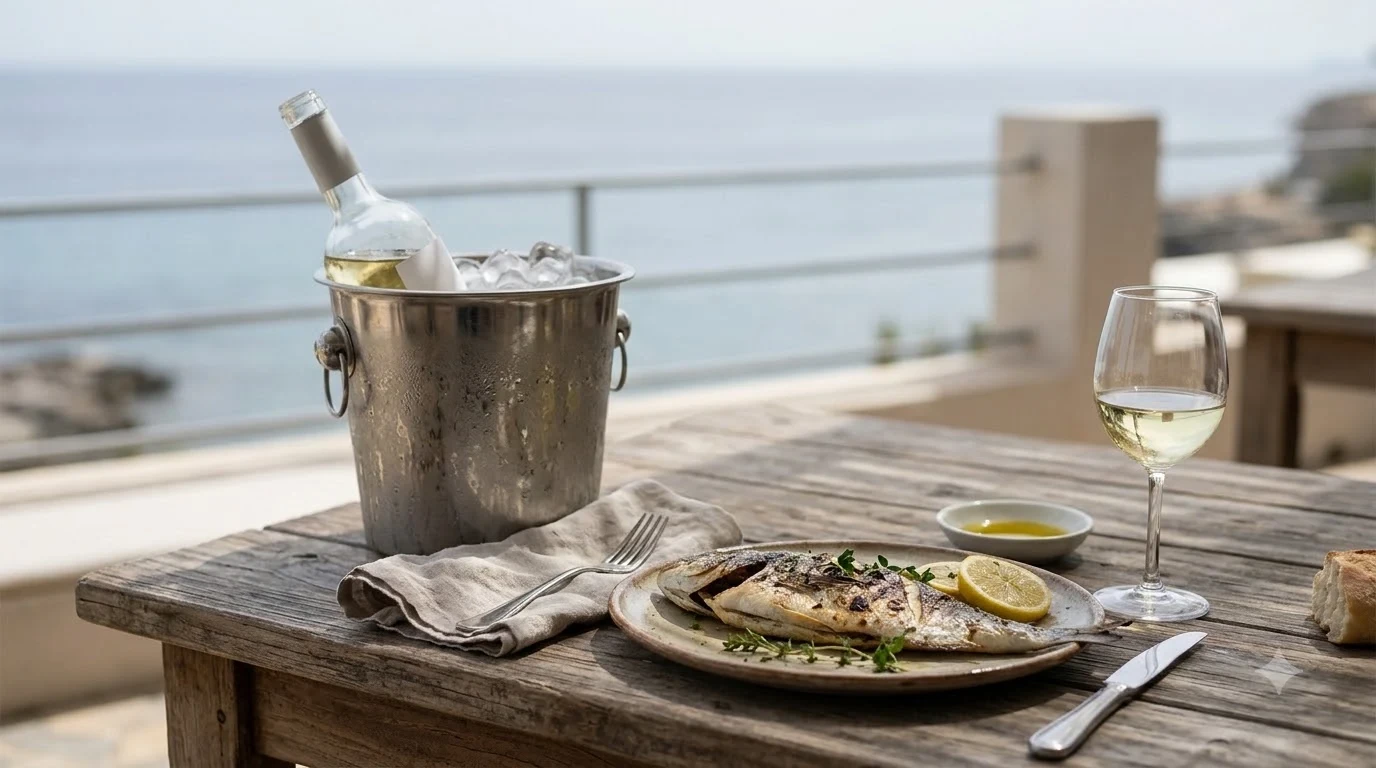
For crisp Chardonnay, try oysters, shrimp, scallops, grilled halibut, or a salad with goat cheese. The wine’s acidity can balance the food’s freshness, while the light body will not overwhelm delicate flavors. A medium-bodied Chardonnay is a good match for roast chicken, pork tenderloin, swordfish, or aged cheeses such as Gruyère and Gouda. If the wine has more oak and a creamy texture, serve it with roast chicken in a cream sauce, buttery lobster, grilled pork, or a richer mushroom dish.
White Zinfandel suits casual plates that benefit from a fresh, fruity note. Pair it with chicken salad, seafood kebabs, mild fish tacos, fruit salad, turkey sandwiches, or a charcuterie board with soft cheeses and sliced fruit. Its slight sweetness can also work with moderately spicy Thai or Indian dishes, since a little sugar can soften the sensation of heat. Keep chili intensity reasonable: alcohol and tannin can make heat feel stronger, and although White Zinfandel is usually low in both tannin and alcohol, a very hot dish can still overwhelm a delicate wine.
Use sweetness and acidity as your final checks. A dessert should be no sweeter than the wine, so sweeter White Zinfandel suits fruit tart, berries, or a lightly sweet dessert better than a very sugary cake. Acidic foods such as vinaigrette, citrus dressing, or tomato-heavy dishes need a wine with equal or higher acidity; crisp Chardonnay is generally a safer fit than low-acid White Zinfandel. Fat and salt can soften tannin in red wines, but that is less relevant here because both choices are low in tannin. The guide to chardonnay vs zinfandel shows how the same Zinfandel grape can produce a different red wine; the site’s Wine vs Wine section offers more side-by-side comparisons.
Serving Temperature, Storage, and Choosing the Right Bottle
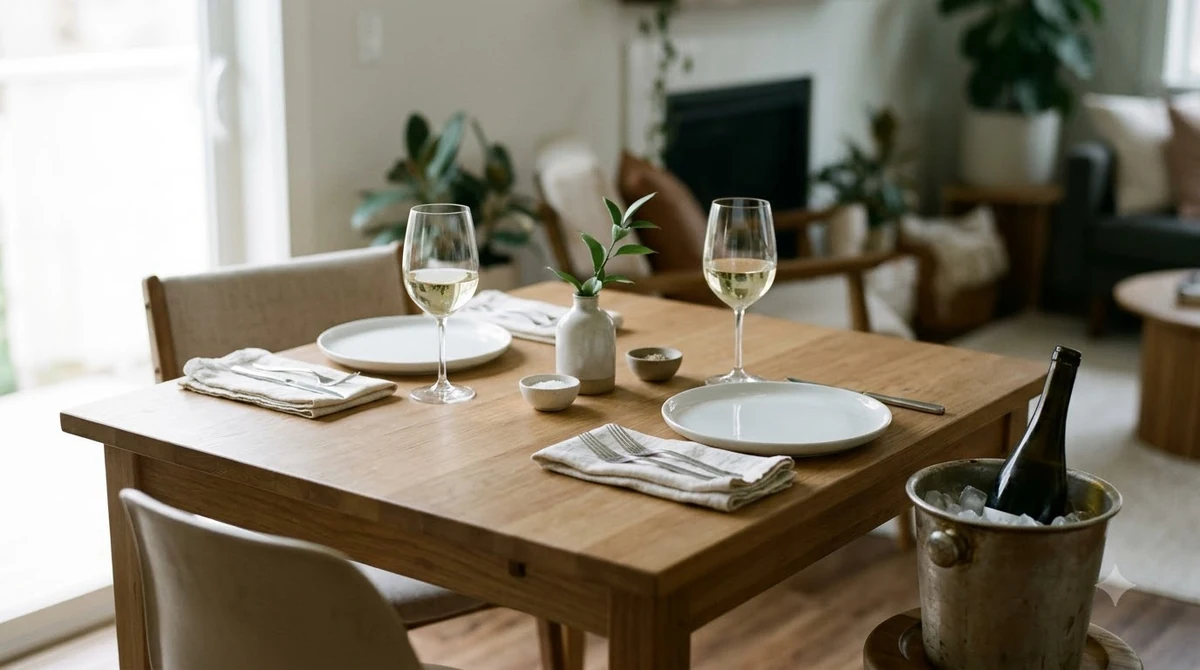
Serve Chardonnay cool but not ice-cold, and serve White Zinfandel a little colder to keep its fruit lively. A practical starting point is 50 to 55°F for Chardonnay and 45 to 50°F for a light rosé such as White Zinfandel.
For Chardonnay, about two hours in a refrigerator or 30 to 40 minutes in an ice-water bath can bring a bottle into the recommended range. If a richer Chardonnay is served too cold, its aroma and creamy texture can seem muted; if it is too warm, alcohol can stand out and the wine may feel heavy. White Zinfandel benefits from a colder pour because its light body and fruit-forward character are refreshing when chilled. Avoid leaving it in an ice bucket for so long that the fruit becomes difficult to smell.
Neither wine needs an elaborate decanting routine. Most White Zinfandel is made for drinking young, not for extended cellaring. Chardonnay varies: everyday examples are often enjoyed relatively young, while selected wines from Burgundy can develop additional complexity with bottle age. Store sealed bottles on their sides in a cool, dark place near 55°F when they have natural corks. After opening, replace the closure and refrigerate the bottle; a general guide for still wines is 3 to 5 days. A standard pour is 5 ounces, and a 750 ml bottle holds about five such glasses, a useful guide for dinner planning.
Tip: Choose by the first sip you want, not by the grape name alone. For a dry, food-friendly wine, start with an unoaked or lightly oaked Chardonnay; for a chilled, softly sweet glass, choose White Zinfandel. When hosting both dry- and sweet-wine drinkers, offering one of each covers two distinct preferences without requiring a complicated tasting.
Frequently Asked Questions
These quick answers cover common points that can be unclear from the front label. Remember that a 750 ml bottle provides about five 5-ounce pours, and that the names describe two distinctly different wine styles.
Can White Zinfandel ever be dry?
Yes. Although the best-known version is medium-sweet, some producers make drier White Zinfandel. Dry versions can be easier to pair with savory foods such as grilled vegetables, salty snacks, and firmer cheeses. Look for tasting notes that explicitly describe a dry finish rather than relying on the pale pink color.
Are Zinfandel and Primitivo the same grape?
They are names for the same grape variety, with Primitivo used in Italy, especially in Puglia. In Croatia, related historical names include Tribidrag and Crljenak Kaštelanski. These names are useful clues when comparing labels, but a red Primitivo from southern Italy is a different wine style from White Zinfandel rosé.
Can Chardonnay be used to make sparkling wine?
Yes. Chardonnay is one of the three principal grapes used in Champagne, alongside Pinot Noir and Pinot Meunier. A Champagne labeled blanc de blancs is made entirely from white grapes and, in the classic Champagne context, is typically all Chardonnay. The grape is also used in sparkling wines made outside Champagne.
What does “saignée” mean on a rosé wine explanation?
Saignée is a French term meaning “bleeding.” A winemaker draws off some pink juice after red grapes have had a short period of skin contact; that juice can be fermented separately as rosé while the remaining red wine has a higher proportion of skins to juice. The technique is used for more than White Zinfandel and does not, by itself, determine whether a rosé will be sweet or dry.
Does a buttery Chardonnay mean the wine contains butter?
No. The buttery impression is an aroma and texture associated with diacetyl, a compound that can form during malolactic fermentation. Chardonnay does not need dairy ingredients to develop that character, and the level of buttery flavor depends on the winemaking choices used for the particular bottle.
Chardonnay is the stronger starting point for drinkers who want a dry white wine with a broad range of flavors and food matches. White Zinfandel is the easy choice for a lighter, pink, fruit-led wine with gentle sweetness. Pick the style that suits the meal and the sweetness level you enjoy, then explore different producers to find the expression you prefer.
More in Wine vs Wine
 Chenin Blanc vs Pinot Gris: Acidity, Body, and Pairing DifferencesUpdated Nov 20, 2026
 Chianti vs Lambrusco: How Tuscany and Emilia-Romagna Reds CompareUpdated Nov 20, 2026
 Chianti vs Primitivo: Key Differences in Taste, Body, and PairingUpdated Nov 20, 2026
 Chianti vs Rioja: Key Differences in Taste, Aging, and PairingUpdated Nov 20, 2026
 Chianti vs Shiraz: How Acidity, Body, and Food Pairings CompareUpdated Nov 20, 2026
 Chianti vs Syrah: Key Differences in Taste, Body, and Food PairingUpdated Nov 20, 2026