

We may earn a commission when you buy through links on this page, at no extra cost to you. Learn more.
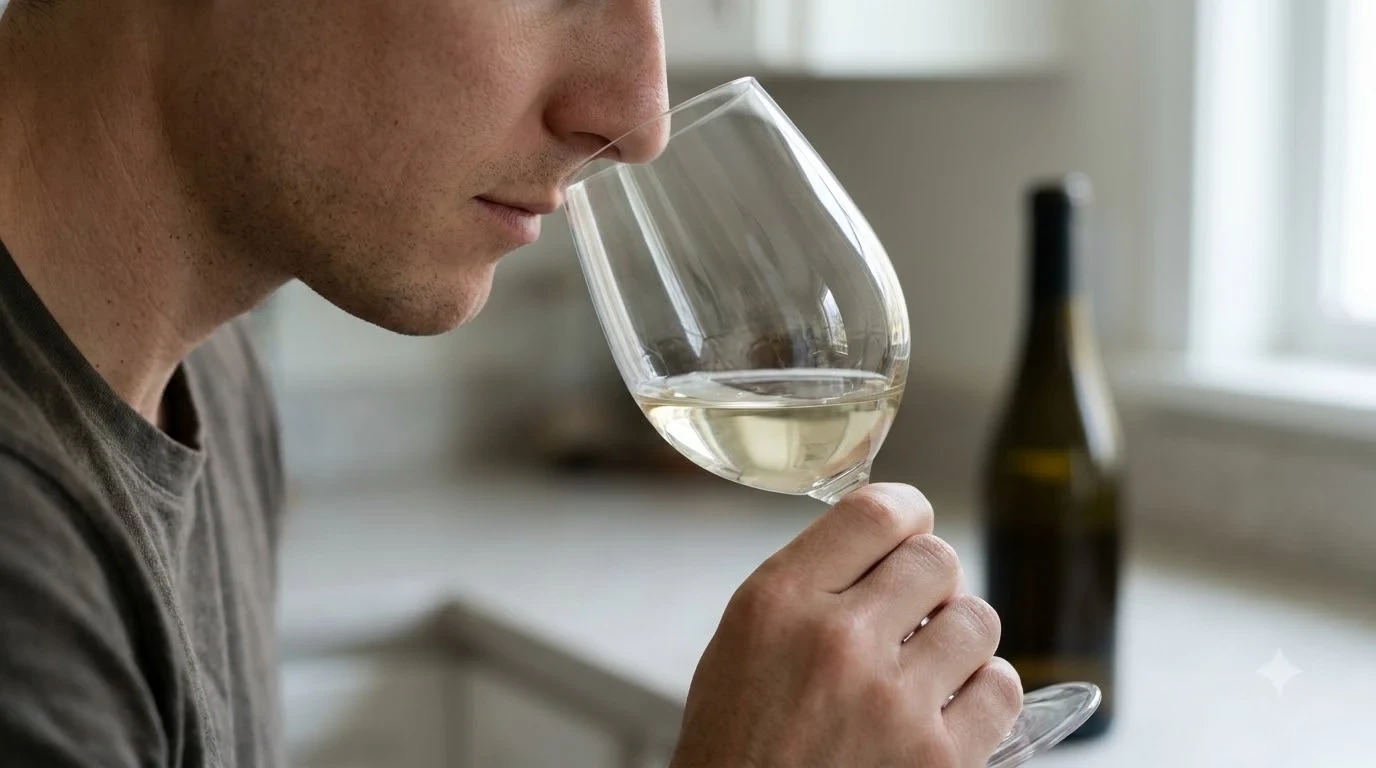
Chardonnay acidity is generally moderate, giving the wine a balanced freshness that varies with climate, harvest timing, and winemaking. Cooler-climate Chardonnay typically has higher acidity, with refreshing lemon, green apple, and citrus characteristics. Warmer-climate versions usually have softer acidity and richer peach, melon, and tropical fruit flavors. Oak aging and malolactic fermentation can further change how sharp or creamy the wine feels.
Chardonnay is one of the most adaptable white wine grapes, and its acidity is a major reason it can produce such different styles. A bottle from Chablis in France can taste crisp and mineral, while a California Chardonnay might feel rounded, buttery, and rich. Understanding acidity makes it easier to recognize these differences, choose a bottle that suits your preferences, and find food pairings that bring out the best in each style.
What Chardonnay Acidity Means in the Glass
Chardonnay generally has moderate acidity, although individual bottles can range from lively and sharply refreshing to soft and rounded. Acidity gives the wine its freshness, balances fruit richness, and creates the mouthwatering sensation that makes another sip appealing.
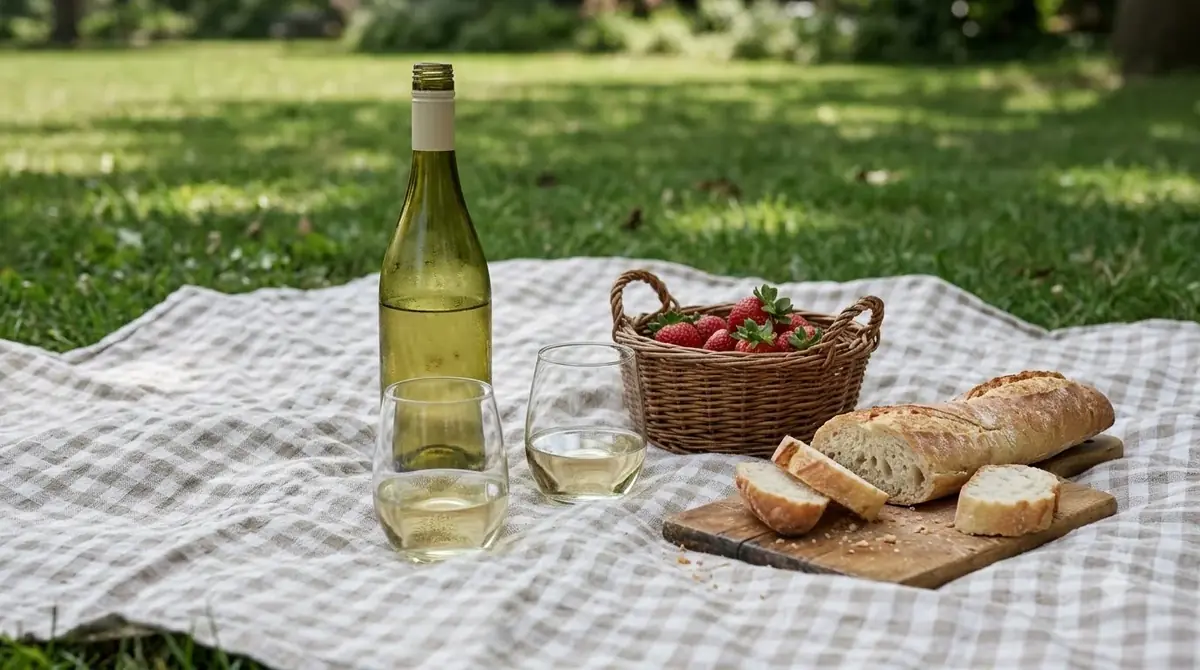
In wine, acidity comes primarily from naturally occurring organic acids in grapes. The two acids most relevant to Chardonnay are tartaric acid and malic acid. Tartaric acid is the principal grape acid, while malic acid contributes a sharper, green-apple-like sensation. Their balance changes during grape development and through winemaking.
When you drink Chardonnay, acidity can appear in several ways. A high-acidity example might remind you of freshly squeezed lemon juice, crisp green apples, or an underripe pear. It produces a lively sensation across the sides of the tongue and leaves the mouth feeling refreshed. A lower-acidity example can seem softer, rounder, and less mouthwatering, even when the wine remains completely dry.
Acidity is not the same as sweetness. A dry Chardonnay can have substantial acidity without containing noticeable residual sugar. Likewise, ripe pineapple and peach aromas do not mean the wine is sweet. Fruit ripeness and sugar levels are related to grape maturity, but the flavor impression of fruit is not a reliable measurement of residual sugar.
Another important distinction is acidity versus body. Body describes how heavy or substantial a wine feels in the mouth. Acidity describes its freshness and sharpness. A full-bodied Chardonnay can still have refreshing acidity, while a light-bodied wine can feel comparatively soft.
Wine Australia describes cool-climate Chardonnay as generally lighter-bodied and higher in acidity than warm-climate examples. This helps explain why two bottles made from the same grape can feel so different despite both being classified as dry white wine.
How Climate Changes Chardonnay Freshness
Growing conditions are among the biggest influences on Chardonnay acidity. Cool regions generally preserve more natural acidity, while warmer growing conditions encourage faster ripening and greater sugar accumulation, often resulting in softer acidity.
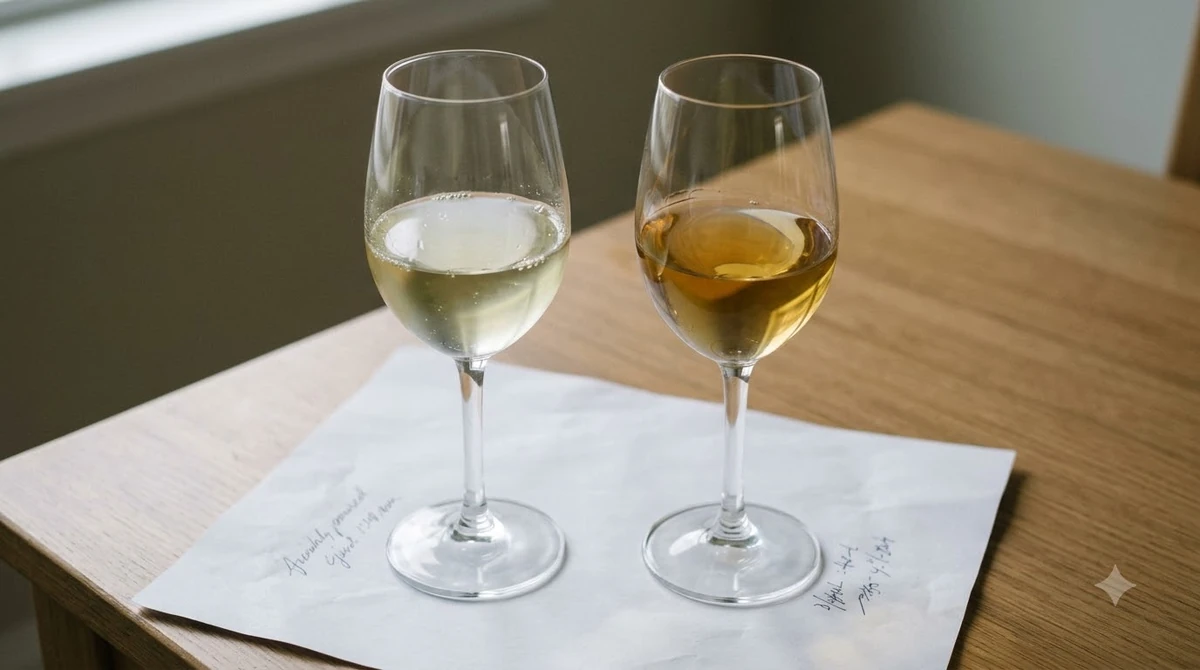
In cooler climates, grapes usually ripen more gradually. This extended development allows winemakers to achieve desirable fruit flavors while retaining freshness. The resulting wines commonly show lemon, lime, green apple, pear, and mineral characteristics. They often have a lighter body and a more energetic finish.
Chablis in northern Burgundy is a classic example. Its Chardonnay wines are widely recognized for their crisp structure, citrus character, and stony or flinty impressions. Sonoma Coast in California and Willamette Valley in Oregon also produce cooler-climate Chardonnay with refreshing acidity. These regions demonstrate that American Chardonnay does not have to be rich or heavily oaked.
Warmer climates create a different expression. Grapes generally accumulate sugar more quickly, and their natural acidity can decline as ripening progresses. The resulting Chardonnay often tastes fuller and riper, with yellow peach, pineapple, melon, papaya, and sometimes banana characteristics.
Examples include warmer inland California growing areas and parts of South Australia. These wines may feel rounder and richer, with less pronounced citrus sharpness. They can still be balanced, particularly when producers select appropriate harvest dates and use winemaking techniques that preserve freshness.
Geography alone does not determine acidity. Elevation, ocean influence, vineyard exposure, nighttime temperatures, and the timing of harvest all matter. Two vineyards within the same broad region can produce Chardonnay with noticeably different levels of freshness.
| Growing environment | Typical acidity | Common flavors | General style |
|---|---|---|---|
| Cool climate | Medium-high to high | Lemon, lime, green apple | Fresh, crisp, lighter-bodied |
| Moderate climate | Medium to medium-high | Pear, peach, citrus | Balanced, medium-bodied |
| Warm climate | Low-medium to medium | Melon, pineapple, ripe peach | Richer, fuller-bodied |
These are general stylistic tendencies rather than fixed chemical measurements. Harvest decisions, vineyard altitude, and cellar practices can create exceptions. For a practical starting point, look for a cool coastal or elevated growing region when you want a particularly refreshing Chardonnay.
How Malolactic Fermentation Softens Acidity
Malolactic fermentation is one of the most important winemaking decisions affecting Chardonnay’s perceived acidity. This process converts sharper malic acid into softer lactic acid, making the wine feel rounder and often contributing buttery aromas.
Despite its name, malolactic fermentation is technically a bacterial conversion rather than a second alcoholic fermentation. Bacteria, commonly Oenococcus oeni, transform malic acid into lactic acid and carbon dioxide. Because lactic acid tastes softer than malic acid, the resulting wine generally feels less sharp.
This conversion also produces diacetyl, a compound associated with buttery aromas. Depending on the extent of malolactic fermentation and other cellar conditions, Chardonnay can develop characteristics reminiscent of butter, cream, and dairy products.
Consider two wines made from grapes grown in the same vineyard. One producer may block malolactic fermentation to retain a bright green-apple character. Another may allow full malolactic conversion to create a smoother, more rounded wine. Even with similar starting fruit, the finished wines can taste substantially different.
Some winemakers choose partial malolactic fermentation as a middle ground. This preserves some of Chardonnay’s natural freshness while adding texture and complexity. It is particularly useful when grapes have substantial natural acidity and the producer wants a wine that feels balanced rather than sharply acidic.
Malolactic fermentation does not automatically make Chardonnay better or worse. Its suitability depends on the grape material, regional style, and intended result. A crisp Chablis-inspired wine benefits from retaining its lively character, while a richer Chardonnay can benefit from the softer structure associated with malolactic fermentation.
Oak Aging, Lees Contact, and the Feeling of Acidity
Oak aging and lees contact influence Chardonnay’s texture, aromas, and overall impression of freshness. Neither technique should be confused with malolactic fermentation, although producers frequently combine them when making richer styles.
Oak barrels contribute flavors such as vanilla, toast, baking spice, and sometimes coconut. The amount of influence depends on the type of oak, barrel age, toast level, and length of contact. New barrels generally contribute more noticeable oak character than older, previously used barrels.
Oak can make Chardonnay feel fuller and less sharply focused. Its vanilla and toasted flavors create an impression of richness that may seem less refreshing than the citrus-forward profile of stainless-steel Chardonnay. However, oak aging does not necessarily remove the wine’s actual acidity.
Lees contact provides another source of texture. Lees are the spent yeast cells remaining after alcoholic fermentation. Leaving wine in contact with them can contribute a creamy, rounded mouthfeel and additional complexity. Some producers periodically stir the lees, a practice known as bâtonnage, to increase their influence.
These methods explain why two Chardonnay wines with comparable acidity measurements may taste different. A stainless-steel wine with little malolactic influence can feel sharper and more energetic. An oak-aged wine with extensive lees contact may feel broader and creamier, even if it retains meaningful acidity.
Recognizing the two broad styles
Unoaked Chardonnay generally emphasizes freshness, clean fruit, and a straightforward texture. Look for descriptions such as crisp, citrus-driven, stainless steel, and mineral. Chablis is a useful regional reference, although some examples use neutral oak.
Oaked Chardonnay usually emphasizes texture and secondary flavors. Words such as barrel-fermented, toasted, buttery, creamy, and vanilla can indicate a richer expression. These descriptors are clues rather than guarantees, since producers use different combinations of oak, lees, and malolactic fermentation.
Tip: If you want Chardonnay with pronounced freshness, start with a cool-climate region and look for stainless-steel fermentation or limited malolactic fermentation. If you prefer a softer, creamier style, explore barrel-aged Chardonnay with lees contact.
Which Regions Produce the Freshest Chardonnay?
Some wine regions are particularly well suited to Chardonnay with noticeable natural acidity. Cool temperatures, coastal breezes, and elevated vineyards help grapes retain freshness while developing their characteristic fruit flavors.
Chablis, France: Chablis is one of the best-known choices for crisp Chardonnay. Its wines often combine green apple, lemon, chalky impressions, and flinty characteristics. Many examples are fermented and matured in stainless steel or neutral oak, preserving the emphasis on fruit and freshness.
Sonoma Coast, California: Pacific Ocean influence and cool growing conditions help maintain acidity. Chardonnay from this area can feature lemon, green apple, pear, and subtle mineral notes. Producers make both restrained and more textured expressions, so the region offers considerable stylistic variety.
Willamette Valley, Oregon: Oregon’s relatively cool climate supports Chardonnay with lively acidity and citrus or green-fruit characteristics. Depending on the vineyard and producer, these wines can range from delicate and mineral to textured and barrel-aged.
Adelaide Hills, Australia: Wine Australia identifies this as South Australia’s coolest wine region, with average vineyard altitudes exceeding 400 meters. Its Chardonnay often combines citrus and peach flavors with a textured, complex profile.
Mornington Peninsula, Australia: Ocean cooling helps this region produce restrained Chardonnay with medium-weight body and delicate melon, white peach, and citrus flavors. It is a useful region to explore if you enjoy freshness without excessive sharpness.
Marlborough, New Zealand: Although especially famous for Sauvignon Blanc, Marlborough also produces Chardonnay with crisp acidity and tropical fruit characteristics. This combination can provide freshness alongside more generous fruit flavors.
Other regions can offer excellent acidity as well. Margaret River in Western Australia, for example, produces concentrated Chardonnay with recognizable lime-like acidity despite its relatively warm conditions. Its ocean influences help maintain balance.
For additional regional information, Wine Australia’s Chardonnay regional guide explains how growing conditions and winemaking influence the variety’s different expressions, including those from Adelaide Hills, Margaret River, Mornington Peninsula, and Yarra Valley.
The key is to consider both location and winemaking. A warm-region Chardonnay made with careful harvesting and restrained cellar techniques can retain impressive freshness, while a cooler-region wine with extensive malolactic fermentation and oak aging can feel considerably richer.
How to Choose Chardonnay Based on Acidity
The easiest way to select Chardonnay is to decide how much freshness and richness you want before considering individual producers. Regional information, label descriptions, and winemaking terminology provide useful clues even when you cannot taste the wine beforehand.
If you prefer a crisp white wine, begin with Chablis, Sonoma Coast, Willamette Valley, or Adelaide Hills. Look for descriptions mentioning citrus, green apple, mineral character, stainless-steel fermentation, and restrained oak. These indicators commonly point toward a fresher style.
If you enjoy moderate acidity with more generous fruit, consider Chardonnay from Margaret River, the Yarra Valley, or selected areas of California. These regions offer wines that can combine ripe pear and peach flavors with enough freshness to keep the finish balanced.
For a rich, creamy expression, explore barrel-aged Chardonnay from warmer parts of California or fuller-bodied white Burgundy. Descriptions mentioning buttery, toasted, vanilla, creamy, and full-bodied often indicate a style with substantial texture and softer perceived acidity.
It is also useful to understand the distinction between Chardonnay and other popular white wines. Sauvignon Blanc and Riesling generally have higher acidity than Chardonnay, making them suitable alternatives when you want a sharper, more energetic style. Pinot Grigio can provide a lighter, often more neutral alternative.
If Chardonnay is unavailable, the best Chardonnay substitute depends on the role it plays in your meal or recipe. Sauvignon Blanc may provide more acidity, while Viognier offers a richer texture and more aromatic fruit character.
Reading about grape varieties can also help you compare styles across the wider Wine by Type category. Understanding how acidity differs between white wines makes it easier to choose a bottle that matches your preferred balance of freshness, fruit, and body.
Useful buying clues
Pay attention to these practical indicators:
- Region: Cool coastal and elevated regions commonly produce fresher Chardonnay.
- Fruit descriptions: Lemon, lime, green apple, and pear often suggest a brighter profile.
- Winemaking: Stainless steel and limited malolactic fermentation generally preserve a sharper impression.
- Texture: Creamy, buttery, and toasted descriptions suggest a rounder expression.
- Alcohol: Higher alcohol can accompany riper, fuller-bodied Chardonnay, although it does not independently determine acidity.
These clues work best together. A single word on a label cannot establish the exact chemical acidity of a wine, but regional origin and production style can provide a reliable starting point.
Food Pairings That Work With Chardonnay Acidity
Chardonnay’s acidity makes it a flexible food wine, particularly with seafood, poultry, and creamy dishes. The most successful pairing considers not only acidity but also the wine’s body, oak influence, and the richness of the food.
High-acidity Chardonnay works especially well with foods that have fresh, delicate flavors. Chablis-style Chardonnay pairs naturally with oysters, shrimp, scallops, and simply prepared white fish. Its citrus character provides freshness, while its acidity helps balance the subtle richness of seafood.
For dishes with noticeable acidity, such as lemon-seasoned chicken or vinaigrette-based salads, choose a Chardonnay with equal or higher acidity. A wine that is less acidic than the food can seem flat or overly soft by comparison.
Medium-acidity Chardonnay is a natural match for roasted chicken, pork tenderloin, grilled halibut, and moderately rich pasta dishes. Its balance of fruit and freshness complements these foods without overwhelming their flavors.
Fuller-bodied Chardonnay can handle richer preparations. Consider roasted chicken with cream sauce, lobster with butter, grilled salmon, or pasta with mushrooms and Parmesan. Oak-aged Chardonnay often works particularly well because its fuller texture matches the weight of the dish.
Salt and fat can soften the perception of acidity, while creamy sauces help balance a wine’s sharper edges. This is one reason Chardonnay is frequently paired with butter-based seafood preparations and aged cheeses.
There are also combinations worth avoiding. Very acidic dishes can make a softer Chardonnay taste flat. Strong chili heat can become more noticeable alongside alcohol, particularly in a fuller-bodied Chardonnay. For spicy food, a lower-alcohol wine with some residual sweetness may be more comfortable.
For a simple dinner, try high-acidity Chardonnay with steamed fish and lemon, medium-acidity Chardonnay with roast chicken, or fuller-bodied Chardonnay with lobster and butter. Matching the wine’s weight and freshness to the food usually produces a more satisfying result.
Serving Temperature and Preserving Chardonnay Freshness
Serving temperature has a direct effect on how Chardonnay’s acidity, aromas, and texture are perceived. Full-bodied Chardonnay is generally best served slightly warmer than light-bodied white wine, allowing its aromas and richer characteristics to develop without losing freshness.
A practical serving temperature for full-bodied Chardonnay is 50–55°F. This range allows oak, fruit, and creamy characteristics to show while maintaining a refreshing structure. Lighter, unoaked examples can be served slightly cooler, around 45–50°F.
Serving Chardonnay too cold can suppress its aromas and make the wine seem less expressive. Conversely, serving it too warm can emphasize alcohol and make the wine feel heavy. A short period in the glass often helps a chilled Chardonnay open up naturally.
For storage, keep unopened bottles in a cool, dark environment with a relatively stable temperature near 55°F. Avoid direct sunlight, excessive heat, and repeated temperature fluctuations. Bottles with natural cork closures are generally stored horizontally to keep the cork from drying out.
Once opened, reseal the bottle and refrigerate it. Most still Chardonnay remains enjoyable for approximately 3–5 days, although its freshness gradually declines through oxidation. A wine with delicate citrus aromas may show deterioration sooner than a richer example.
When pouring, a standard serving is 5 ounces. A 750-milliliter bottle provides approximately five standard glasses, making it easy to plan portions for dinner. Keeping the bottle chilled between pours helps preserve its balance throughout the meal.
Temperature and storage cannot change the wine’s original acidity, but they can influence how clearly you perceive it. Proper serving conditions help preserve the contrast between Chardonnay’s fruit, acidity, and texture.
Frequently Asked Questions
Is Chardonnay more acidic than Pinot Grigio?
Chardonnay and Pinot Grigio can overlap in acidity, depending on their growing regions and production methods. Pinot Grigio is often lighter and more neutral in flavor, while Chardonnay can have a broader range of body and texture. The specific producer and vineyard conditions matter more than the grape name alone.
Does Chardonnay become less acidic as it ages?
Chardonnay can experience changes in its acid balance during bottle aging. Tartrate crystals may form and precipitate, reducing some tartaric acid in the wine. Aging also develops secondary aromas such as honey, nuts, and mushroom, changing the overall impression of freshness.
Can Chardonnay have a pH below 3.2?
Yes. Some high-acidity Chardonnay wines can have a pH below 3.2, particularly examples from cool growing regions. However, pH and titratable acidity measure different properties, so neither number alone describes the complete sensory experience of a wine.
Why does Chardonnay sometimes taste sour after opening?
Excessive oxidation and microbial spoilage can change Chardonnay’s aromas and flavors after opening. Acetic acid bacteria can produce vinegar-like aromas, while other spoilage processes may create unpleasant sour or bruised-apple characteristics. Refrigeration and a secure closure help slow these changes.
Does sparkling Chardonnay have the same acidity as still Chardonnay?
Not necessarily. Chardonnay used in traditional-method sparkling wine, including Blanc de Blancs Champagne, is often harvested with freshness and acidity in mind. The finished wine’s dosage, aging, and production choices influence its final balance. Blanc de Blancs means sparkling wine made exclusively from white grapes, commonly Chardonnay in Champagne.
Chardonnay acidity depends on much more than the grape itself: climate, harvest decisions, malolactic fermentation, oak aging, and lees contact all influence the final experience. For a crisp, refreshing bottle, explore Chablis, Sonoma Coast, or Adelaide Hills; for a richer expression, consider barrel-aged Chardonnay from California or Burgundy. Once you understand these differences, choosing a Chardonnay that matches your preferred freshness, texture, and food becomes much easier.
More in Wine Types & Grapes
 What Does Mourvèdre Taste Like? Flavor Profile, Regions, and PairingsUpdated Nov 20, 2026
 What Does Marsanne Taste Like? Flavors, Styles, and Food PairingsUpdated Nov 20, 2026
 What Does Malvasia Taste Like? Styles, Flavors, and Food PairingsUpdated Nov 20, 2026
 What Does Grenache Blanc Taste Like? Flavor Profile, Styles, and PairingsUpdated Nov 20, 2026
 What Does Garnacha Taste Like? Key Flavors, Styles, and Pairing TipsUpdated Nov 20, 2026
 What Does Fruit Wine Taste Like? A Complete Flavor and Style BreakdownUpdated Nov 20, 2026