

We may earn a commission when you buy through links on this page, at no extra cost to you. Learn more.
Chablis vs chardonnay is a question of place and style, because Chablis is made from chardonnay. Chablis is a region in northern Burgundy, and its wines are usually lean, bone-dry, mineral and lightly oaked or unoaked. Chardonnay is the grape itself, and it produces everything from crisp, unoaked whites to rich, buttery bottles from warm regions. Knowing the difference helps you read a label and choose a white that fits your taste.
Many shoppers see “Chablis” on a list next to “Chardonnay” and assume they are two different wines. In practice, Chablis is a place with its own style rules, while Chardonnay is the grape that can be made in dozens of styles across the world. This guide explains how the two relate, how they taste and how to choose between them. For a related side-by-side comparison, the Bordeaux vs Burgundy guide covers another pair from the same French region.
Chablis and Chardonnay: How They Relate
Chablis sits in northern Burgundy, and the wines there are made from Chardonnay. That is the key link. Wine Folly’s Chablis guide describes the region as a leaner expression of the grape that generally uses less oak than many Chardonnays from other places. The same guide notes that Chablis sits as close to Champagne as it does to the rest of Burgundy, which says something about its cool, northern character.
So “Chablis” on a label tells you about the place and the style, while “Chardonnay” tells you about the grape. A Chablis is a Chardonnay, but not every Chardonnay tastes like Chablis. The rest of the world makes Chardonnay in warmer climates and with more oak, and those bottles can feel rounder, creamier and more fruit-forward.
Flavor and Body Compared
Chablis is usually bone-dry with a light body, no tannin and medium-high acidity. Its flavor profile leans toward quince, lime peel, white flowers and a distinct chalky, mineral edge. Many drinkers describe it as crisp and precise rather than rich, and the finish tends to be clean and bright.
Chardonnay covers a much wider span. According to Wine Folly’s Chardonnay guide, lean unoaked styles sit around 12% to 13.5% alcohol, while richer styles can reach 14.5% to 15%. Unoaked versions are crisp and lean, with green apple, pear and citrus. Oaked versions show vanilla, butter and baking spice over stone fruit, and they feel fuller and creamier in the mouth.
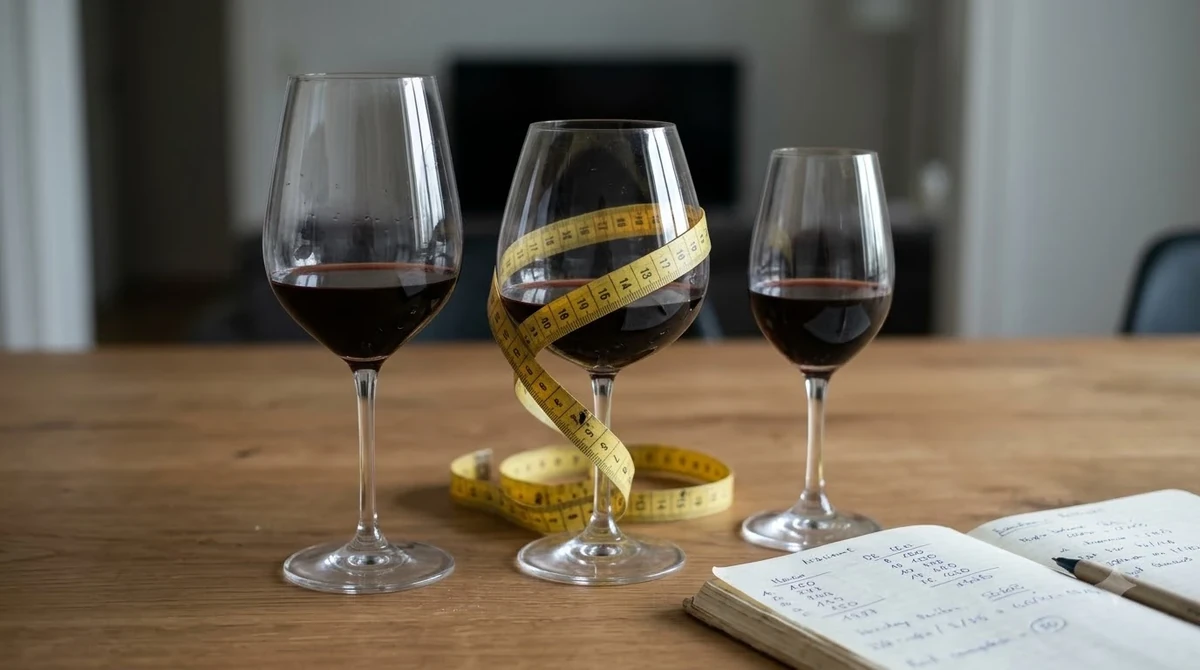
| Feature | Chablis | Chardonnay (general) |
|---|---|---|
| What it is | A region in northern Burgundy | A white grape variety |
| Typical style | Lean, dry, mineral | Ranges from lean and crisp to rich and oaked |
| Oak | Generally less oak | Varies from none to heavy oak |
| Typical ABV | 11.5% to 13.5% | About 12% to 15% |
| Common flavors | Quince, lime peel, white flowers, chalk | Green apple and citrus (unoaked); vanilla and butter (oaked) |
Where the Flavor Comes From
Chablis gets its character from its soil and climate. Wine Folly’s Chablis guide describes the soils as crushed seashells from the Jurassic period, a description that helps explain the wine’s chalky, mineral feel. The cool northern climate keeps acidity high and ripeness moderate, which is why the wine tastes precise instead of heavy.
Chardonnay’s character depends more on how it is made. Oak barrels add flavor, and the type of wood matters. Wine Folly notes that American oak tends to be bolder and coconutty, French oak subtler and spicy, and Hungarian oak a balance of the two. Malolactic fermentation, where the wine’s sharp malic acid converts to softer lactic acid, adds buttery notes that many people associate with a classic Chardonnay.
Which Chardonnay Tastes Most Like Chablis?
If you like Chablis but want a bottle you can find more easily, look for an unoaked or lightly oaked Chardonnay from a cool climate. These wines share the crisp acidity and clean finish, though they usually show more green apple and citrus and less chalk. The label may say “unoaked” or describe the wine as crisp, lean or mineral, and those words point toward a Chablis-style profile.
If you prefer richer whites, a warm-climate oaked Chardonnay will taste very different. It will feel rounder and creamier, with more vanilla and tropical fruit. Neither style is better, but knowing which one you want narrows the search quickly.
Serving and Food Pairings
Serving temperature suits both wines but matters more for the leaner styles. Wine Folly suggests serving Chablis at 45 to 55 degrees Fahrenheit, or 7 to 12 degrees Celsius, in a white wine glass, and it notes that decanting is not needed. Lean Chardonnay styles are often best around 45 degrees, while oaked versions can be served closer to 55 degrees.
Chablis works well with oysters, shellfish, grilled fish, goat cheese and lighter poultry dishes. Its acidity and minerality cut through richness, which is why it is a classic partner for raw bar plates. Oaked Chardonnay is more flexible with rich dishes such as roast chicken with pan sauce, lobster with butter, or creamy pasta. Match the weight of the wine to the weight of the food, and you will rarely go wrong.
Tip: Chablis can age well. Wine Folly notes that the wine can be cellared for 10 years or more, so a well-made bottle from a good vintage can gain complexity over time.
How to Choose Between Them
Choose Chablis if you want a white that is crisp, dry and mineral, with a clean finish and a light body. It suits warm afternoons, seafood dinners and anyone who finds oaked whites too heavy. The region’s style is consistent, so the name on the label is a useful signal.
If you like the idea of comparing a lean style with a riper one, the same logic applies to red grapes. The merlot vs pinot noir guide shows how a softer, fruit-led wine differs from a lighter, more savory one, and it follows the same method: look at the grape, the region and the style on the label before you decide.
Choose Chardonnay when you want to explore the grape’s range. Start with an unoaked bottle if you like Chablis, or move to an oaked one if you want more texture and vanilla. Reading the label for words like “unoaked,” “oaked” or “reserve” gives you a strong clue about the style before you open the bottle.
Frequently Asked Questions
Is Chablis made from Chardonnay?
Yes. Chablis is a region in northern Burgundy, and its white wines are made from Chardonnay. The style is leaner and usually less oaked than many Chardonnays from other regions.
Is Chablis sweeter than Chardonnay?
Chablis is bone-dry, with no residual sweetness. Some Chardonnays from warm regions can taste richer and riper, which may feel softer, but sweetness is not the main difference between the two.
Does Chablis always taste like minerals?
Mineral and chalky notes are a hallmark of Chablis, and they come largely from its soils and cool climate. Individual bottles vary by producer and vintage, so the level of minerality can differ.
Which is better for a beginner, Chablis or Chardonnay?
Many beginners start with an unoaked Chardonnay because it is easy to find and approachable. Chablis is a good next step for someone who wants a drier, more precise white. Both are useful to learn, and tasting them side by side is the quickest way to see the difference.
If you want more side-by-side guides like this one, the Wine vs Wine section is organized around the same kind of questions.
Chablis and Chardonnay are closely linked but not identical. Chablis shows what the grape can do in a cool, mineral setting, and Chardonnay shows how far the grape can stretch across styles. Compare a few bottles side by side, and you will quickly learn which one suits your table.
More in Wine vs Wine
 Nero d’Avola vs Pinot Noir: Taste, Body, and Pairing DifferencesUpdated Nov 21, 2026
 Chenin Blanc vs Pinot Blanc: Key Differences in Taste, Acidity, and PairingsUpdated Nov 21, 2026
 Chardonnay vs Shiraz: Key Differences in Taste, Serving, and PairingUpdated Nov 21, 2026
 Chardonnay vs Verdejo: How Spain’s Crisp White Compares to the World’s ChameleonUpdated Nov 21, 2026
 Chardonnay vs Sancerre: Key Differences in Taste, Grapes, and PairingUpdated Nov 21, 2026
 Chardonnay vs Malbec: Key Differences in Taste, Body, and PairingUpdated Nov 21, 2026