

We may earn a commission when you buy through links on this page, at no extra cost to you. Learn more.
Cabernet franc vs cabernet sauvignon comes down to weight and aroma. Cabernet sauvignon is usually the fuller, firmer of the two, with black fruit, cedar and a long tannic finish. Cabernet franc is typically lighter in body, higher in acidity and more aromatic, with red fruit, herbs and sometimes violet. Both grapes are related, and both appear in Bordeaux blends, so the difference is one of degree and style rather than a sharp divide.
These two red grapes sit side by side on many wine shelves, and the names are close enough to cause confusion. This guide walks through the family link, the flavor and body differences, the regions where each shines and how to serve and pair them. For more side-by-side comparisons of this kind, the Wine vs Wine section is a good place to continue.
How the Two Grapes Are Related
Cabernet franc and cabernet sauvignon are close relatives. Wine Folly’s guides note that Cabernet Franc is one of the parents of Merlot, which makes Merlot and Cabernet Sauvignon half-siblings. That family tie explains why the two share some aromatic DNA, but the balance of their flavors has moved in different directions over centuries of growing.
In the vineyard, they are both red grapes with thick skins and a long growing season, yet their behavior differs. Cabernet franc ripens earlier and handles cooler sites better, while cabernet sauvignon needs more warmth to reach full ripeness. That difference shapes the wines more than most drinkers realize, and it is why the same grape can taste very different from one climate to another.
Body, Tannin and Alcohol
Cabernet sauvignon is the heavier of the two. Wine Folly describes it as full-bodied with medium-high tannin and alcohol in the range of 13.5% to 15%. The tannin gives it grip and aging potential, and the wine often feels firm and structured on the palate, especially when young.
Cabernet franc is lighter on the scale. Wine Folly’s Cabernet Franc guide lists it at about 11.5% to 13.5% alcohol, with medium body and high, zesty acidity. Tannin is medium-high in warmer places and lower in cooler ones, so the same grape can feel soft in one bottle and firm in another.
| Feature | Cabernet franc | Cabernet sauvignon |
|---|---|---|
| Typical ABV | 11.5% to 13.5% | 13.5% to 15% |
| Body | Medium | Full |
| Tannin | Medium-high, lower in cool climates | Medium-high to firm |
| Acidity | High, often described as zesty | Medium |
| Main flavors | Strawberry, raspberry, herbs, violet | Black cherry, blackcurrant, cedar, graphite |
Flavor Differences
Cabernet franc’s signature is red fruit with a green or herbal lift. Strawberry and raspberry are the primary notes, and cooler climates bring tart red fruit with a hint of bell pepper. Those pepper notes come from compounds called pyrazines, which also give the wine a fresh, sometimes leafy edge. In cooler climates, violet can show up in the aroma, and warmer examples add dried fruit and a touch of spice.
Cabernet sauvignon is more about dark fruit and structure. Black cherry and blackcurrant lead the profile, with cedar, baking spice and graphite in the background. Regional styles vary, and some bottles lean fruity while others feel savory and smoky. The wine’s firm backbone is the reason it ages well, and younger bottles can taste tight until they have had some air or time in the cellar.

Where Each Grape Grows Best
Cabernet franc is especially associated with the Loire Valley, where it makes lighter reds with red fruit, floral and herbal notes. Chinon is the best-known appellation for these wines in the Loire. In Bordeaux, the grape is usually blended with Merlot and sometimes Cabernet Sauvignon. On the Right Bank, cabernet franc-dominant wines can be fuller-bodied and firmer, and some can age for a decade. Warmer places such as Tuscany, parts of California and Chile also produce riper, fuller examples.
Cabernet sauvignon is the most widely planted grape in the world, a fact noted in Wine Folly’s Merlot coverage, and it has found homes in many warm regions. Its best-known expression is the Left Bank of Bordeaux, where it anchors the blend, and it is also a major grape in California and other warm growing areas. The grape prefers warmth and a long season, which helps it develop full ripeness and firm tannin.
Cabernet Franc in Blends
Cabernet franc is often a supporting player, and that role is one of its most useful traits. In Bordeaux blends it can add aromatic lift and structure to a wine built around Merlot or Cabernet Sauvignon. On the Right Bank and in Pomerol, it often partners with Merlot, while in Saint-Émilion it adds freshness to the blend. When you see a blend listed with cabernet franc, expect a brighter aroma and a touch more herbal character than a blend built on Cabernet Sauvignon alone.
Cabernet sauvignon is more often the backbone of a blend, supplying structure and depth. In many Left Bank blends, it leads, with Merlot and Cabernet Franc providing softness and aromatic detail. Outside Bordeaux, it blends well with Sangiovese in Tuscany, where it appears in Super Tuscan wines that combine international and local character.
Serving and Pairing
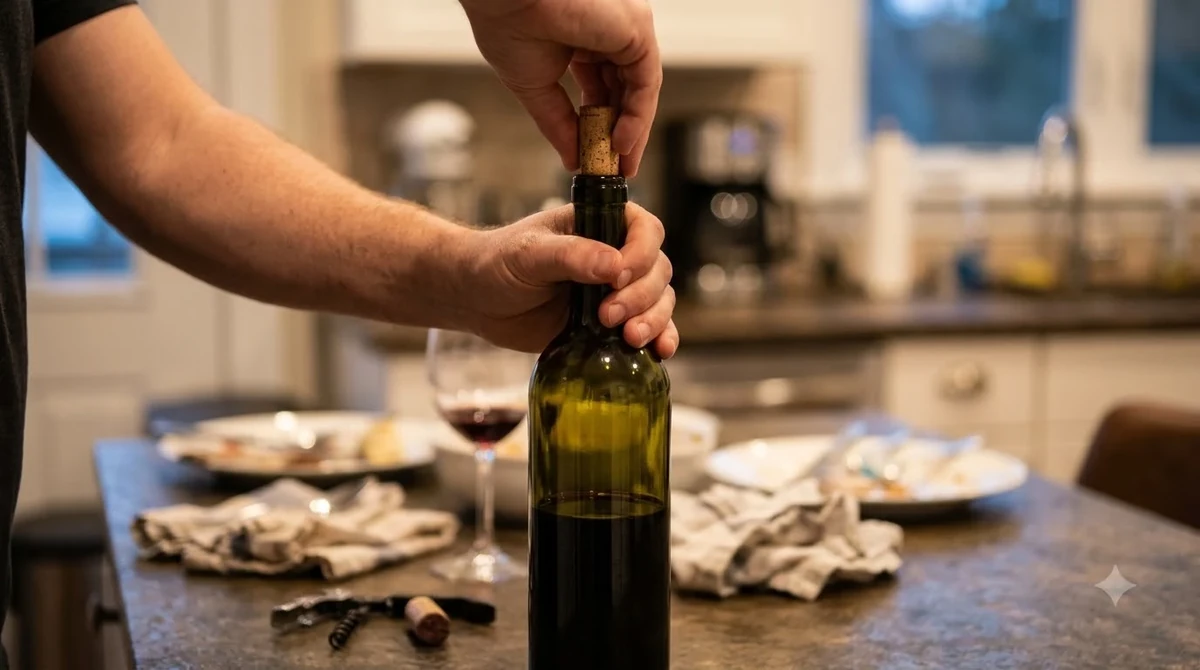
Serving temperature suits both grapes but works differently for each. Wine Folly suggests cabernet franc is best at 60 to 68 degrees Fahrenheit, or 15 to 20 degrees Celsius, which is just below room temperature. Cabernet sauvignon shows well in the same range, though its firmer structure often benefits from decanting when young.
For food, cabernet franc’s acidity and herbal notes suit tomato-based dishes, roast chicken, pork and mushroom dishes, and it pairs nicely with hard cheeses. Cabernet sauvignon’s tannin calls for richer food, such as grilled steak, lamb, braised beef and aged cheddar. A simple rule is to match lighter, brighter reds with lighter dishes and firmer, bigger reds with fat and protein.
Tip: If a young cabernet sauvignon tastes tight, decant it for about 30 minutes before the meal. Cabernet franc from the Loire usually needs little or no decanting.
Which One Should You Choose?
Choose cabernet sauvignon if you want a red with weight, dark fruit and structure that holds up to a steak dinner or a long cellar stay. Choose cabernet franc if you prefer a lighter, more aromatic red with fresh acidity and herbal lift. It is often a good match for drinkers who find cabernet sauvignon too heavy for everyday meals.
If you are comparing reds from the same region, check the grape on the label and the climate noted by the producer. A cool-climate cabernet franc and a warm-climate cabernet sauvignon will show the difference more clearly than two bottles of the same grape. For a broader comparison with a Burgundy classic, the Bordeaux vs Burgundy guide sets out how regions and blends shape the glass.
Frequently Asked Questions
Is cabernet franc lighter than cabernet sauvignon?
Usually, yes. Cabernet franc is typically medium-bodied with lower alcohol and high acidity, while cabernet sauvignon is full-bodied with firmer tannin. Climate and winemaking can narrow the gap, so the style of a specific bottle is the best guide.
Can cabernet franc age like cabernet sauvignon?
Some can. Fuller-bodied cabernet franc from the Right Bank of Bordeaux can age for about a decade, and many cellar-worthy examples exist. Lighter Loire styles are usually best sooner, so check the producer’s notes before you cellar a bottle.
What does cabernet franc taste like?
Cabernet franc often tastes of strawberry and raspberry, with herbal or bell pepper notes and a zesty finish. In cooler climates, violet and tart red fruit are common, while warmer examples add dried fruit and spice.
Are cabernet franc and cabernet sauvignon in the same blend?
They are often blended together, and the classic Bordeaux blend uses both. Cabernet sauvignon usually supplies structure, while cabernet franc adds aromatic lift and freshness.
Cabernet franc and cabernet sauvignon are close relatives with different personalities. Once you know what each brings to the glass, you can choose the right one for your meal, your cellar and your taste.
More in Wine vs Wine
 Nero d’Avola vs Pinot Noir: Taste, Body, and Pairing DifferencesUpdated Nov 21, 2026
 Chenin Blanc vs Pinot Blanc: Key Differences in Taste, Acidity, and PairingsUpdated Nov 21, 2026
 Chardonnay vs Shiraz: Key Differences in Taste, Serving, and PairingUpdated Nov 21, 2026
 Chardonnay vs Verdejo: How Spain’s Crisp White Compares to the World’s ChameleonUpdated Nov 21, 2026
 Chardonnay vs Sancerre: Key Differences in Taste, Grapes, and PairingUpdated Nov 21, 2026
 Chardonnay vs Malbec: Key Differences in Taste, Body, and PairingUpdated Nov 21, 2026