

We may earn a commission when you buy through links on this page, at no extra cost to you. Learn more.
Bordeaux vs burgundy comes down to grape and blend. Bordeaux, in southwestern France, is best known for red blends built mainly around Cabernet Sauvignon and Merlot, with some Cabernet Franc and smaller supporting grapes. Burgundy, in eastern France, is known for Pinot Noir reds and Chardonnay whites, and its wines usually show the grape and the vineyard site more directly than the blend.
Both regions sit at the top of many wine lists, and both can feel intimidating on a shelf full of unfamiliar names. This guide compares the two side by side: the grapes, the style in the glass, how the labels work and which one fits your taste. For more pairings of this kind, see the Wine vs Wine section.
Bordeaux and Burgundy at a Glance
Bordeaux is a large wine region around the city of the same name, and most of its famous wines are red blends. The region’s classic blend is built on Cabernet Sauvignon, Merlot and Cabernet Franc, and few wines are sold as single-variety Cabernets. Burgundy is a smaller, more fragmented region in the east, where Pinot Noir and Chardonnay are the main grapes and the wines are often bottled as single varieties.
The biggest difference for a buyer is what the label tells you. A Bordeaux label usually names the château or estate and the appellation, and the blend is a matter of producer choice. A Burgundy label is more often built around the vineyard site, so the village or named plot can matter more than the grape name.
Grapes and Blends
Bordeaux reds are blends, and the balance changes from one area to another. Wine Folly’s Cabernet Sauvignon guide notes that in Bordeaux the grape is mostly blended into the region’s Bordeaux Blend rather than bottled alone. Cabernet Sauvignon brings structure and dark fruit, Merlot adds softness and plum flavor, and Cabernet Franc adds perfume and a leaner edge.
Burgundy is built on a simpler idea. Pinot Noir is the red grape of the region, and it is bottled on its own in most cases. Chardonnay is the main white. The wines are about expressing the grape and the ground it grows in, so the focus is on a single variety rather than a mix.
Flavor and Body Compared
Bordeaux reds are usually full-bodied and firmly structured, with medium-high tannin that gives them grip and aging potential. Wine Folly describes Cabernet Sauvignon as full-bodied with medium-high tannin, alcohol in the 13.5% to 15% range, and flavors of black cherry, blackcurrant, cedar and graphite. Blends from the region share that backbone, though the exact mix shifts the fruit and texture.
Burgundy reds tend to be lighter in color and structure. According to Wine Folly’s Pinot Noir guide, the grape is light to medium-bodied with low tannin and medium-high acidity, typically around 12% to 14% alcohol. Flavors lean toward raspberry, cherry, mushroom and forest floor, and the wine often feels silkier than a Bordeaux red.
| Feature | Bordeaux | Burgundy |
|---|---|---|
| Main red grapes | Cabernet Sauvignon, Merlot, Cabernet Franc | Pinot Noir |
| Main white grape | Blends with Sauvignon Blanc and Semillon in whites | Chardonnay |
| Typical red body | Full-bodied, medium-high tannin | Light to medium-bodied, low tannin |
| Typical red ABV | 13.5% to 15% (Cabernet Sauvignon) | 12% to 14% (Pinot Noir) |
| Label clue | Estate or château name, appellation | Village, named vineyard or classification level |
How the Labels Work
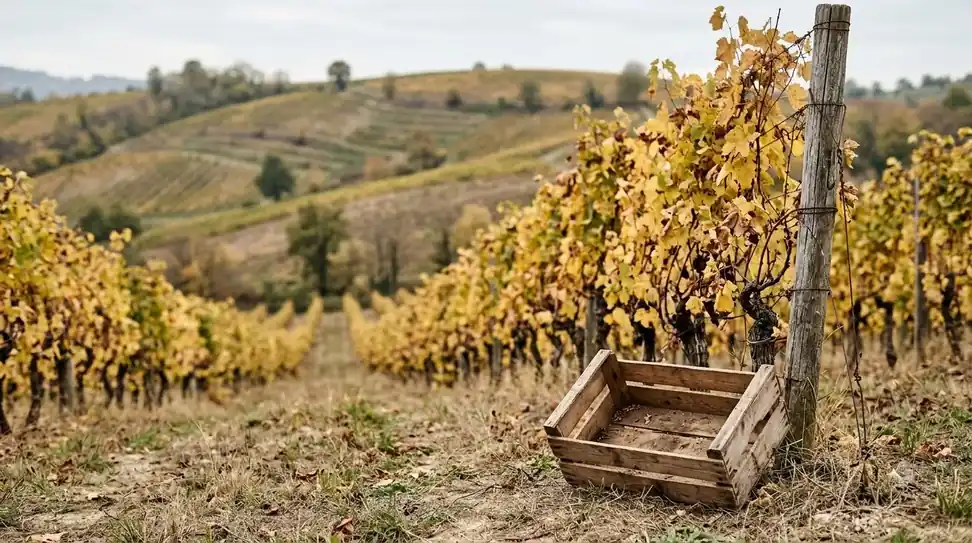
Labels are where many buyers get stuck. In Burgundy, the classification is closely tied to the vineyard. Bourgogne’s official site describes the Climats, the named plots, as a UNESCO World Heritage Site and as the ultimate expression of the region’s terroir. The site explains that the prestige levels include Premier Cru and Grand Cru, alongside Village and Régionale appellations, which is a useful map for reading a Burgundy label.
Bordeaux labels follow a different logic. The estate name and the appellation do most of the work, and the blend is set by the producer. Some of the most famous names carry their own classification history, but the everyday shopper usually reads the château name, the vintage and the appellation as the main signals. Once you know those three, the label is much easier to decode.
Food Pairings: Which Wine With What
Bordeaux reds are built for rich, structured food. The tannin and dark fruit pair well with roast beef, lamb, hearty stews and aged cheeses. The wine’s grip cuts through fat, so a steak or a braise with reduced sauce is a natural match.
Burgundy reds are more versatile at the table. Their lower tannin and brighter acidity suit roast chicken, duck, mushroom dishes and salmon, and the earthy, savory notes of a mature Pinot Noir can echo herbs and roasted vegetables. Burgundy whites, built on Chardonnay, bring the same precision to rich fish and creamy sauces.
Which One Should You Choose?
Choose Bordeaux if you want a red with weight, structure and a long finish, especially for a steak dinner or a bottle you plan to keep for a while. The blend gives a sense of depth that many people enjoy, and the style rewards a little air before serving.
Choose Burgundy if you prefer a red that feels silky and aromatic, or if you like a white with texture and fruit. Pinot Noir from the region can suit lighter meals and it is often easier to match with food. If you are comparing grapes more directly, the merlot vs pinot noir guide covers the same contrast from a grape-by-grape angle.
Serving Bordeaux and Burgundy
Serving temperature shows the difference clearly. Wine Folly gives Pinot Noir a serving range of 55 to 60 degrees Fahrenheit, or 12 to 15 degrees Celsius, which keeps its fruit and acidity fresh. Cabernet-led Bordeaux blends usually show better at a slightly warmer temperature, and they often benefit from decanting when young, which softens the tannin and opens the aromas.
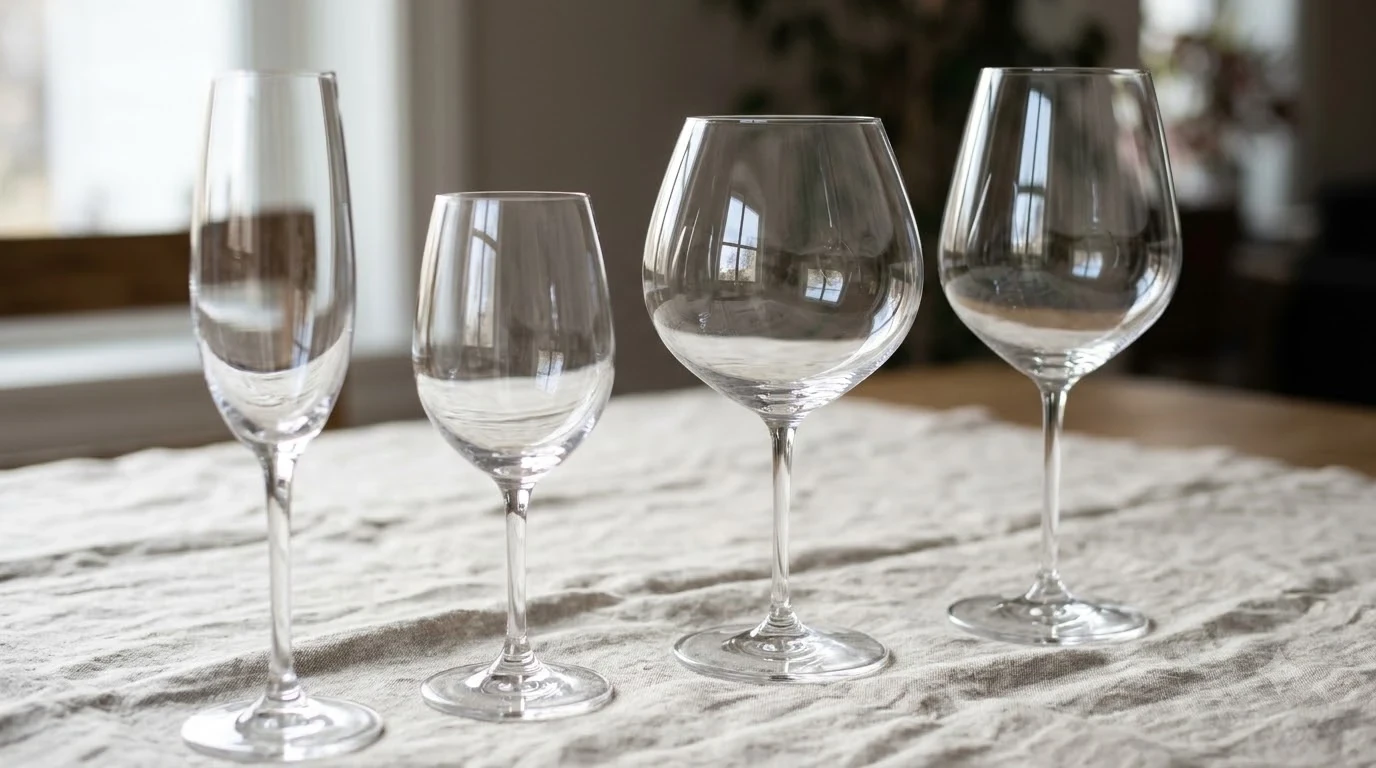
Glassware can help too. A wide bowl suits aromatic Burgundy, while a larger Bordeaux glass gives a full-bodied blend room to open. If you are serving both in one evening, pour the lighter red first and move to the fuller wine after.
Tip: When you are unsure which style to pick, ask the shop or restaurant what the producer emphasizes. A Bordeaux château or a Burgundy domaine usually describes its approach clearly on the website or back label.
Frequently Asked Questions
Is Bordeaux or Burgundy better?
Neither is better in general. Bordeaux suits buyers who want structured, full-bodied blends, while Burgundy suits those who prefer aromatic, lighter Pinot Noir and textured Chardonnay. The right choice depends on the food and the style you enjoy.
Is Burgundy always Pinot Noir?
Pinot Noir is the main red grape of Burgundy and Chardonnay is the main white. Other grapes appear in smaller roles, but for most buyers the two names cover the bulk of the region’s wine.
What grapes go into a Bordeaux blend?
The classic red Bordeaux blend uses Cabernet Sauvignon, Merlot and Cabernet Franc, with smaller amounts of other grapes allowed in some cases. The exact mix varies by estate and vintage, which is why two Bordeaux bottles can taste different.
Which is easier for a beginner to drink?
Many beginners find Burgundy Pinot Noir easier because its tannin is lower and its fruit is more open. Bordeaux blends can be firmer and benefit from food, so pairing them with a meal often helps.
Bordeaux and Burgundy are both worth knowing, and they answer different needs at the table. Start with the grape, check the label for the estate or the vineyard, and then match the wine’s body to the meal in front of you.
More in Wine vs Wine
 Nero d’Avola vs Pinot Noir: Taste, Body, and Pairing DifferencesUpdated Nov 21, 2026
 Chenin Blanc vs Pinot Blanc: Key Differences in Taste, Acidity, and PairingsUpdated Nov 21, 2026
 Chardonnay vs Shiraz: Key Differences in Taste, Serving, and PairingUpdated Nov 21, 2026
 Chardonnay vs Verdejo: How Spain’s Crisp White Compares to the World’s ChameleonUpdated Nov 21, 2026
 Chardonnay vs Sancerre: Key Differences in Taste, Grapes, and PairingUpdated Nov 21, 2026
 Chardonnay vs Malbec: Key Differences in Taste, Body, and PairingUpdated Nov 21, 2026