

We may earn a commission when you buy through links on this page, at no extra cost to you. Learn more.
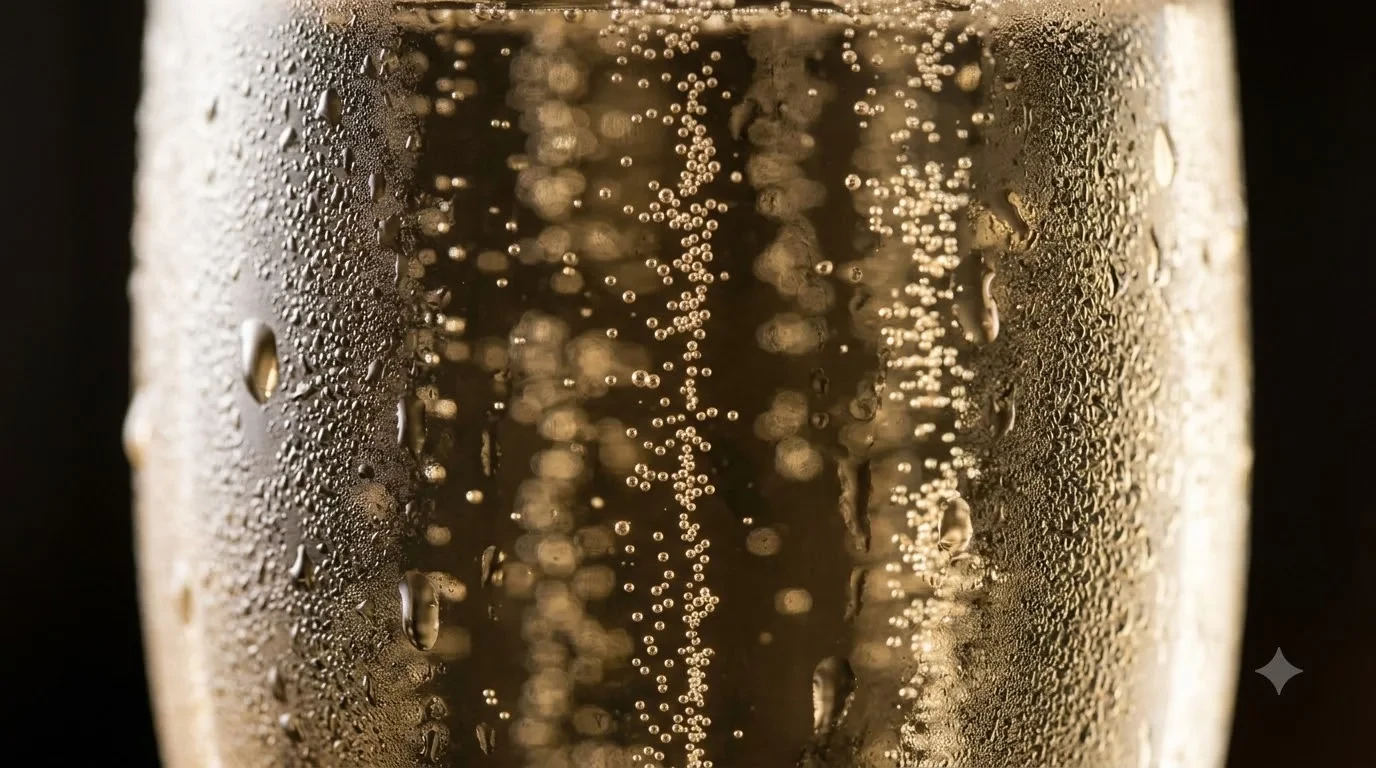
Why is champagne bubbly? Champagne is bubbly because yeast produces carbon dioxide during a second fermentation inside its sealed bottle, trapping the gas in the wine and creating its characteristic sparkling texture. This process, called prise de mousse, transforms still base wine into sparkling wine without injecting artificial carbonation. When the bottle opens and the pressure drops, dissolved carbon dioxide escapes through the liquid, forming the streams of tiny bubbles associated with Champagne.
Champagne’s bubbles are the result of carefully controlled winemaking, chemistry, and physics working together. The process begins long before a cork is removed, and the bubbles continue to develop as the wine moves from the bottle into a glass. Understanding how they form explains why Champagne has such distinctive effervescence, why some bottles produce finer bubbles than others, and why serving temperature and glass choice matter.
Second Fermentation Creates Champagne’s Bubbles
Champagne becomes sparkling through a second fermentation that takes place inside an individual sealed bottle. Yeast consumes added sugar and produces alcohol and carbon dioxide, with the trapped gas gradually dissolving into the wine rather than escaping into the cellar.
The process begins with grapes grown in France’s Champagne region. Winemakers first ferment the grape juice to create a still wine, often called the base wine. This initial fermentation produces alcohol and carbon dioxide, but because the wine is not yet sealed for sparkling production, most of that gas escapes. The result is a wine without the familiar streams of Champagne bubbles.
The winemaker then prepares the base wine for its second fermentation. A measured mixture of sugar, selected yeast, and other winemaking ingredients is added before the wine is bottled and sealed. This preparation is commonly called the liqueur de tirage. The added yeast becomes active and begins consuming the available sugar.
During this second fermentation, yeast converts sugar into alcohol and carbon dioxide. In an ordinary open fermentation vessel, carbon dioxide would escape into the surrounding air. Inside a sealed Champagne bottle, however, the gas cannot leave freely. Instead, it accumulates in the bottle’s headspace and dissolves into the wine.
The French term for this stage is prise de mousse, meaning the capture or development of effervescence. According to the Union des Maisons de Champagne, this fermentation also increases the wine’s alcohol content by approximately 1.2-1.3 percentage points. The Comité Champagne’s explanation of bottling and second fermentation describes how the added sugar and yeast transform still wine into sparkling Champagne.
This is the essential difference between Champagne and an ordinary still white wine. Both can begin as fermented grape juice, but Champagne undergoes an additional fermentation in a sealed container. That extra step creates the dissolved carbon dioxide responsible for its sparkling character.
The process is also different from simply adding carbon dioxide to a finished wine. Champagne develops its carbonation through yeast activity, allowing the gas to become integrated into the wine during production and aging. The result is a natural product of fermentation rather than an artificial injection of bubbles.
How Sugar, Yeast, and Pressure Work Together
Champagne’s carbonation depends on three essential elements: fermentable sugar, active yeast, and a sealed bottle. Together, they create enough carbon dioxide to produce substantial pressure and maintain sparkling wine’s characteristic effervescence.
Sugar provides the yeast with the material it needs to continue fermentation. The yeast consumes this sugar and produces two main fermentation products: alcohol and carbon dioxide. The amount of sugar added during the tirage stage is carefully controlled because it influences the pressure that develops inside the bottle.
The Union des Maisons de Champagne describes the second fermentation as a gradual process that takes place in cool cellars. The carbon dioxide dissolves into the wine while pressure builds underneath the temporary closure. The build-up is particularly active during the early stages and largely settles within approximately two months.
Temperature is important because yeast activity changes with the surrounding conditions. According to the Union des Maisons de Champagne, cellar temperatures of 9-12 degrees C provide suitable conditions for the second fermentation. Colder conditions can slow or stop the process, while warmer conditions can make fermentation happen too quickly.
Pressure is one of the defining characteristics of this method. The Comité Champagne reports that a finished Champagne bottle typically contains approximately 5-6 bar of pressure. That is roughly three times the pressure found in a typical car tire.
For comparison, the following figures help explain how the fermentation process changes the wine:
| Production or serving detail | Typical figure | What it means |
|---|---|---|
| Second-fermentation cellar temperature | 9-12 degrees C | Cool conditions support controlled yeast activity. |
| Additional alcohol from fermentation | 1.2-1.3 percentage points | Yeast produces alcohol alongside carbon dioxide. |
| Approximate pressure in the bottle | 5-6 bar | Carbon dioxide accumulates inside the sealed bottle. |
| Typical duration of pressure build-up | About 2 months | The main pressure increase occurs during early fermentation. |
| Recommended sparkling wine serving temperature | 40-50 F | Chilling helps preserve freshness and manage the release of gas. |
| Typical Champagne pour | 5 oz | A standard 750 ml bottle provides approximately 5 glasses. |
These figures describe different parts of Champagne production and service rather than a single measurement taken at the same moment. In particular, the pressure in the finished bottle reflects the carbon dioxide retained after fermentation and subsequent cellar aging.
The strong bottle is essential. Ordinary wine bottles are not designed to withstand Champagne’s internal pressure. Champagne bottles use thick, specially manufactured glass, and their shape and construction help them tolerate the force created by fermentation.
The pressure also explains the distinctive sound of opening Champagne. When the closure is released, the pressure inside the bottle drops rapidly toward atmospheric pressure. Carbon dioxide begins escaping from the wine, and the cork may produce a gentle pop as it is pushed outward.
Tip: Chill Champagne to approximately 40-50 F before opening, keep the bottle pointed away from people, and hold the cork firmly while slowly turning the bottle. Controlled opening helps reduce sudden pressure release and unnecessary loss of wine and carbonation.
Why Champagne Bubbles Appear When You Pour It
Champagne already contains dissolved carbon dioxide before the bottle is opened, but the bubbles become visible when the wine enters a glass. The change in pressure allows the dissolved gas to escape, while tiny particles and microscopic imperfections provide places where bubbles can begin forming.
Inside a sealed bottle, the carbon dioxide exists in a state of equilibrium between the liquid wine and the small gas-filled space beneath the closure. The pressure keeps a substantial amount of carbon dioxide dissolved in the wine.
Opening the bottle changes that balance. Atmospheric pressure is much lower than the pressure inside the sealed container, so the wine becomes supersaturated with carbon dioxide. In simple terms, it contains more dissolved gas than it can comfortably retain under the new conditions.
The excess carbon dioxide gradually leaves the liquid. Some escapes directly from the surface, while some forms visible bubbles that rise through the glass. As each bubble reaches the surface, it bursts and releases gas into the air.
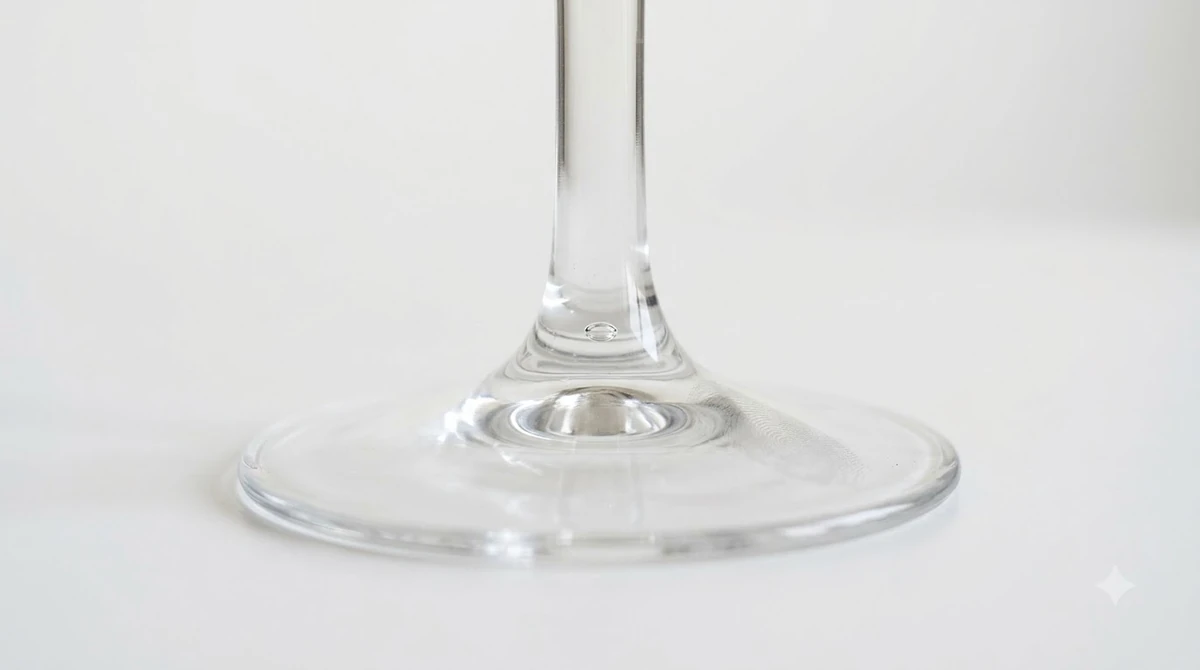
The Comité Champagne explains that bubbles commonly form around microscopic particles suspended in the wine or attached to the glass. These particles can include tiny fibers, dust, and other microscopic material. Small imperfections on the glass surface also provide locations where carbon dioxide can gather and form bubbles.
These locations are called nucleation sites. They make bubble formation easier because gas can collect in an existing microscopic pocket rather than having to form a completely new bubble within the liquid. The Comité Champagne’s frequently asked questions also explain why microscopic particles and imperfections influence the streams of bubbles visible in a glass.
This explains why Champagne can appear to produce continuous streams of bubbles from particular points inside a glass. A small particle or surface imperfection provides a starting location, and dissolved carbon dioxide repeatedly enters the growing bubbles as they rise.
The process does not mean that every molecule of dissolved carbon dioxide becomes a visible bubble. The Comité Champagne estimates that nearly 80% of the gas escapes directly to the surface without producing visible bubbles. The streams that remain are only one part of a much larger exchange between the liquid and surrounding air.
Scientists study this behavior because the movement, growth, and bursting of Champagne bubbles involve several interacting physical processes. Research published in Annual Review of Analytical Chemistry examines the relationships between dissolved carbon dioxide, pressure, bubble formation, and the behavior of sparkling wine in a glass.
What Determines Bubble Size and Persistence?
Champagne’s bubbles are influenced by fermentation conditions, dissolved carbon dioxide, aging, temperature, and the glass used for serving. A steady stream of fine bubbles can reflect careful production and favorable serving conditions, but bubble size alone does not establish a wine’s overall quality.
One important factor is the speed of the second fermentation. The Union des Maisons de Champagne explains that slow fermentation at a cool, consistent temperature helps produce finer and more delicate bubbles. A fermentation that proceeds too quickly can produce larger bubbles that lose their persistence sooner.
Dissolved carbon dioxide is another major influence. A wine containing more dissolved gas generally has greater potential for visible effervescence. The amount retained depends on the initial fermentation, the conditions inside the sealed bottle, and the changes that occur during aging.
Temperature affects how readily carbon dioxide escapes from the wine. Warmer Champagne releases gas more readily, which can lead to faster bubble formation and a quicker loss of carbonation. Colder wine generally retains carbon dioxide more effectively, making chilling important for preserving its sparkle during service.
Aging also influences the amount of carbon dioxide remaining in a bottle. During extended storage, small amounts of gas can gradually pass through the closure. Scientific studies of Champagne have examined how dissolved carbon dioxide changes during prolonged aging, showing why the time spent in the cellar and the properties of the closure matter.
Glass design adds another variable. A glass with a relatively narrow opening can concentrate aromas and help limit the surface area exposed to the air. A broad coupe, by comparison, exposes more wine to the surrounding atmosphere and can encourage faster loss of carbonation.
Even two glasses with identical shapes may produce different-looking streams of bubbles. Microscopic scratches, cleaning residue, and suspended particles can change the number and location of nucleation sites. A glass that looks perfectly smooth to the eye still contains microscopic surface features.
There is also an important distinction between bubble size and bubble persistence. Larger bubbles rise more quickly, while smaller bubbles may create a finer visual stream. However, the visible effect depends on the amount of dissolved gas, the location of nucleation sites, and the conditions under which the Champagne is served.
For everyday drinking, a steady stream of bubbles is an enjoyable feature, not a strict quality test. A mature Champagne may display different effervescence from a recently released bottle without necessarily being defective. Aroma, balance, freshness, and overall condition remain important parts of the wine’s character.
How Bottle Aging Changes Champagne’s Effervescence
Champagne spends time aging after its second fermentation, often in contact with dead yeast cells known as lees. This stage develops additional aromas and texture while allowing the wine’s carbonation and other characteristics to evolve.
Once the second fermentation finishes, yeast cells gradually die and settle inside the bottle. They form a deposit that remains in contact with the wine during the aging period. This contact is known as aging on lees.
Lees aging contributes to the familiar bread-like and pastry-like aromas associated with many traditional-method sparkling wines. The breakdown of yeast cells releases compounds into the wine, influencing its aroma, mouthfeel, and complexity.
The wine cannot normally be sold with this sediment remaining in the bottle. Champagne producers therefore use a process called riddling, or remuage, to move the deposit toward the neck. Bottles are gradually turned and tilted until the sediment collects close to the closure.
Disgorgement then removes the accumulated yeast deposit. The bottle neck may be chilled so that the sediment freezes into a small plug, which can be expelled under pressure when the temporary closure is removed.
After disgorgement, producers may add a measured amount of dosage, a mixture generally based on wine and sugar. This determines the final sweetness category of the Champagne. The dosage stage is separate from the original sugar addition used to initiate the second fermentation.
It is important not to confuse these two additions. The sugar added before the second fermentation helps yeast generate carbon dioxide and pressure. Dosage, added after disgorgement, helps determine the finished wine’s sweetness and balance.
Champagne’s sweetness categories range from very dry to distinctly sweet. The Comité Champagne identifies Brut Nature, Extra Brut, Brut, Extra Dry, Sec, Demi-Sec, and Doux as recognized categories.
Extended aging can also affect the amount of dissolved carbon dioxide. Small amounts of gas may gradually escape through the closure over time, so an older bottle may behave differently from a younger bottle when poured.
That does not mean that aging automatically makes Champagne flat. Producers manage cellar conditions and closures to preserve the wine’s character. The relationship between age, dissolved gas, and flavor is more complicated than simply assuming that older bottles always have fewer bubbles or that younger bottles are always better.
For readers interested in the bottle itself, understanding why are wine bottles green provides additional context about the construction and protection of wine bottles during storage. Champagne’s thick glass and dark appearance serve practical purposes beyond presentation.
How to Preserve Champagne Bubbles When Serving
Proper chilling, careful pouring, and suitable glassware help retain Champagne’s carbonation after opening. The aim is to limit unnecessary agitation and exposure to warm air while allowing the wine’s aromas and bubbles to develop naturally.
Start by chilling the bottle before opening. A useful serving range for sparkling wine is approximately 40-50 F. At this temperature, Champagne is refreshing, and the lower temperature helps keep carbon dioxide dissolved for longer.
Avoid putting a warm bottle directly into a freezer for an extended period. Rapid temperature changes and forgotten bottles can create unnecessary problems. A refrigerator or an ice bucket containing ice and water provides a more controlled way to chill the wine.
Once the bottle is ready, remove the foil and loosen the wire cage while maintaining control of the cork. Keep one hand over the cork and turn the bottle slowly with the other hand. This allows the pressure to release gradually rather than producing a forceful pop.
Pouring technique also matters. Instead of filling the glass immediately to the rim, pour a small amount first and allow the foam to settle. Continue pouring in measured amounts. This reduces overflow and helps preserve the wine’s carbonation.
A standard 750 ml bottle provides approximately five 5 oz servings. Smaller pours are practical for tasting because they leave room for aromas to collect and make it easier to observe the bubbles moving through the glass.
Flute-shaped glasses are traditionally associated with Champagne because their narrow shape makes the rising bubbles easy to observe. However, a tulip-shaped glass can provide more room for aromas to develop while still concentrating the wine toward the opening.
Wide coupes offer a different experience. Their broad bowls create a larger exposed surface, which generally allows carbonation to dissipate more quickly. They can still be useful for particular presentations, but they are not the best choice if preserving effervescence is the priority.
Glass cleanliness is another practical consideration. Wash glasses thoroughly and rinse away detergent residue. Avoid leaving lint or visible particles inside the bowl, since foreign material can affect the appearance and consistency of bubble streams.
After opening, keep any remaining Champagne cold and use a proper sparkling-wine stopper. Ordinary flat wine stoppers are not designed to hold the pressure of sparkling wine. Refrigeration slows the loss of carbon dioxide, but it cannot restore gas that has already escaped.
For general storage guidance, opened sparkling wines typically retain their best character for approximately 1-3 days in the refrigerator when properly sealed. The actual result depends on the wine, stopper, temperature, and amount of gas remaining when the bottle is stored.
These simple steps help preserve the characteristics that make Champagne distinctive. A cold bottle, a controlled opening, and a suitable glass can make a noticeable difference to the experience.
Champagne Compared With Other Sparkling Wines
Champagne is not the only sparkling wine made through a second fermentation, but its traditional production method is one of the defining characteristics of the category. Other sparkling wines can use the same bottle-fermentation technique or a different method that creates bubbles in a pressurized tank.
Champagne must come from the designated Champagne region in northeastern France and follow the applicable appellation rules. Its production involves the traditional bottle-fermentation method, which allows the second fermentation and subsequent aging to take place inside the bottle.
Cava from Spain and many Crémant wines from France also use traditional bottle fermentation. The general principle is similar: a still base wine receives yeast and sugar, undergoes another fermentation in a sealed bottle, and retains the carbon dioxide produced during that process.
Prosecco is generally made differently. Its characteristic sparkling production commonly uses the tank method, also called the Charmat method. The second fermentation takes place in a pressurized tank rather than in each individual retail bottle.
This distinction changes the production process and can influence the wine’s aromatic profile and bubble characteristics. Tank fermentation allows producers to create sparkling wine efficiently while preserving fresh fruit aromas associated with grapes such as Glera.
The following comparison summarizes the principal differences:
| Wine | Typical production method | Common grape varieties | Where the bubbles develop |
|---|---|---|---|
| Champagne | Traditional method | Chardonnay, Pinot Noir, Pinot Meunier | Individual sealed bottles |
| Cava | Traditional method | Macabeo, Xarel-lo, Parellada | Individual sealed bottles |
| Crémant | Traditional method | Varieties depend on the French region | Individual sealed bottles |
| Prosecco | Tank method | Primarily Glera | Pressurized fermentation tanks |
The production method is only one part of the difference. Grapes, climate, fermentation conditions, aging time, and producer decisions all influence the finished wine. Two traditional-method sparkling wines can have very different aromas and textures even though both develop their bubbles inside the bottle.
Champagne is also associated with extended lees aging, which can contribute notes of toast, brioche, and pastry. A fresh Prosecco often emphasizes pear, apple, and floral aromas instead. These are general stylistic tendencies rather than rules that apply to every bottle.
Sweetness is another separate consideration. The word Brut refers to the finished wine’s residual sugar category, not to the method used to create its bubbles. A Brut Champagne and a Brut Cava can therefore have similar sweetness classifications while having different grape origins and flavor profiles.
Choosing between sparkling wines is easier when the production method, sweetness, and flavor style are considered separately. Champagne is an excellent choice for drinkers who enjoy traditional bottle fermentation and the complexity that can develop through extended aging, while tank-method wines offer a different expression of sparkling wine.
Readers exploring more wine questions can also visit Wine Q&A for explanations of grape varieties, wine production, serving techniques, and common wine terminology.
Frequently Asked Questions
Can Champagne lose its bubbles before the bottle is opened?
Yes. Carbon dioxide can gradually escape through the bottle closure during prolonged storage, even when the bottle remains sealed. Researchers have studied this process in connection with cork properties and aging conditions. A bottle that has been stored poorly or for an unusually long time may therefore show less effervescence than expected.
Does Champagne contain more carbon dioxide than sparkling water?
Champagne commonly contains a substantial concentration of dissolved carbon dioxide produced during its second fermentation. The exact concentration varies with the wine and its production and storage conditions. Sparkling water also contains dissolved carbon dioxide, but its carbonation is generally created through a separate beverage-production process rather than alcoholic fermentation.
Can Champagne be made without adding sugar before the second fermentation?
The traditional second fermentation requires fermentable sugar for yeast to produce additional carbon dioxide. Even Champagne labeled Brut Nature can receive sugar during the tirage stage. Brut Nature refers to the final sweetness classification and the absence of added dosage, not the absence of sugar throughout the entire production process.
Why does Champagne sometimes produce foam that overflows the glass?
Rapid pouring introduces turbulence that encourages dissolved carbon dioxide to escape quickly. Foam develops as gas bubbles become temporarily stabilized by compounds in the wine. A warmer bottle, vigorous pouring, or an overfilled glass can make the effect more noticeable. Pouring slowly into a chilled glass helps control excessive foaming.
Can a Champagne bottle freeze and still remain sparkling?
Freezing is not a recommended storage method for Champagne. As the liquid freezes, it expands and can place additional stress on the glass and closure. A frozen bottle may leak, crack, or lose its carbonation if the closure becomes compromised. Controlled refrigeration is a much better way to maintain serving temperature.
Champagne’s bubbles come from a natural second fermentation that traps yeast-produced carbon dioxide inside a sealed bottle. Pressure, temperature, aging, and glass design all influence how those bubbles behave once the wine is poured. Understanding these details makes it easier to appreciate the craftsmanship behind every glass and to serve Champagne while its sparkling character is at its best.
More in Wine Basics
 Which Rose Is Best for Your Taste, Budget, and Food PairingsUpdated Nov 21, 2026
 Is Cheap Wine Bad? How to Find Bottles Worth DrinkingUpdated Nov 21, 2026
 What To Write On A Wine Gift Tag: Thoughtful Messages For Every OccasionUpdated Nov 21, 2026
 Which Wine Is Best For Weight Loss? Compare Lower-Calorie ChoicesUpdated Nov 21, 2026
 What Is The Best Wine For Mimosas? Choose Bubbly That Balances Orange JuiceUpdated Nov 20, 2026
 Which Prosecco Is Best for Your Taste and OccasionUpdated Nov 20, 2026